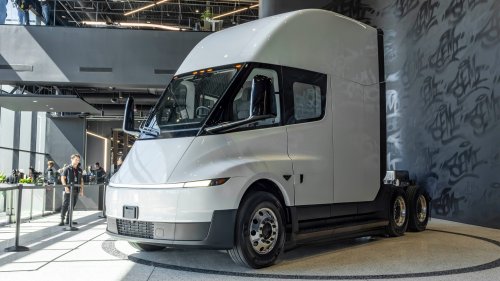
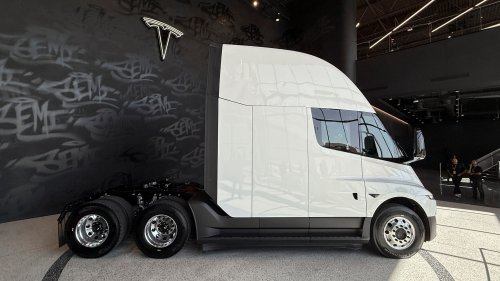
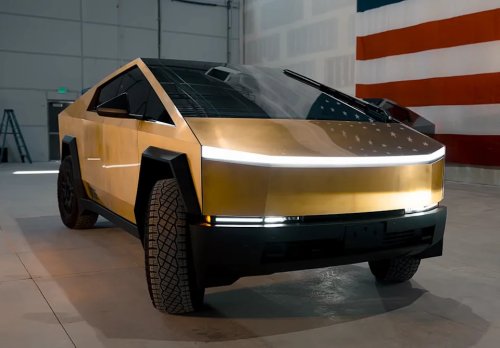
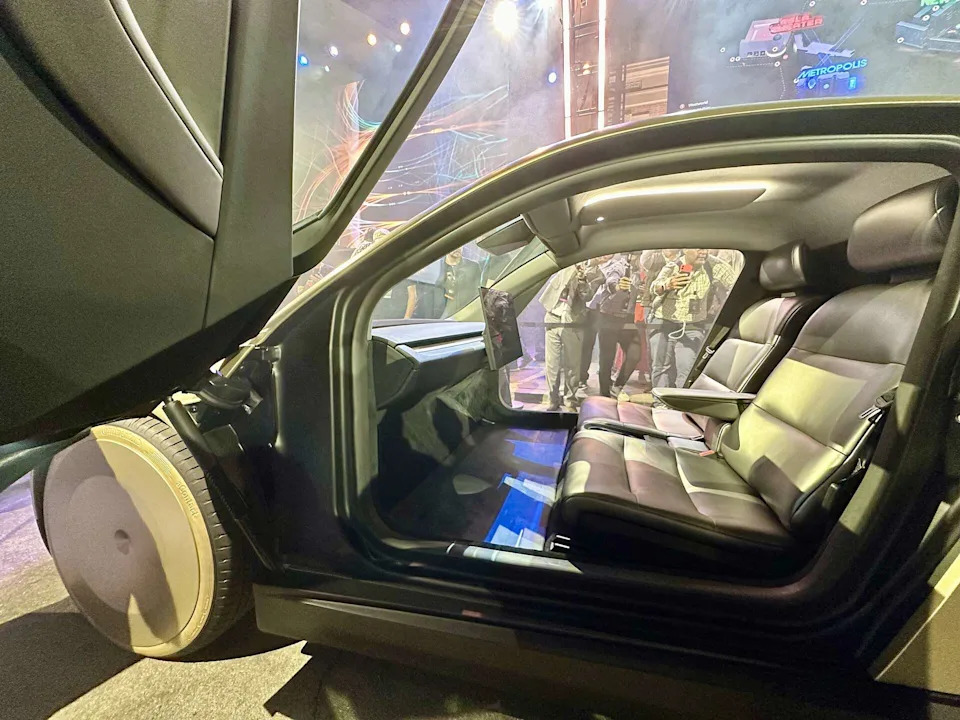
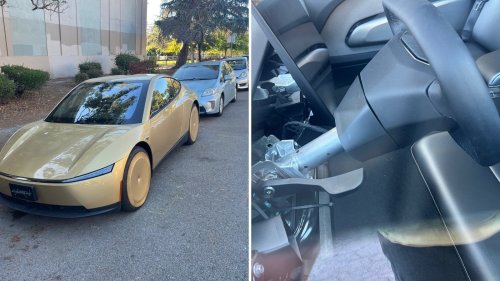
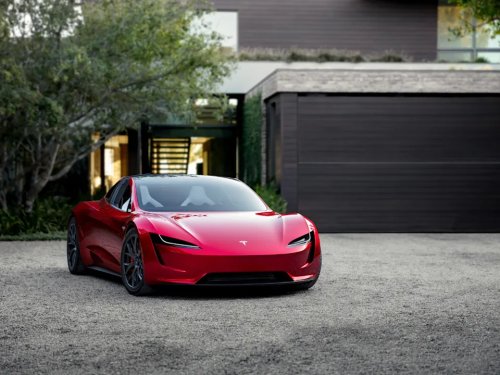
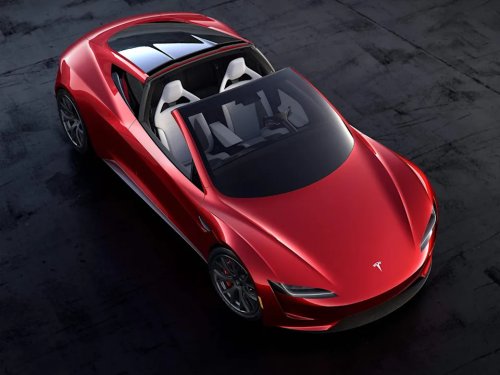
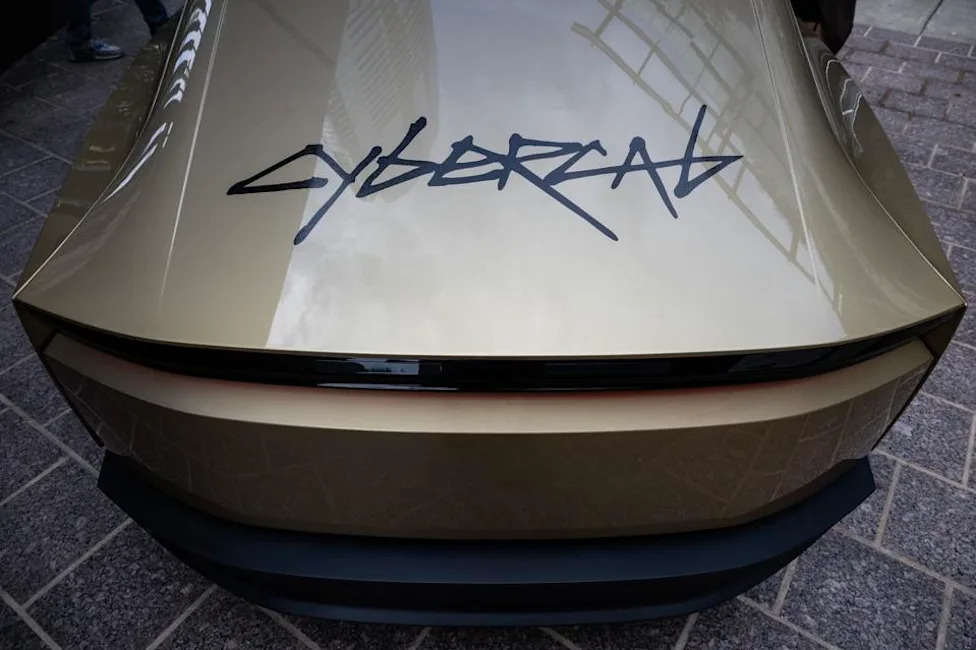
A Tesla's "Cybercab" (detail) is displayed in downtown Austin, Texas, on September 3, 2026. Tesla is launching the "Cybercab" which is a taxi with no steering wheel or pedals, designed purely for autonomy. (Photo by RONALDO SCHEMIDT / AFP via Getty Images)AFP via Getty ImagesTesla has an almost unassailable lead in U.S. vehicle autonomy, lurid crash headlines and Cybercab launch disappointment notwithstanding.Lucid Gravity Driver Assist Very Good But…This week I've been testing the latest version of the driver assist (aka, ADAS or Advanced Driver Assistance Systems) that comes on the tech-heavy 2026 Lucid Gravity. It's good. Much better than the previous version I tested on 2024 in a Lucid Air. It pretty much handles all driving on Los Angeles freeways, including executing an overtake and it knows when to get back into the right lane to let Los Angeles freeway pedal-mashers get by. Impressive since this coming from Lucid, a relatively small American player in this space.But Lucid DreamDrive isn't Tesla Full Self-Driving (FSD). Nor is Ford's BlueCruise, or General Motors Super Cruise or Rivian's Autonomy Platform. I've tested all of the above this year.Why Tesla Gets All The Attention — And The ScrutinyIn a Model Y, FSD shuttles me – like the robotaxi that it is – from my front door to my local Starbucks. It clears my community's front gate, negotiates two traffic signals, threads a tricky right turn into a shopping center, then an even trickier left, and finds a parking space. All on its own. No other ADAS system does that. Not even close.AdvertisementAdvertisementBut FSD also gets into accidents, which generate a lot of unwanted media attention. And a recent announcement of an NHTSA probe into the Cybercab was announced the day after the September 3 Cybercab event. (Recently, Waymo is getting its share of unwanted attention too.) I get it. A machine making a driving decision that leads to death or serious injury is treated differently. I experience mistakes that driver assist systems make all the time on cars that I test. It exposes an AI-like intelligence as fallible.Tesla Leads But There Will Be Choices And Everyone Will Eventually Use An ADASHigh-profile accidents notwithstanding, Tesla leads. But that doesn't mean everyone will use FSD. There will be a number of ADAS to choose from. After testing ADAS from Tesla, General Motors, Ford, Rivian, Toyota, Subaru, and Lucid amounting to hundreds of hours over the last three years, it's an easy call to say ADAS – with Tesla way out front in the U.S. – is the future of driving. There are a lot of reasons but I'll give three specific examples:(1) Grueling long-distance road trips: I challenge anyone to try an ADAS (like Tesla FSD or GM's Super Cruise) on a long distance trip. You will never go back. Let's take a 3 hour drive as an example. In the traditional scenario, the driver keeps their hands on the wheel and eyes on the road for three hours of a largely undifferentiated task: hold lane position, maintain distance from the car ahead, do occasional overtakes, make tiny corrections. The driver is essentially acting like a machine. (Albeit an easily distracted human machine.) In the future-is-here driving scenario you leave that monotony to a competent machine, aka, ADAS. The ADAS holds lane centering, does adaptive cruise, and automatic lane changes for passing. The driver's task shifts from continuous fine motor control to supervisory monitoring. In other words, the driver can relax and leave the three hours of drudgery to an (undistracted) ADAS.(2) Soul-crushing gridlock: essentially the same proposition. The ADAS handles the relentless stop-and-go micro-throttling – a grinding, constant low-grade demand for primitive human judgment that's exhausting. Try ADAS once in this scenario and you'll never go back.AdvertisementAdvertisement(3) FSD: getting your average driver behind the wheel of a Tesla to actually try FSD is hard. Very hard. But when they do, it's almost always a Damascus moment and changes how they experience driving forever.Conclusion: Next Ten YearsThose three reasons, among others, will eventually spur many more drivers to use an ADAS. The only question will be how often drivers will use it: some will use it sparingly while others will use it regularly. But ADAS will become an integral part of driving over the next ten years – and Tesla knows this better than anyone.This article was originally published on Forbes.com
















 +76 others