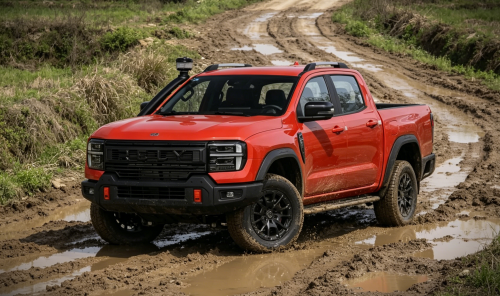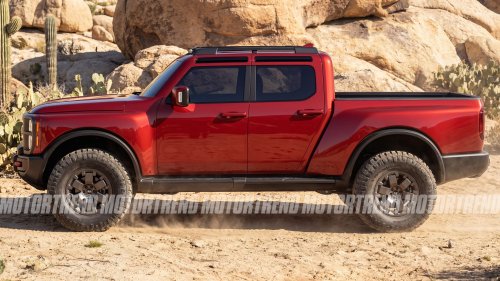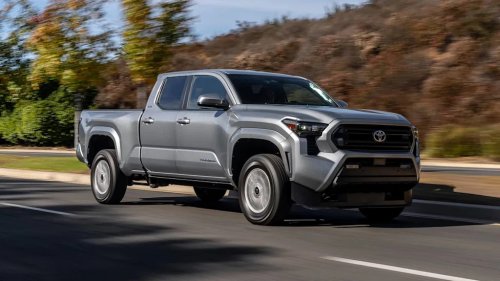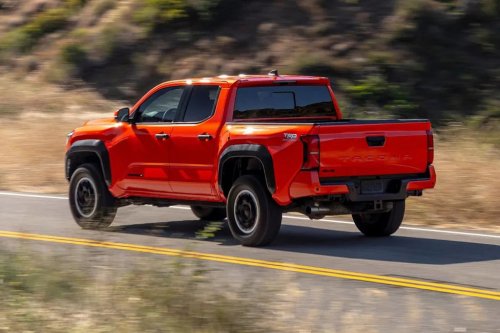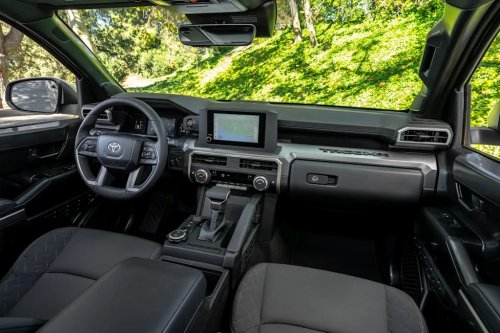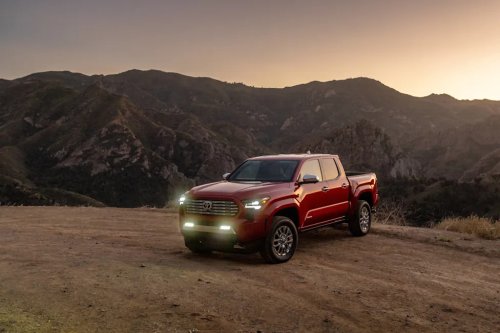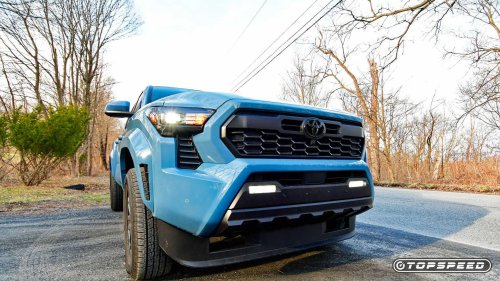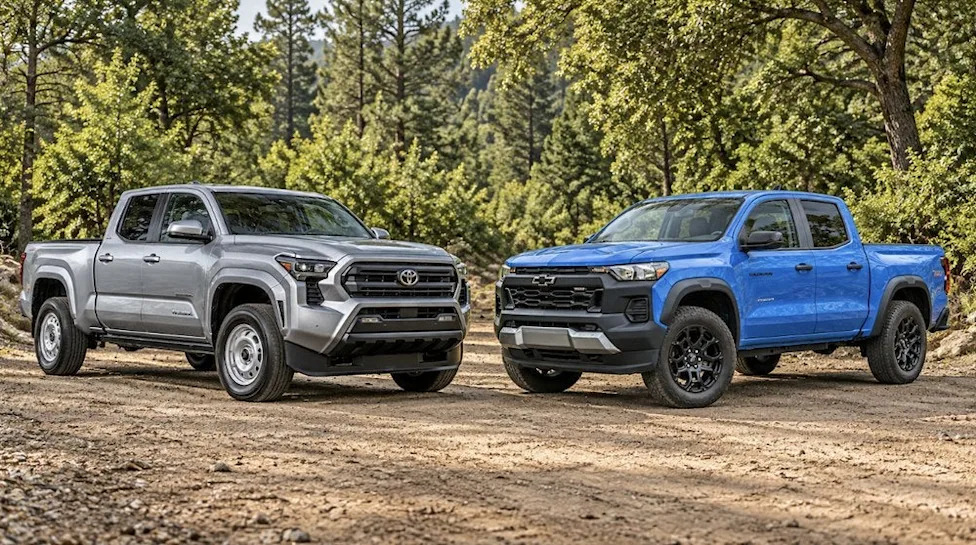



















If you're cross-shopping the two best-selling midsize pickups and efficiency sits high on your list, the comparison is lopsided. The 2026 Toyota Tacoma Hybridwith four-wheel drive returns better fuel economy than the 2026 Chevrolet Coloradorunning two-wheel drive. That's the headline fact, and it holds up because Toyota offers a hybrid powertrain in this class while Chevrolet does not - the Colorado has no electrified option at all. For a wheeler weighing trail capability against the cost of keeping a rig fed, that gap matters more than it might sound. A truck that burns less fuel runs farther between gas stations on a long overland loop and costs less over a five-year stretch of ownership. The numbers below break down exactly where each truck lands and what you give up or gain by choosing one over the other.How the base models compare on fuel economyLine up the entry-level rear-drive versions and the Toyota comes out ahead. The base RWD Tacoma returns 23 mpg combined, which lands 2 mpg over the matching Chevy. In rear-wheel drive, the Colorado posts 19 mpg city, 24 mpg highway, and 21 mpg combined by EPA figures. The Tacoma's edge shows up in the combined rating that most buyers actually feel. The reason both figures sit where they do comes down to engine choice. Both the Tacoma and the Colorado use only turbocharged four-cylinder engines - there is no V6 or V8 in either lineup. That keeps displacement small on paper, but the Colorado's tuning leans toward output rather than economy.Where the hybrid changes the equationThe hybrid is what separates these two trucks. The 2026 Tacoma Hybrid with 4WD achieves 22 mpg city, 24 mpg highway, and 23 mpg combined. Put that next to the rear-drive Colorado's 21 mpg combined and the point lands: a four-wheel-drive Toyota, carrying the extra weight and drivetrain drag of a 4WD system, still beats a lighter two-wheel-drive Chevy. That advantage holds across Toyota's off-road-focused trims too. The TRD Pro and Trailhunter both return 23 mpg combined, which is strong for trucks built with the kind of hardware that usually drags economy down. If you want a capable trail rig that does not punish you at the pump, those are the numbers to beat in this segment.The least efficient trims on each sideThe spread within each lineup tells you how much your trim choice costs. On the Toyota side, the 2026 Tacoma 4WD Manual Non-Hybrid is the thirstiest, at 18 mpg city, 23 mpg highway, and 20 mpg combined. That's the price of the manual gearbox and the non-hybrid drivetrain combined, and it still roughly matches the base Colorado. Chevrolet's worst-case is harsher. The 2026 Colorado ZR2 Bison 4WD returns just 16 mpg across the board- city, highway, and combined. That trim comes loaded for serious off-road work. It rides on mud-terrain tires and packs dedicated off-road gear, so the penalty is expected. Still, 16 mpg combined puts the Bison's fuel consumption in the same range as a V8, which is a lot of thirst for a four-cylinder truck. Feeding the Bison costs far more than running a Tacoma TRD Pro or Trailhunter. If you want a factory-prepped crawler, the fuel difference is real.What efficiency costs you over five yearsFuel economy flows straight into annual running costs. The Colorado carries an annual fuel cost range of $3,200 to $4,200, while the Tacoma lands between $2,900 and $3,350. That gap compounds every year you own the truck. Fuel is only part of the five-year picture, and the rest leans harder toward Toyota. Maintenance and repair costs for the Colorado run over $1,000 more than the Tacoma across five years. The Tacoma also carries lower insurance premiums. Add it up and, using CarEdge data, the average five-year ownership cost of the Tacoma is $40,011 against $53,418 for the Colorado. That's more than a thirteen-thousand-dollar difference over the same period.Depreciation is the biggest hidden gapThe largest single line item separating these trucks is how fast each one loses value. The Colorado depreciates more than twice as much as the Tacoma over five years. In dollar terms, the Colorado sheds roughly $20,973 to depreciation, while the Tacoma loses about $9,589 over the same span. That's the number that makes the Tacoma the more sensible buy over five years once you account for depreciation, maintenance, insurance, and fuel. If you plan to sell or trade the truck down the road, resale value does more damage to your wallet than a couple of miles per gallon ever will. The Toyota's reputation for holding value shows up directly in these figures.What the Colorado does betterEfficiency and ownership cost favor the Toyota, but the Colorado is not without its strengths, and some of them matter on the trail. The Chevy makes more standard power. Its turbocharged four-cylinder is rated at 310 hp and runs through an eight-speed automatic. That engine has a noticeable midrange punch, though it also comes with noticeable vibrations. The Colorado also outperforms the Tacoma in raw towing capacity, which matters if you haul a trailer, a camper, or a toy hauler to the trailhead. One tradeoff to note on body style: the 2026 Colorado is offered only as a crew cab with a short bed, so if you want a different cab or bed layout, the Toyota lineup gives you more room to choose.The Tacoma's rough edgesThe Toyota wins the numbers, but it is not a refined machine. The 2026 Tacoma has a stiff ride, clumsy handling, and gets described as a crude truck. Those are real complaints you'll feel on pavement and washboard dirt roads alike. The current generation does improve on the truck it replaced. It has quicker acceleration, shorter stopping distances, a less awkward driving position, and slightly better fuel economy than the previous Tacoma. So while the ride stays firm, the platform moves in the right direction.Which one to buyIf efficiency and total cost of ownership drive your decision, the Tacoma is the clear pick, and the hybrid makes the gap wide enough that four-wheel drive does not erase it. You get better combined mpg, lower fuel bills, cheaper maintenance, lower insurance, and far gentler depreciation. Choose the Colorado if you prioritize towing, want the extra midrange power, or have your eye on the ZR2 Bison's factory off-road hardware and accept the 16-mpg fuel penalty that comes with it. For most buyers weighing a five-year ownership stretch, run the fuel-cost range and the depreciation figures against your own mileage before you sign - those two numbers, more than engine specs, decide which truck is cheaper to live with.