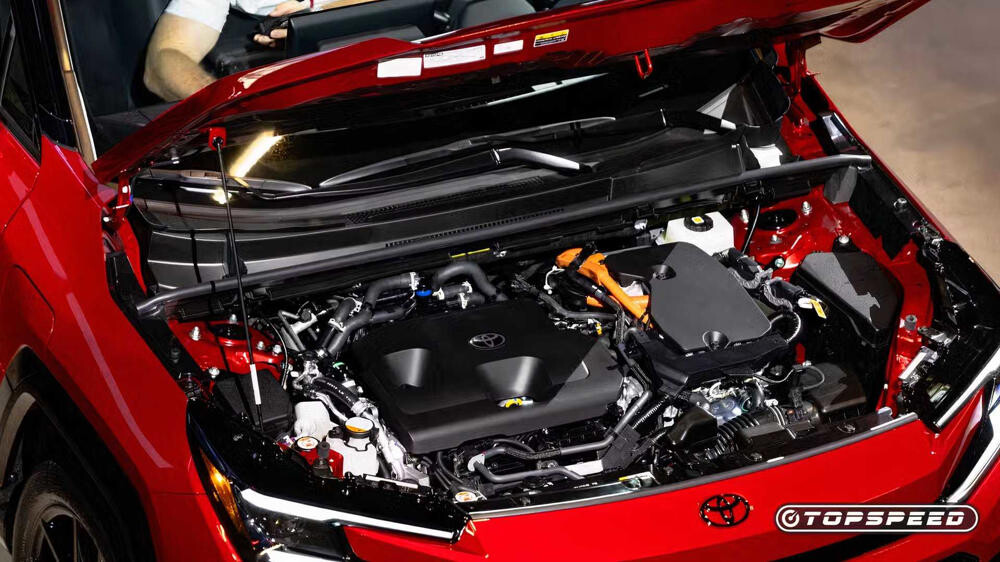
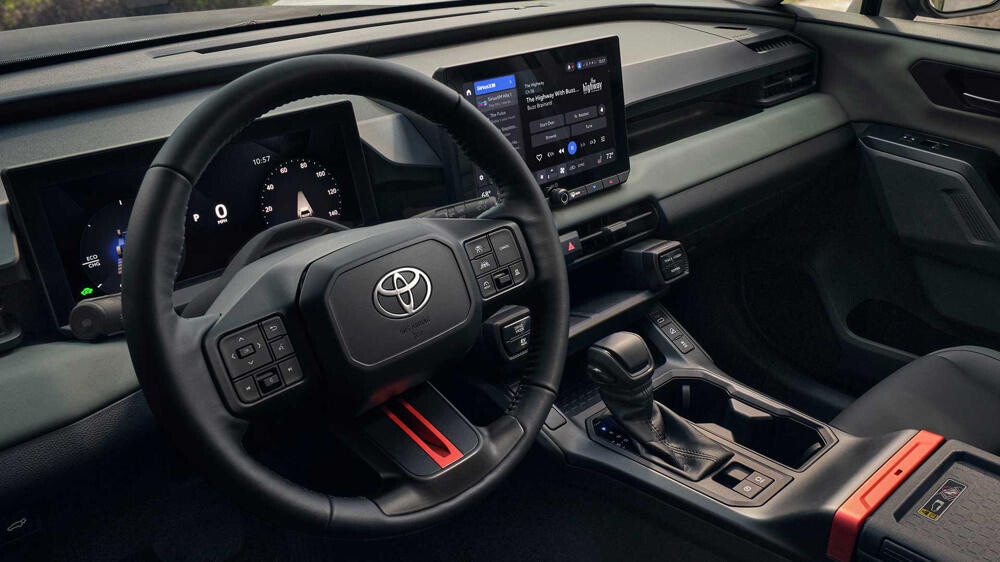
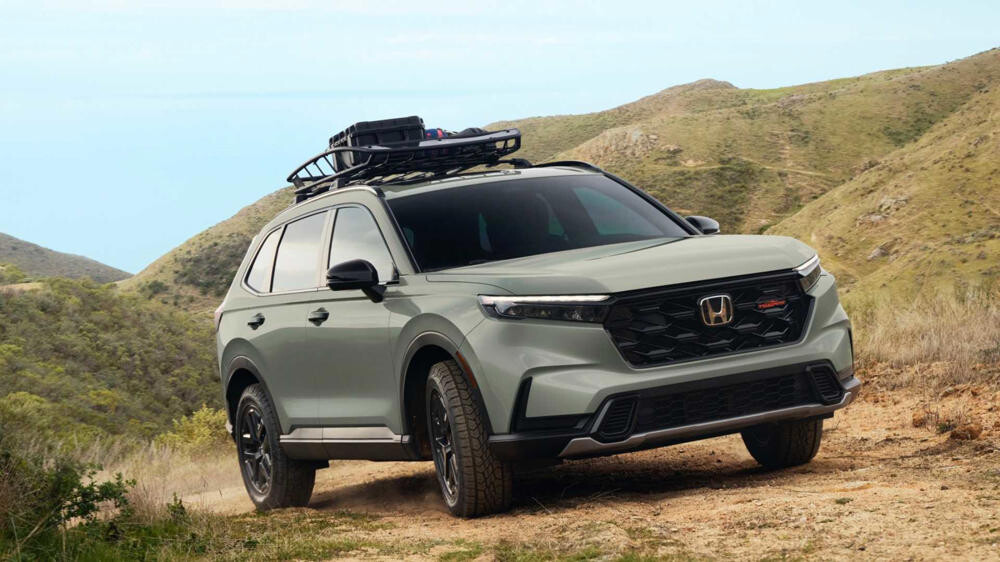
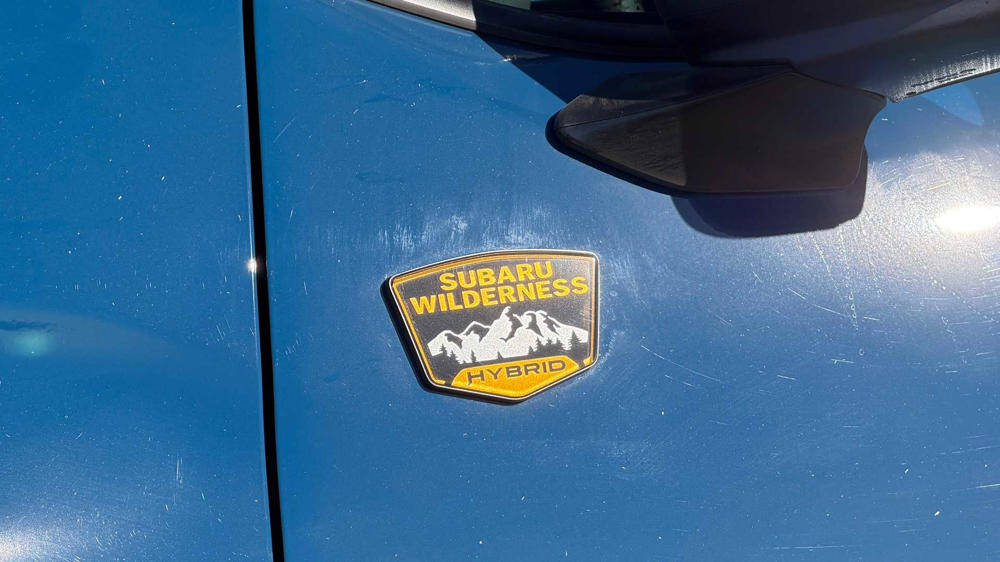
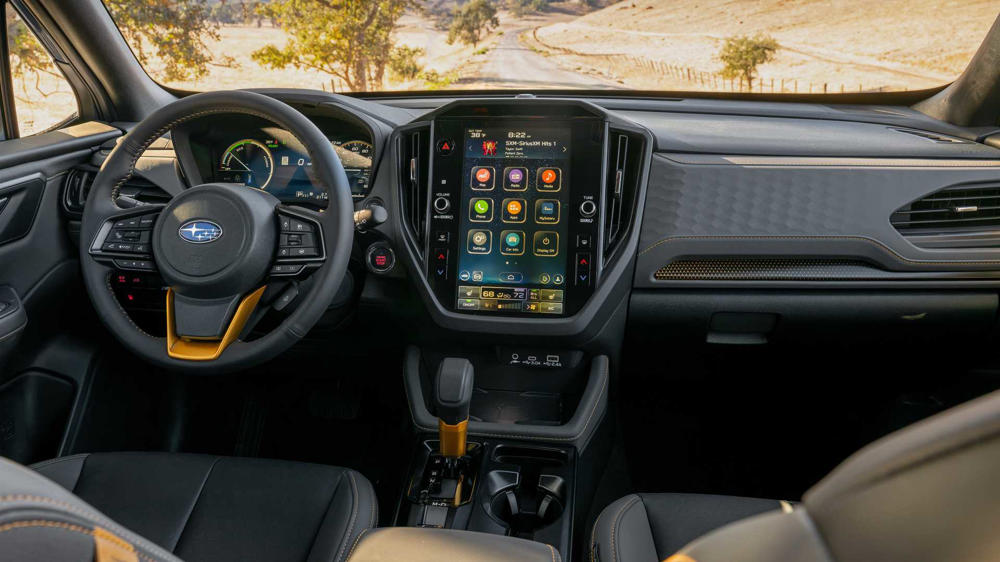
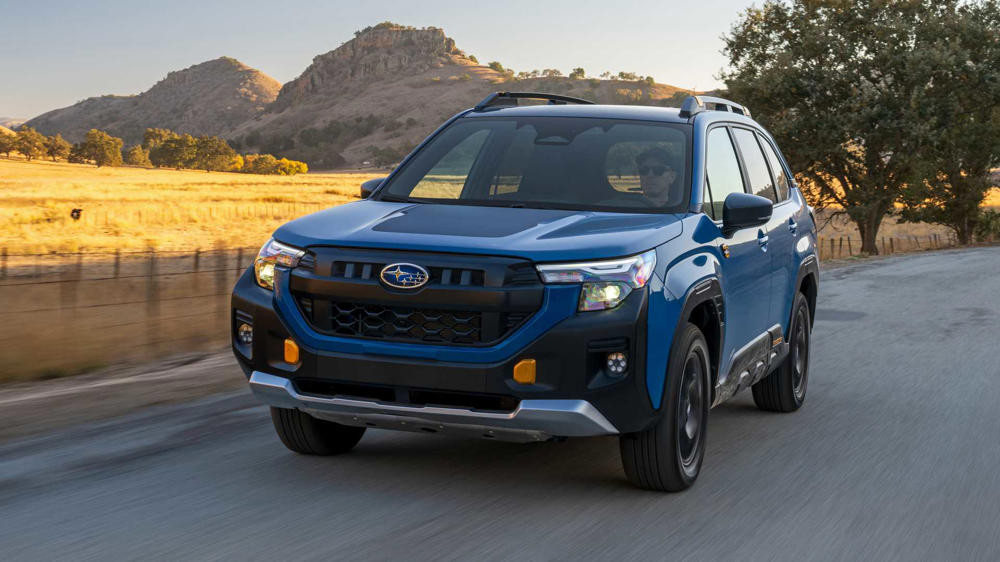
The new hybrid Forester Wilderness begs you to ask yourself what your hobbies truly are. With a wave of new rugged body-on-frame SUVs on the way and a slew of rugged crossovers like this 2027 Subaru Forester Wilderness Hybrid already here, it’s time for off-road enthusiasts to have an honest conversation with themselves about the type of dirty driving they’re doing. For the bulk of this century, enthusiasts have flocked to vehicles not all that far removed from the original Jeep that created the segment. Think rugged, old-school body-on-frame construction, a four-wheel-drive system with low range for steep grades, solid axles for maximum suspension articulation, and knobby tires and locking differentials for grip. These vehicles are often unstoppable off-road, yes, but also not all that great on pavement. Not coincidentally, they’re probably better suited to folks whose hobby is off-roading, not those whose hobbies happen to take them off-road. For that, the new Forester Wilderness Hybrid might just be the perfect fit. The Best of Both Foresters That’s because in creating the Forester Wilderness Hybrid, Subaru took the vehicle we’ve already called the most off-road capable of its cohort and fixed its biggest problem by giving it the Forester Hybrid’s more powerful and efficient powertrain, making it better both on-road and off. That powertrain teams a 162-hp 2.5-liter flat-four with a 118-hp electric motor mounted in the continuously variable transmission’s bellhousing and a 1.1-kWh battery pack located underneath the rear cargo area. It all combines to produce a modest but meaningful 194 hp and a healthy helping of torque (Subaru couldn’t provide a combined torque figure, but it’s almost certainly more than the standard Forester Wilderness’ 178 lb-ft). The upgraded powertrain boosts the Forester Wilderness’ EPA ratings from 24/28/26 mpg city/highway/combined to 33/29/31 mpg. As with all Foresters, the hybridized Wilderness sports all-wheel drive, which, unlike some of its competitors, features a full-time direct mechanical linkage between the front and rear axles for optimal traction. Speaking of traction, on the off-road front, the Forester Wilderness Hybrid gets the same upgrades as the nonhybrid versions. That includes an off-road-tuned suspension with 9.3 inches of ground clearance, X-Mode off-road drive modes, 17-inch wheels with Yokohama Geolandar all-terrain tires, beefed-up underbody cladding, and unique front and rear fascias that give the model approach, breakover, and departure angles of 23.5, 20.6, and 25.5 degrees, respectively. Those are better than not only its direct rivals, but even some of those more traditionally hardcore SUVs, such as most versions of the Toyota 4Runner. While largely just a different combination of existing Forester parts, Subaru did make some notable upgrades in response to customer feedback on earlier Forester Hybrids and Wildernesses. The suspension tune, for instance, has been revised both to account for the extra weight of the hybrid system and to improve ride quality on- and off-road. The AWD system for all 2027 Subaru Foresters also gets some upgrades. On hybrids specifically, more electric motor torque is now available from a stop with X-Mode engaged, which should make climbing steep grades much easier. On all Foresters, the traction control system is updated to better and more smoothly apportion power in low-grip situations. As for downgrades? Well, towing capacity falls from 3,500 pounds to 1,000 (though that should still be plenty sufficient to tow a kayak if you’re averse to putting one on the roof), and you unfortunately lose the full-size spare. Perhaps a spare tire carrier would be the best use of that trailer hitch.

 Liked by Adam Pelletier, Justin Leblanc






 Liked by Adam Pelletier, Justin Leblanc