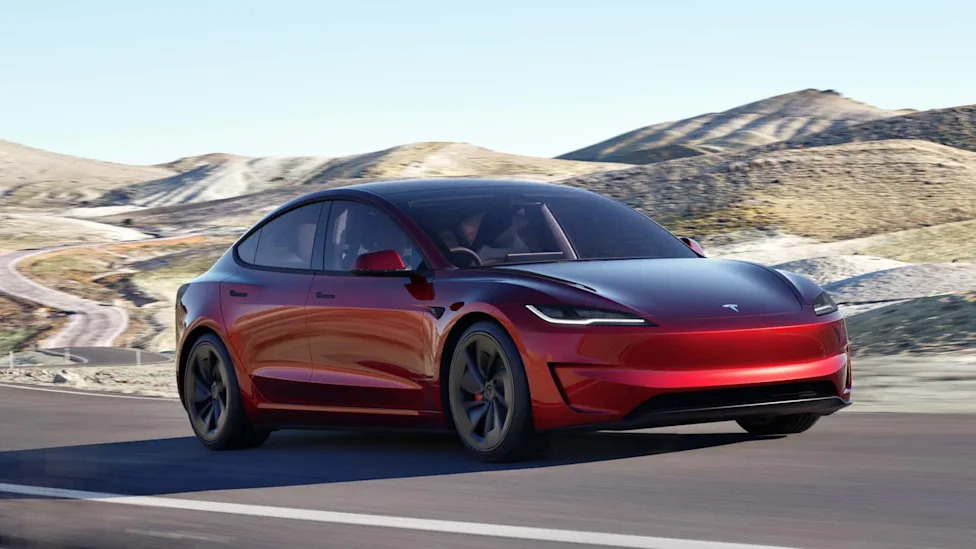
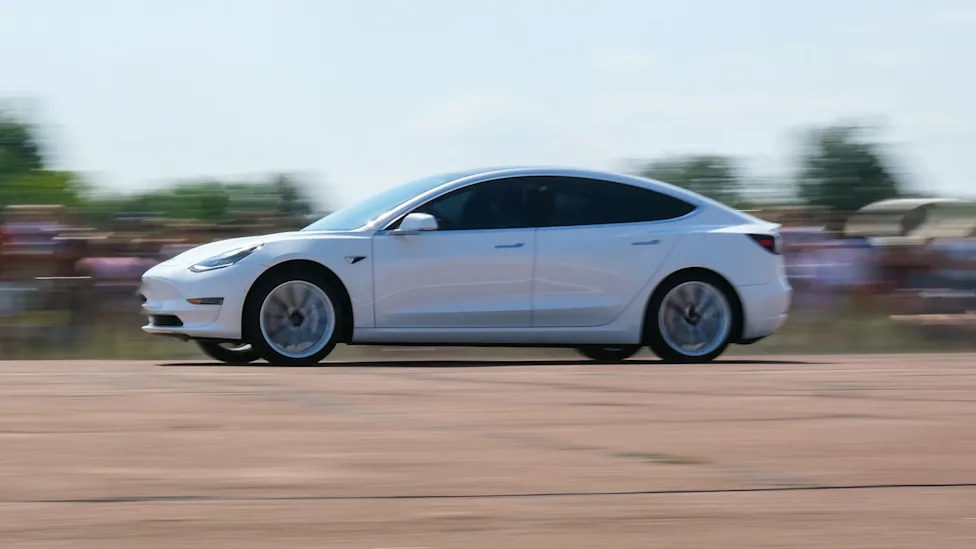
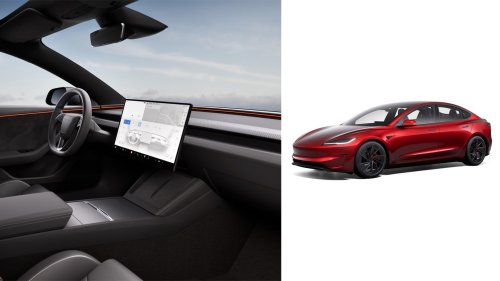
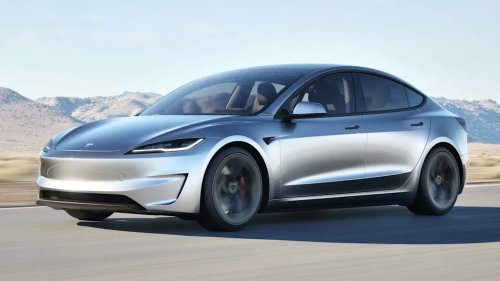
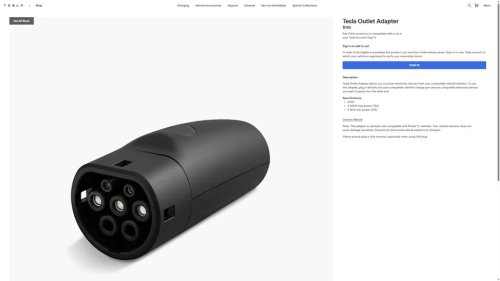
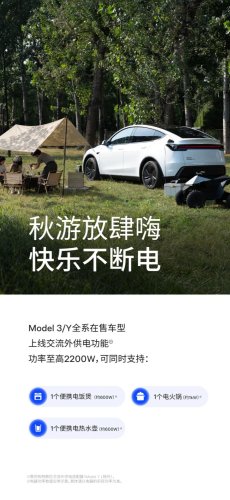
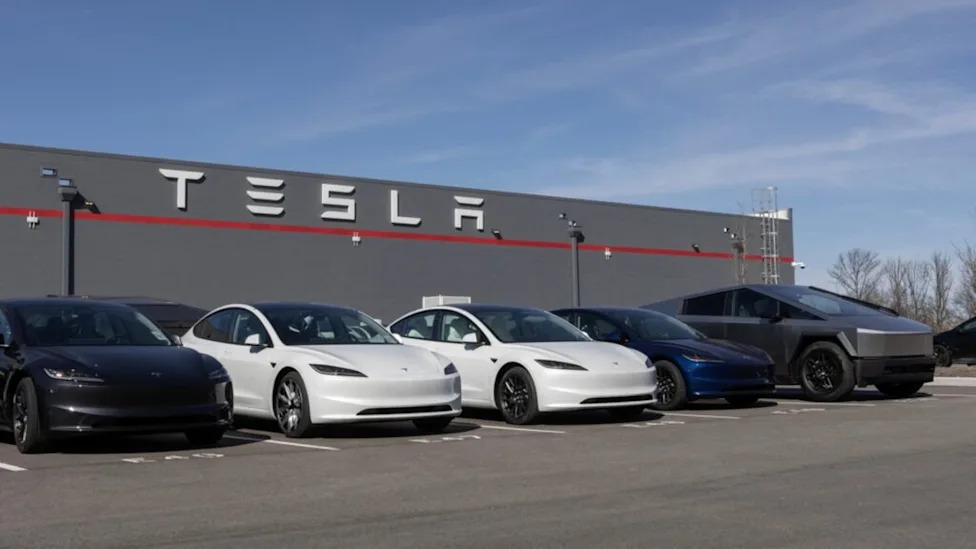
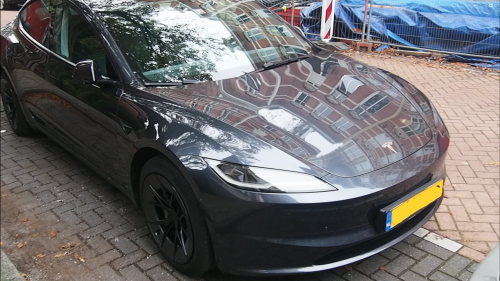
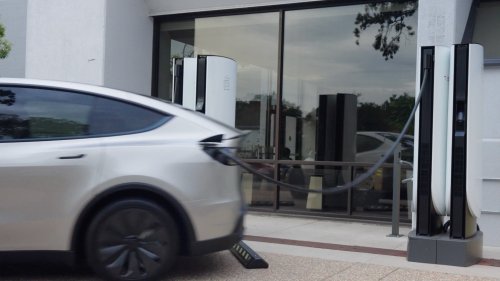
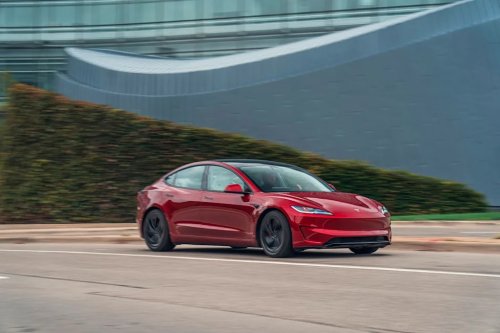
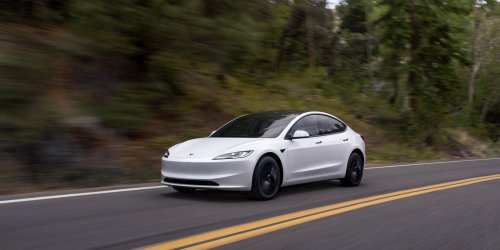
Photo Credit: iStockTesla has begun enabling a limited form of bidirectional power for some Model Y owners, though the feature comes with some important limitations.With an $80 adapter, certain SUVs can serve as a modest backup power source for tools, appliances, or camping gear — but not for an entire home.Here's what to knowAccording to Electrek, Tesla is bringing vehicle-to-load capability to the Model Y Premium and Model Y Performance with a newly listed accessory that works with the Gen 3 Mobile Connector. Once connected, it provides household outlets rated at 20 amps, or about 2.4 kilowatts.AdvertisementAdvertisementThat level of output can cover limited needs like a refrigerator, a space heater, a saw, or campsite gear. Still, this is different from having outlets built directly into the vehicle, and it does not equate to whole-home backup.Electrek also reported that the lower-priced Model Y Standard and all Model 3 versions are excluded, meaning the feature depends both on trim level and on buying the extra accessory.For households looking beyond campsite use, adding battery storage is one of the most effective ways to protect a home during outages, lower energy costs, and potentially go off-grid. It may be worth exploring EnergySage to compare home battery storage options and competitive installation estimates. EnergySage has also teamed up with the electrification brand Qmerit to guarantee you get the best price on home battery storage solutions.More backgroundAgainst the wider electric vehicle market, Tesla's 2.4-kW output is on the modest side. Chevy's Silverado EV can supply up to 10.2 kW, Ford's F-150 Lightning offers between 2.4 kW and 9.6 kW through built-in outlets, and Hyundai has provided 3.6 kW on the Ioniq 5 since 2021.AdvertisementAdvertisementIn other words, Tesla is making some Model Ys more versatile without delivering the kind of outage support many buyers may now associate with bidirectional energy.Home backup is still reserved for the Cybertruck, which can send up to 11.5 kW into a house for multiple days under the right setup. Tesla's own Powershare page still states that "Powershare is not available for Model S, Model 3, Model X and Model Y."A lower-cost, plug-and-play battery can also help address that gap: Pila offers backup options whose plug-and-play batteries are priced at a fraction of what a whole-home backup system would cost.What can be done?"Bidirectional charging" can describe several different functions, including vehicle-to-load, vehicle-to-home, and vehicle-to-grid, and those features do not always come bundled together.AdvertisementAdvertisementHome battery systems can help households get through grid outages, reduce peak energy costs, and make it easier to pair backup power with rooftop solar.Get TCD's free newsletters for easy tips, smart advice, and a chance to earn $5,000 toward home upgrades. To see more stories like this one, change your Google preferences here.



















 +6 others