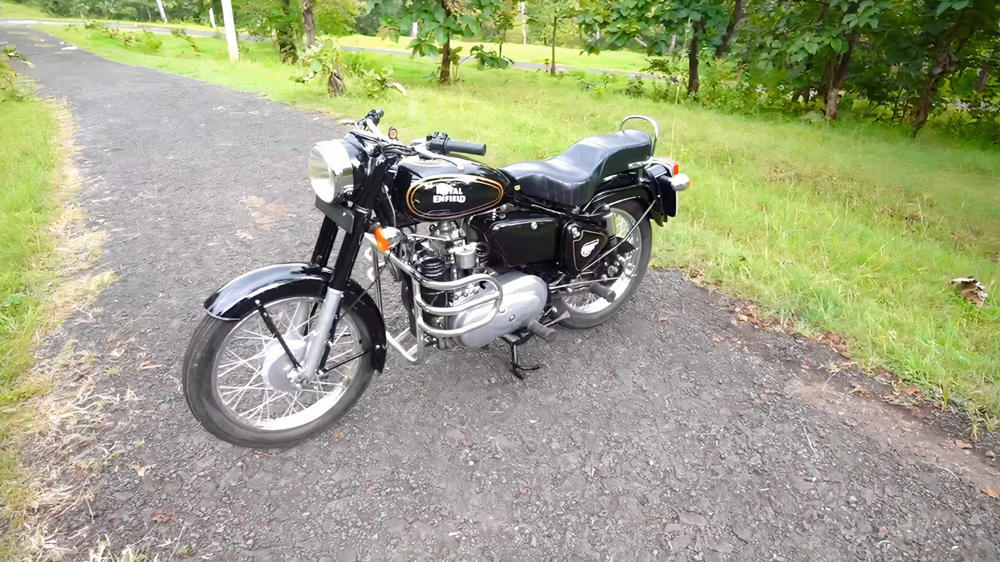
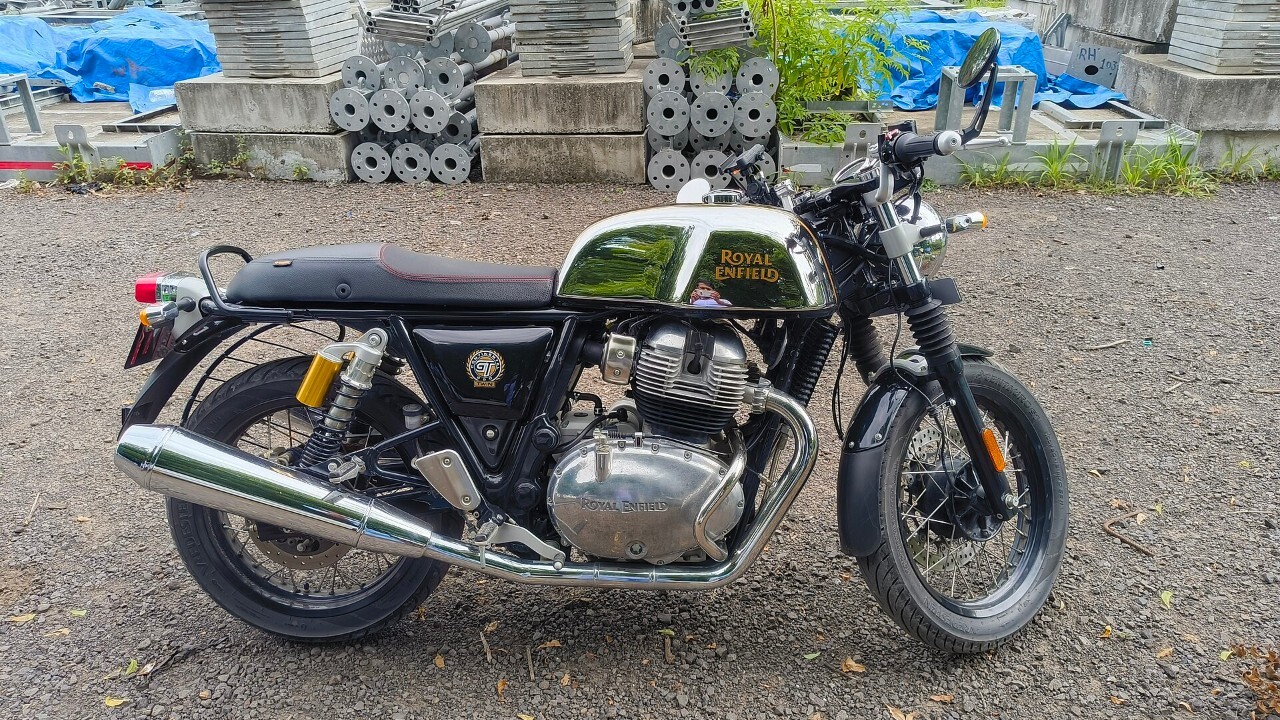
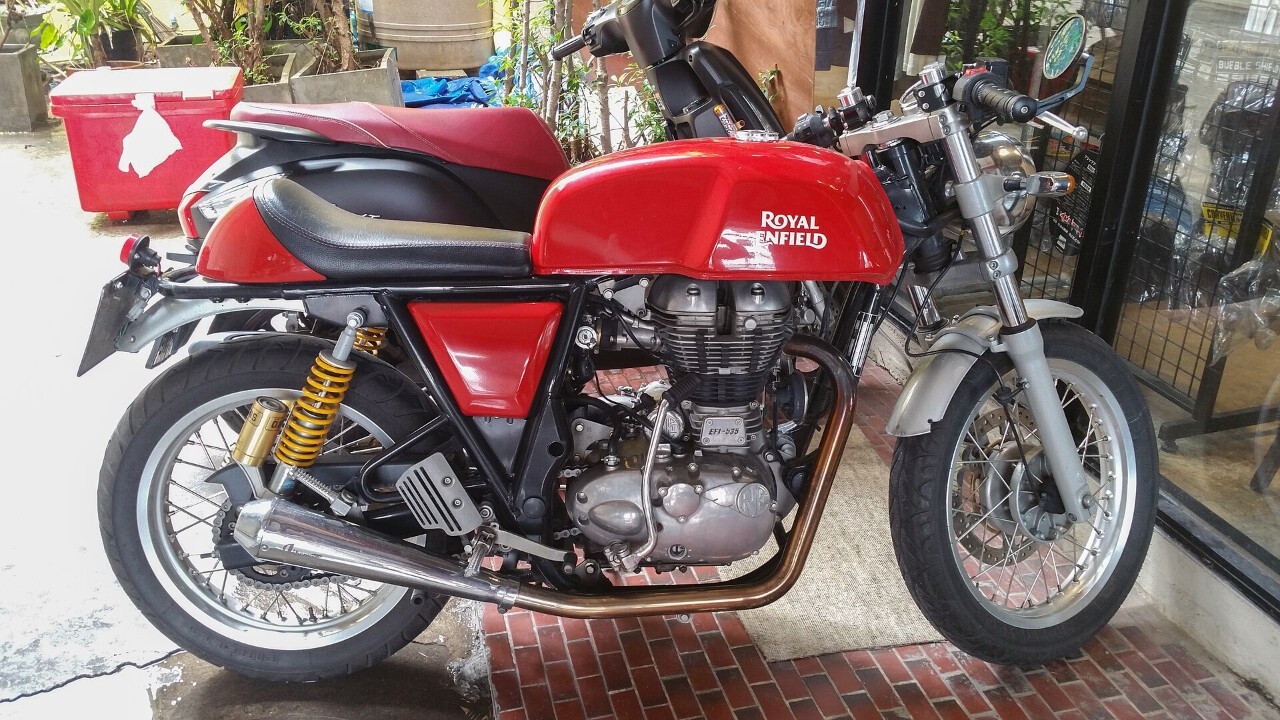
A motorcycle producing just 8.5 horsepower might not sound particularly interesting, especially when it struggles to reach 65 mph. However, there is something rather remarkable about a Royal Enfield-powered diesel motorcycle that reportedly returns as much as 180 miles per gallon. Its appeal has very little to do with speed and everything to do with an engineering decision made decades before the conversion existed. The secret was not an unusually compact diesel engine or an ingenious new transmission. It was the Royal Enfield Bullet’s old-fashioned construction, which kept the engine and gearbox as separate units. This arrangement made an otherwise complicated engine transplant considerably easier, turning a traditional British motorcycle into an unlikely platform for an agricultural diesel engine. How The Royal Enfield Bullet’s Separate Gearbox Made Diesel Engine Swaps Possible The Royal Enfield Bullet’s mechanical layout was already somewhat unusual by modern standards. Rather than combining the engine and gearbox into one crankcase, the traditional Bullet used a separate transmission housing bolted to the rear of the engine. Often described as a pre-unit construction, this arrangement is more accurately considered semi-unit construction, but its practical advantage was considerable. The engine transferred power through a primary chain to the clutch, which was housed in the gearbox input shaft. The gearbox itself remained a separate assembly, complete with its own casing and mounting points. This meant that replacing the original petrol engine did not automatically require replacing or redesigning the transmission. For an engine swap, that was a significant advantage. A suitably adapted industrial diesel could occupy the original engine’s position while the existing clutch, gearbox and final drive arrangement remained largely intact. Mounting dimensions, primary-drive alignment, and engine compatibility still required attention, but the fundamental transmission architecture was already there. Modern motorcycles generally integrate the engine and transmission into a common crankcase. That makes an unconventional engine transplant considerably more complicated. The Bullet’s older arrangement, meanwhile, offered a degree of mechanical flexibility that its designers probably never intended to become so useful. Ernie Dorsett’s Enfield DR400 Was A 412cc Diesel Bullet Conversion One of the most interesting independent attempts to exploit the Bullet’s modular construction came from British engineer Ernie Dorsett. His Enfield DR400 was not a factory-developed Royal Enfield model, but an aftermarket conversion that demonstrated just how easily the traditional Bullet platform could accommodate an industrial diesel engine. Developed with the involvement of Japanese Fuji Robin engine importer Redbreast and UK Enfield importer Bhavana, the motorcycle (also known as the Enfield Robin) combined a traditional Bullet chassis and transmission with a 412cc industrial diesel single-cylinder engine. The diesel engine produced just 8.38 horsepower, making it considerably less powerful than the gasoline-powered Bullet. Its intended application was stationary machinery, where it was designed to operate at relatively consistent speeds while driving equipment such as generators and water pumps. However, its low fuel consumption and straightforward construction made it an interesting candidate for motorcycle use. Performance was never the DR400’s strongest selling point. It could manage around 50-55 mph in normal use, with a reported maximum top speed of 65 mph. Its real attraction was fuel economy, with published claims ranging from around 150 to 180 mpg. The Royal Enfield Taurus Took Diesel Power To Factory Production Dorsett was not the only person to recognize the Bullet’s suitability for diesel power. Royal Enfield itself explored the idea commercially in India, eventually producing the Enfield Diesel, better known as the Taurus. Rather than using the Fuji Robin engine, the factory motorcycle employed a 325cc industrial diesel engine manufactured by Greaves under license from Lombardini. The Taurus produced around 6.5 horsepower, making it even less powerful than the DR400. Its selling point was everyday economy rather than performance, with a claimed fuel efficiency of close to 165 miles per gallon. It was developed around the Bullet’s chassis and gearbox, paired with an engine originally intended for industrial applications. Independent conversions also experimented with larger diesel engines. The F2 Deluxe, for instance, used a 436cc Greaves single-cylinder diesel producing 7.5 horsepower. Its reported maximum speed was around 55 mph, while fuel economy was claimed to be an extraordinary 200 mpg. These motorcycles demonstrate that the Bullet’s modular construction was more than a convenient feature for one unusual engineering project. It provided a practical foundation for several different diesel configurations. The Taurus was eventually discontinued as tightening emissions regulations made these relatively crude diesel engines unviable. The Downsides Of Owning A Diesel-Powered Royal Enfield Bullet Fuel economy figures approaching 180 or even 200 mpg sound extraordinary, but there was a reason these diesel Enfields never became a mainstream alternative to conventional gasoline-powered motorcycles. Their industrial engines were designed primarily for stationary applications, not the constantly changing operating conditions for road traffic. The first compromise was vibration. Large, slow-revving single-cylinder diesel engines generate considerable mechanical vibration, and the Bullet’s relatively basic construction did little to disguise it. Reviews describe the riding experience as considerably less refined than riding a conventional gasoline-powered motorcycle. Throttle response was another limitation. These engines were designed to work within a relatively narrow operating range, rather than deliver the broad rev range and responsiveness expected from a motorcycle engine. Acceleration was consequently leisurely, overtaking required planning, and maintaining higher cruising speeds was not particularly comfortable. Then there was the exhaust. Older industrial diesel engines could produce considerably black smoke under load, making the motorcycles far less environmentally friendly than their impressive fuel consumption suggested. The economics were appealing, particularly for riders covering long distances at modest speeds. However, the compromises were difficult to overlook. The diesel Enfields were fascinating examples of mechanical ingenuity, but they were never performance motorcycles. Their greatest achievement was demonstrating just how an old-fashioned gearbox layout a completely different engine platform.

 Liked by Emily Roy, Daniel Smith
 Liked by Emily Roy, Daniel Smith