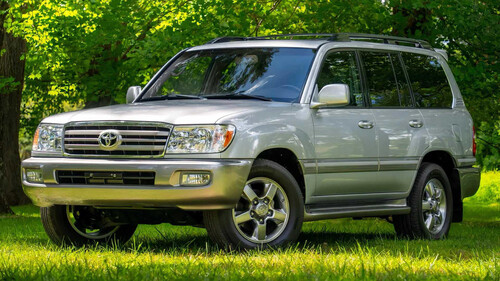
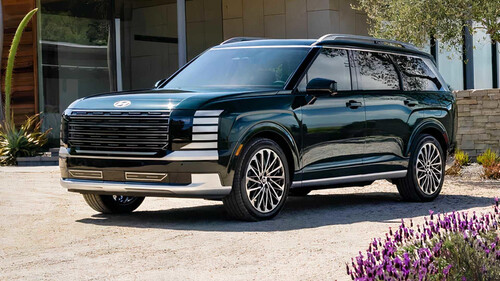
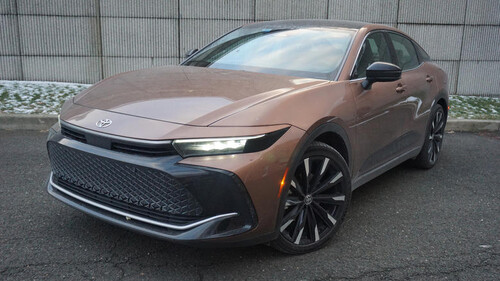
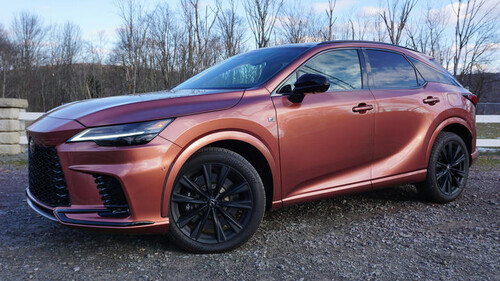
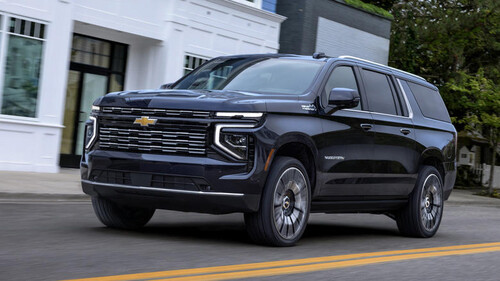
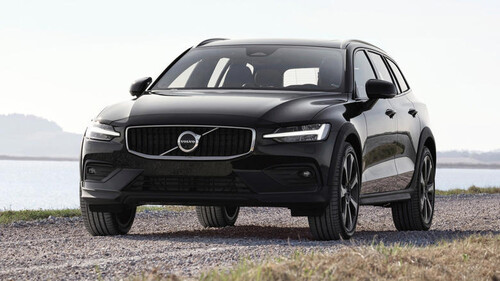
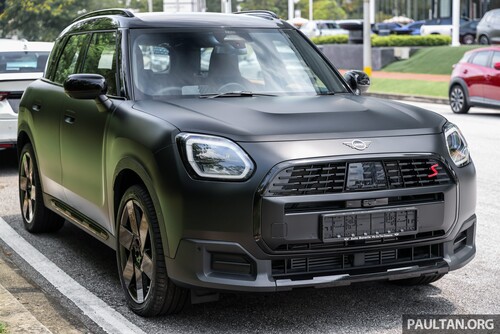
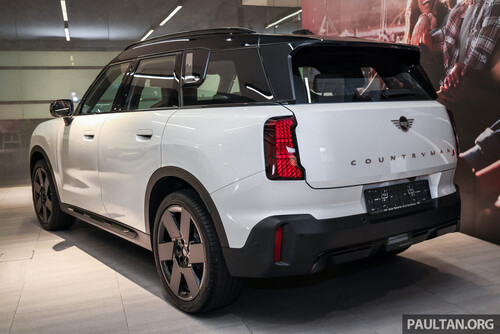
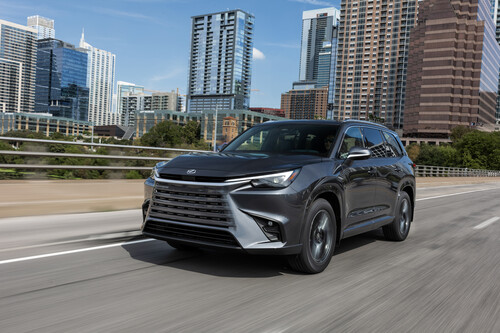
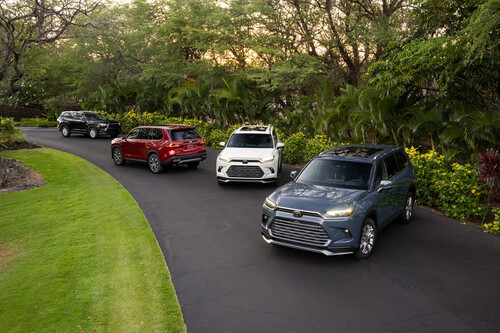
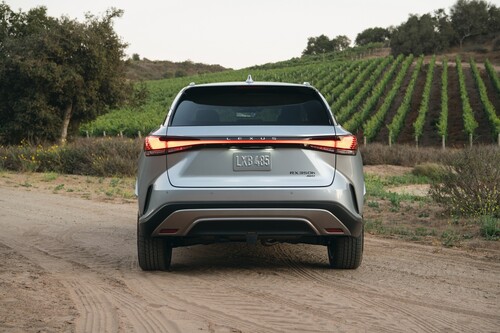
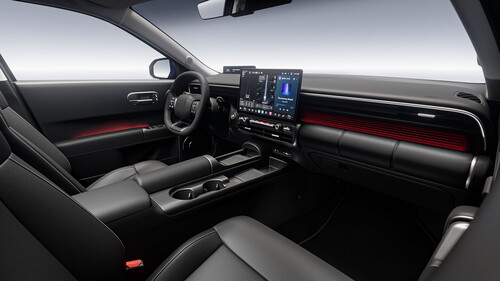
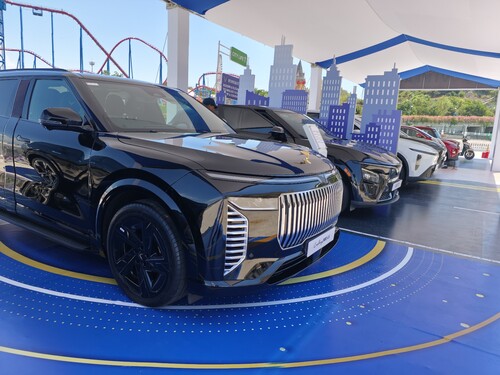
How Norway championed clean tech without ever breaking constitutional neutrality I just send condolences to my Tita Marita who is a Norwegian on the passing of her king, Harald V of Norway who died on August 28, 2026, at 89. His passing closes a 35-year reign for a monarch remembered for his warmth, his maritime skill, and his commitment to social inclusion. His son now rules as King Haakon VIII. We who are in cleantech circles owe him a second obituary. Harald presided over the fastest, most complete shift to electric mobility any developed economy has managed. Norway sells more than 90% of its new passenger cars as EVs now. Tax breaks explain part of that. They don’t explain all of it. Let’s frame that with this declaration he made in New Year’s Eve, 2022: “This is truly an area where we need each other. Because we are all equally dependent on our earth. And climate change does not stop at national borders.” The rest of the explanation is harder to point to: three decades of a constitutionally silent monarch quietly making green the default without ever legislating a thing. Soft power vs. hard policy Norway’s constitution keeps the monarch out of politics, full stop. Harald could never stand before the Storting and push for an EV subsidy. What he could do was drive one. As battery-electric and plug-in hybrid technology matured, the Royal Household’s official transport gradually went electric, and royal estates picked up energy upgrades along the way. Nobody legislated any of that. When the King showed up to a public ceremony in an electrified car, Norwegians read the signal without needing it spelled out: this technology is dignified now, reliable now, normal now. Worth being honest about the limits of that claim, though. There’s no public record of Harald personally signing off on fleet procurement. What’s documented is the outcome — a royal household that was very visible with rest of the country — and the effect that had on how people saw the technology. Everything past that is informed inference, not reporting, and I’m flagging it as such. Decades of environmental advocacy Harald’s environmental record goes back further than EVs do. He spent roughly 20 years as president of WWF Norway, doing marine conservation and biodiversity work back when climate change barely registered as a political topic. His clearest public statements on climate came in his New Year’s addresses. He turned to the anxiety showing up in his mail from younger Norwegians: “Many young people write to me expressing concern that not enough is being done to protect nature and combat climate change… [They] are losing patience with adults who aren’t taking strong enough action, fast enough.” Notice what neither quote does: endorse a policy. What they do is validate a concern, which turns out to be the whole move. Harald folded climate anxiety into friluftsliv, the outdoor-life ethic Norwegians already treat as a birthright, and in doing so made environmental protection an identity question rather than a partisan one. You don’t get much ideological backlash against a value everyone already claims as their own. Norway never had a culture war over EVs In the US, the UK, and Australia, EV adoption turned into culture-war territory. Norway skipped that fight almost entirely. Left- and right-leaning governments alike kept the country’s EV incentives intact for decades without anyone blowing them up for votes. Let’s look at the numbers under Harald’s reign: EV share of new car sales: under 1% in 2010, 97.6% in the first half of 2026, per Norway’s Road Traffic Information Council (OFV); Norway’s electric passenger car fleet crossed one million vehicles in June 2026; New-car registrations overall actually fell about 2.9% year-over-year in H1 2026, mostly from new VAT rules on EVs phasing in — even as EV share of that smaller market kept climbing; EV’s received core incentives: VAT and registration tax exemption, reduced ferry fares, toll discounts, bus lane access; and as I mentioned earlier, the Royal Household clearly phased-in fleet electrification, solar and heat-pump work at royal estates There’s a second number most EV-adoption coverage skips: the grid those million-plus EVs actually plug into. Norway runs on roughly 98% renewable electricity, about 88-89% of it hydropower, per figures from the Norwegian energy ministry and the IEA — a mix that predates the EV boom by decades. This is the part of the “Norway model” nobody else can just copy. The UK, Germany, and the US are electrifying transport on grids that still burn a lot of fossil fuel. Norway was charging EVs off a clean grid from day one. The 97.6% headline looks even better once you know what’s actually behind the socket. None of that policy stability traces back to Harald personally. But a monarch who’s respected across the political spectrum, talking every New Year about climate change, ocean microplastics, and biodiversity loss as a father-of-the-nation figure rather than a politician, makes outright climate denial a much harder sell in public. Policy fights over the details still happen. And because this is Norway, such things just don’t get weaponized the way they do elsewhere. A message to Washington Weaponization of clean energy and environmental issues, well that has become the expertise of some countries. North Korea, Russia, some Arab states and still other States. Through a 2025 reconciliation bill, Washington abruptly terminated the $7,500 federal EV tax credit, killed home charger incentives, and accelerated the phaseout of residential solar and heat pump credits that were supposed to run into the next decade. That overnight reversal stranded capital that automakers had already sunk into domestic battery plants, upended dealer inventory strategies, and pulled the rug out from under buyers with only weeks of notice. The whiplash extends far beyond personal vehicles. Since March 2026, the federal government has spent roughly $4 billion in taxpayer funds buying out developers to cancel offshore wind projects, explicitly redirecting that capital into LNG export terminals, gas turbines, and expanded drilling. Simultaneously, under ongoing national energy emergency declarations, executive orders have directed the military to purchase coal power and forced aging, broken coal plants in states like Michigan and Pennsylvania to stay open past scheduled retirements. Ratepayers and state regulators are left absorbing the cost of keeping 50-year-old fossil assets alive while clean energy infrastructure is dismantled with public money. Scrapping EV credits, paying billions to cancel wind farms, and keeping retiring coal plants running by a presidential decree is not a coherent market correction. It is the federal government picking winners just as aggressively as any green mandate it claimed to replace, executed with an erratic speed that makes long-term planning impossible for automakers, utilities, and homeowners alike. Norway never out-engineered the United States on battery chemistry or grid technology; it simply refused to treat energy transition policy as a partisan football. If Washington wants durable results, the primary asset it needs to import is patience. What happens now King Haakon VIII, Norway’s new monarch. (Photo from the Royal Historian, Instagram) Norway’s quiet, electric streets are a real tribute to Harald’s reign, and Norway’s patience. The soft-power framing survives scrutiny better than most royal-legacy writing does. The King didn’t lobby. He didn’t legislate. He just kept modeling the same behavior long enough that it stopped being a statement and became the default. Whether that model survives him is the actual open question. Haakon VIII inherits the same constitutional limits his father worked inside, plus a Norwegian public that’s never lived through an EV transition without a monarch quietly standing behind it. Whether he picks up that same understated advocacy — or whether Norway’s climate consensus turns out to have depended more on one man’s 35 years of consistency than anyone realized — is worth watching closely from where I am. Where we are.