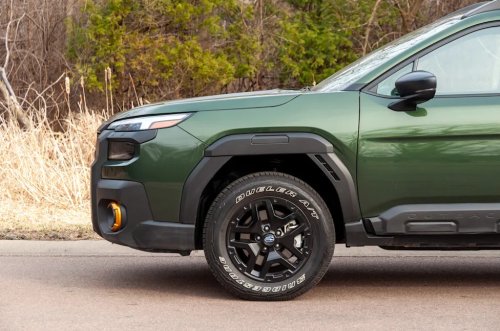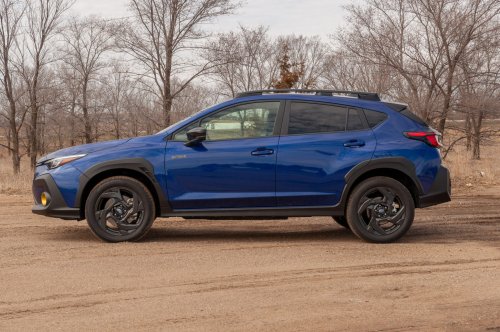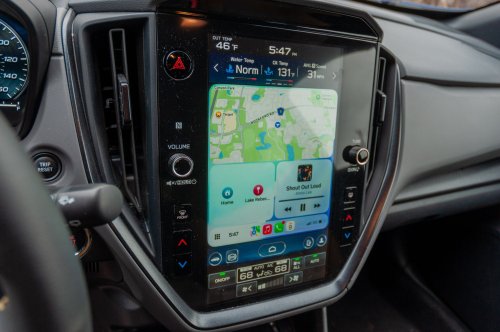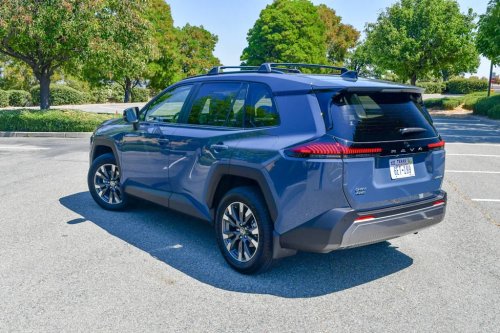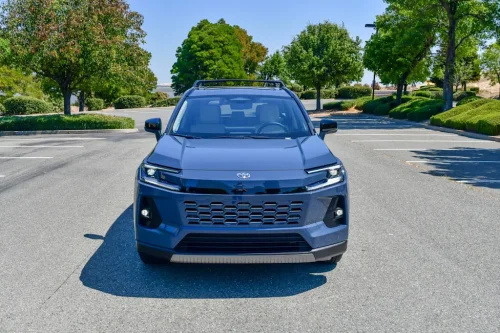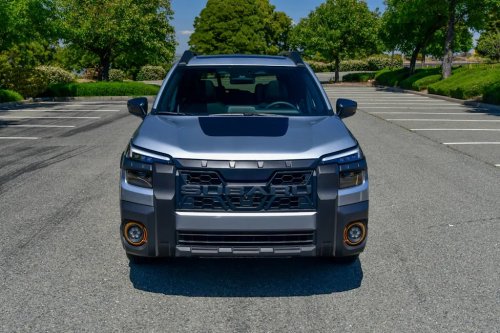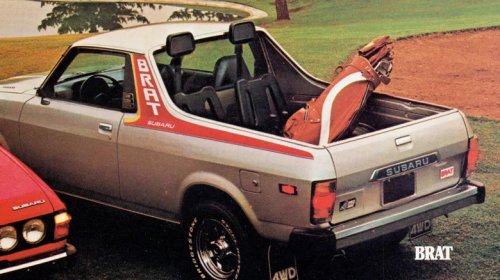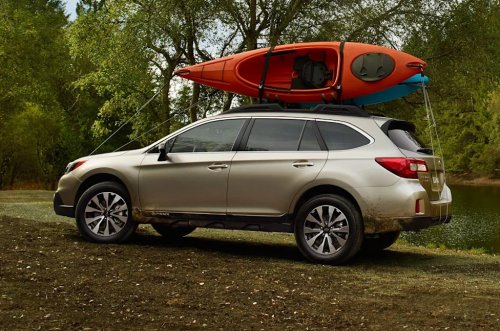
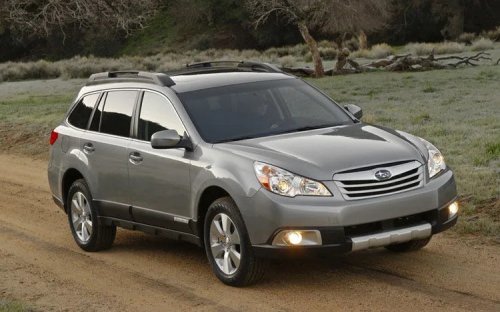
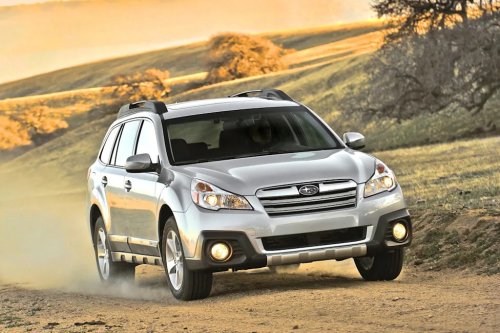
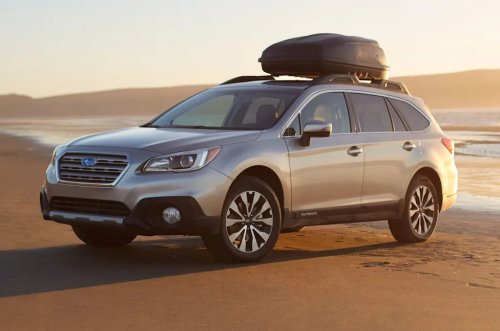



















Best Subaru Outback Years to BuySubaru (Subaru)The Subaru Outback has been around in the U.S. in various forms since 1994, but it only really became what people think of it today since the 2010 model year, when it emerged as a single, focused model. In its time on the market, most have traditionally thought of the Outback as a wagon, but in recent years it's morphed into what's essentially now a midsize crossover SUV.Call it whatever you want; the Subaru Outback has gained legions of fans thanks to its versatility, all-wheel-drive capability, and a reputation for safety and reliability. But like any other vehicle, some Outback model years are better to own than others. We took a hard look at the Outbacks offered since 2010 to help you sort out which ones are worth owning as well as the ones you're probably better off avoiding.1) 2010–2014 Subaru Outback: 2012 Is the Best Model Year to OwnPhoto credit: SubaruThe fourth-generation Outback was the moment Subaru got serious about turning the Outback into its own thing, and from there it began its journey to becoming what's now a midsize SUV. Before that, it was basically a lifted Legacy wagon and sedan. Fans did bemoan the change at first, but the new Outback eventually won them over by keeping the versatility and off-road capability people loved without the trucklike drawbacks of more traditional SUVs.AdvertisementAdvertisementIn this generation, the 2012 Outback stands out as the most reliable model year, both among enthusiasts and according to sources like J.D. Power. The 3.6-liter H-6 paired with the five-speed automatic is widely seen as the most durable combo in the lineup, avoiding both the lower-powered 2.5-liter H-4 and the early problems tied to Subaru's Lineartronic continuously variable transmission (CVT). If you want to row your own gears, the 2010–2012 models equipped with the EJ253 2.5-liter H-4 and six-speed manual are the ones to hunt down.2) 2010–2014 Subaru Outback: Avoid the 2013 and 2014 Model YearsPhoto credit: SubaruThe early CVT-equipped versions are a big reason the fourth-generation Outback has a mixed reputation for reliability. Owners commonly reported shuddering and even engine stalling caused by problems with the torque converter and lock-up clutch. Early models also had inadequate CVT cooling, which could lead to overheated fluid during sustained hill climbs or while towing. But the bigger problem was the FB25B 2.5-liter H-4 engine used in the 2013 and 2014 model years. This engine was part of Subaru's newer generation of flat-fours and was meant to replace the EJ series. While it brought some improvements, it also suffered from defective piston rings that caused excessive oil consumption. The issue became serious enough to trigger a class-action settlement in 2016, with Subaru extending warranty coverage from five years or 60,000 miles to eight years or 100,000 miles. Once fixed, the FB25B became a more dependable engine and eventually evolved into the direct-injected FB25D.3) 2015–2019 Subaru Outback: 2016 and 2017 Model Years Are the BestPhoto credit: SubaruThe fifth-generation Outback arrived with the 2015 model year and quickly earned a reputation as one of the more reliable Subarus. The FB25B 2.5-liter engine got improved piston rings to address its oil consumption issues, and the Lineartronic CVT became smoother, even if the fake shifts still felt a little odd. Sadly, if you wanted a manual transmission, this was the point where that option disappeared, along with the traditional automatic.If you want the sweet spot of the fifth generation, look at the 2016 and 2017 model years. These versions benefited from Subaru ironing out the usual first-year issues some experienced with the 2015 model. They also got suspension improvements that helped ride quality on the Limited trim, plus steering revisions that improved overall feel.4) 2015-2019 Subaru Outback: Avoid the 2018 Model YearPhoto credit: MotorTrendThe one to avoid here is the 2018 model year Outback. Most of its trouble spots come from its electrical and infotainment systems. The touchscreen can delaminate, which leads to the dreaded ghost-touch issue. At that point, the real fix is usually replacing the unit with either a new Subaru part or an aftermarket head unit.AdvertisementAdvertisementBattery drain has been another common complaint, usually caused by the Data Communication Module, or DCM, for the Subaru Starlink system failing to enter sleep mode. Some owners temporarily solved the issue by pulling the dedicated fuse, which is something you should check during an inspection. In the under-hood fuse box, look for the 7.5-amp orange mini-fuse in position nine labeled DCM. If it's missing, the module may have failed or may never have received the update needed to fix the sleep-mode problem.Some owners have also reported CVT failures in this generation, though many of those cases appear tied to inconsistent maintenance. Subaru was not always clear about when CVT fluid should be changed, and some dealers even warned that fluid changes, especially power flushes, before 100,000 miles could void the warranty. In general, a drain-and-fill service is considered safe for Lineartronic CVTs, with 60,000 to 100,000 miles often viewed as the ideal interval.5) 2020–2025 Subaru Outback: 2021 to 2025 Are the Best Model YearsPhoto credit: MotorTrendThe sixth-generation Outback debuted for the 2020 model year and marked the latest step in the model's evolution from wagon to SUV. Subaru pushed it further in that direction by raising minimum ground clearance to 8.7 inches. At the same time, the 3.6-liter H-6 was dropped in favor of Subaru's more efficient 2.4-liter turbocharged H-4 engine, known as the FA24F. The base engine remained the 2.5-liter FB25D, paired with the latest version of the Lineartronic CVT with simulated eight-speed shifting.Even though this generation started with the 2020 model year, the better picks are 2021 through 2025. These later models are generally more refined and avoid many of the headaches that come with a first-year vehicle. By 2021, many of the early glitches involving electronics and the powertrain had been sorted out. The 2024 and 2025 models may also still have bumper-to-bumper warranty coverage if they are under 36,000 miles, while all years in this generation may still have powertrain coverage if they are under 60,000 miles.6) 2020-2025 Subaru Outback: Stay Away From the 2020Photo credit: MotorTrendIf there is one sixth-generation Outback to skip, it's the 2020 model. Even if some examples still have powertrain warranty coverage depending on mileage, this is the model year with the most baggage. Many of its issues mirror the 2018, especially phantom battery drain caused by the DCM and persistent infotainment problems. The good news is that software updates and module reprogramming often solve them.AdvertisementAdvertisementIf the infotainment screen still lags, freezes, or goes blank despite a documented update history, it may need replacement. Other screen-related issues include unresponsive climate controls and rearview camera failures. The rearview camera was also part of a recall issued in December 2020.Another known weak spot on the 2020 Outback is the windshield. Some owners have reported cracks caused by minor road debris or sudden temperature changes. That problem led to a class-action lawsuit over certain qualifying cracks, and Subaru extended warranty coverage for affected windshields. Because the automaker's EyeSight advanced driver assist system relies on cameras mounted near the windshield, recalibration must be done during replacement, or the system may not work properly.The 2020 CVT can also feel rough, with a sluggish response or shuddering during acceleration, and in some cases that can lead to center differential damage. A more serious issue was addressed in a July 2022 recall involving the drive chain. If the gear selector was moved into drive or reverse immediately after startup, the F/R clutch could engage too quickly and break the chain. Subaru responded by reprogramming the transmission control unit, and in some cases the entire transmission may have been replaced under the recall.