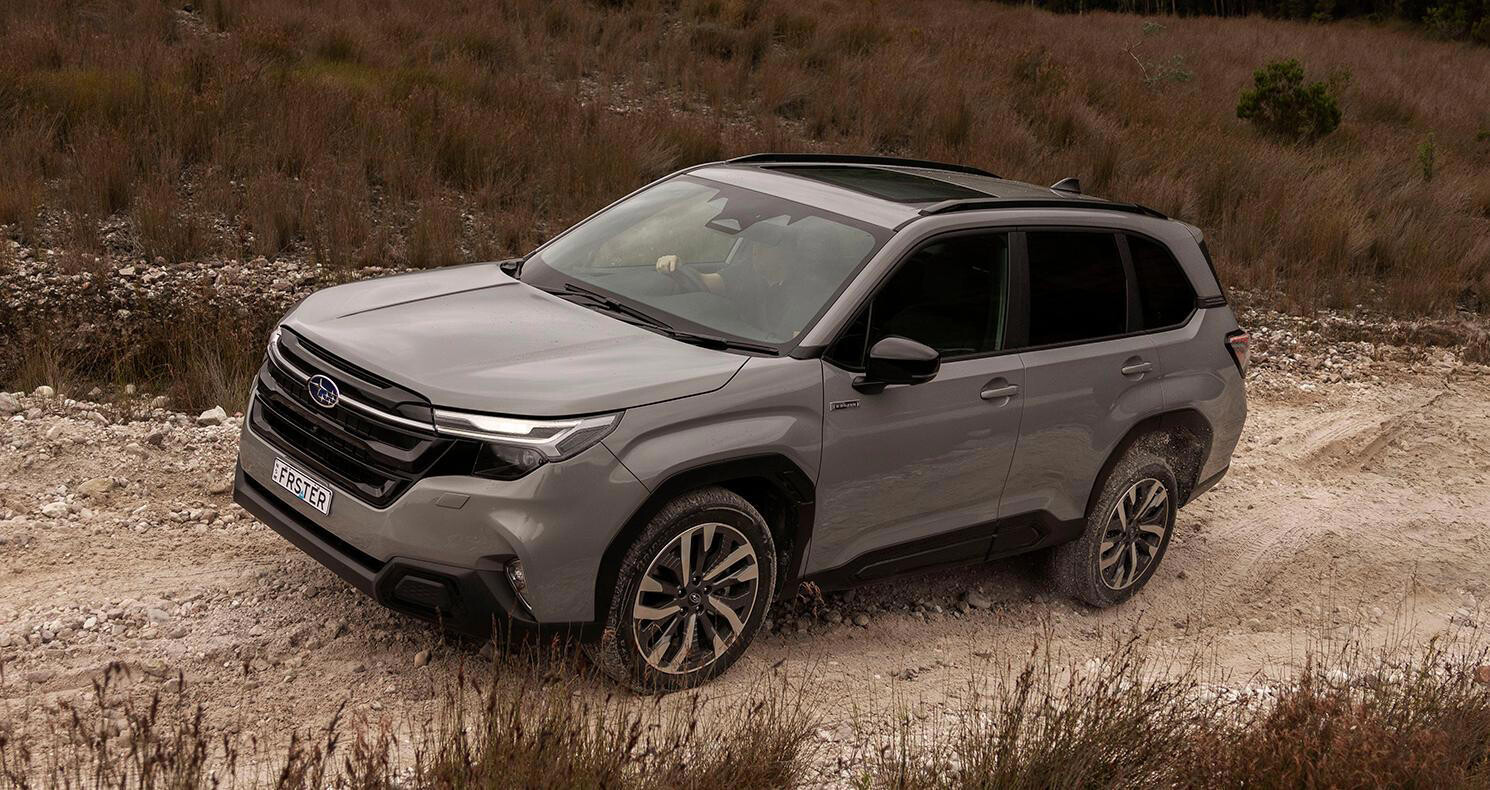
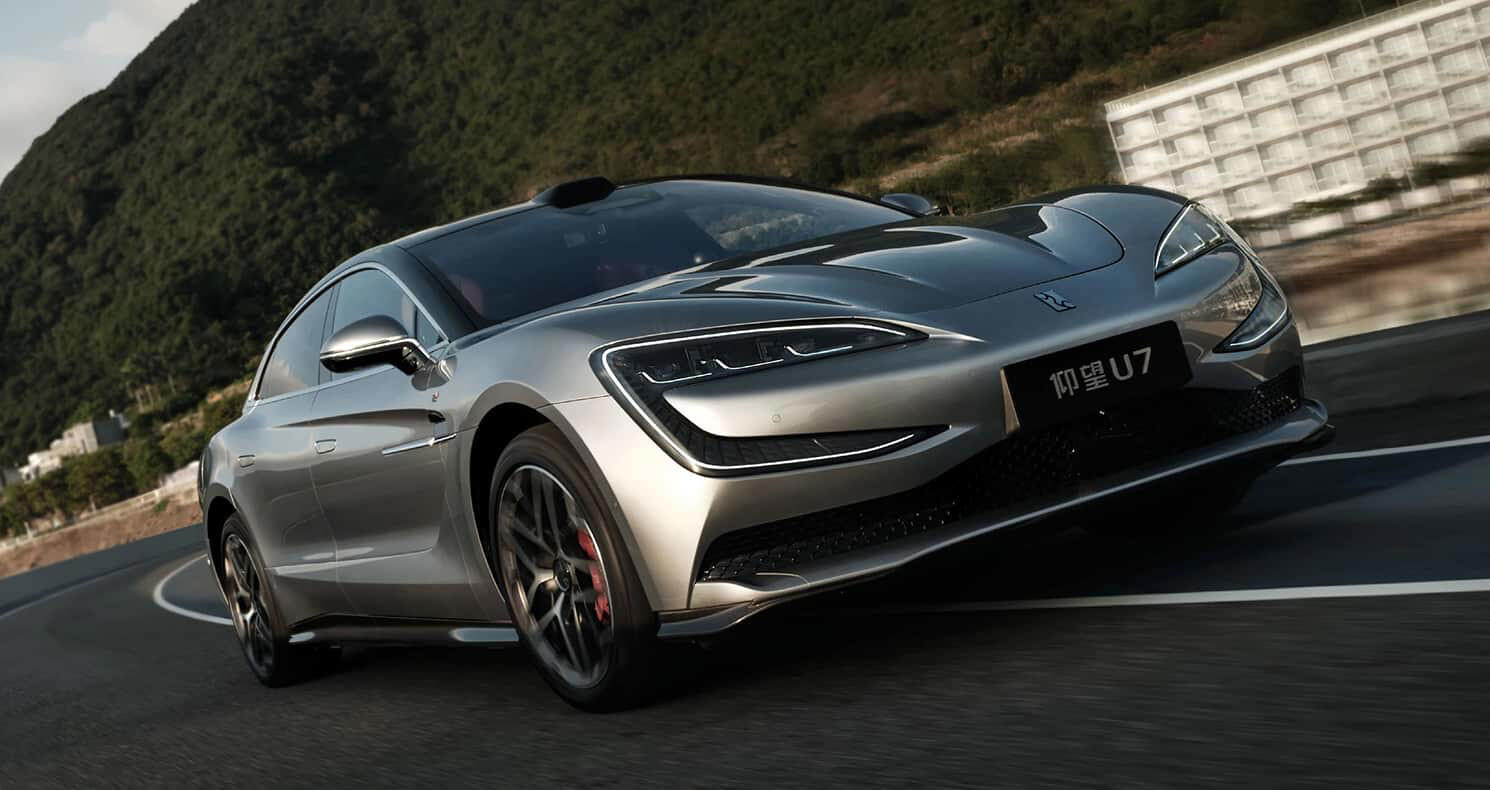
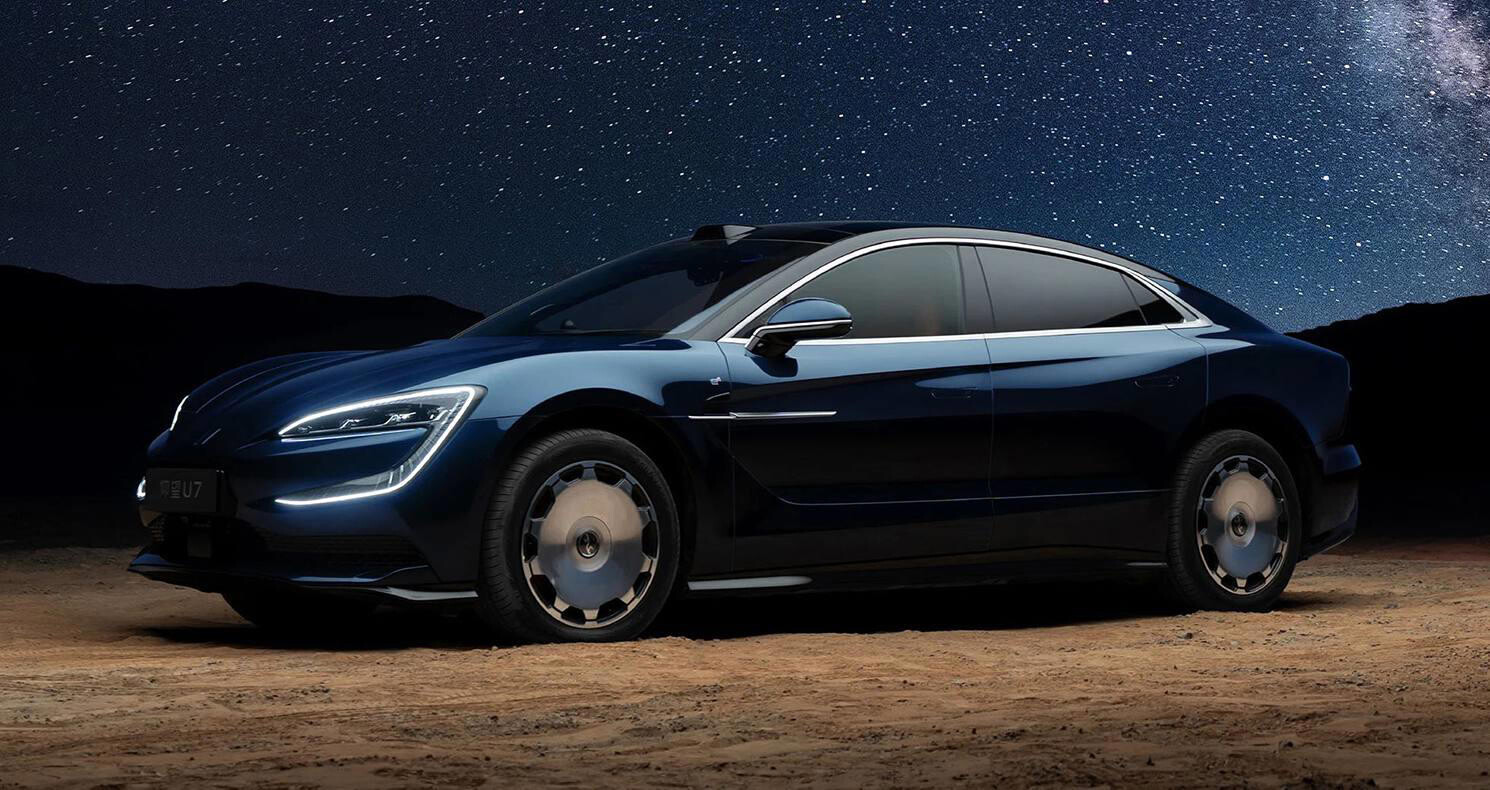
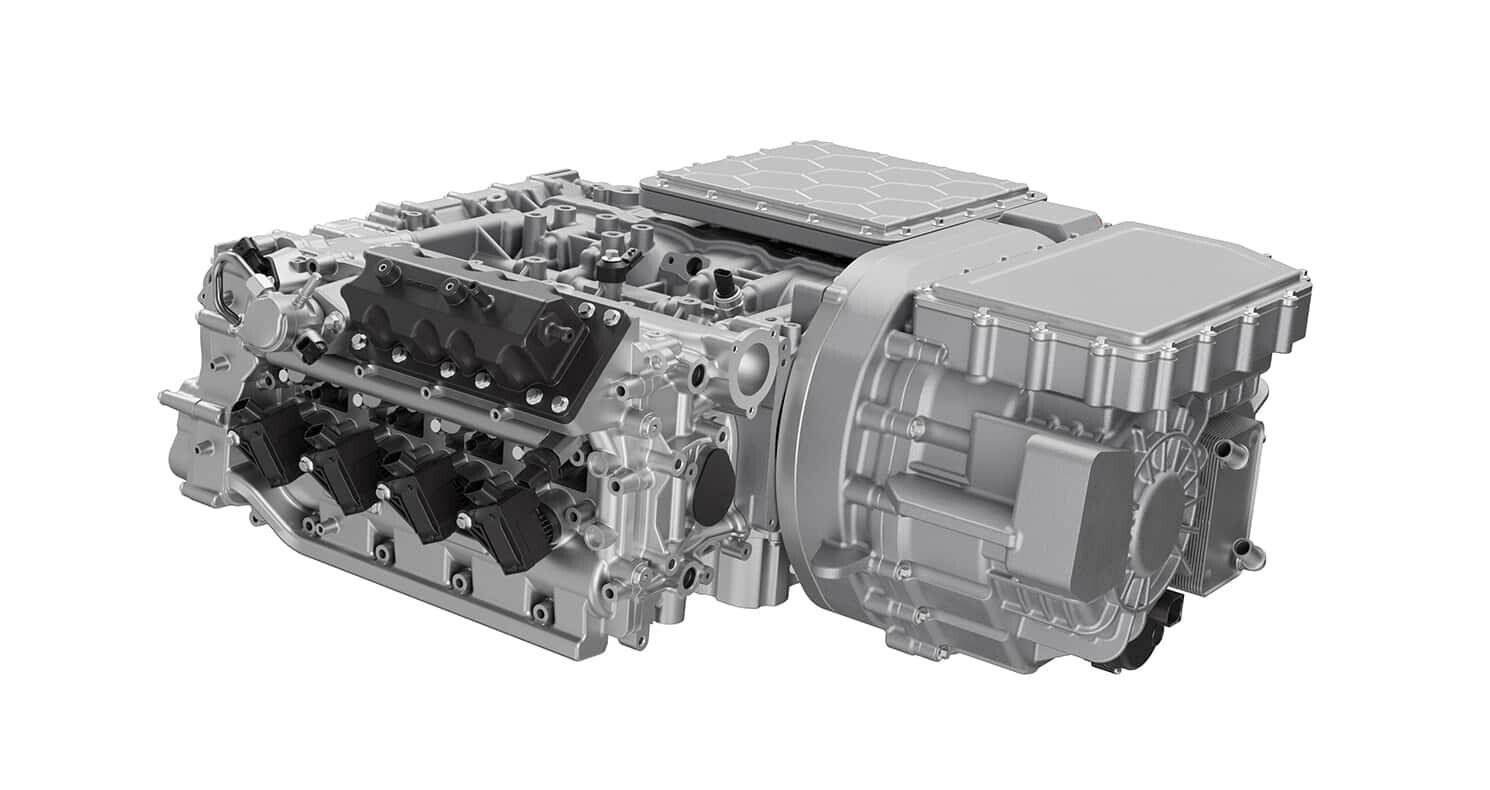
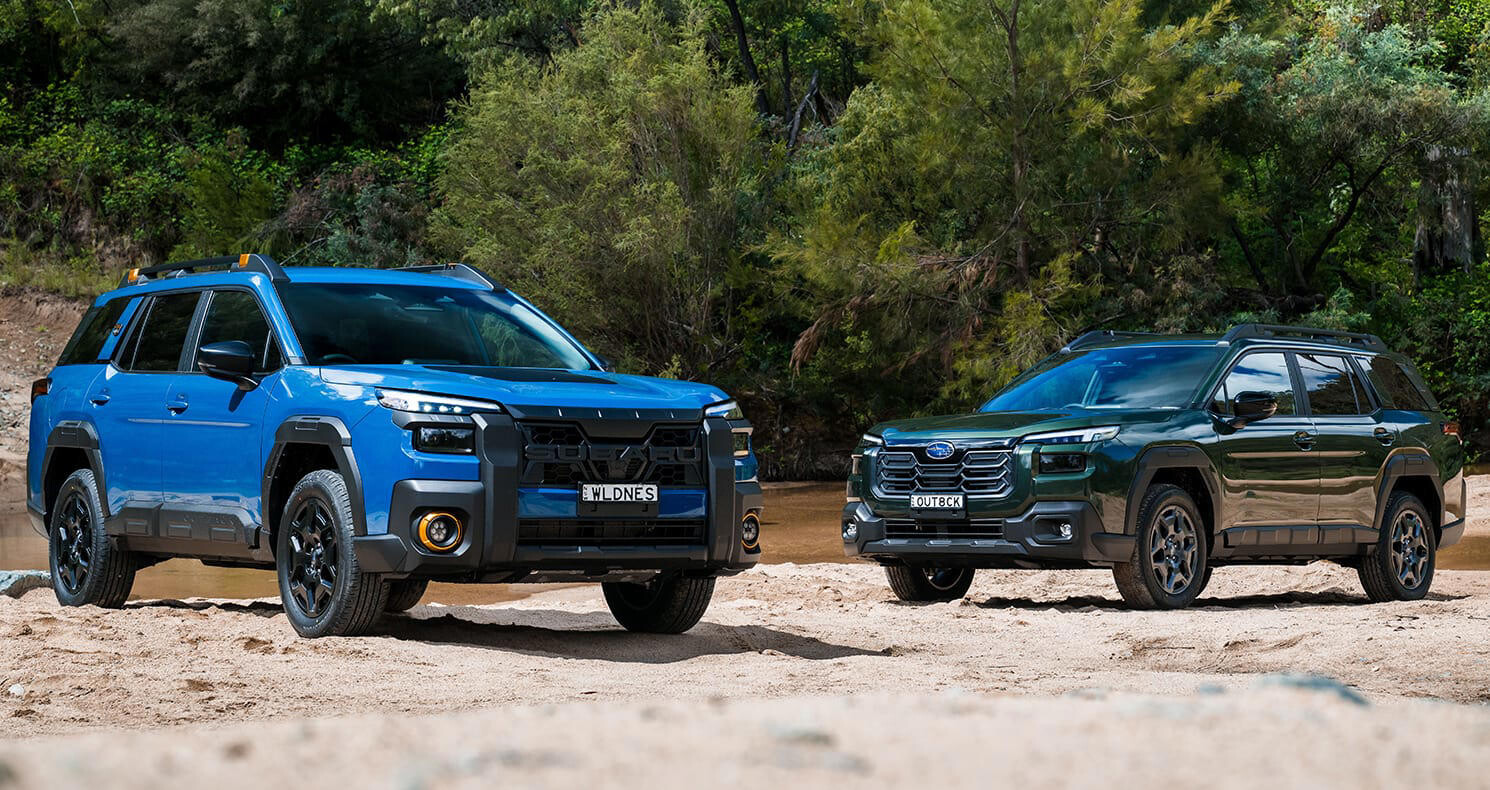
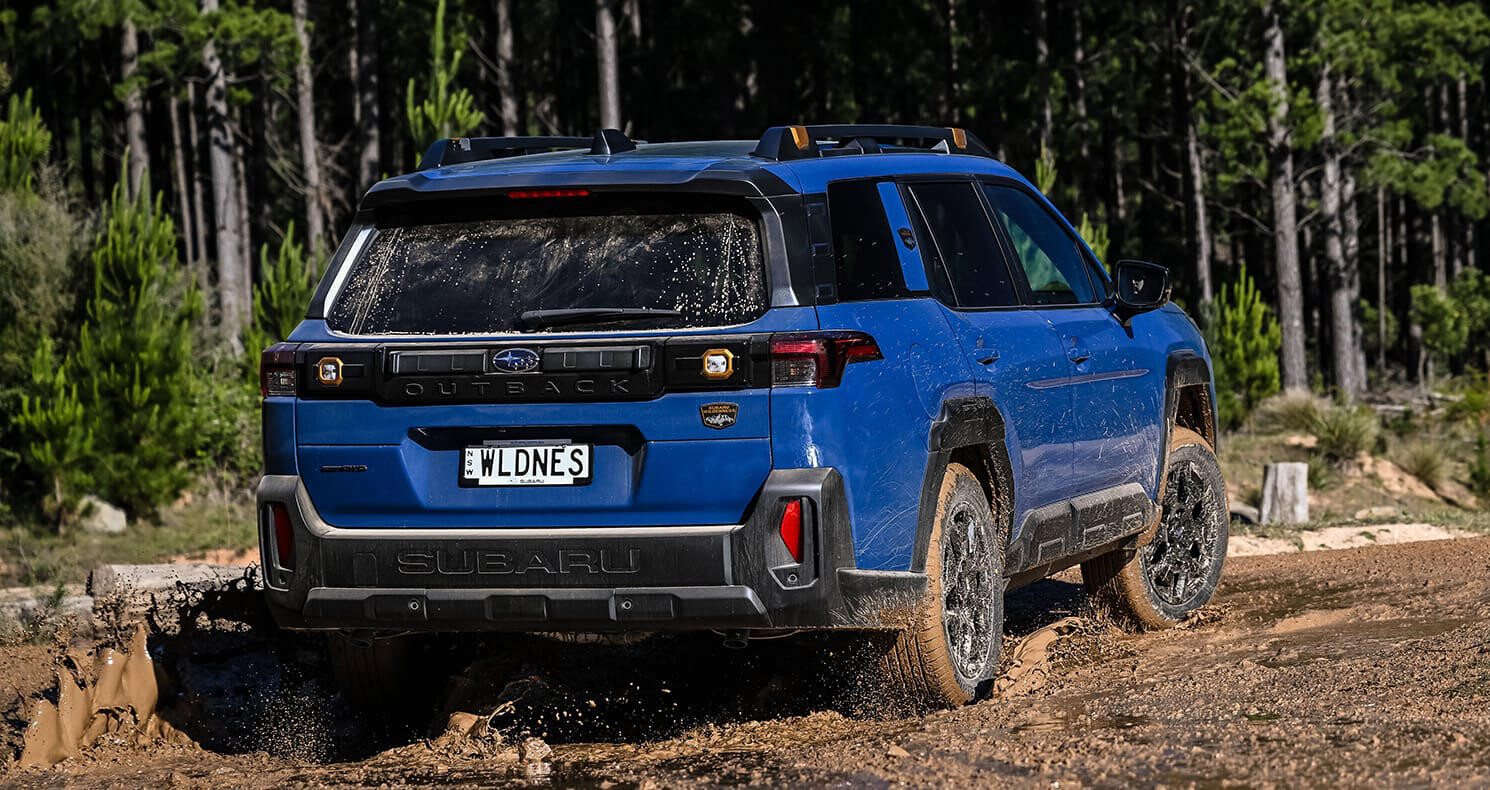
Key takeaways ・A Subaru executive has pointed to BYD and other Chinese manufacturers as a source for future hybrid inspiration ・The brand's iconic 'boxer' engines are becoming uncompetitive in the current environment, but development will continue ・Flat engines could have a renaissance as they are formatted ideally to be used as range-extenders Despite Subaru’s recent announcement that it would discontinue its iconic flat ‘boxer’ engine, which defined its cars for a generation in Europe, the brand has declared it will continue offering them elsewhere for “as long as internal combustion engines are still being used”. The flat engine, which places the pistons on their side rather than upright like most rivals comes with packaging benefits, but is being left behind due to inherent flaws which see it consume more fuel and produce higher emissions. This was the reason for the engine being phased out from Subaru’s range in emissions-strict Europe, the brand is continuing to invest in its future, one which it sees as being more hybridised, according to a new report from Nikkei Asia. A Subaru executive told the publication it was pursuing higher thermal efficiency for its next-generation boxer engine, which was intended to be a turbocharged hybrid, and will maintain a connection to the wheels in a familiar series-parallel setup. This is to buy into demand for more fuel efficient hybrids in the USA, where the bulk of Subaru’s global sales remain. 2027 Subaru Forester Hybrid Chinese brands inspire flat engine future Interestingly, the unnamed executive who spoke to Nikkei pointed to BYD as a source of inspiration for Subaru’s future boxer hopes, as it considers future range-extender applications beyond its next-generation engine. Next up "Seeing what Chinese manufacturers are doing has reinforced our belief that boxer engines have a future," they said. BYD recently unveiled a newly-developed 2.0-litre turbocharged flat engine, which lives in the plug-in hybrid version of its YangWang U7 four-door GT car. Due to tight packaging constraints in the otherwise-EV model, BYD developed “China’s first mass-produced horizontally-opposed engine” to fit low slung between the front suspension towers in the plug-in hybrid variant. The boxer engine mates directly to a high-voltage generator rather than a traditional gearbox, providing power to four electric motors, two of which the engine is perched atop on the front axle. This makes it a range-extender hybrid. BYD 2.0-litre boxer engine BYD says the flat engine grants the U8 more stable handling thanks to its low centre of gravity and its characteristics make it “super quiet”. The engine produces 200kW on its own, mated to a quad electric motor set-up producing a combined peak of 1000kW/1680Nm. It can sprint from 0-100km/h in just 2.9 seconds. Renewed interest in compact engine designs as range-extenders push efficiency BYD is not the only brand eyeing the benefits of flat engine layouts. Horse Powertrain, the engine division spun off from Geely and Renault, has also developed a 1.5-litre inline engine which sits on its side, dubbed the C15. While not a horizontally-opposed ‘boxer’ set-up, this flat-lying four-cylinder has similar benefits. It has an ultra-small footprint designed specifically to replace electric drive units for battery electric vehicles which require a hybrid or range-extender variant. The engine can either be naturally aspirated at up to 70kW, or turbocharged at up to 120kW and can be mated to a gearbox to drive the wheels directly or to be used simply as a motor generator. At the Beijing motor show, a Horse Powertrain spokesperson told CarsGuide another obvious application for the unit is to be used between the frame rails of a hybrid 4x4 or pickup truck. Subaru embattled in Australia as emissions laws and rivals close in Subaru’s next-generation technology can’t come soon enough for the embattled Australian arm, which is rapidly losing sales to newer and more efficient competitors in an environment of ever-increasing fuel prices. The brand’s importer, Inchcape, has gone so far as to say Subaru has “underperformed with deteriorating competitiveness,” as the company’s sales had plummeted 29 per cent in the first nine months of 2027. The brand’s issues are compounded by its current crop of new hybrid variants not shaving the same amount of fuel consumption off compared to notable rivals, while its seventh-generation Outback launched recently with no hybrid variant at all.