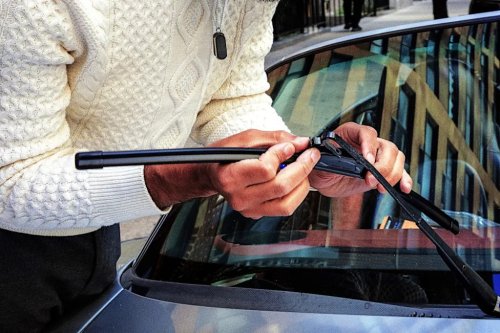
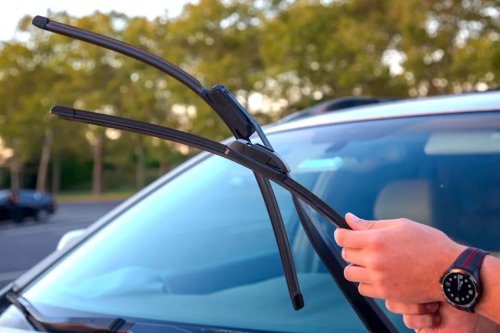
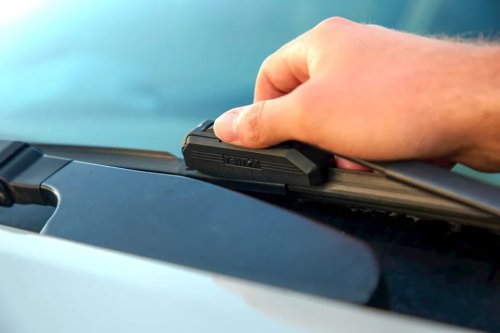
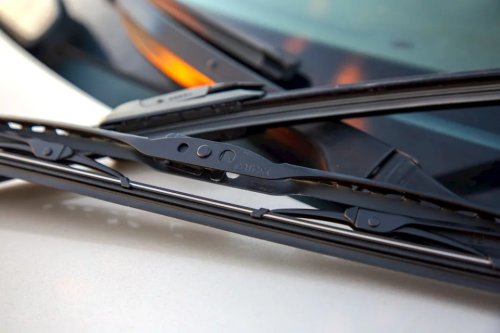
Best Windshield Wiper Blades of 2026, TestedAmazon / Sheilah Villari✍️ Editor's note: This product category requires new testing about once a year. We'll update this article with the most recent information when it's available.You probably don't think much about your windshield wipers until a heavy downpour turns a worn set into a streaking, chattering mess. Good wiper blades are one of the simplest and cheapest ways to improve visibility in bad weather.And rain is only part of the equation: Snow, road salt, dirt, pollen, and even UV exposure gradually harden and wear down the rubber, so inspect most blades regularly.We Recommend:Top Pick: Bosch Icon BeamBest Value: AutobooPremium Pick: Piaa Si-Tech SiliconeBest All-Weather: Rain-X WeatherBeaterWipers also vary more than you might expect. Traditional framed blades remain a reliable, affordable option, while beam-style designs use a curved, frameless construction to maintain more consistent contact with the windshield. Premium blades may also use silicone or other upgraded materials designed to resist weathering and last longer.Whatever the design, fit matters as much as price. A blade that doesn't maintain even pressure across your particular windshield will leave streaks, skip across the glass, or miss sections entirely.More Car Care Gear: Best Portable Tire Inflators | Best Rooftop Cargo Carriers | Best Car Steam CleanersTo find the wipers actually worth putting on your car, we installed and tested our top picks on a 1997 Porsche Boxster; the Rain-X ones were installed on a 2004 Lexus RX330. Using two very different vehicles shows how a blade handles different windshield sizes, shapes, and wiper setups rather than judging everything on a single application.For this test, we considered installation and adapter design, fit, wiping performance, noise, streaking, and how consistently each blade maintained contact with the glass. Because when the weather gets ugly, the best wiper blades are the ones you don't have to think about.Best Windshield Wiper Blades of 2026, TestedThings to ConsiderSheilah Villari - Hearst OwnedWiper blades come in many types and styles; getting the right size for your vehicle is just the tip of the iceberg. Here are a few more things to consider:TypesConventional: A metal frame holding a rubber blade. These are typically affordable and fine for use in normal weather conditions.Beam-Style: Single-piece construction without an outer frame, ensuring uniform pressure across the entire blade. This style delivers excellent performance in heavy rain and snow, lasts longer, and offers improved aerodynamic efficiency.Hybrid: Combines the advantages of conventional and beam-style blades, featuring a sleek design and protective cover. Provides a balanced mix of durability, efficiency, and aesthetic appeal. Delivers reliable performance in diverse weather conditions.Silicone: Constructed from silicone rubber, which is more robust than conventional rubber. Silicone offers a longer lifespan, quieter operation, and often applies a water-repellent layer on the windshield. Ensures durability and exceptional performance in all weather conditions.Winter: Engineered for the cold months, these blades feature a protective rubber boot to prevent snow and ice buildup. They perform exceptionally well in freezing temperatures, preventing ice and snow from clogging the wiper.Rear Window: Specifically designed for the rear window of SUVs, hatchbacks, and minivans, the tailored fit improves performance and visibility.CompatibilityMake sure the wiper blades match your vehicle's make, model, and year. Wiper blade sizes vary by driver's side, passenger's side, and rear windows.MaterialWiper blades are typically made from rubber or silicone. Rubber is the most common and affordable option, but it tends to wear out faster. Silicone blades last longer and perform better across a wide temperature range but cost more. Coated blades, such as graphite or Teflon, offer improved durability and smoother operation.Price vs. QualityWhile it may be tempting to choose the most affordable option, investing in a higher-quality blade can provide better visibility and longer-lasting performance, potentially saving you money in the long run.FAQsSheilah Villari - Hearst OwnedHow often should I replace my wiper blades?Replace your wiper blades every six to 12 months, depending on their condition and the weather they're exposed to. Signs that you need replacements include streaking, squeaking, or skipping across the windshield.How do I know what size wiper blades to buy?The easiest way is to check your vehicle's owner's manual. You can also measure your current blades or use online tools and databases that match blades to your vehicle's make, model, and year.Can I use winter wiper blades year-round?You can use winter wiper blades year-round, but they're designed for harsh conditions like snow and ice. They're durable and protect against debris, but they're often stiffer than regular blades, which can reduce their effectiveness in warmer months. This can cause uneven pressure on the windshield, more noise, and faster wear.Sticking with standard or all-season blades usually offers better performance and longevity. As snowy weather approaches, switch back to winter blades.How can I extend the life of my wiper blades?To extend the life of your wiper blades, regularly clean them and the windshield to prevent buildup. Use the defroster in cold weather to prevent freezing. Some people lift their wiper blades when parked in snow or ice. Make sure they're properly aligned to avoid uneven wear. Lastly, check the blades regularly and replace them when necessary to maintain optimal performance.Why You Should Trust The ShopSheilah Villari - Hearst OwnedRoad & Track's testing team, The Shop, relies on decades of experience in the automotive space to help you make informed purchasing choices. We won't recommend something we wouldn't buy ourselves, and we'll never claim to have used or tested something we haven't.The team's product selection and gear recommendations are editorially independent and based on hands-on testing, personal experience, and knowledge—not hype. Road & Track has a strict policy against accepting payment for links or product placement in articles.We've evaluated dozens of product categories, such as rust prevention, all-terrain tires, and Lego car sets. Read more about our product testing process here.If You Can Only Own One Car, Make It One of TheseThese Are the Most Popular Cars by State