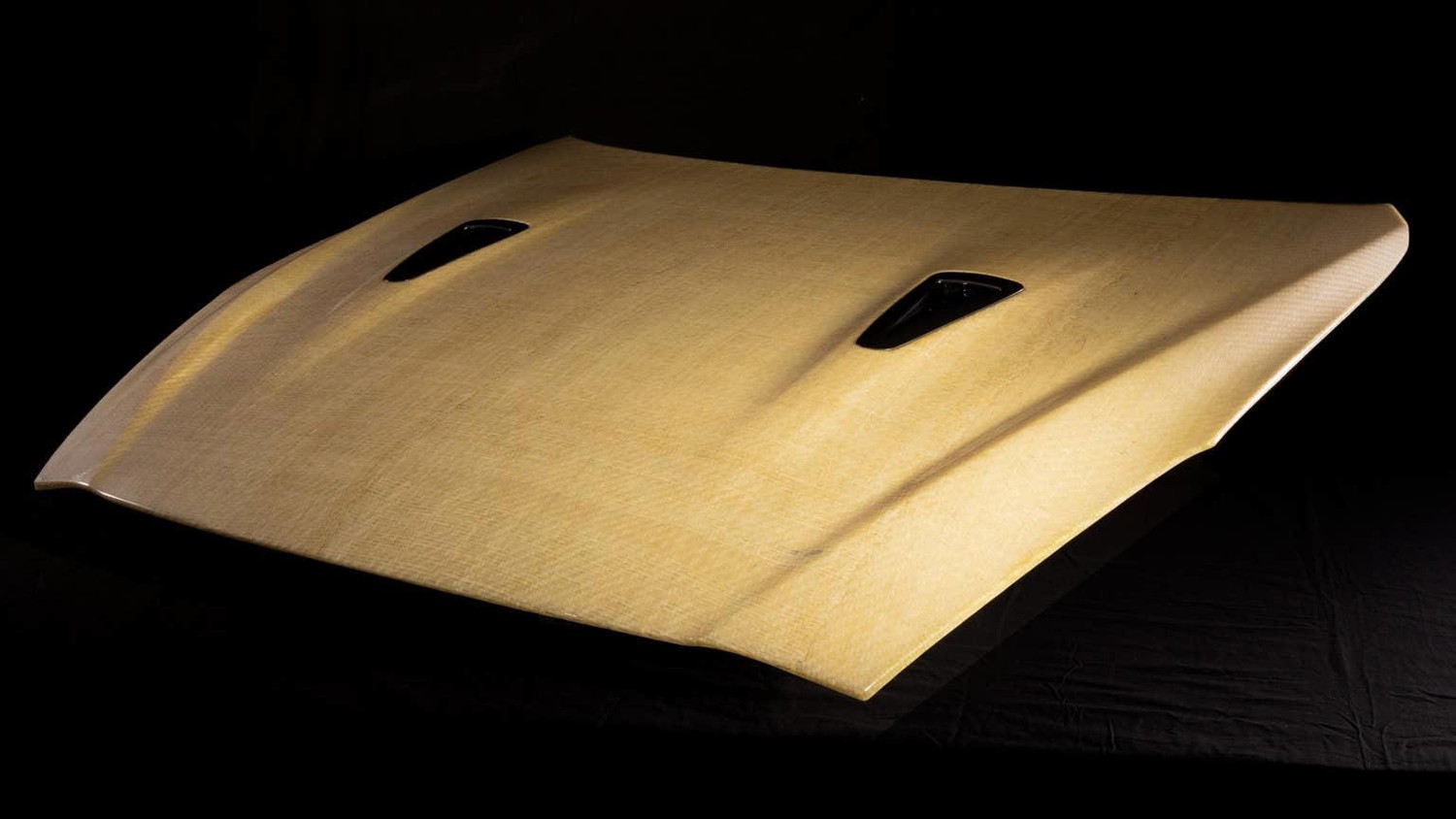
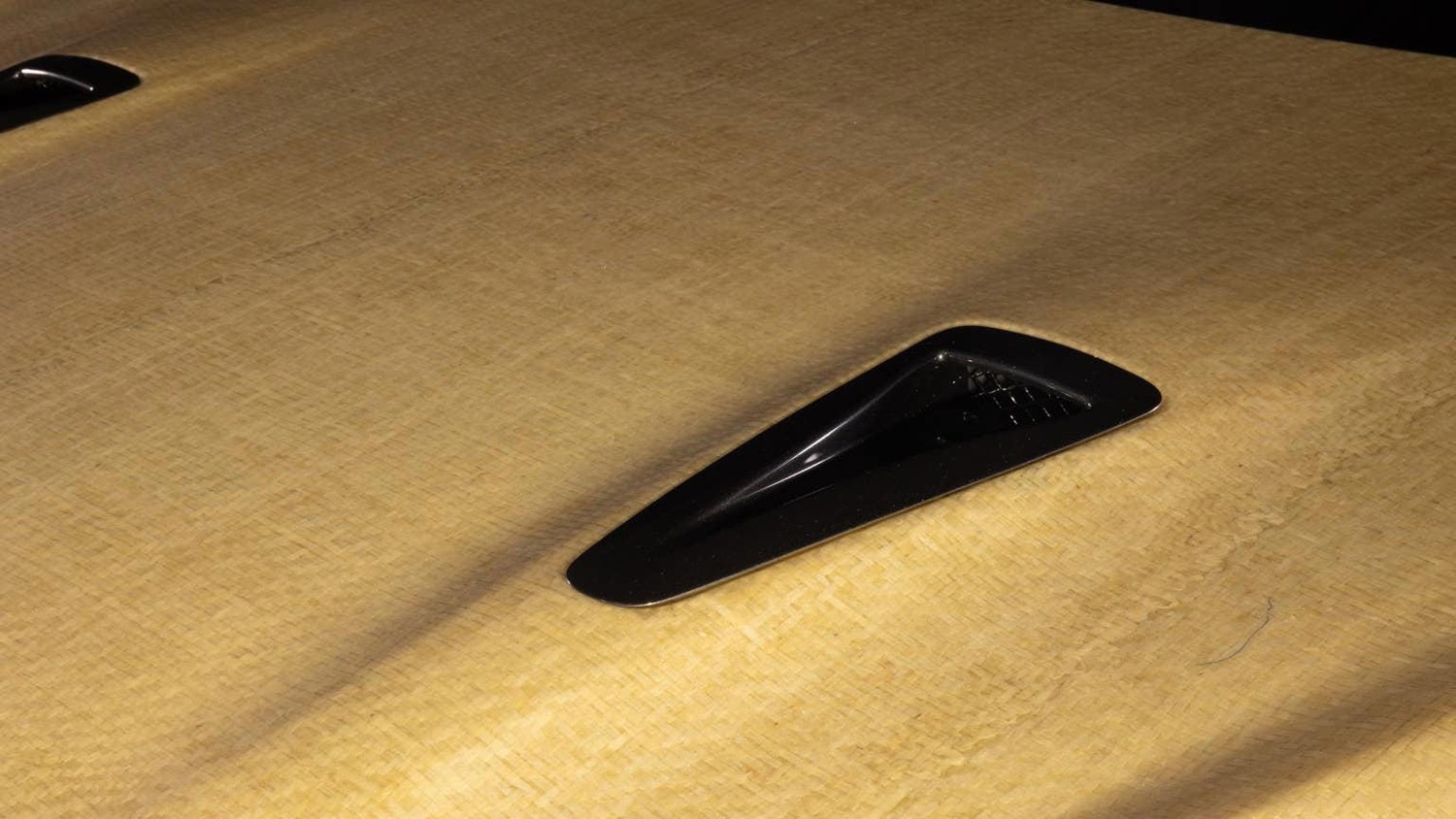
Nissan is looking to give discarded pineapple leaves a second life, and the result could eventually find its way onto cars. The Japanese automaker has teamed up with materials company Food Reborn to develop what it describes as the world’s first automotive exterior body panel made using pineapple leaf fibers. While the idea of building car parts from fruit waste might sound silly, there’s a practical reason behind it. Nissan says its internal testing has revealed that the new material offers higher tensile strength than conventional flax-based natural fiber materials. This means the technology could be used in motorsports, where demand for sustainable composite materials is growing, with potential applications beyond the automotive industry. From Pineapple Waste to Automotive Body Panels The development process starts with pineapple leaves, which are typically discarded after harvesting. According to Nissan, more than 50 million metric tons of pineapple leaves are thrown away worldwide every year, which means there’s no shortage of raw material. Nissan and Food Reborn have developed a process that transforms the leaves into usable fibers, which are then converted into flat yarn and woven into fabric. The resulting material is incorporated into a composite that’s said to boast improved tensile strength compared with conventional flax-based alternatives. That strength could make the material particularly interesting for motorsports applications. Some racing categories require natural fiber-reinforced plastics for specific modified exterior body panels, but the relatively small number of specialized suppliers has made sourcing these materials challenging and expensive for teams. Nissan believes its pineapple-based alternative could help address those supply limitations while making better use of agricultural waste. Nissan Wants to Take the Technology Beyond Racing The good news is Nissan is not planning to keep the manufacturing technology to itself. The automaker has licensed its expertise to Food Reborn, covering the production of flat yarn, woven fabric, and prepreg—an intermediate material for molding in which resin is impregnated into fibers extracted from pineapple leaves. The companies believe the technology could eventually find applications beyond automotive body panels, including sporting goods and other products that rely on lightweight, durable composite materials. There’s no word yet on whether Nissan intends to use the material in its production vehicles, or when it might become commercially available. The new material will make its public debut at the SAMPE Japan Advanced Materials Technology Exhibition 2026 in Tokyo held November 18-20. Visitors will be able to check out an actual body panel for the R35 GT-R manufactured using the pineapple leaf-based composite process.

 Liked by Amélie Poirier, Mia Macdonald






 Liked by Amélie Poirier, Mia Macdonald