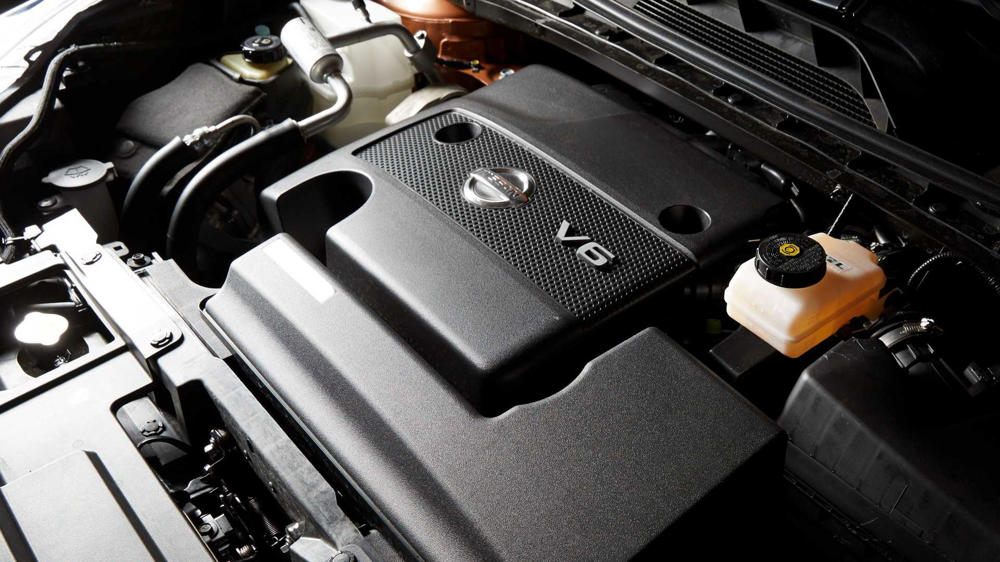
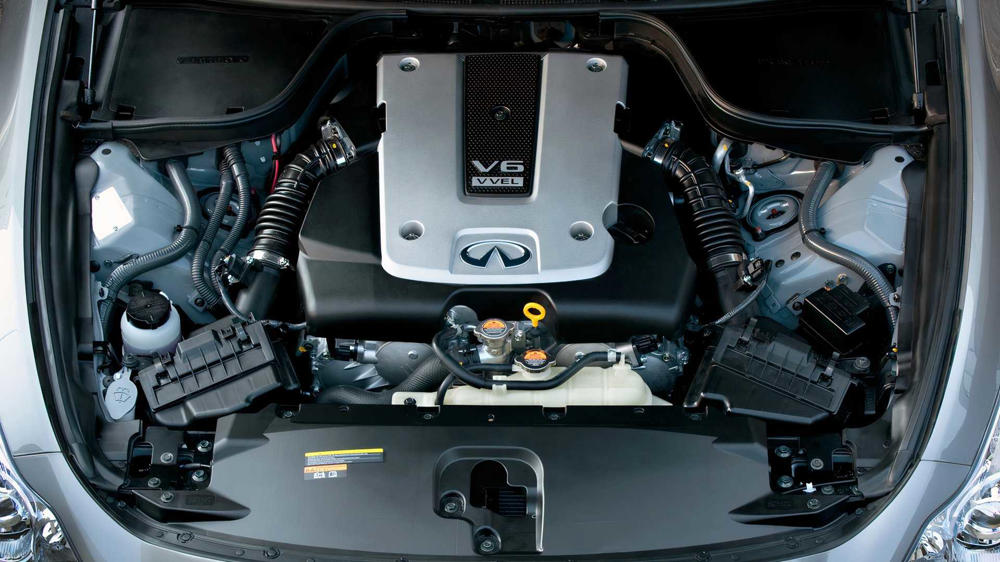
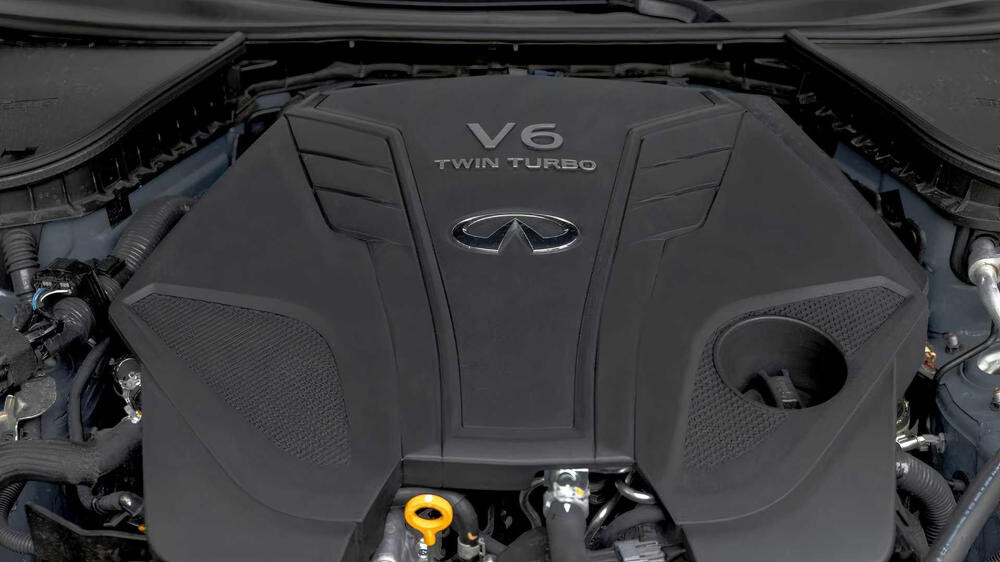
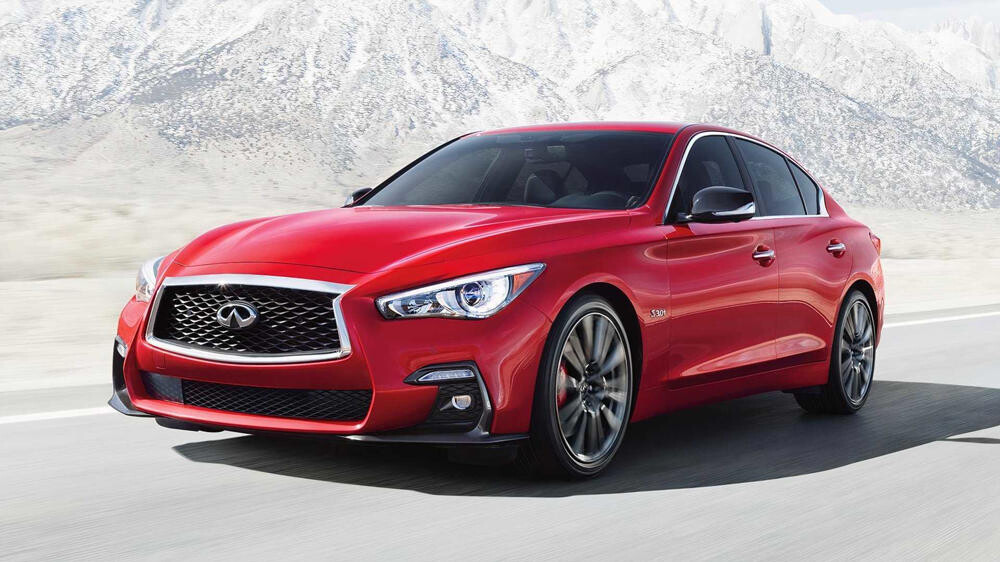
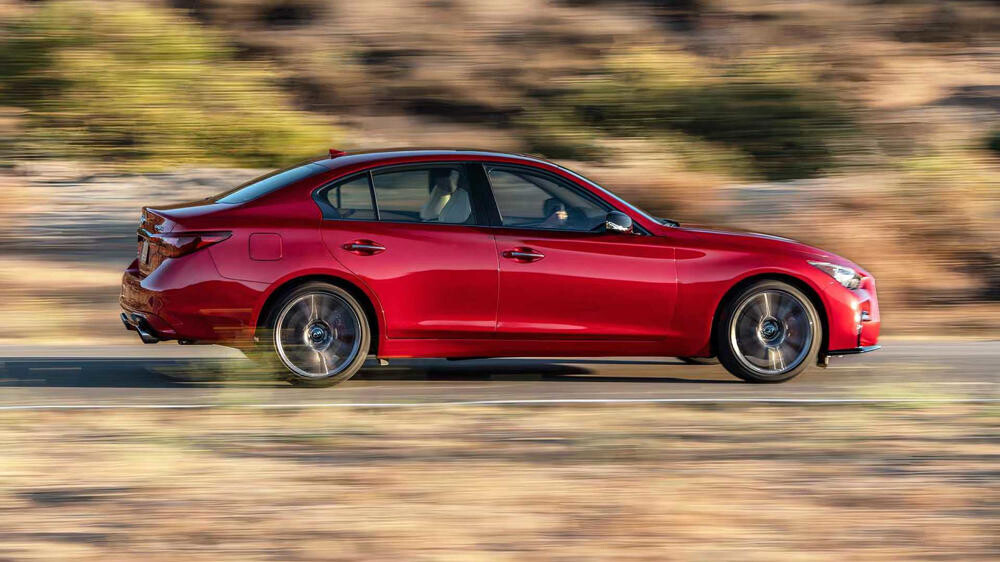
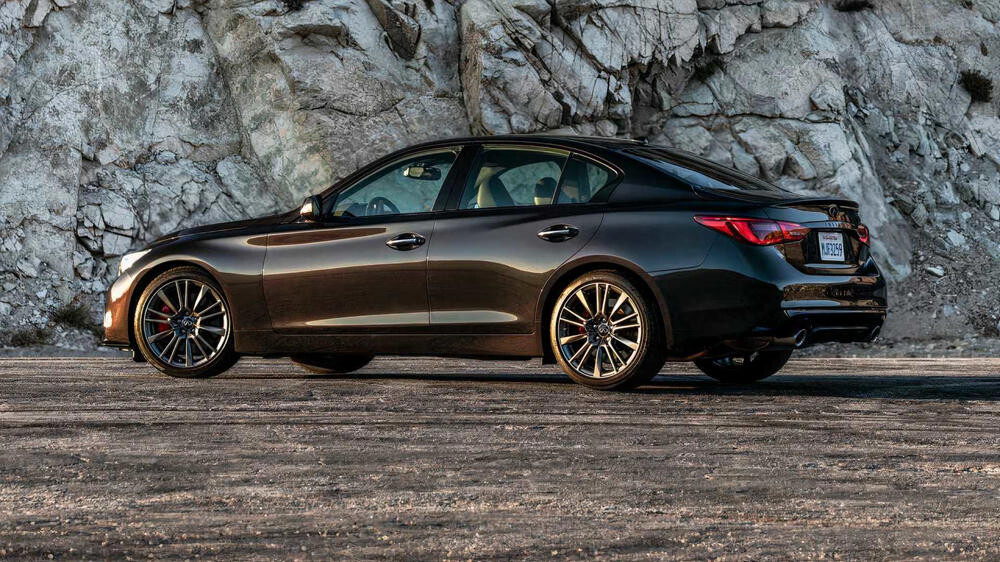
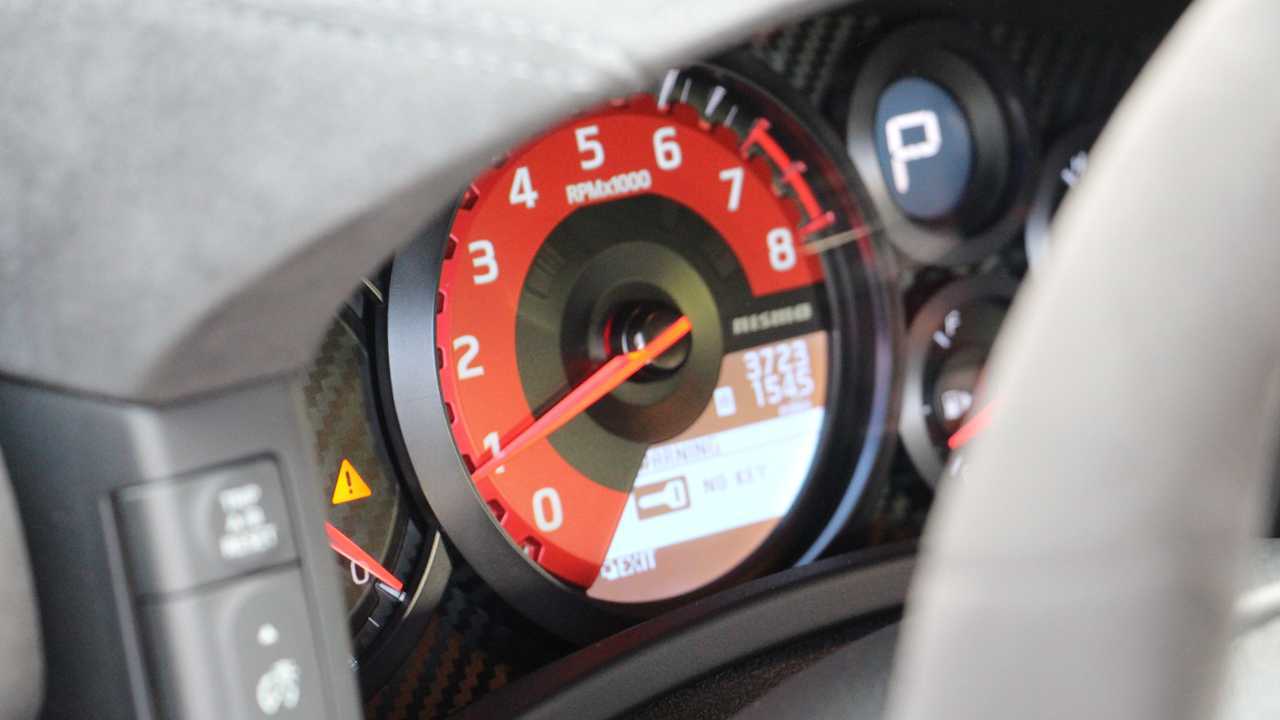
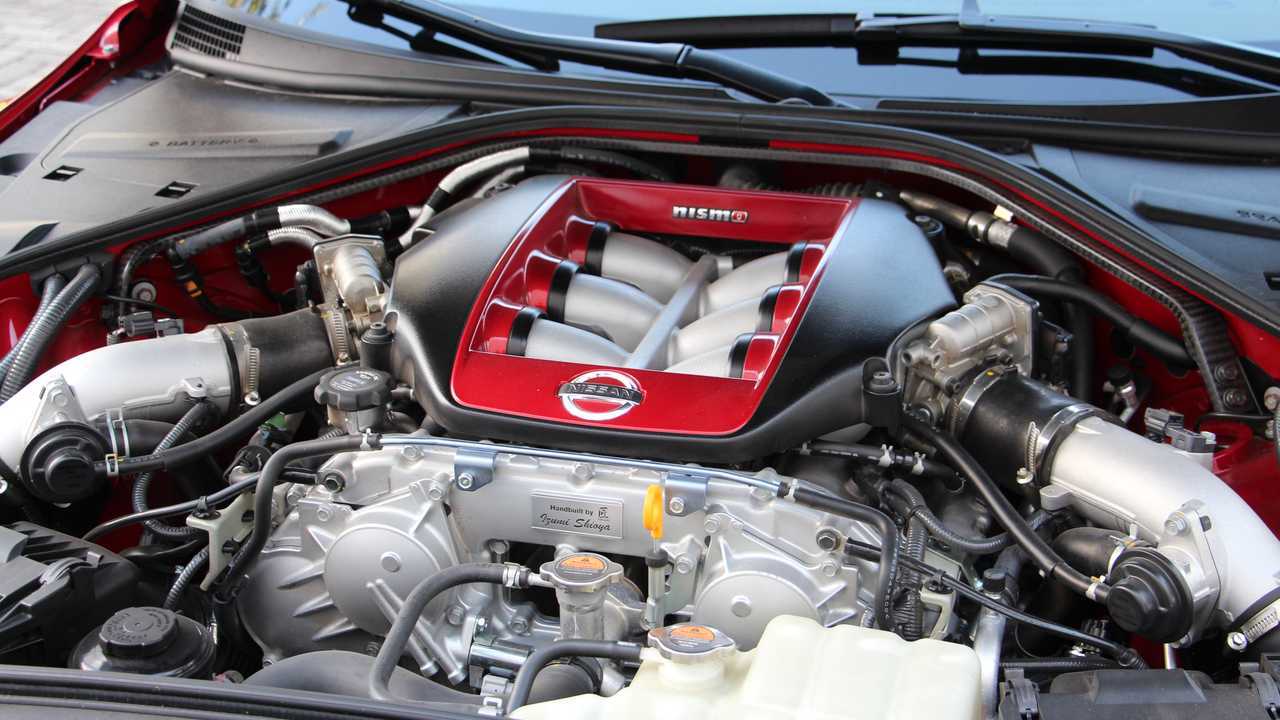
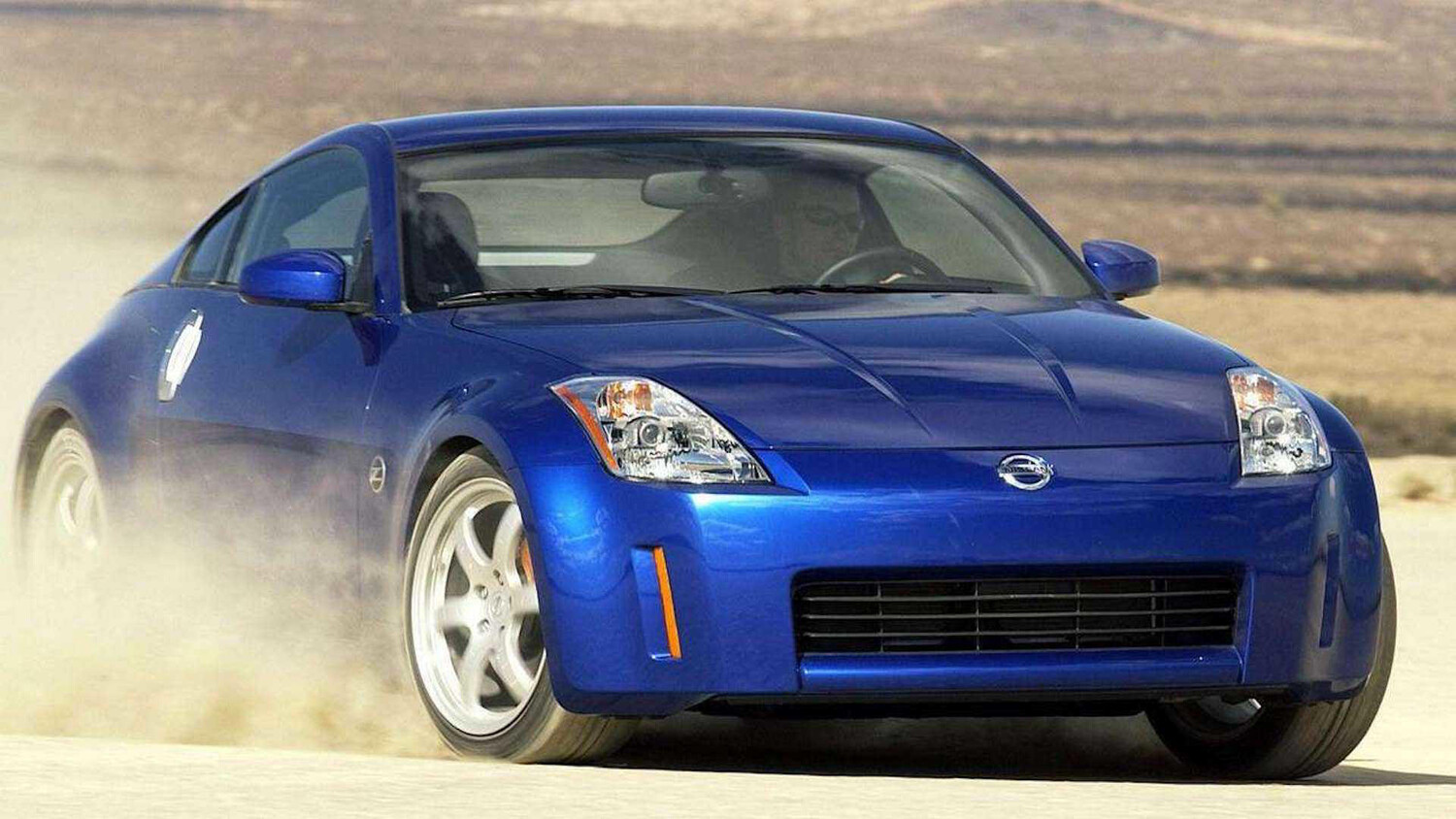
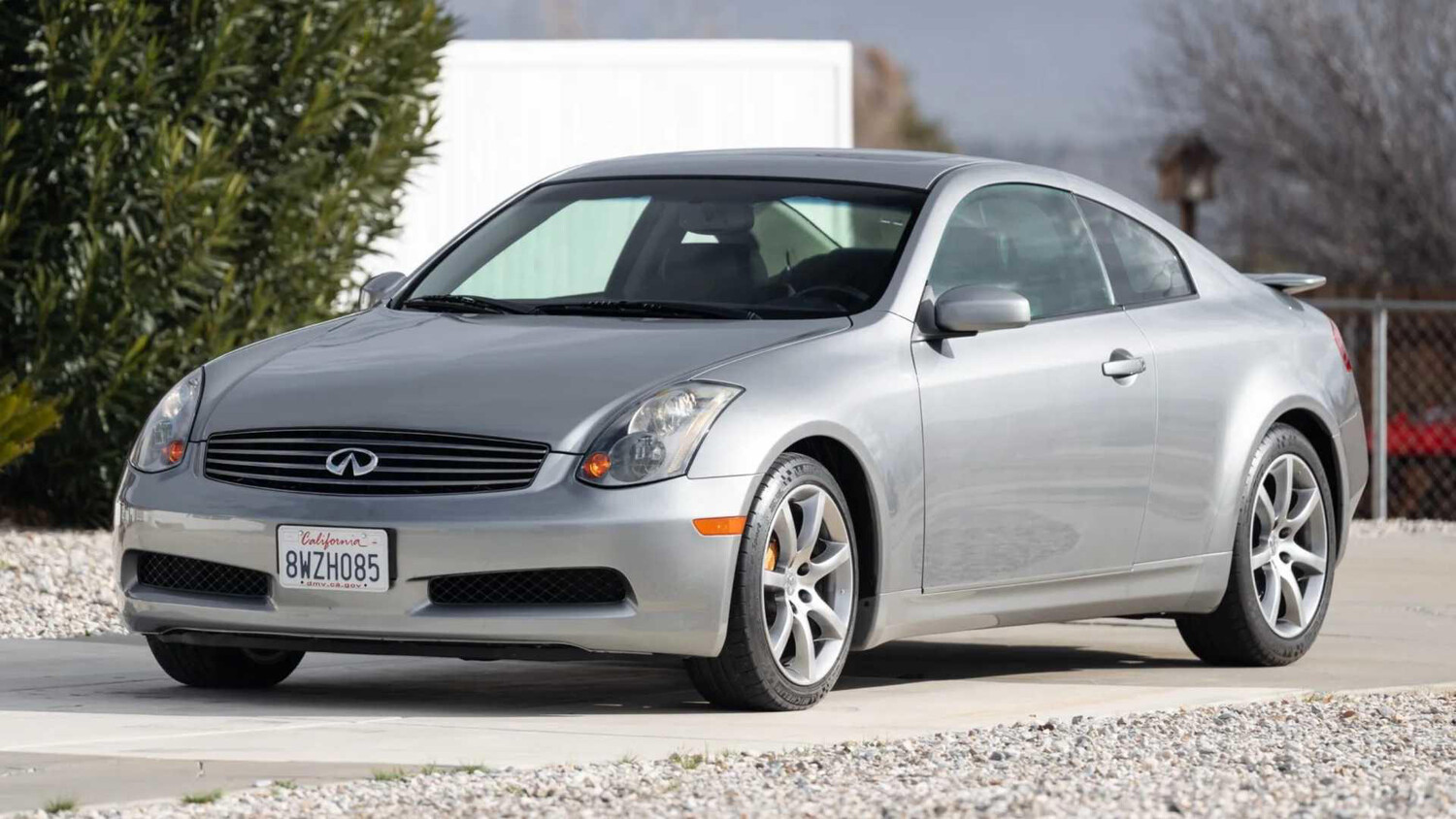
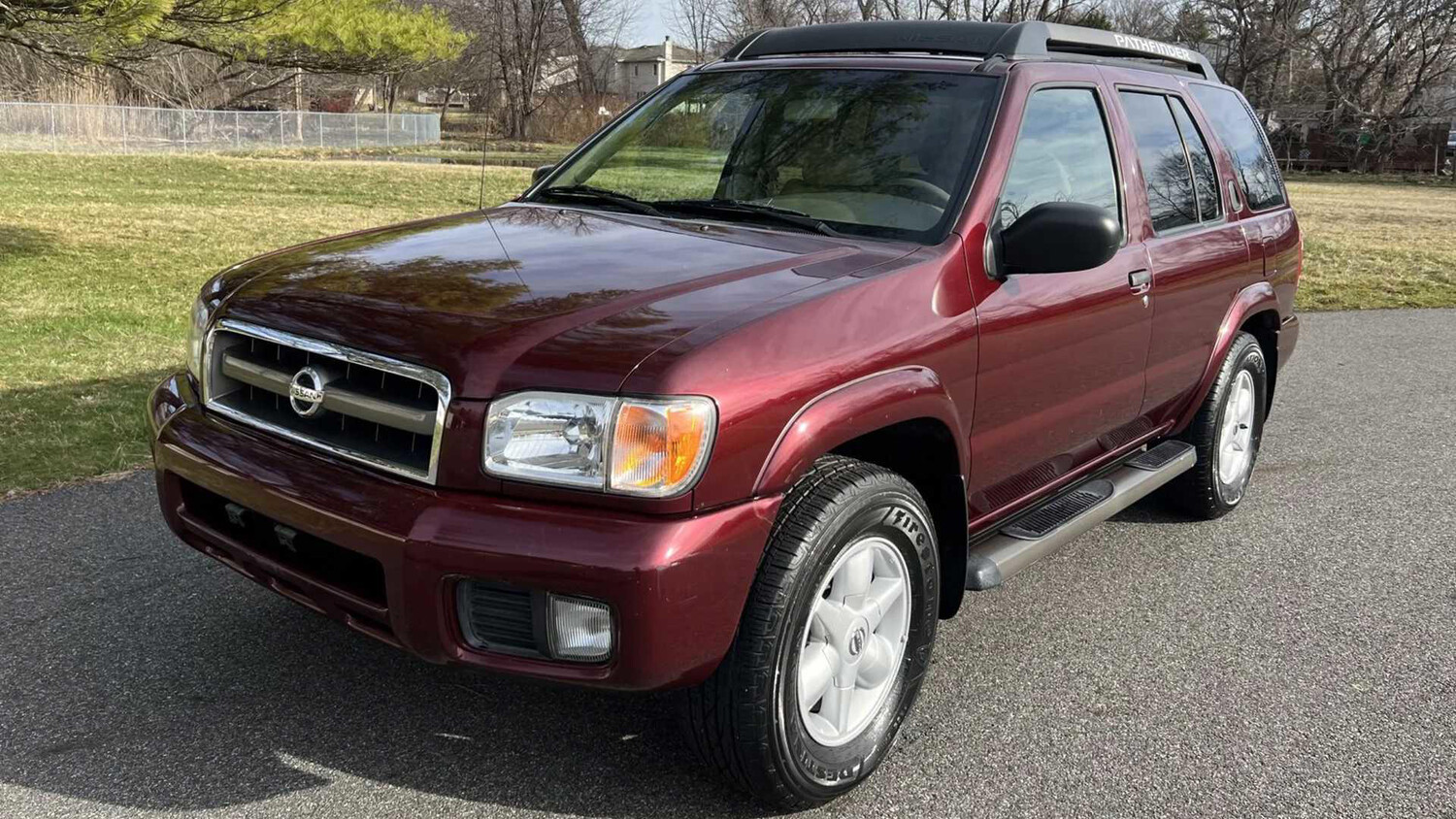
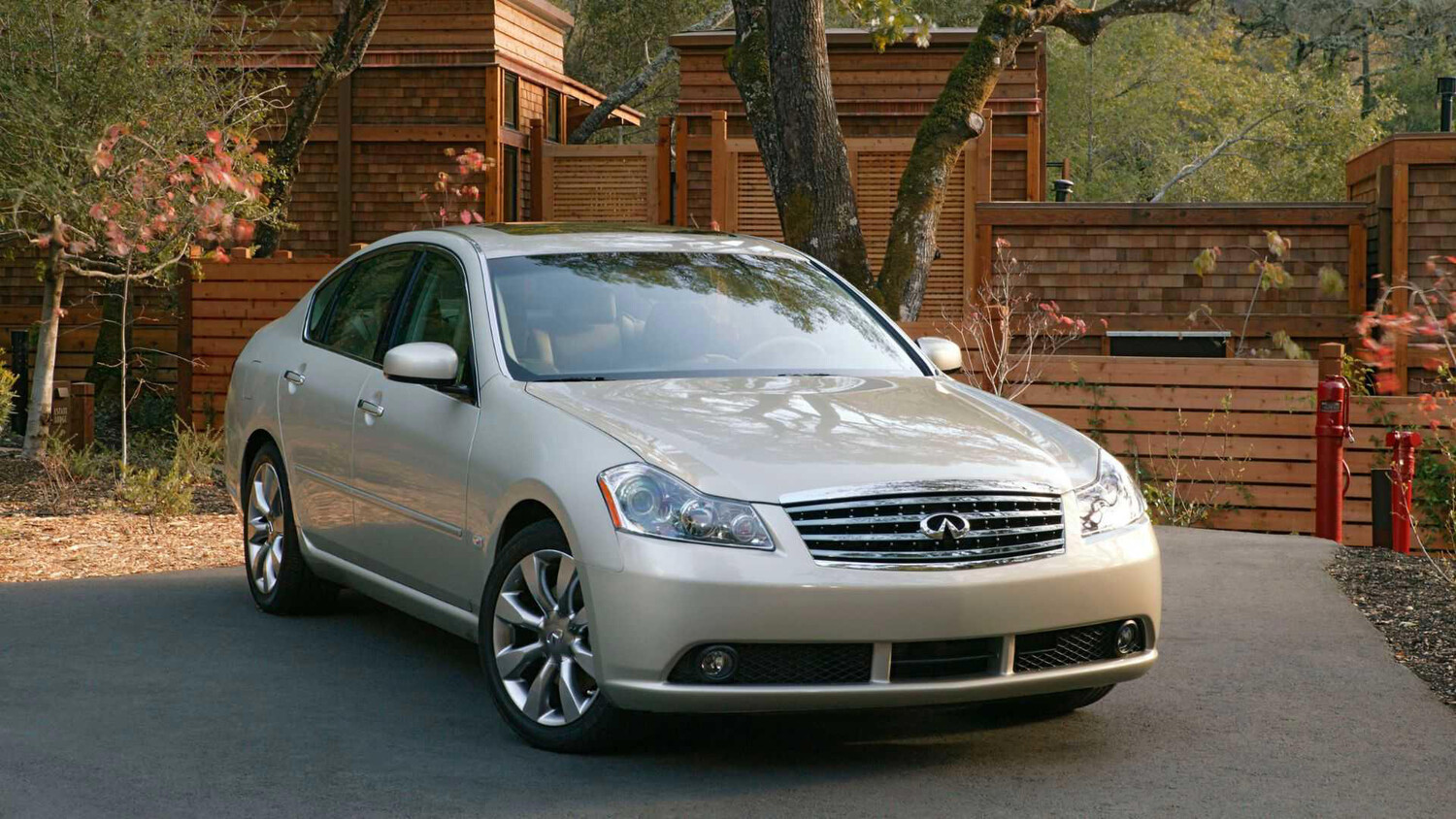
Typically, any given engine family stays in production for roughly 10 to 15 years. This even goes for more fabled ones, such as the Porsche M96/M97 flat-six, which only managed to stick around for about 11 years. Not even Toyota's legendary JZ engine family remained in production for two decades, as it bowed out in 2007 after 17 years. However, Nissan's VQ V6 engine family is different. It's still in production today, has been for the last 32 years, and it can be argued that the VQ35DE and VQ37VHR are its most famous children. Alongside those two, the VQ engine as a whole earned 16 mentions on the Ward's 10 Best Engines list — 14 of which were consecutive — making it the most awarded V6 engine in history. While both the VQ35DE and VQ37VHR are no longer in production, their impressions are still felt throughout the automotive world today. Nissan Used Precision Engineering To Perfect The VQ From the very beginning, the VQ engine took advantage of high-tech engineering in several areas. The block and cylinder heads have always been made from aluminum, meaning these powerplants were lighter than some of their competition. This also allowed the engine to be installed in a wider range of models, as a cast-iron construction would likely have made it a bit too heavy for smaller models. Inside the VQ, Nissan's engineers devised a specific method for producing its crankshaft and camshaft journals using extremely high levels of polishing and lapping. The resulting surfaces were ultra-smooth, reducing friction and helping the engine last longer while producing less frictional heat. Molybdenum-coated pistons were also an early addition to the recipe, further reducing friction between the engine's cylinder walls and the pistons. Keep in mind, less friction means better efficiency and quicker throttle response. As part of the VQ's design, it has separate cooling paths for the engine block and cylinder heads, which allow the engine to warm up faster than some other V6 engines. Plus, having those separate paths helped the VQ produce fewer emissions on startup. As emissions restrictions are perpetually tightening, having a hardwired leg-up over some of its competition is a definite advantage. The VQ35DE Added More Brains To The Family The VQ35DE first hit the scene in 2000, marking a significant development for the VQ engine family. Displacement increased from the previous 3.0-liter iteration to 3.5 liters. However, Nissan was keen to maintain the VQ's soul, meaning its lightweight nature and responsive attitude were essential to the second-gen VQ35DE. Alongside the introduction of the VQ35DE came an all-new variable valve timing system. The setup allowed the intake valve timing via the intake camshafts to adapt to the engine's operating conditions at any given time, allowing for both better fuel economy and more power. The system relied on solenoids and hydraulic vane sprockets mounted on the camshafts to adjust timing on the fly. Its breathing ability was improved, too. A new, long-branch intake manifold utilized inertial induction, where extra air is rammed into the engine to help bolster airflow and improve engine response across a wider power band. Think of it as a type of pseudo-supercharging, just without actually using any means of forced induction. Underneath it all was a new set of hot-coined connecting rods, helping to reduce the mill's overall reciprocating mass. As time went on, the slew of new tech found within the VQ35DE found its way into other, newer members of the VQ engine family. One Engine Family, Loads Of Vehicles Nissan Fairlady Z Z33 (350Z) The VQ35DE V6 earned a "jack of all trades" reputation. The powerplant showed up not just in the Nissan Pathfinder, but also in the Altima sedan, Murano SUV, Quest minivan, and more. Certain Infiniti models used it too, like the G35 and JX35. When the 4.0-liter VQ40DE arrived in 2005, the V6 earned a spot in the Frontier pickup, extending its reach into the world of hard work. Nissan also further developed the VQ35DE, eventually releasing the VQ35HR — a high-performance, high-revving variant. It first appeared in the Nissan Fuga, a Japanese market midsize sedan related to the American-market Infiniti M35. The 2007 350Z also adopted this powerplant. An enlarged and improved version of the engine, the 3.7-liter VQ37VHR, came about in 2008. That mill would go on to find a home in the 370Z, Infiniti G37, and others. The "VHR" attached to its name stood for "Variable Valve Event and Lift (VVEL) High Revolution (HR)." It was the first VQ engine to sport VVEL tech, and it also came with a low-friction diamond-like carbon coating, a strong bottom-end girdle, and true-dual intakes. All of this allowed it and other HR-specific VQ engines to rev higher and remain stronger. Thanks to these improvements, the VQ37VHR can reportedly withstand up to 550 horsepower with stock internals, making it a tuner's dream. However, while many evolutions of the VQ family differ from the rest, they all share many of the same foundational attributes, such as a 60-degree bank angle and the use of timing chains. They also all avoided any sort of forced induction, opting instead to rely on well-balanced and precisely engineered breathing characteristics to create their power. Today, the VQ still runs without a turbocharger, setting it apart from many modern engines. Take the current Nissan Frontier, for example. It's a midsize pickup producing 310 horsepower and 281 pound-feet of torque from a 3.8-liter VQ38DD V6. The truck's primary competitors now all offer some sort of turbocharged four-cylinder engine, giving the Nissan an edge in assumed future reliability. Its Reputation Is Well-Deserved A powerplant doesn't earn a spot on Ward's 10 Best Engines list by accident, let alone make the grade 16 times. Not only does WardsAuto focus on reliability to a certain extent, but it also chooses engines based on value, smoothness, and technological prowess for its lists. Having that many VQ engines grace the fabled collection of motors 16 times means the VQ is, if anything, quite impressive. High-mileage VQ engines exist all over the place, too. The VQ35DE and VQ40DE models seem particularly capable of reaching that mileage, with many anecdotal reports showing the mills lasting well over 200,000 miles with simple maintenance. There are owner reports of those engines reaching 300,000 miles without much of a fuss. We can't say every single VQ engine would reach that 300,000-mile threshold, but the sheer amount of owner testimony points in that direction. Some versions have reportedly suffered from oil consumption issues, timing chain and tensioner wear, and premature cooling system maintenance. As it stands now, Nissan is still rocking the 32-year-old VQ engine family. The current VQ38DD uses modern tech like direct fuel injection, continuously variable valve timing, and Nissan's Variable Valve Event and Lift tech. With all the updates seen over the years, it's clear Nissan never allowed the VQ family to slip into obsolescence. Instead, it's continued to update the mill, and because of that, it's still alive and kicking in an age of small, turbocharged four-bangers. Sources: Nissan, WardsAuto, LMDiversityEngines.com.

 Liked by Gabriel White, Sophie Wilson
 Liked by Gabriel White, Sophie Wilson