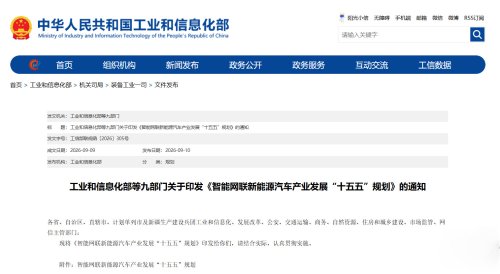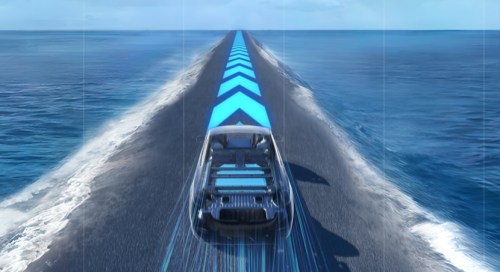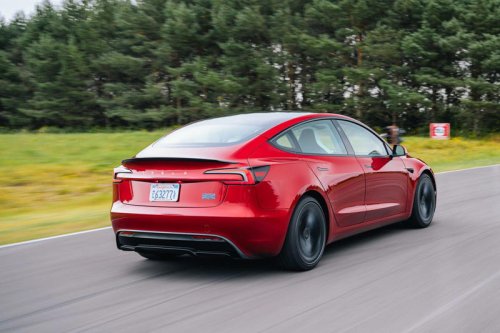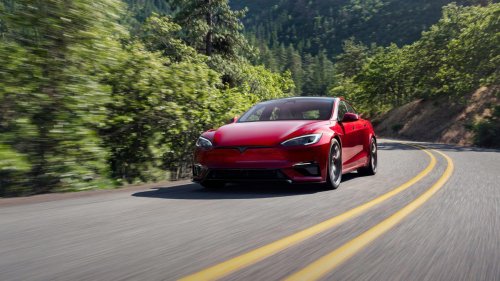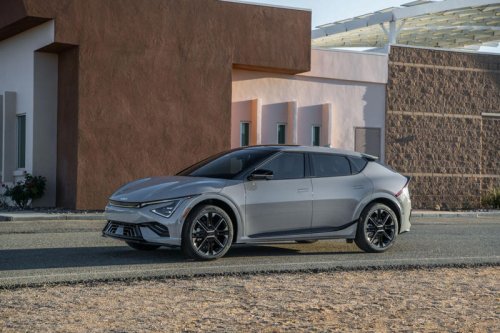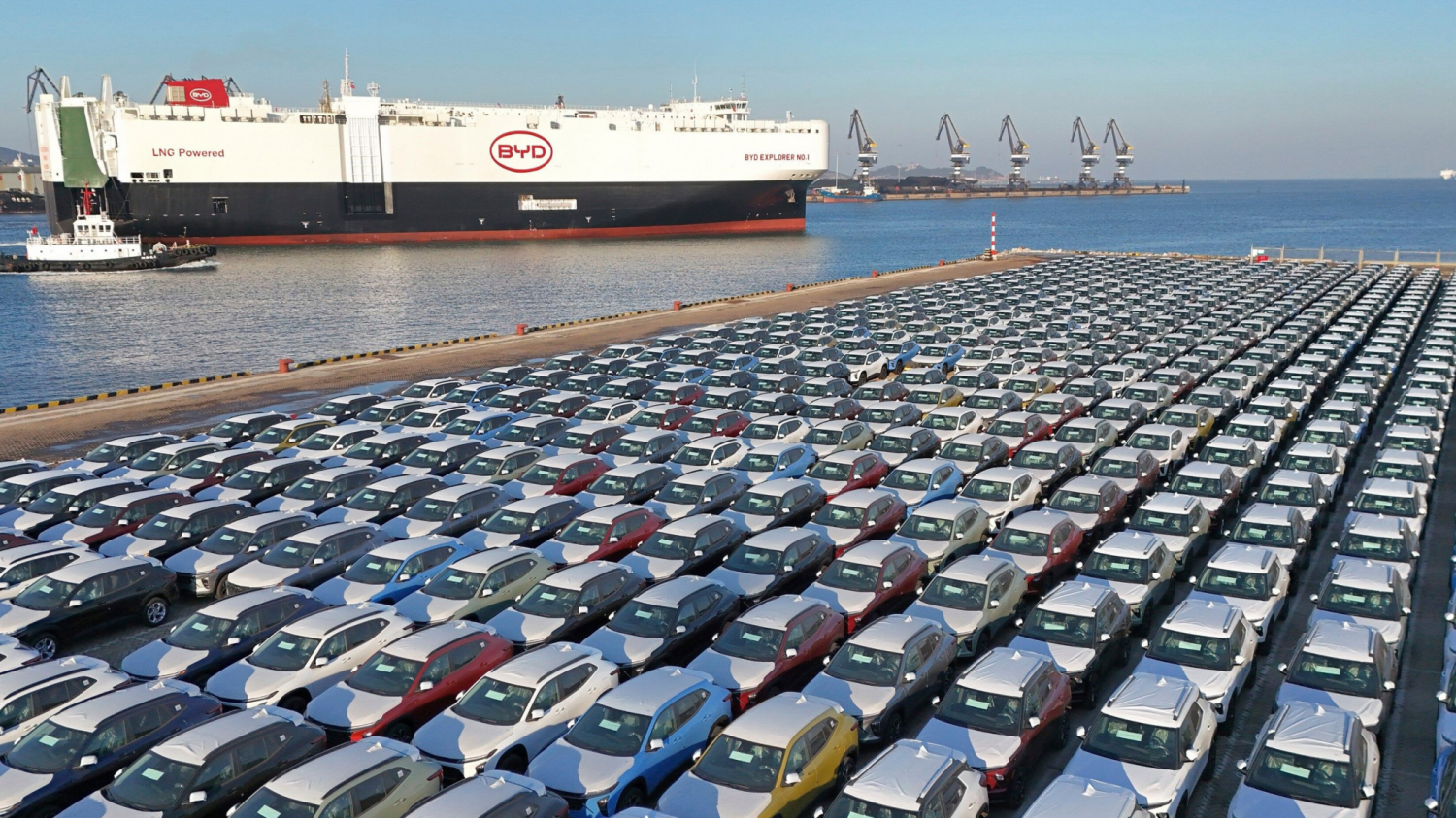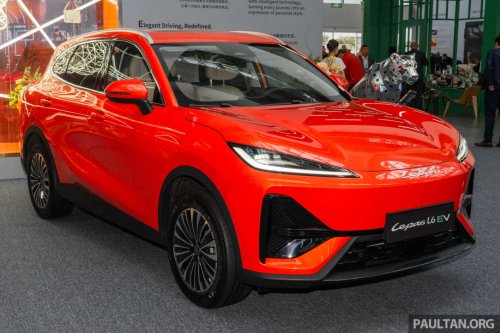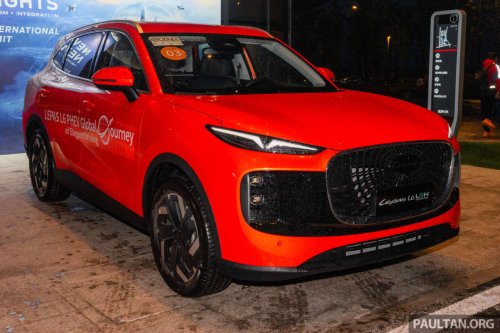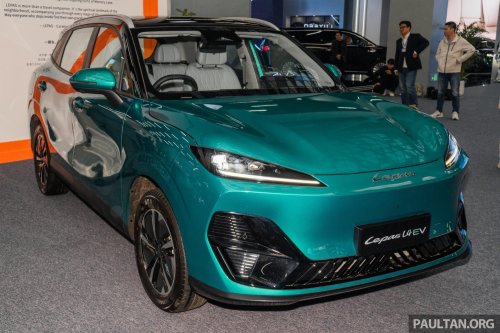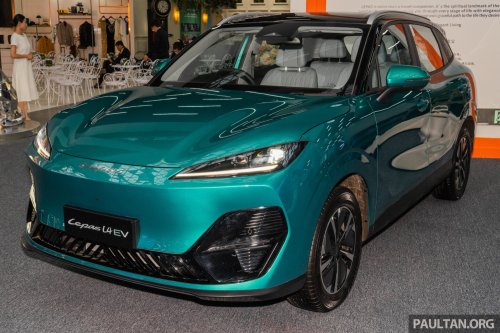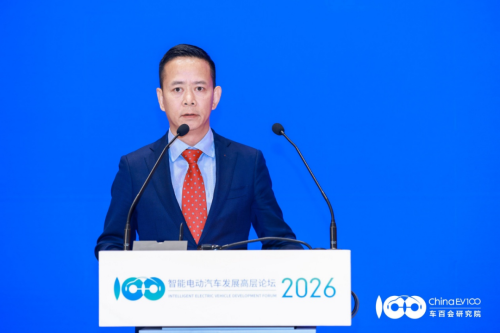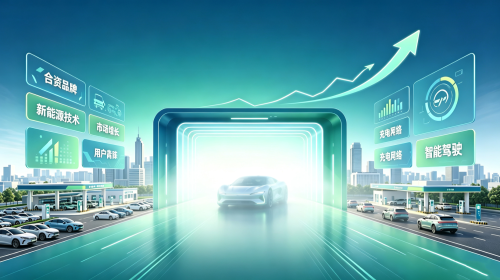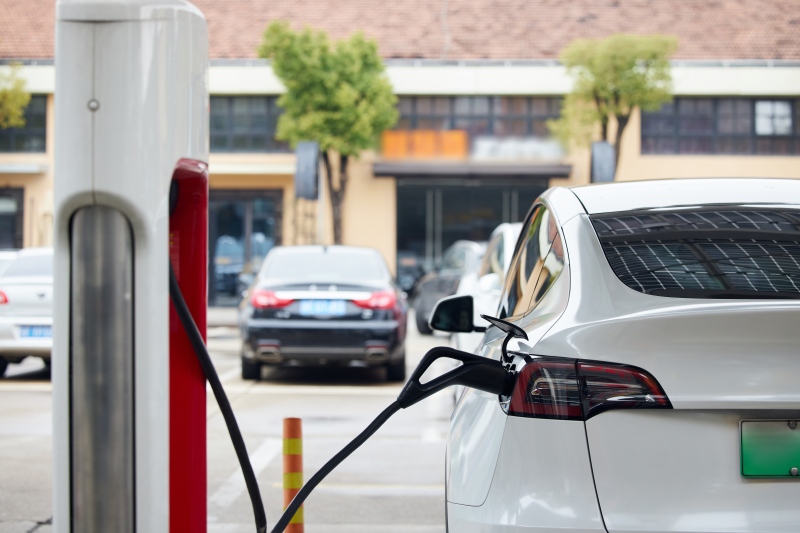



















On August 26, 2026, the State Council Information Office held a press conference titled "Starting the 15th Five-Year Plan." Xin Guobin, vice minister of the Ministry of Industry and Information Technology (MIIT), outlined a strategic plan for the high-quality development of the intelligent connected new energy vehicle industry during the period.The ministry stated that the MIIT has formulated the "15th Five-Year Plan for the Development of the Intelligent Connected New Energy Vehicle Industry" (hereinafter referred to as the "Plan"). It aims to drive sustained, high-quality industry growth across four dimensions: product supply quality, the supporting usage environment, the industry governance system, and international cooperation.Image Source: ShituwangFirst, to elevate product supply quality, the Plan explicitly supports key enterprises in accelerating technological breakthroughs. Priority areas include boosting the low-temperature adaptability and durability of power batteries, as well as enhancing the safety and reliability of autonomous driving. The MIIT will actively and steadily advance pilot programs for market access and road usage of intelligent connected vehicles, alongside "vehicle-road-cloud integration" trials.Building a supportive usage environment is a central task for the 15th Five-Year Plan. The proposal calls for vehicle trade-in programs, NEV initiatives in rural areas, and pilot projects to shore up charging infrastructure in counties. The goal is to ensure charging stations cover every county and charging points reach every township. Additionally, the ministry will establish a sound management system for vehicle modifications, optimize NEV insurance policies, and reduce repair costs.On the governance front, the MIIT will push for reforms in the group-based management of automaker production qualifications to optimize the industrial layout. Core measures include tightening access reviews for innovative product designs and test verification management — strictly prohibiting products from entering the market without adequate testing. The ministry will also intensify supervision over production consistency to safeguard consumer rights and regulate market order.Xin noted that the automotive industry is inherently global. The MIIT plans to leverage multilateral and bilateral exchange mechanisms, strengthen coordination on international standards and regulations, and improve supporting services like cross-border logistics and investment financing. By steadily advancing international trade and investment cooperation, the ministry aims to provide a "Chinese solution" for the transformation and upgrading of the global auto industry.Signals from this briefing suggest that during the 15th Five-Year Plan, NEV policy will shift from sheer scale expansion to a dual focus on quality control and market regulation. Moving forward, policy efforts will center on product safety, technical verification, market order, and supporting infrastructure.