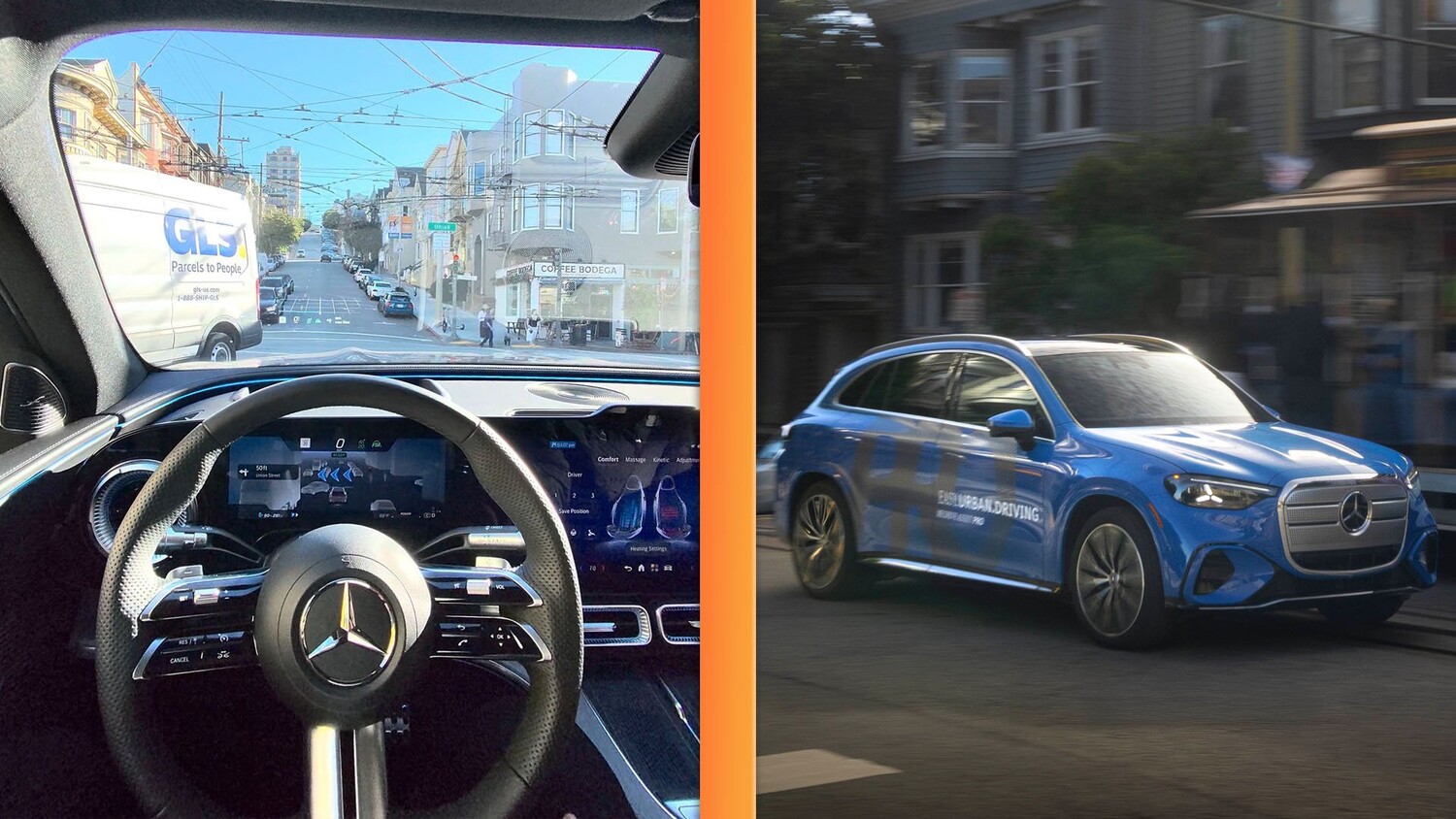
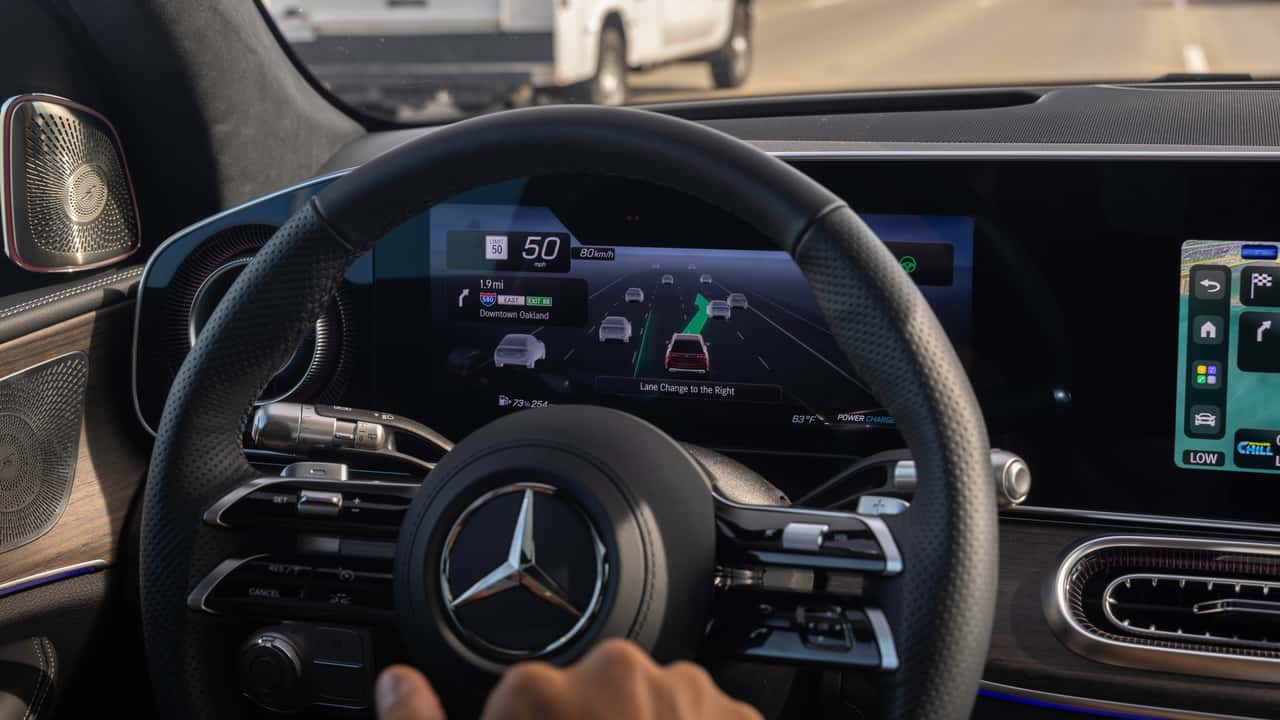
Customers have made it abundantly clear: They want real, physical buttons in their cars, not more touchscreens. And some automakers are finally taking note. Mercedes-Benz was among the first to embrace screen-heavy interiors, but even executives in Stuttgart recognize that the company may have gone too far. During a recent Q&A on Reddit, Mercedes CEO Ola Källenius admitted that replacing physical controls with touchscreens wasn't necessarily the best way to design a modern car interior. After years of moving toward increasingly digital cabins, the company is now bringing back buttons and switches in places where they make more sense. Mercedes Says Digital Controls Went Too Far According to Källenius, the shift toward touchscreen interfaces was largely driven by the industry's broader move toward digital technology. Screens gave automakers more flexibility, making it easier to add features, introduce new functions, and update the in-car experience over time. He said: 'We basically just moved on with the times. It became a trend more and more for cars to become more digital, which played a part in us adding more functions to our models.' But the CEO also recognizes that physical controls have advantages that screens can't always replicate. He understands why drivers find traditional buttons and switches easier to use, and even admits he prefers some of them himself: 'I do love a good rocker and roller on a steering wheel myself.' More importantly, Mercedes has learned that replacing physical controls with touchscreen functions doesn't automatically make for a better interior. That's why the company is starting to reverse some of those decisions. Mercedes-Benz MBUX Hyperscreen Mercedes Is Bringing Back Buttons In New Models Källenius pointed to several recently introduced or updated models that put more emphasis on physical controls, including the GLS, GLE, S-Class, GLC EV, and GLB EV. The company is also bringing back physical controls in other upcoming models, although he didn't specify which ones. Still, Mercedes isn't ready to abandon digital interfaces altogether. Källenius said simply returning to the way things were isn't the answer, either. Instead, the automaker wants to strike a better balance between traditional controls and newer ways of interacting with a vehicle. He said: 'Simply turning back the clock is not the right approach. I think we can all agree that new ways of interacting with the car must continue to be created... moving towards digital controls felt right and for the most part, still feels like the right thing to do in terms of developing modern day cars. What do you think? Drivers Don’t Want More Screens Mercedes isn't the only automaker facing criticism over increasingly screen-heavy interiors. Drivers have pushed back against the loss of dedicated buttons for climate controls, audio adjustments, and other frequently used functions. Digital dashboards and larger displays aren't going anywhere, but Mercedes' change of direction suggests automakers are beginning to recognize that not every function needs to live on a touchscreen.