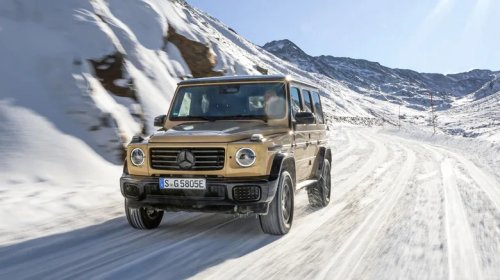
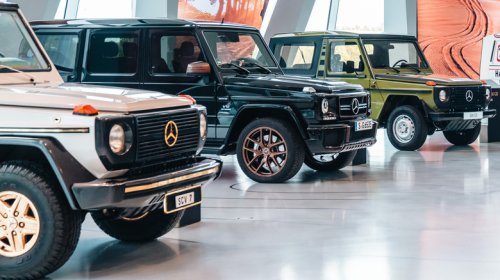
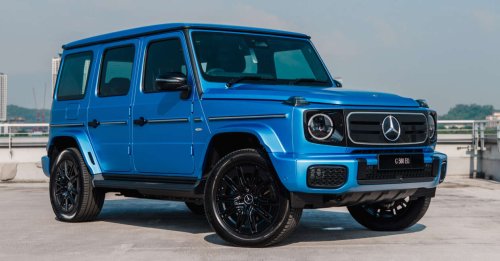
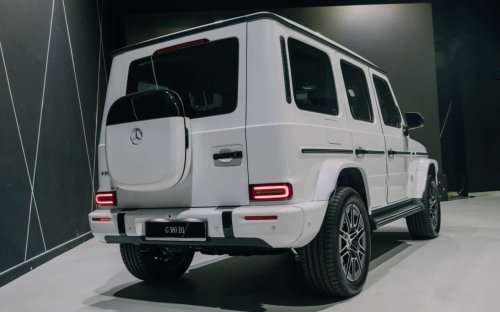
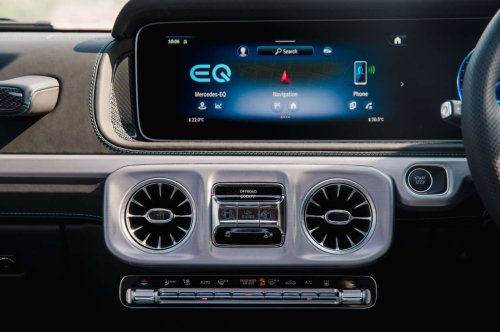
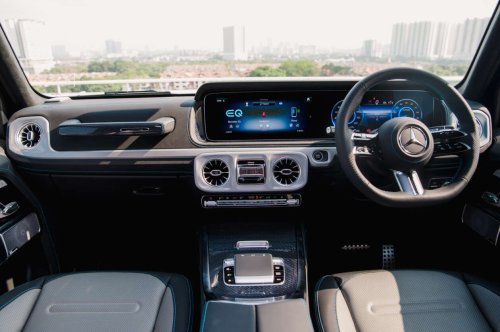
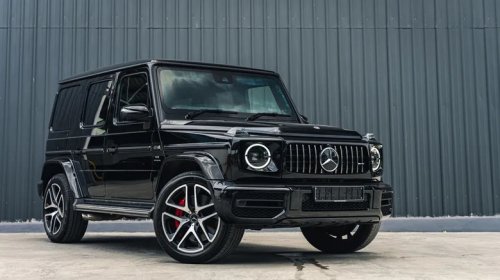
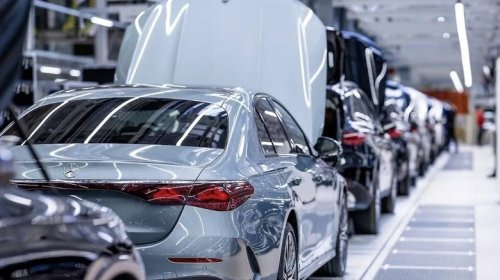
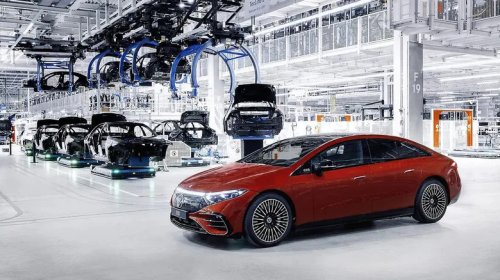
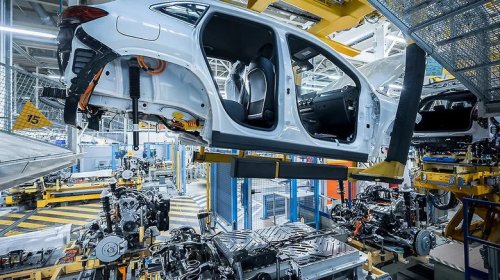
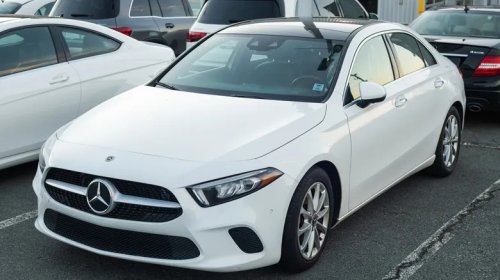
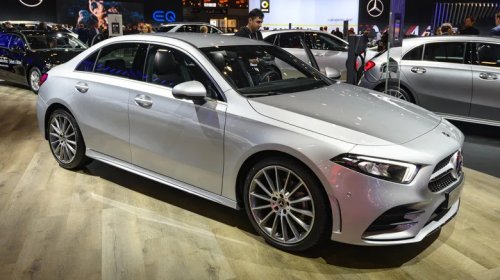
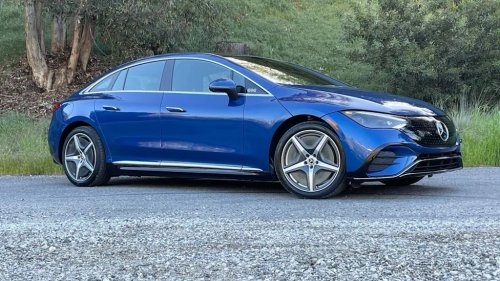
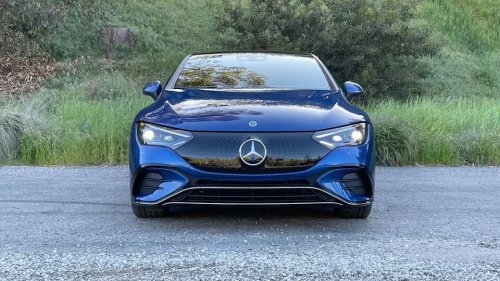
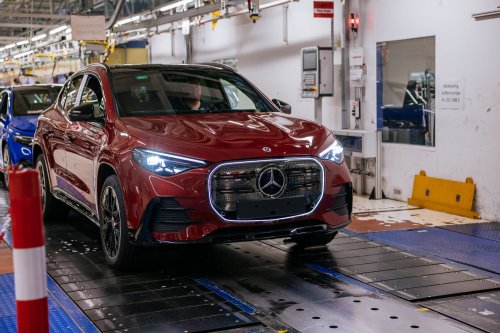
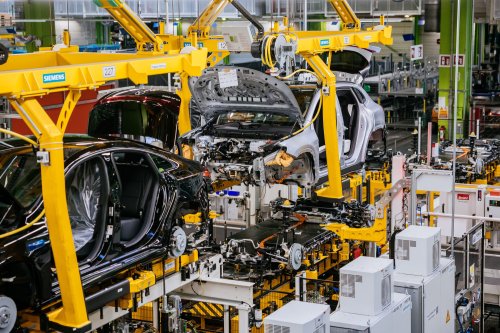
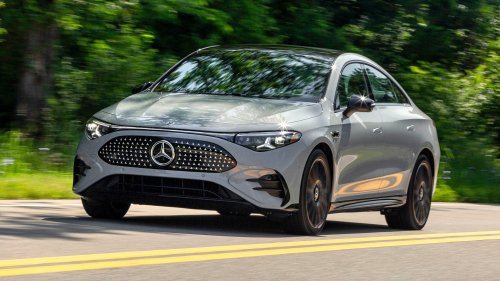
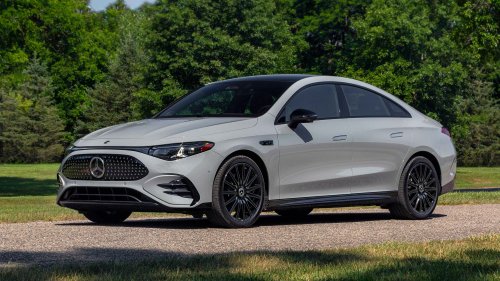
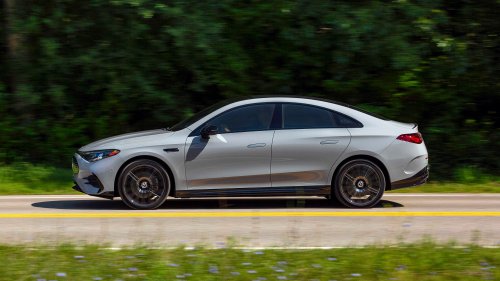
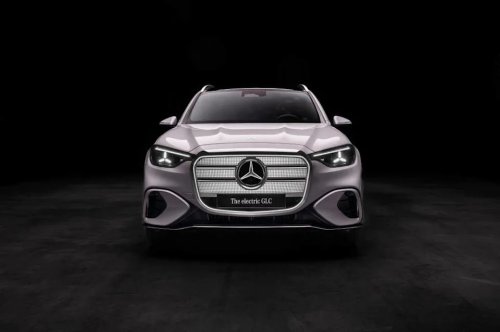
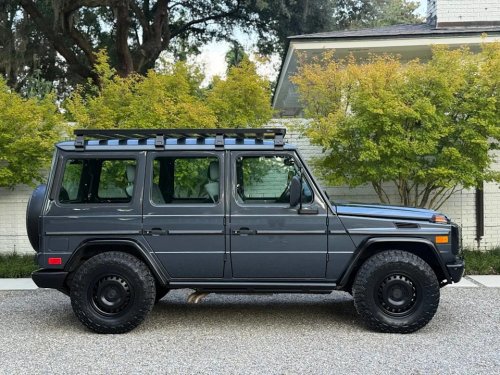
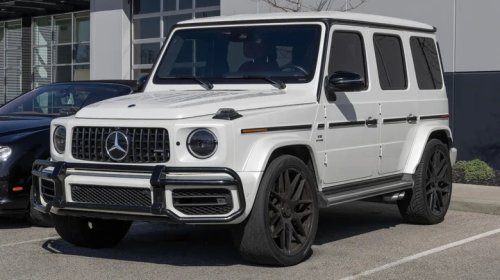
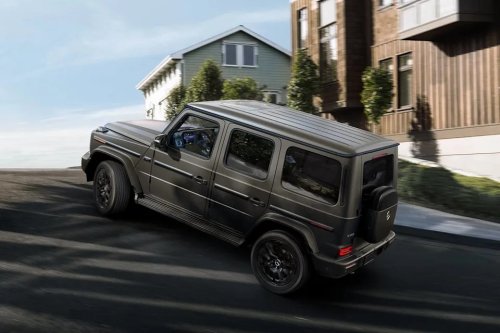
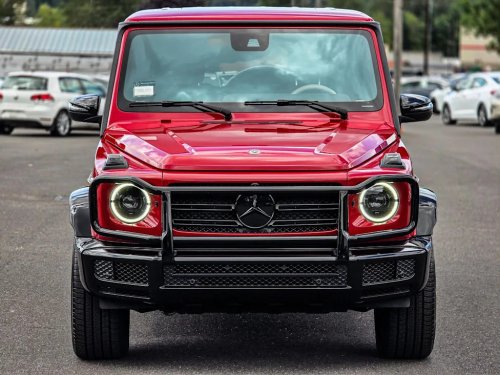
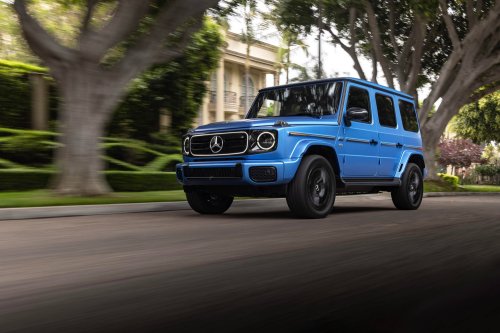
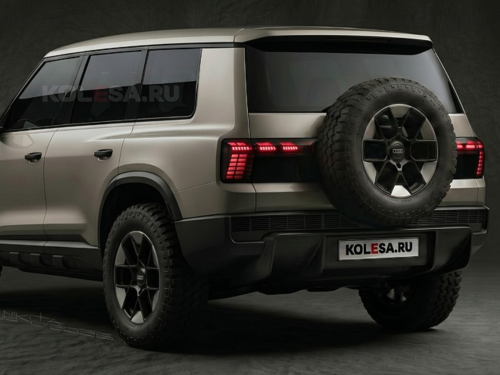
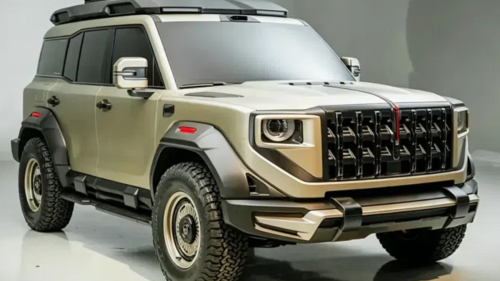
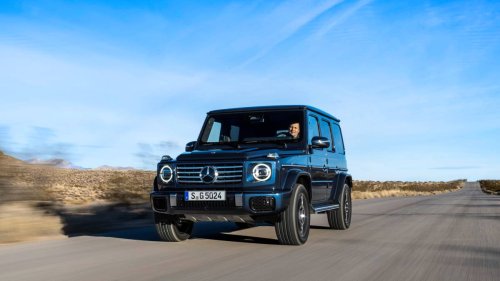
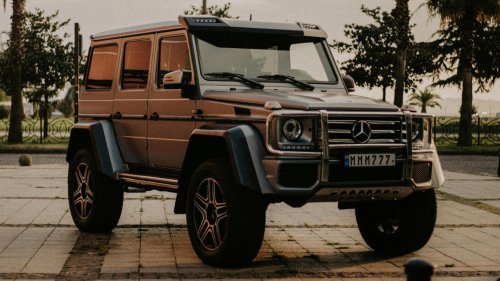
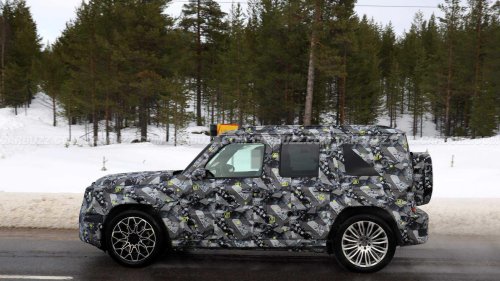
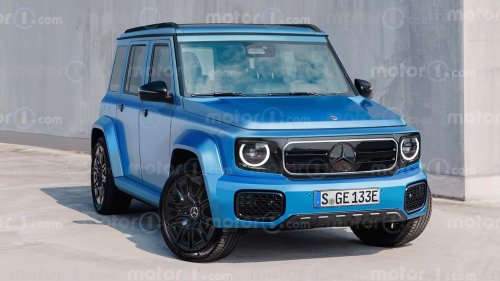
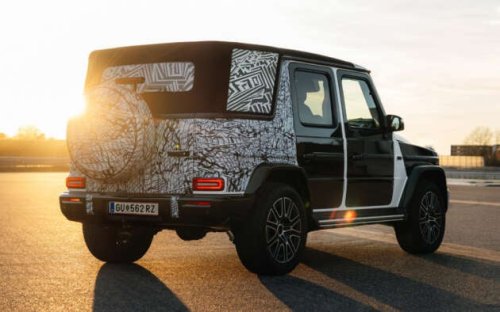
Image: Mercedes-BenzCiting sources within the Mercedes-Benz Group, Automobilwoche reports that the compact G-Class will be based on its MMA platform for compact vehicles and may be named the ‘g-Class’. It is intended to complement the larger G-Class – one of Mercedes’ most profitable model lines, albeit one in which the electric version has underperformed.For Kecskemét, a compact G-Class designed in the style of the larger model would represent a significant production order. It was already known that Mercedes plans to produce the electric C-Class at the site, including derivatives such as AMG versions with axial flux motors. Mercedes is set to celebrate the plant’s expansion and the launch of the new model on 13 July next week.According to Automobilwoche, Kecskemét is set to become Mercedes’ largest European plant as a result of this expansion. There, an additional production module has doubled capacity to between 300,000 and 400,000 vehicles annually. This will increase the Hungarian site’s share of European Mercedes production from 15 to ~30 per cent. For the German plants in Sindelfingen, Rastatt, and Bremen, this leaves an estimated total of approximately 900,000 units – about 100,000 fewer than before.Mercedes has invested around one billion euros in the expansion in Hungary. The number of employees is expected to rise by 3,000 to 7,500, based on earlier statements. Currently, the plant in Kecskemét produces, among other models, the internal combustion A-Class and the battery-electric GLB. The A-Class was previously manufactured in Rastatt; due to sustained demand, its production run has been extended until 2028 and relocated to Hungary.According to Automobilwoche, the previously confirmed successor to the A-Class is also likely to be produced in Hungary. Additionally, a portion of GLC production for the European market could be shifted to Kecskemét if Mercedes relocates the model from Bremen to its US plant in Tuscaloosa as planned. The GLC is Mercedes’ best-selling model worldwide.These relocations are part of an effort to reduce production costs, which Mercedes aims to cut by ten per cent between 2024 and 2027. Meanwhile, a new debate over further cuts is underway in Germany. CEO Ola Källenius has announced a productivity drive for the German plants, focusing on cost positions and potentially longer working hours without wage increases.IG Metall, the trade union, has opposed these cuts and announced protests. The backdrop includes not only internal cost pressures but also external challenges such as US tariffs and intense competition in China. While Mercedes has around 40 new models planned by 2027, it remains under significant pressure to improve the competitiveness of its production.automobilwoche.de (DE)



















 +32 others