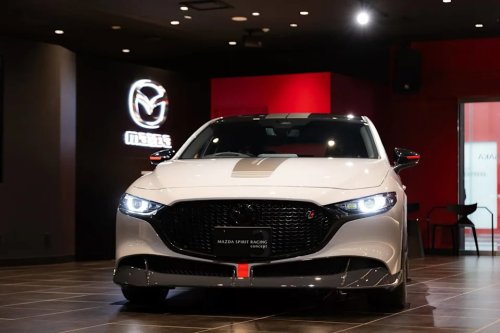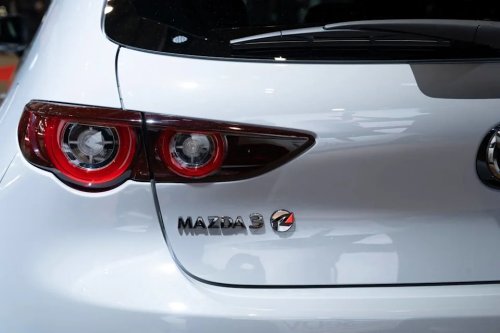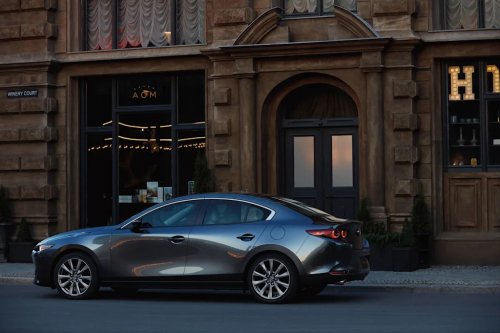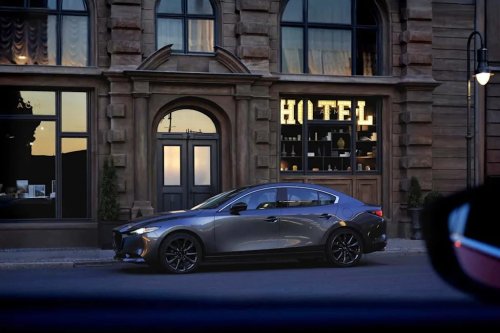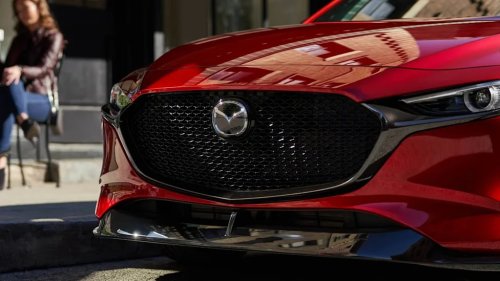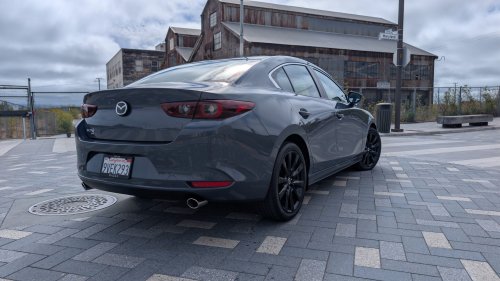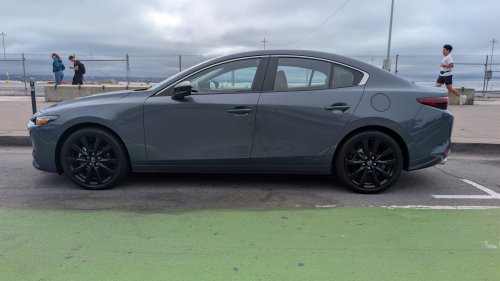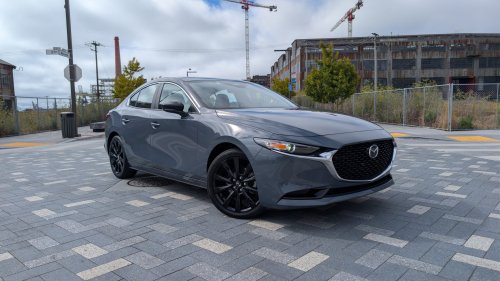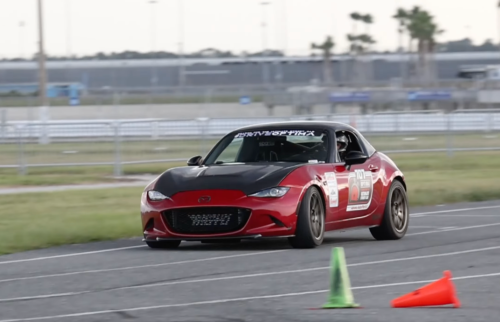





















Source: Mazda Source: Mazda Last October, Mazda revealed the aptly named Mazda Mobile Carbon Capture System concept, a setup that they claimed would remove CO₂ from the atmosphere as a vehicle is driven to help offset emissions. The brand went on to do proof-of-concept testing last fall, and they are now reporting that a recent test of the system was successful-and better yet, they added it to one of their race cars. Source: Mazda Source: Mazda 5 Small SUVs That Barely Depreciate The idea of being carbon neutral is fairly simple: Remove as much carbon dioxide and/or other greenhouse gases from the atmosphere as you produce. Given that carbon emissions are harmful and contribute to global warming and poor air quality, it is an admirable goal to minimize their impact. Mazda says being fully carbon neutral can further the driving experience, allowing drivers to "embrace the road with a clearer conscience." In an effort to build combustion-powered cars that can effectively offset their own emissions, Mazda launched a program to develop real-time carbon capture. The unit itself is a complicated thing that involves photosynthesis and biofuel conversion, with the net outcome resulting in the vehicle being carbon neutral. With a capturing unit developed, they shoved in into their #55 Mazda3 race car and set it free, then found it captured 84g of CO₂, or what they say is roughly 21 full 500ml bottles of carbonated drink. Source: Mazda Source: Mazda Months later, the Mazda Mobile Carbon Capture was back at it, affixed to the #55 again, this time at Round 3 of the Super Taikyu Series 2026. The car was powered by carbon-neutral hydrotreated vegetable oil (HVO) in an ongoing effort to maintain carbon neutrality, and Mazda came away from the event successful in their efforts. We'll let the chemists do the jargon-heavy talk showcasing how it all works, and why it worked at that: As in the previous test, zeolite with a porous structure was employed as the adsorbent. Zeolite readily releases CO₂ when heated, enabling the captured CO₂ to be desorbed using the exhaust heat generated during driving. The desorbed CO₂ is then compressed by an electric compressor and stored in a tank. Mazda has successfully demonstrated this integrated process as a complete system for the first time. As a result of repeating this process throughout the 24-hour race, a total of 804 grams of CO₂ was captured, achieving a significant advancement-approximately 9.6 times the previous result of 84 grams. Mazda also says that they beat their target, and they are going to push it further in Round 7 of the Super Taikyu Series this November. This is the next step in what they hope is an effort to make this a production reality, although that's still a ways down the line. The question remains: Why do this at all? Electric vehicles exist, as do alternative fuels like hydrogen, both of which have no on-road emissions to speak of (other than those from the rubber compound in the tires breaking down as the vehicle is driven). But Mazda remains committed to the combustion engine, so this is the path they're taking. We respect that. 2027 Ford Explorer ST Sinister Package: All The Details