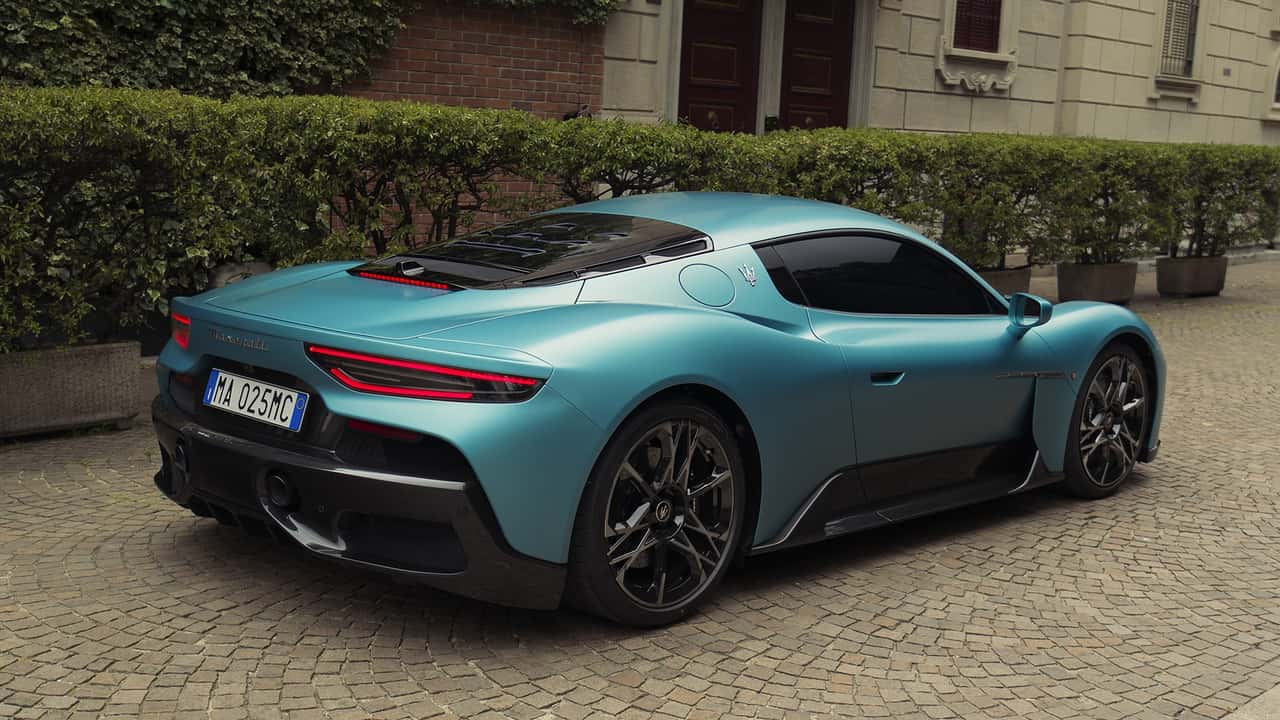
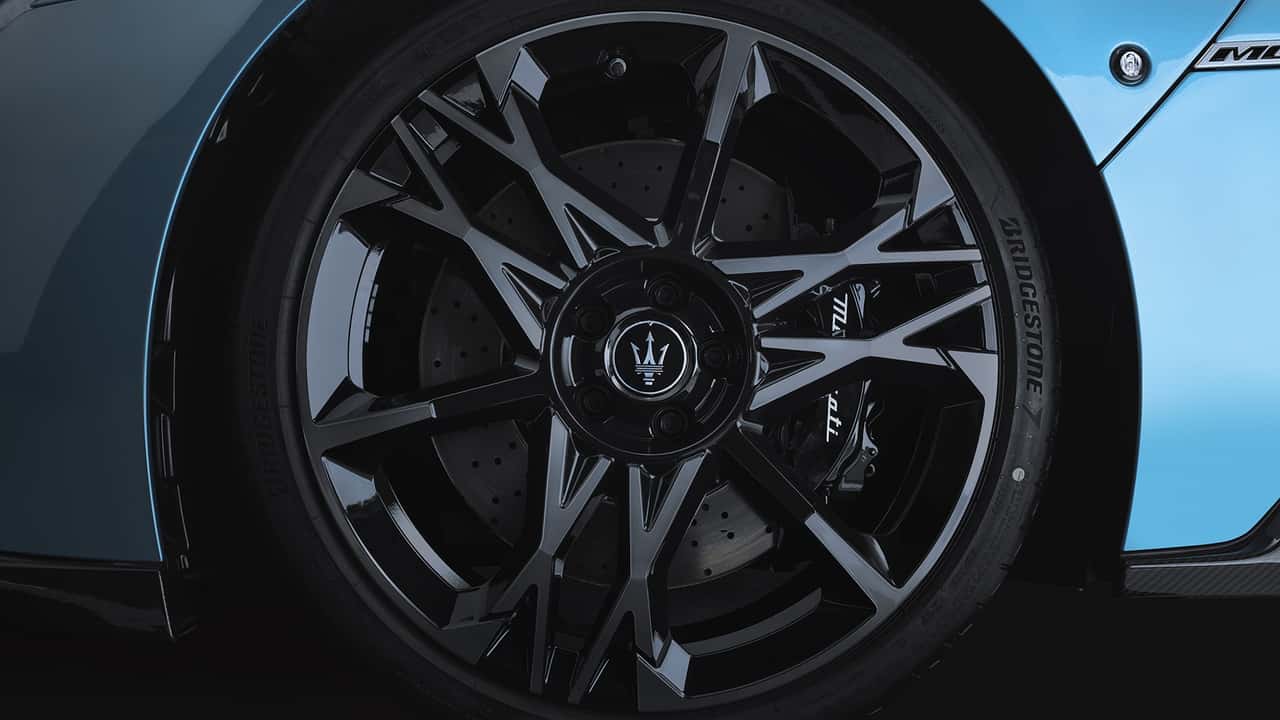
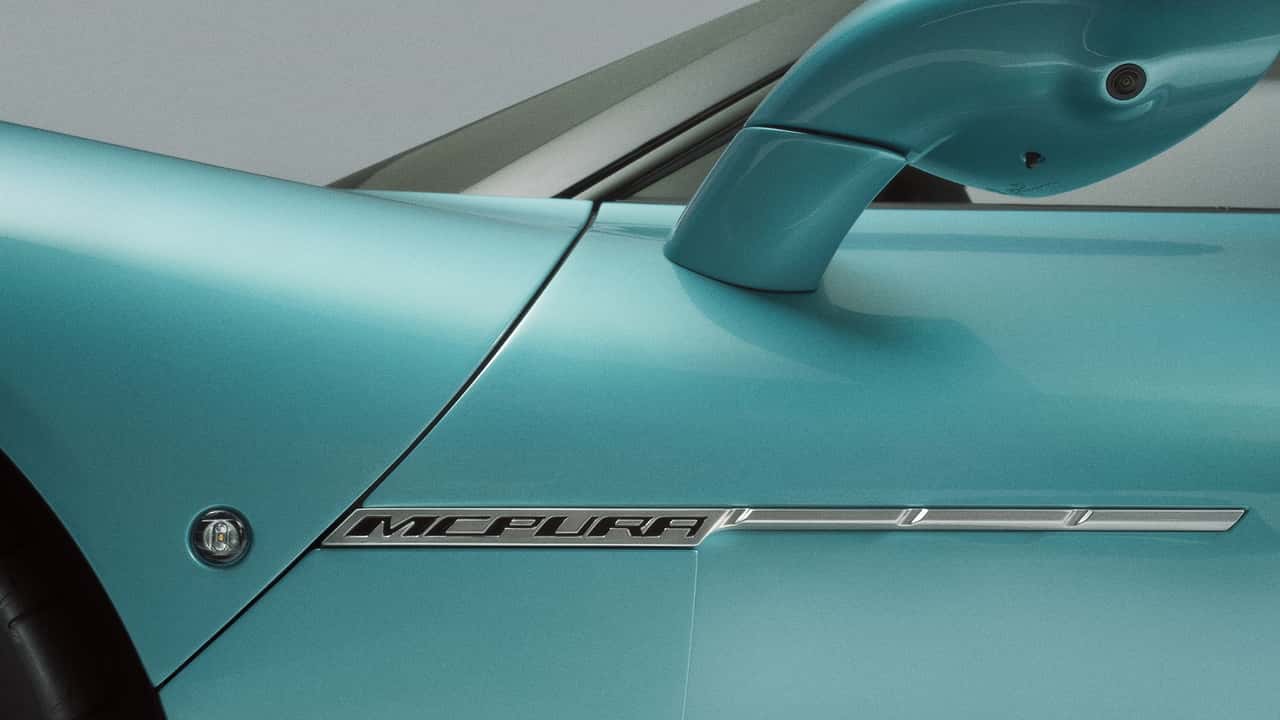
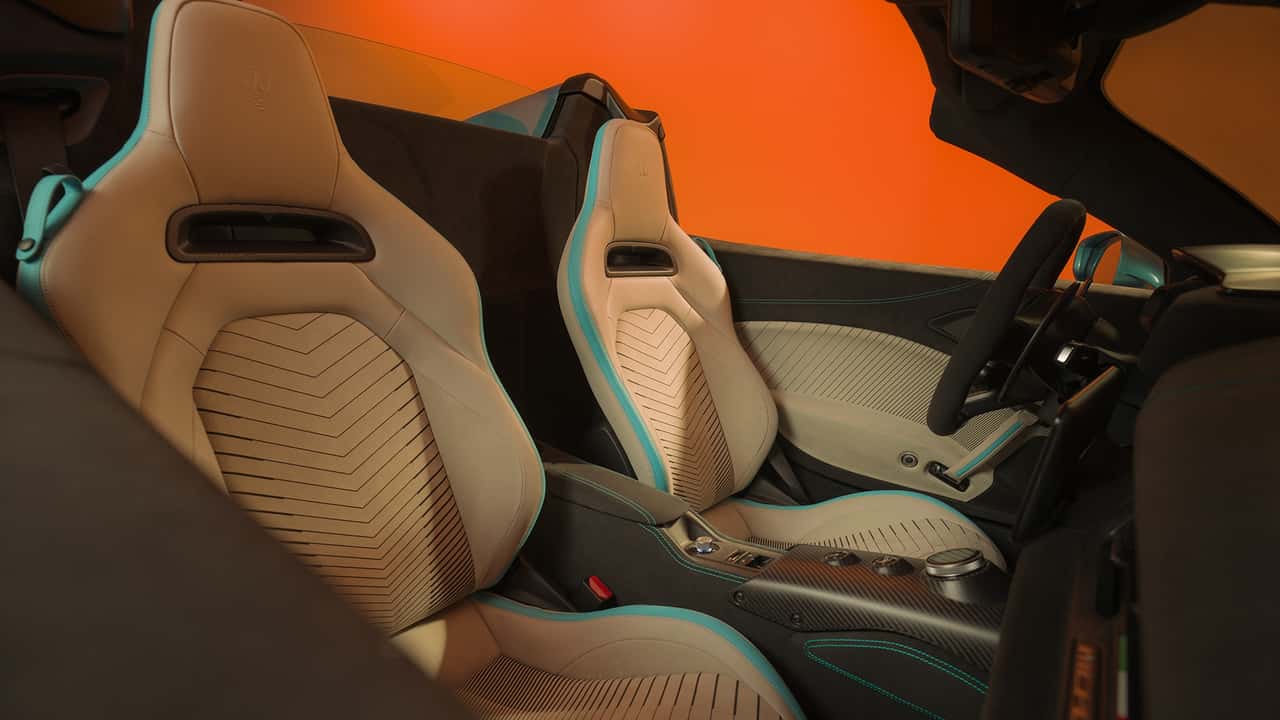
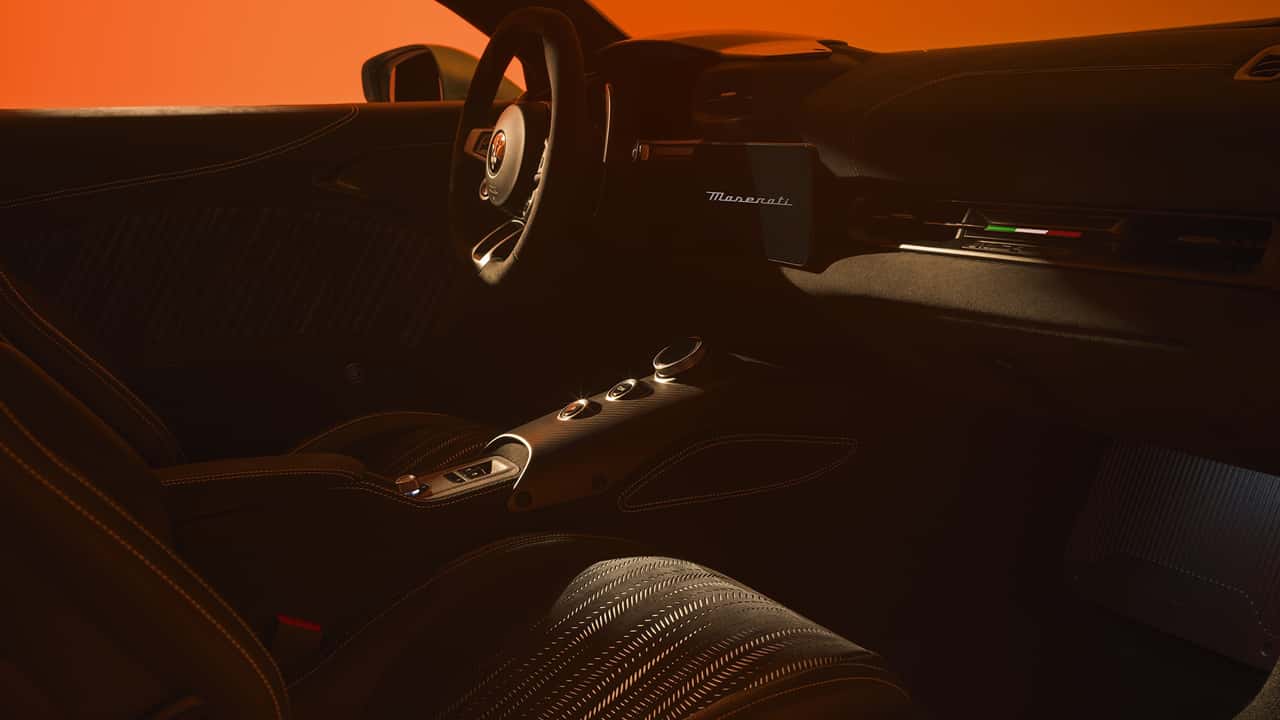
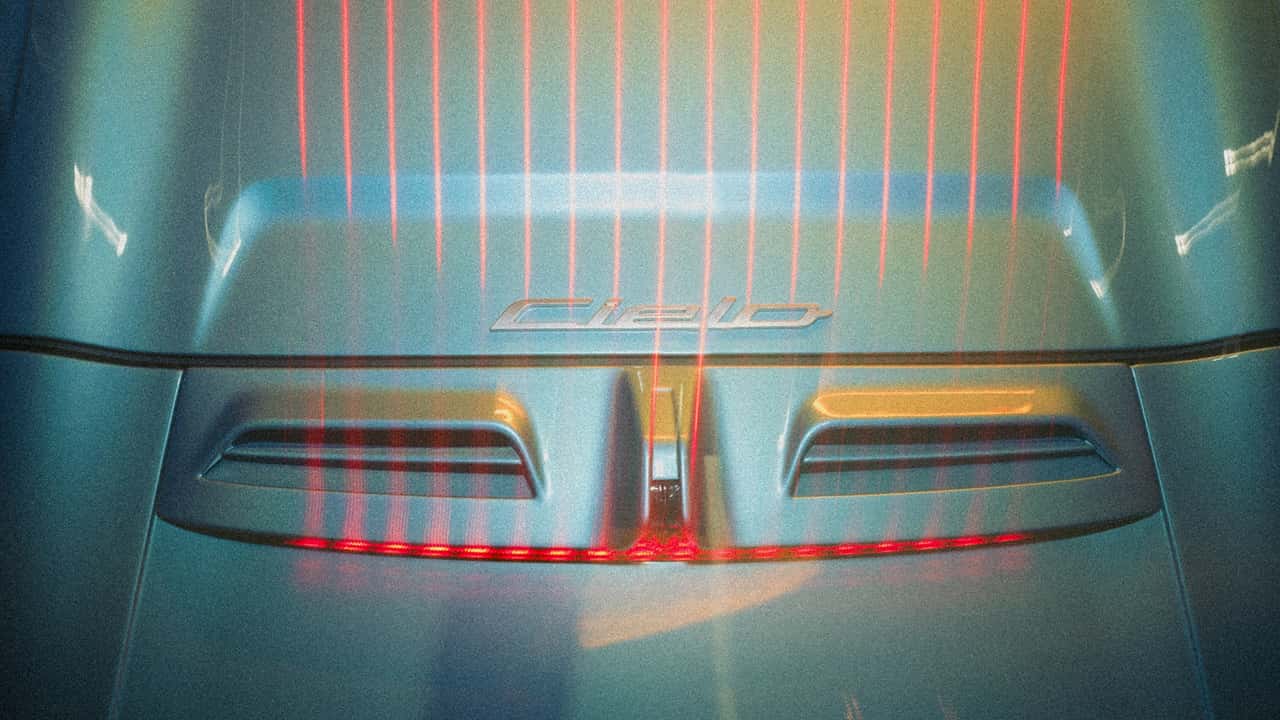
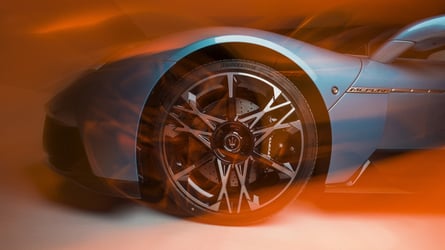
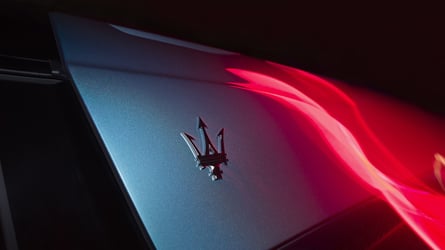
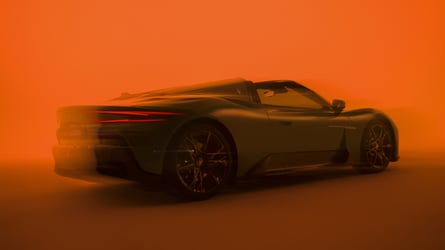
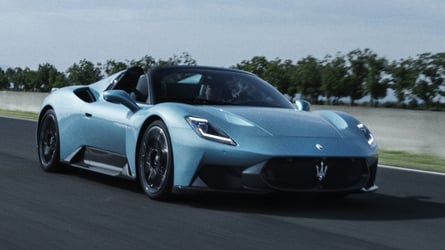
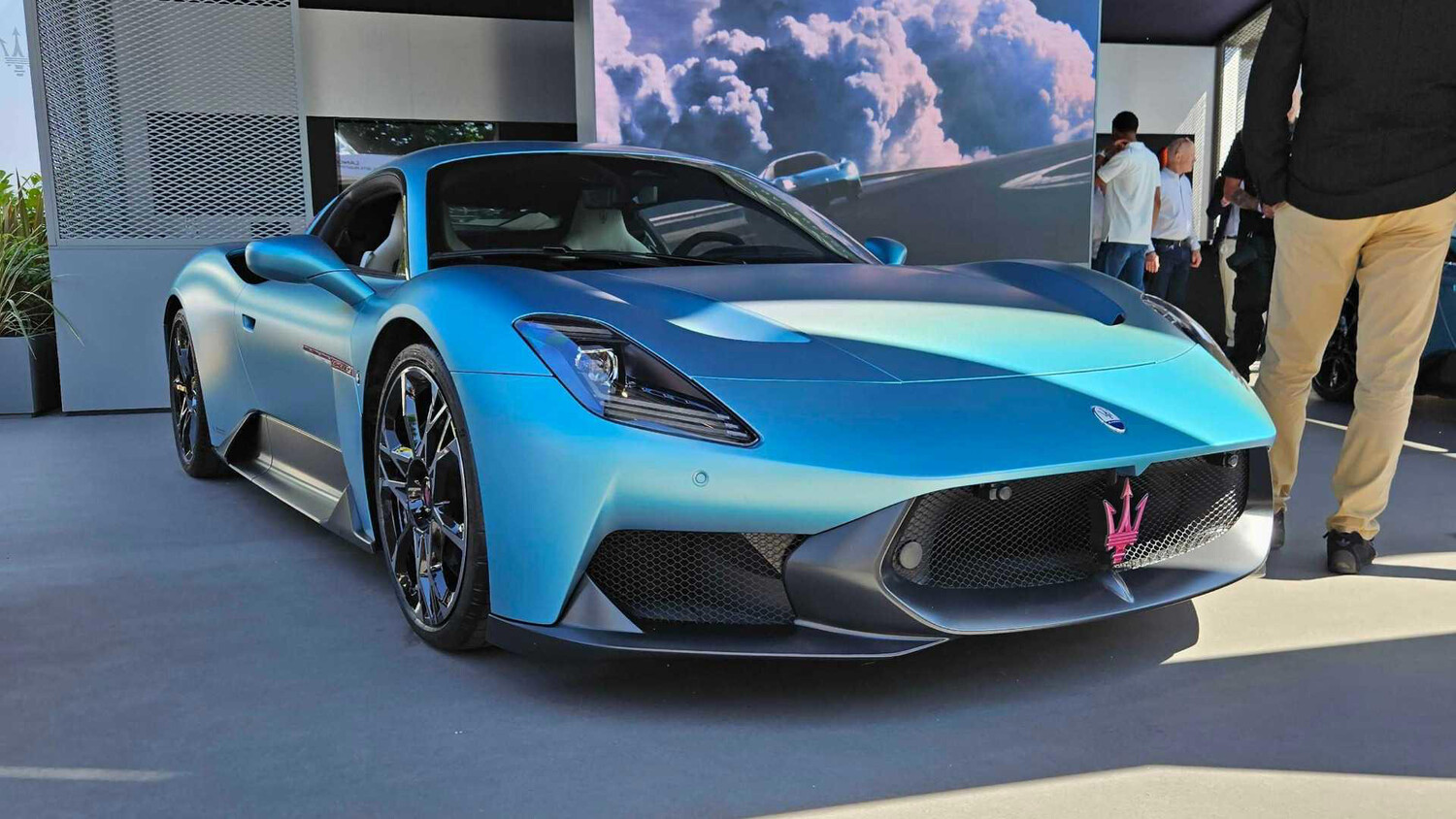
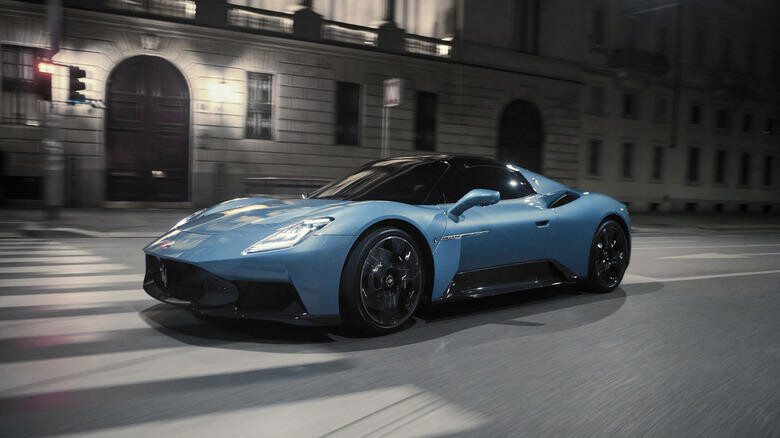
A sports car doesn't need extreme styling to be instantly recognizable. That's one of the ideas behind the Maserati MCPura, which Alessandro Conte highlighted during a presentation at Autostyle 2026. The discussion focused on the evolution of the MC family and Maserati's Fuoriserie customization program. The presentation explored how proportions, technology, and craftsmanship help preserve Maserati's identity. It also showed how the brand can reinterpret its signature design elements through different colors, materials, and finishes to create truly unique cars. This story originally appeared on Motor1 Italy The Importance of Proportions The Maserati MCPura carries on the legacy of the MC20, with clean surfaces and a shape built around its mid-rear engine layout. Its proportions, particularly the relationship between the front end, cabin, and rear, form the foundation of the design before individual details even come into play. The large Trident logo, oval grille, and sculpted bodywork make the car unmistakably Maserati, while the air intakes and aerodynamic elements blend naturally into the overall design. The goal is to balance elegance and performance without making the body look like a collection of technical components. Photos by: Maserati From Engineering To The Driving Experience Conte also walked through the engineering behind the MC family, from its carbon-fiber monocoque to the Nettuno V6 engine. These components don't just define the car's performance; they also play a major role in shaping its proportions and overall design. The development process includes everything from early sketches and digital modeling to prototyping and final production. The MCPura Cielo, for example, required structural changes to accommodate its open-top design, but it retains the same core technical and styling elements as the coupe. Inside, material choices reflect both the car's sporting character and the experience of spending time behind the wheel. Alcantara, for instance, offers breathability during spirited driving, while the layout of the controls and choice of finishes strike a balance between functionality, visual simplicity, and luxury. Photos by: Maserati Fuoriserie Turns Design Into Personalization Launched in 2020, Maserati's Fuoriserie program takes the brand's design philosophy a step further by giving customers more freedom to personalize their cars. Its Corse, Futura, and Unica collections offer three distinct design directions, alongside special configurations and fully bespoke creations. Several examples were on display at Autostyle, including different interpretations of the MC20 Cielo and MCPura Cielo. The lineup also included creations from the Fuoriserie Bespoke program, ranging from the more experimental MCPura Cielo Less is More...? to commemorative models like the Tributo 1926. Through different colors, materials, and design details, Maserati can give its cars a completely different personality without having to change the underlying architecture. It's a way to make each vehicle feel personal while keeping the design unmistakably tied to the Trident. Also on display in the Autostyle courtyard, alongside the MCPura Cielo, was the GranTurismo Trofeo MY27, which recently received a redesigned front end. The two cars have very different proportions and architectures, but both follow the same design philosophy: combining elegance, performance, and unmistakable Maserati styling. What do you think? Maserati has an extraordinary history, a well-established identity, and a loyal community of enthusiasts who continue to rally around the Trident. But the brand also faces the challenge of figuring out what comes next. That future will depend on plenty of things, from industrial strategy to new technologies, but design will remain a crucial part of the equation. After all, Maserati doesn't just need to build cars that perform well. It needs to keep building cars that people can recognize as Maseratis at a glance. Gallery: 2026 Maserati MCPura Cielo