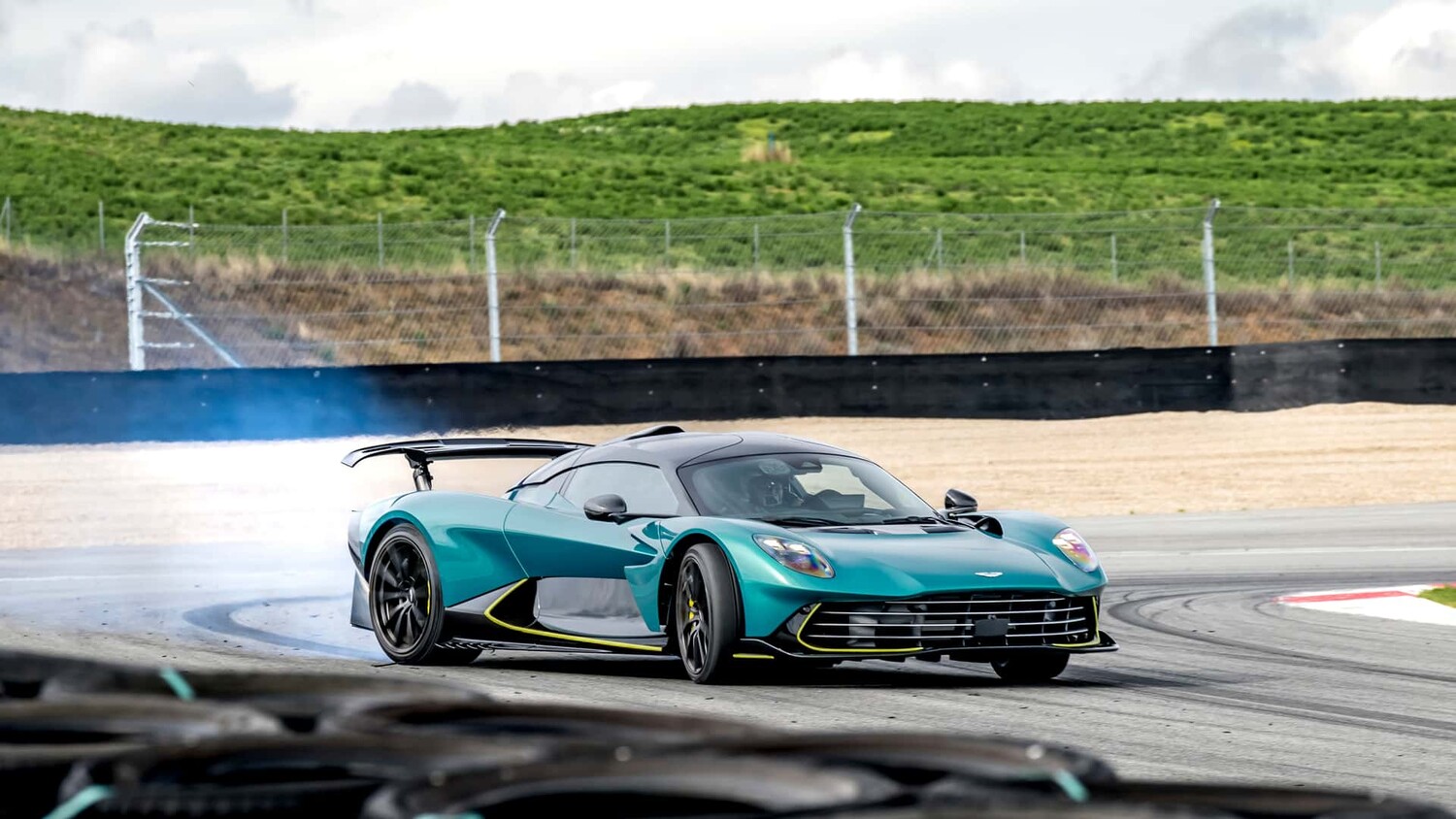
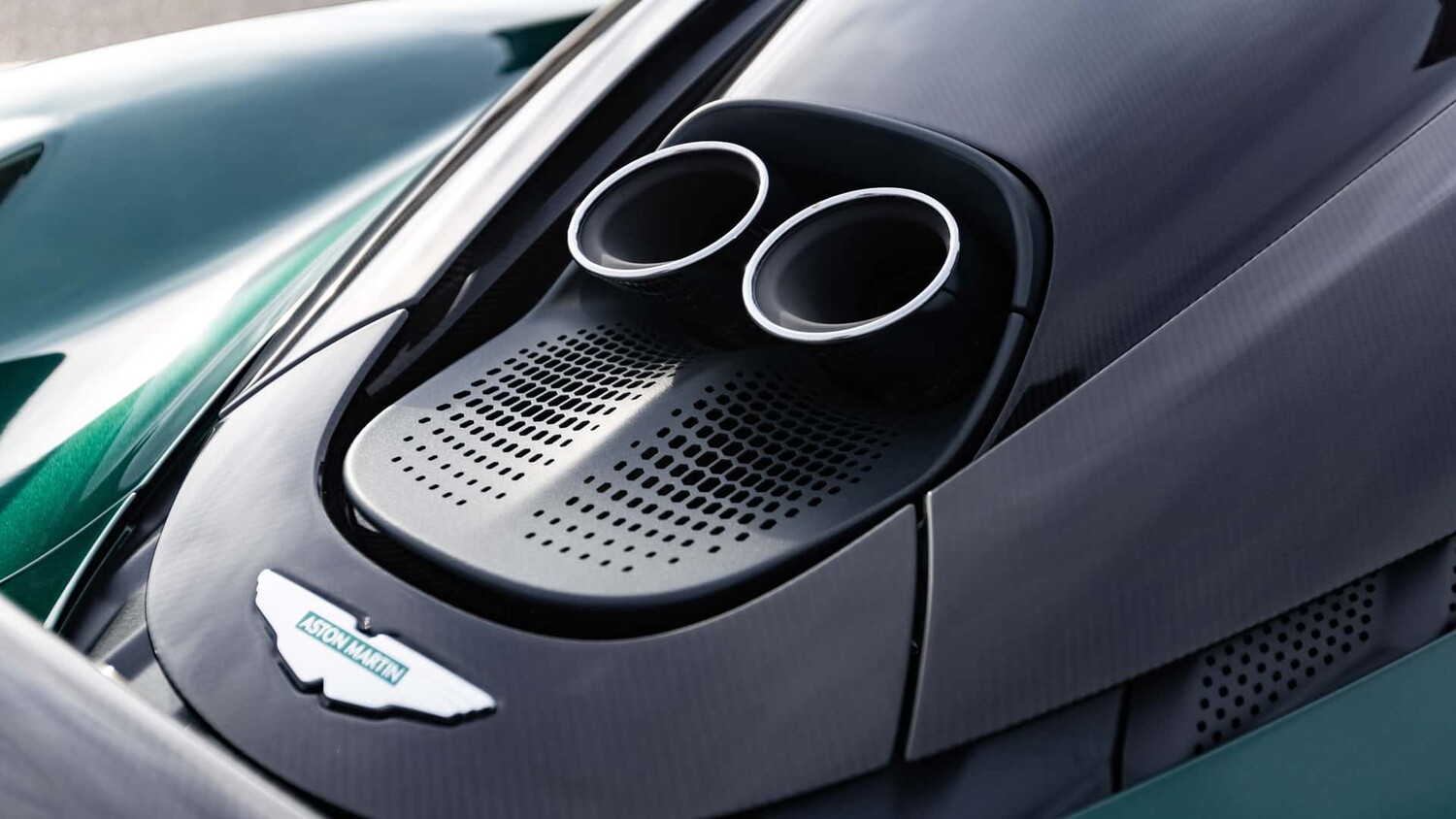
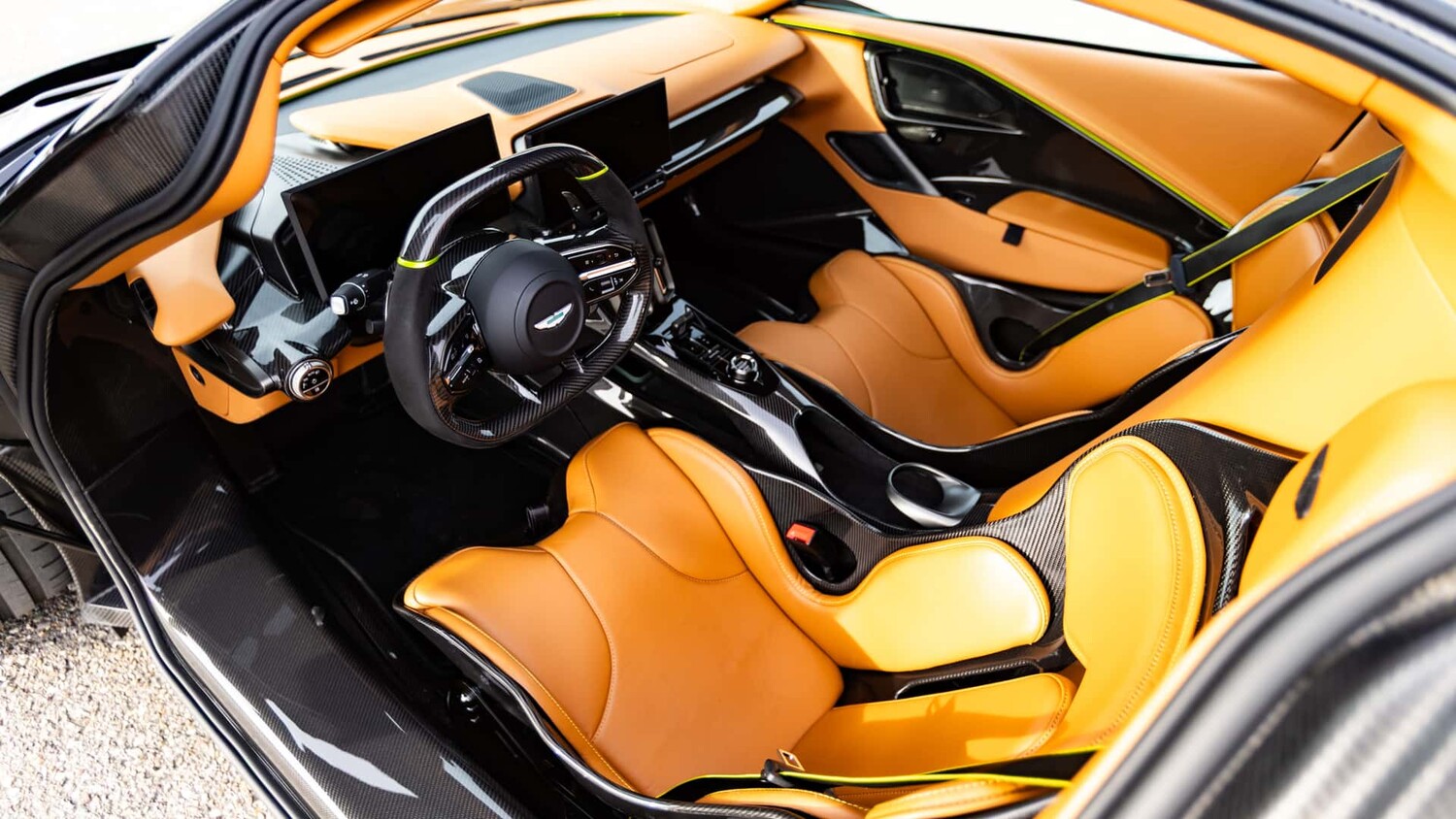
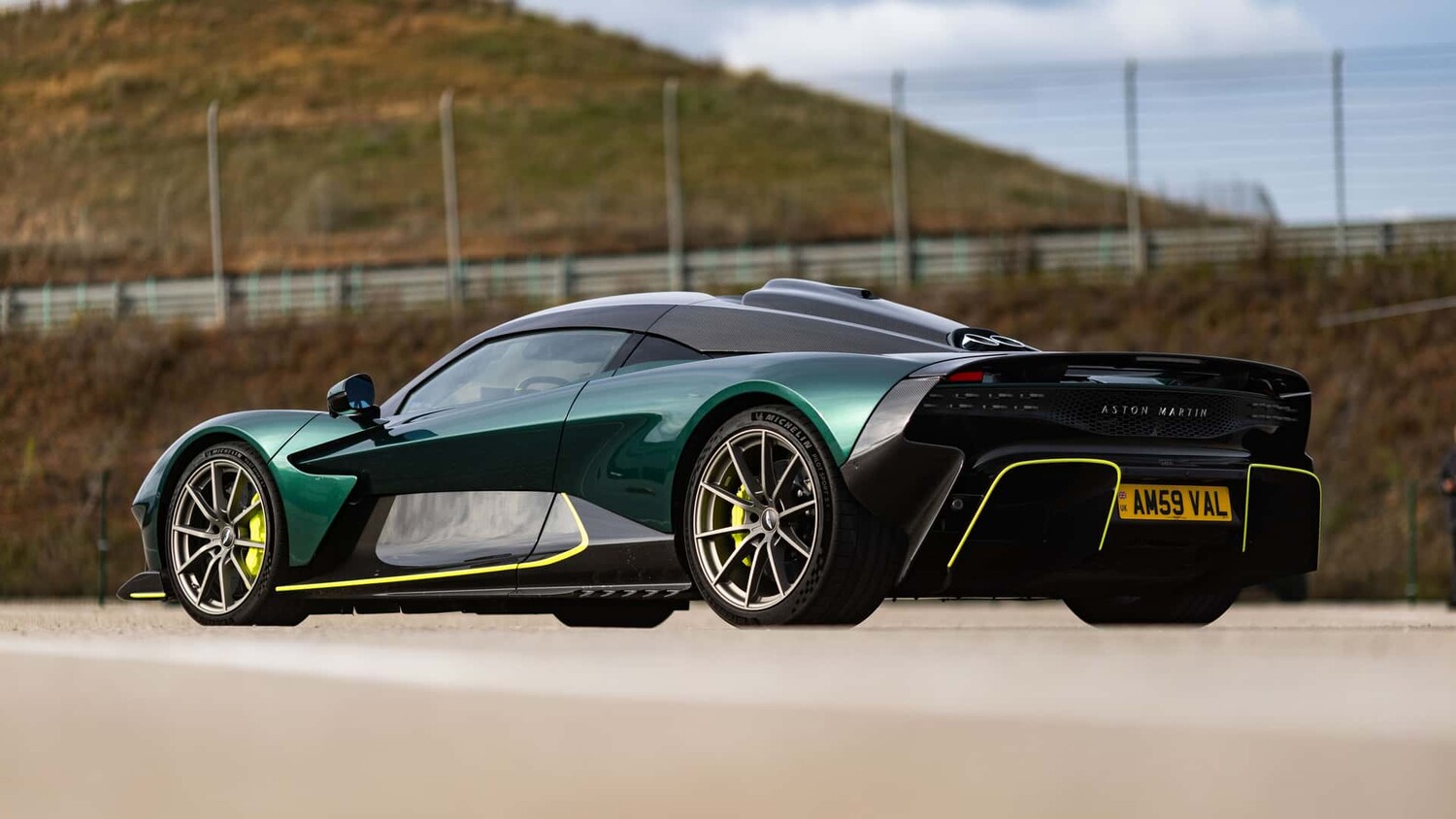
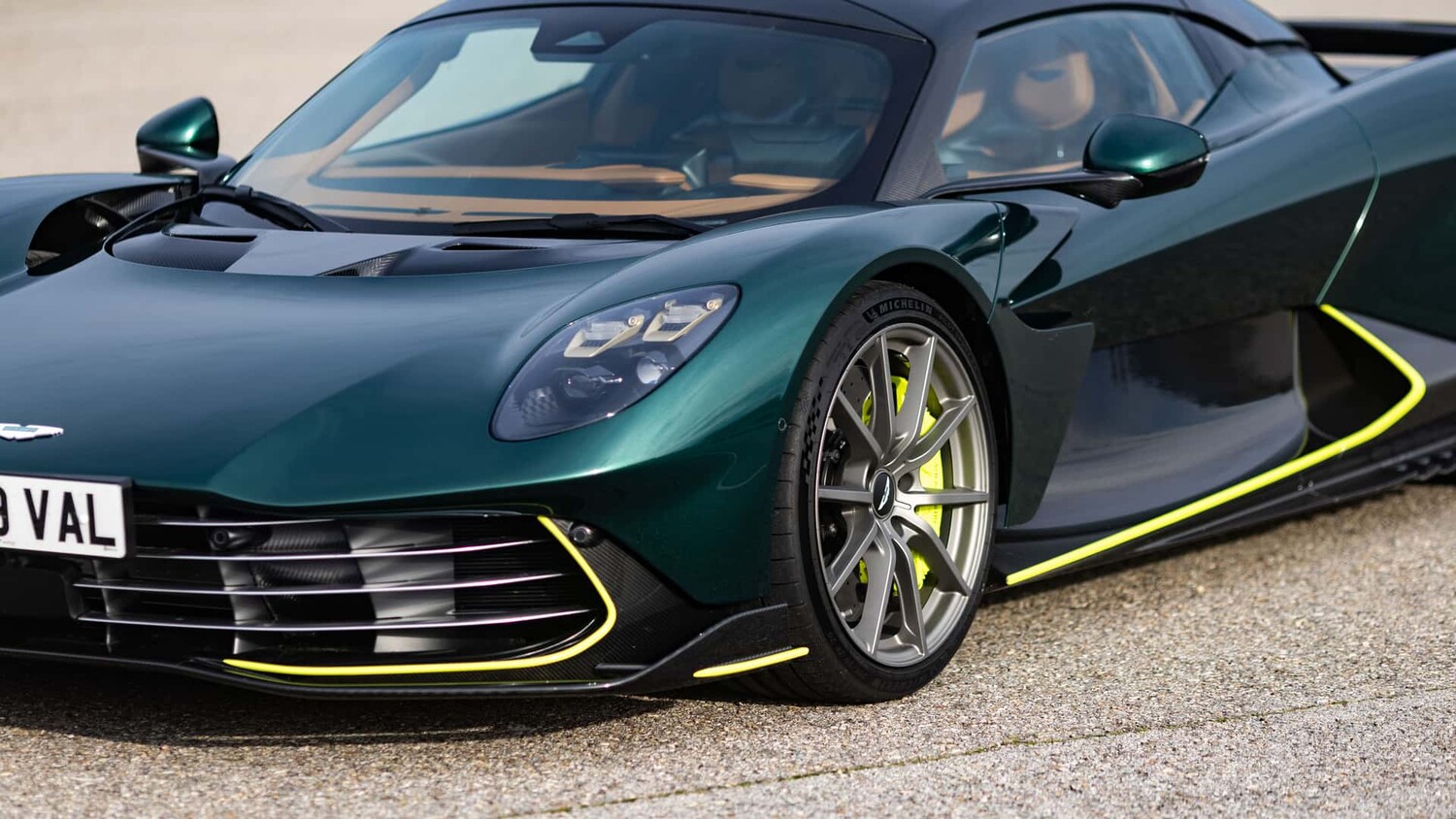
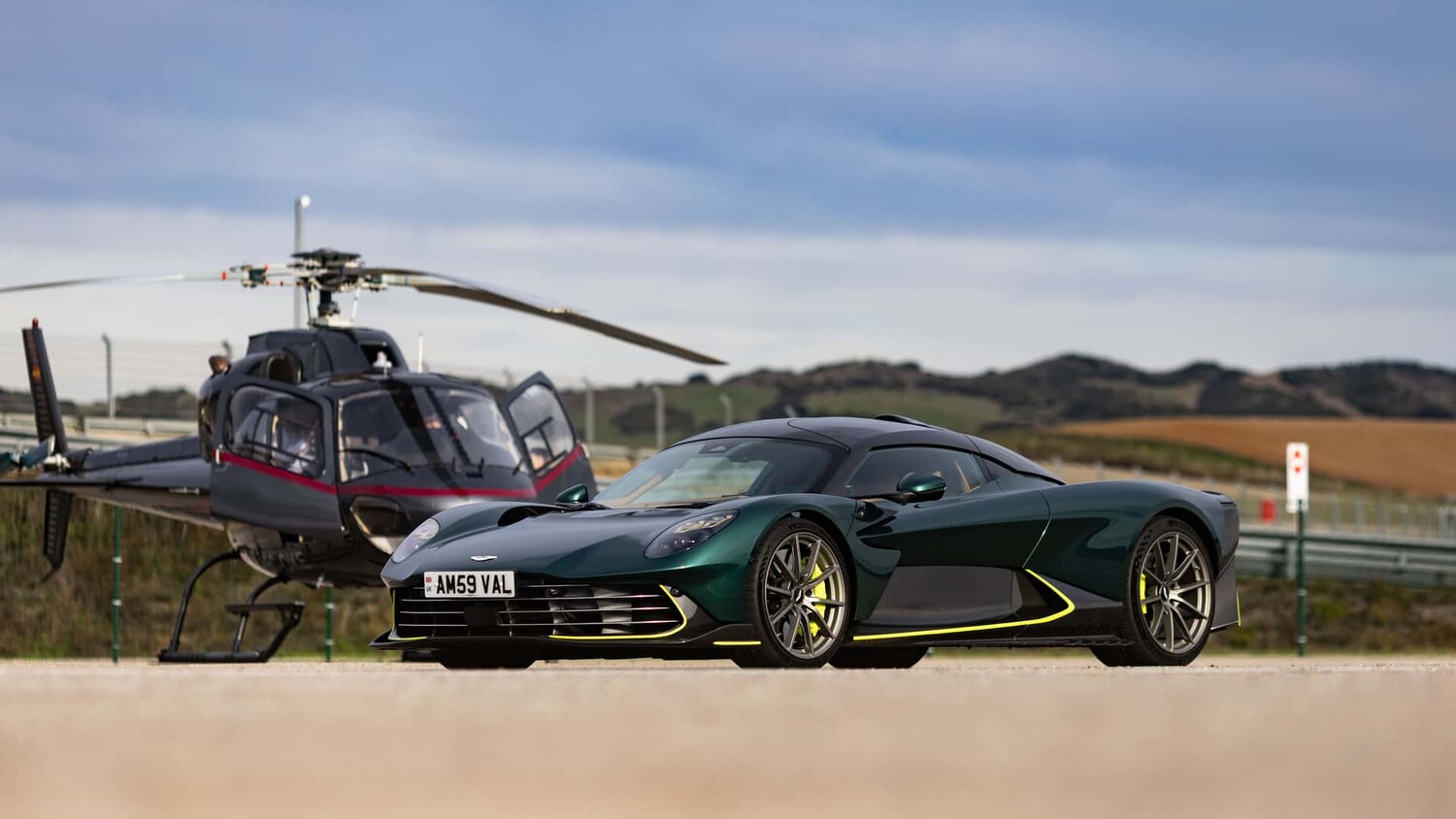
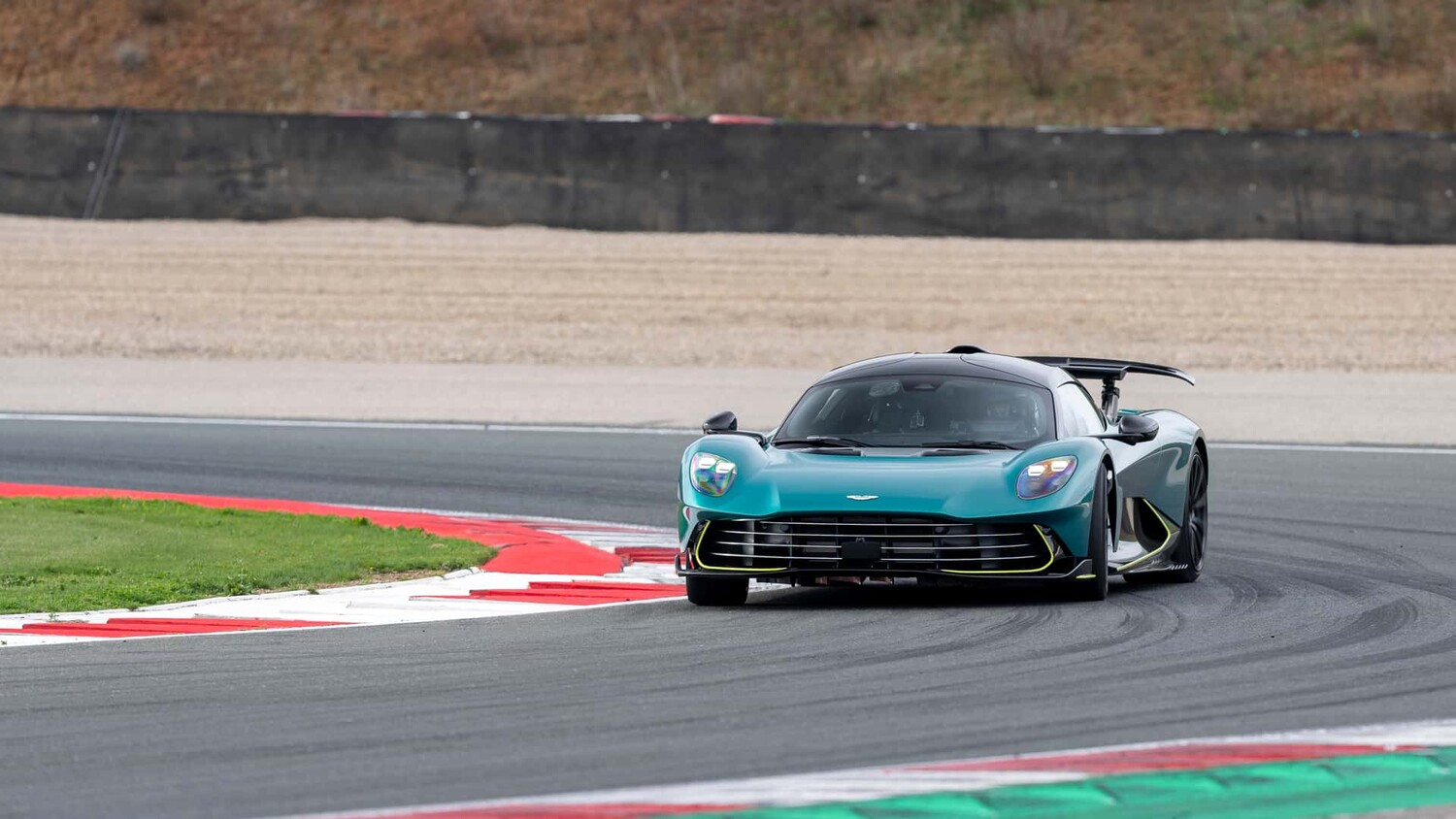
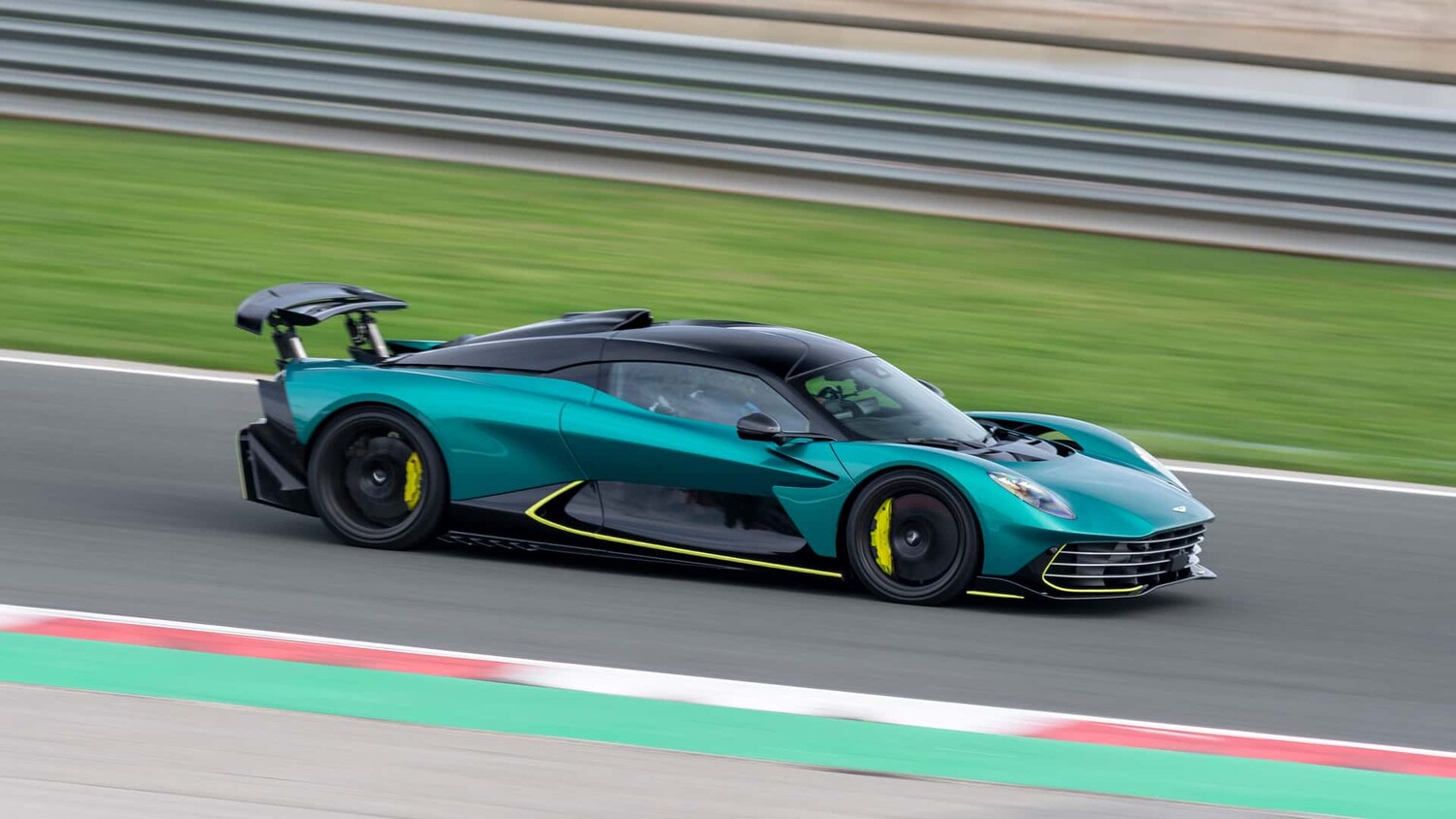
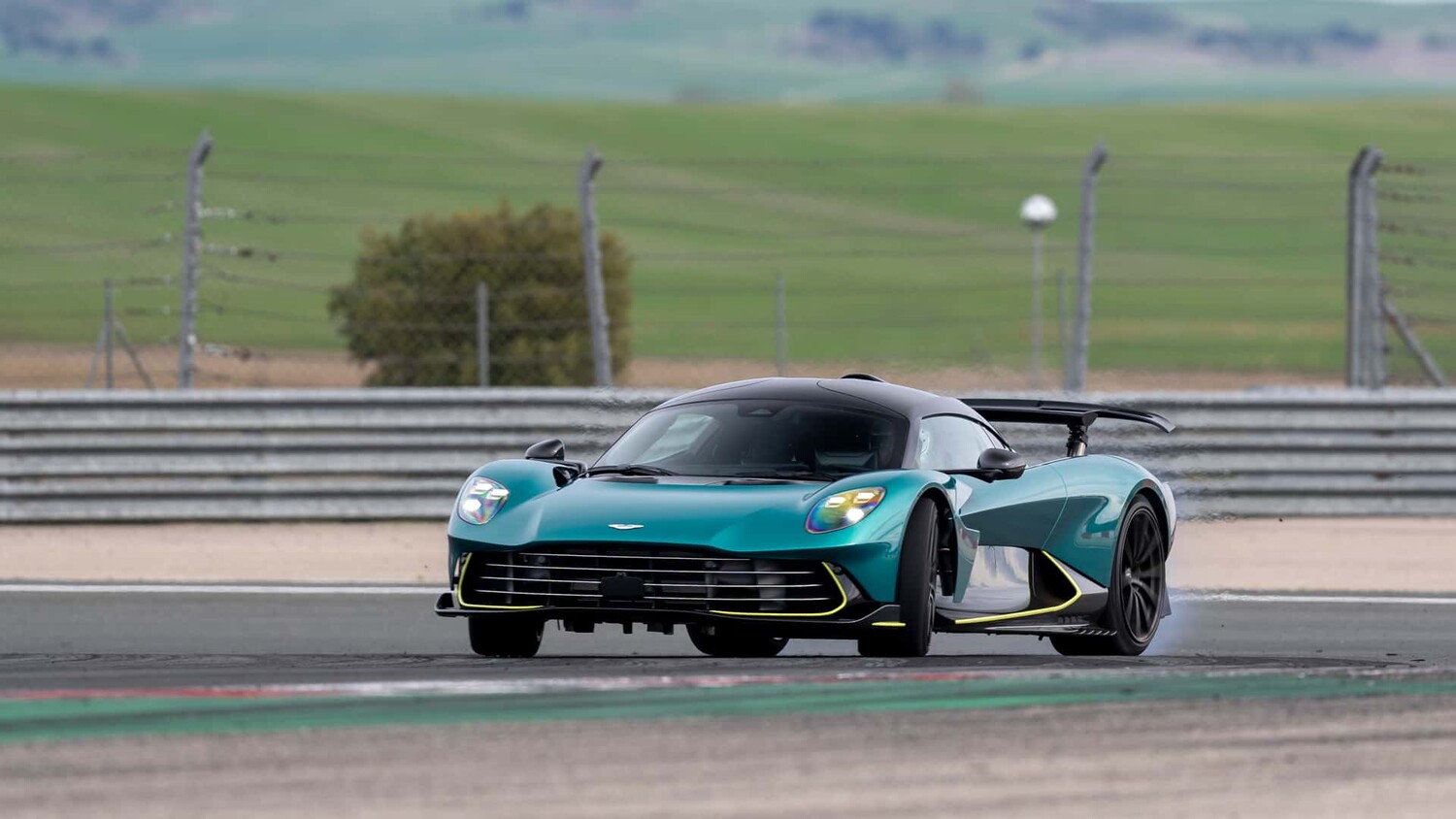
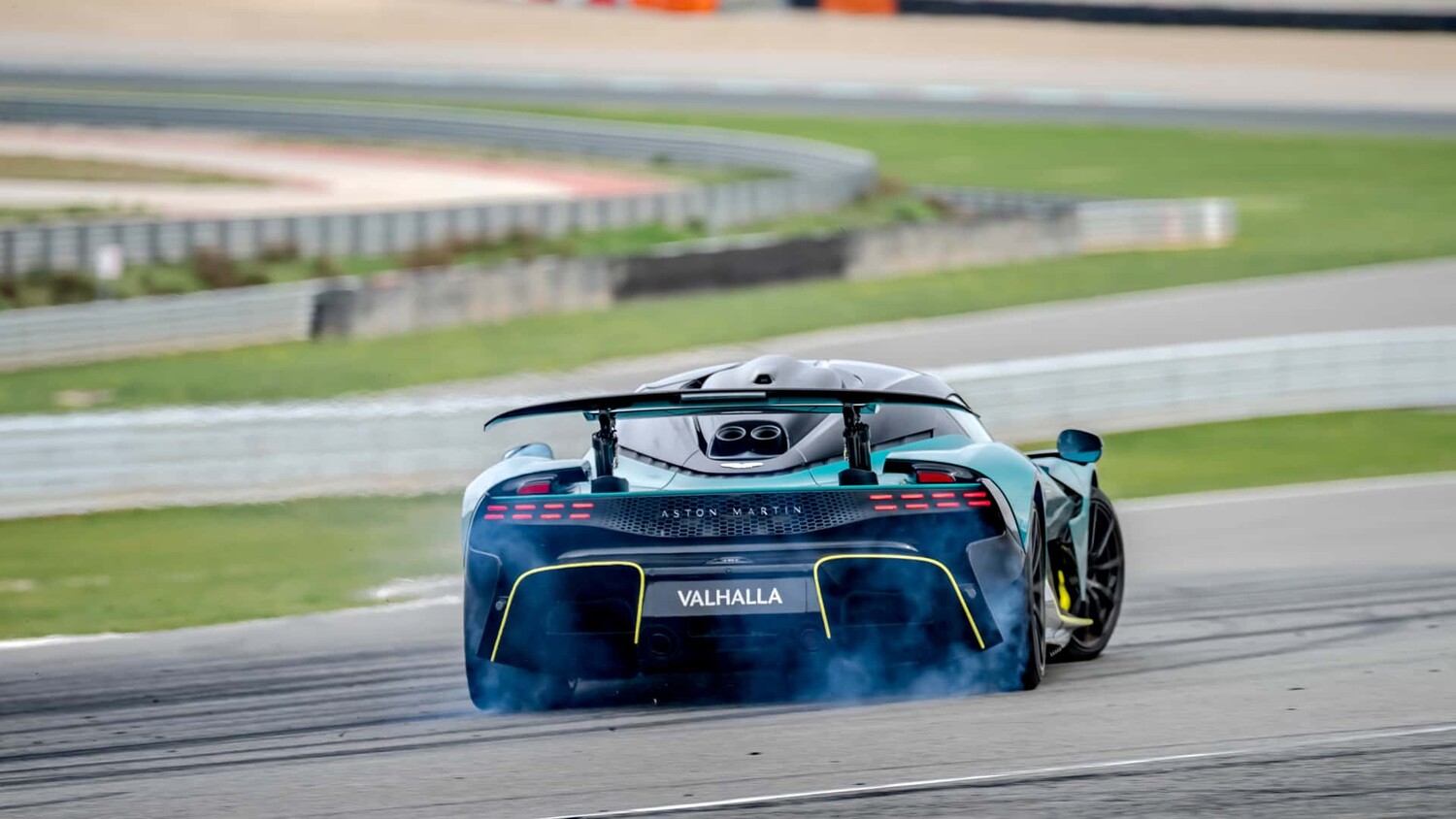
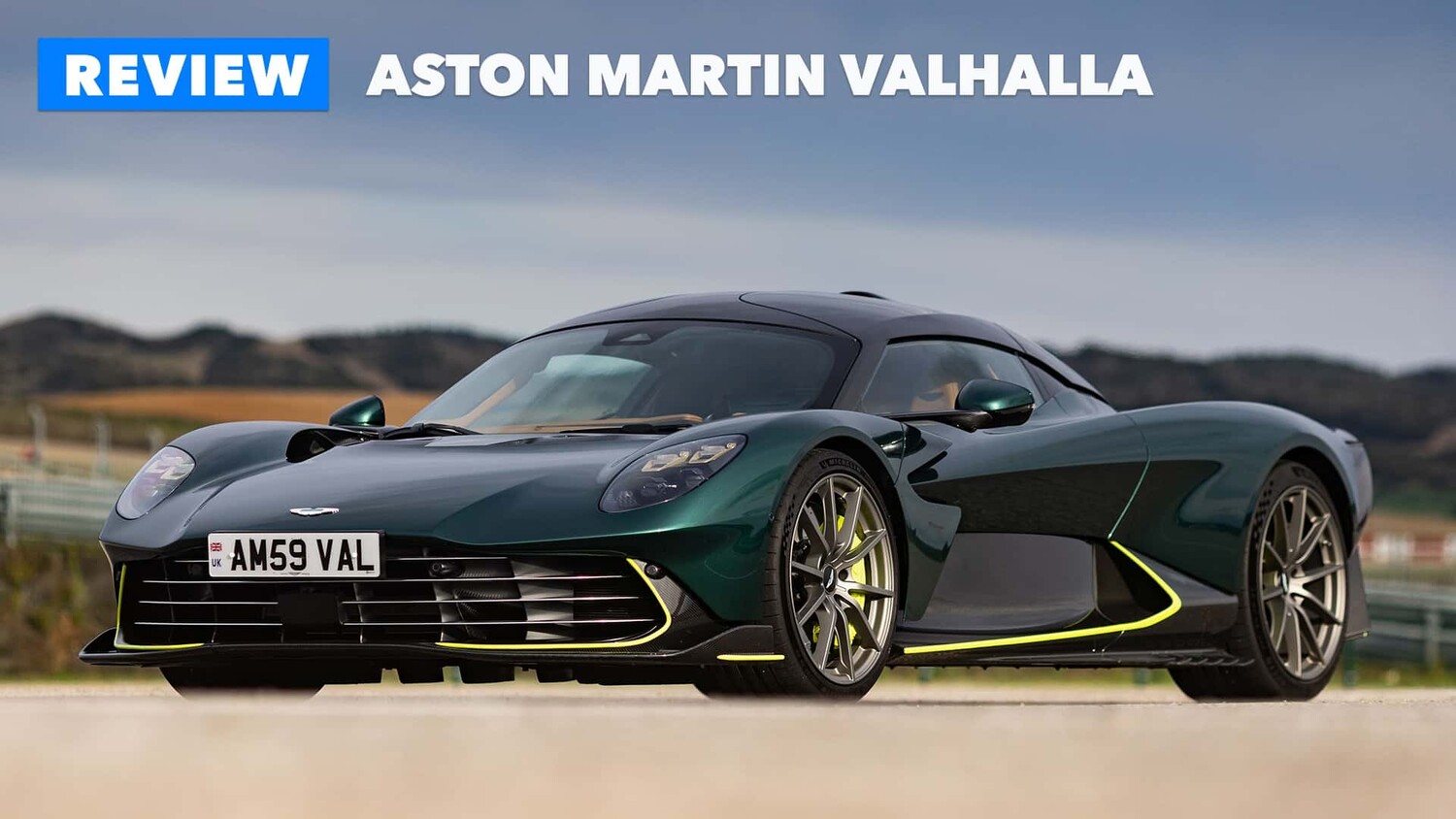
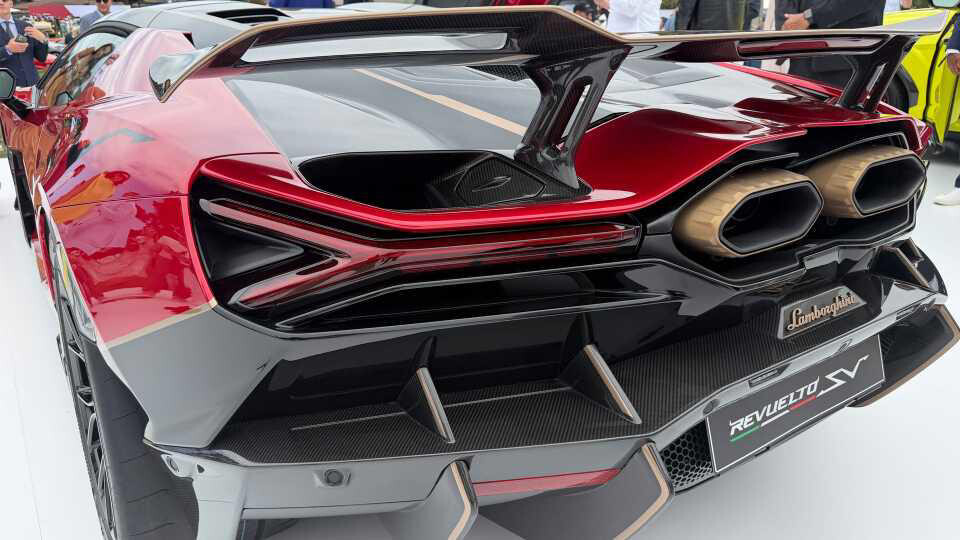
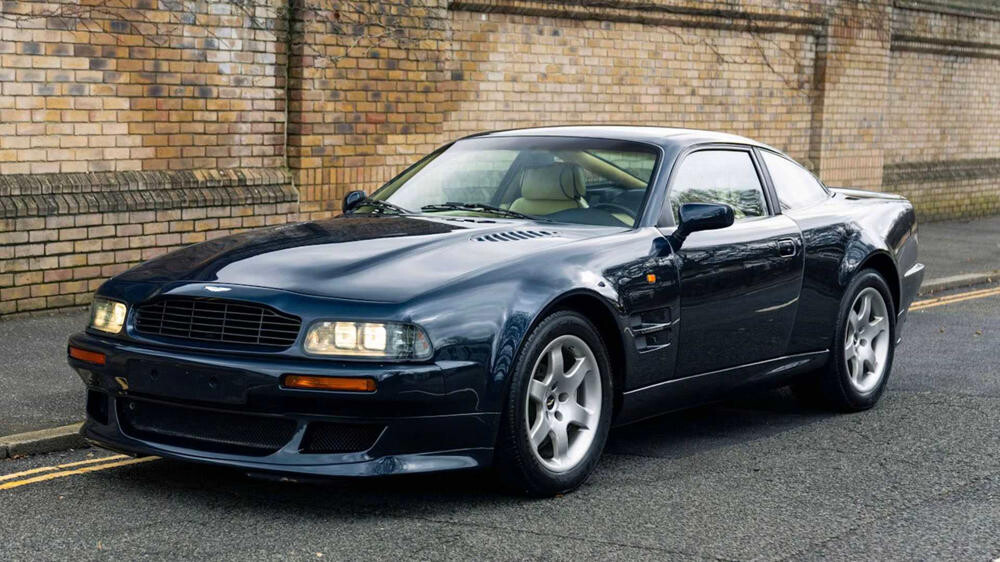
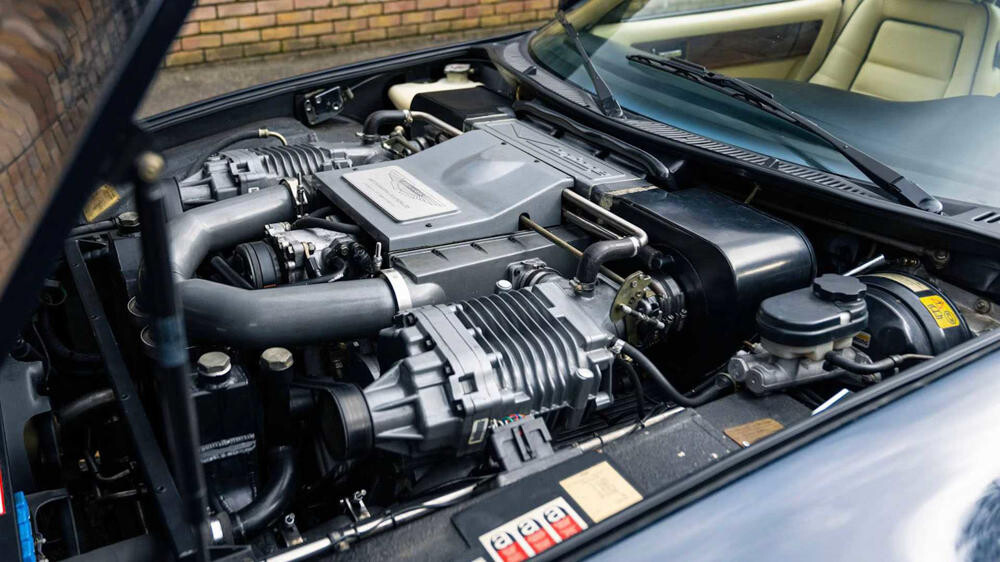
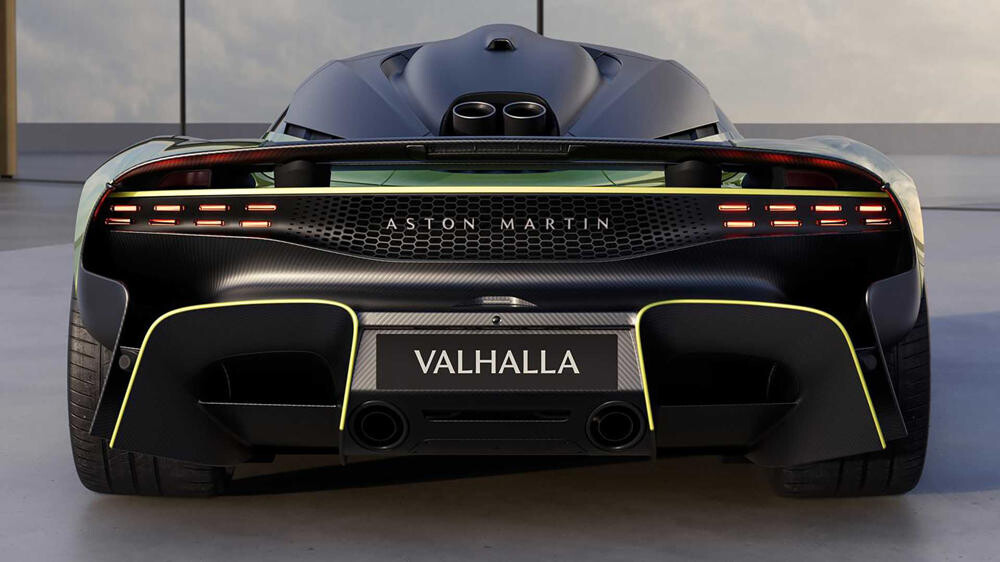
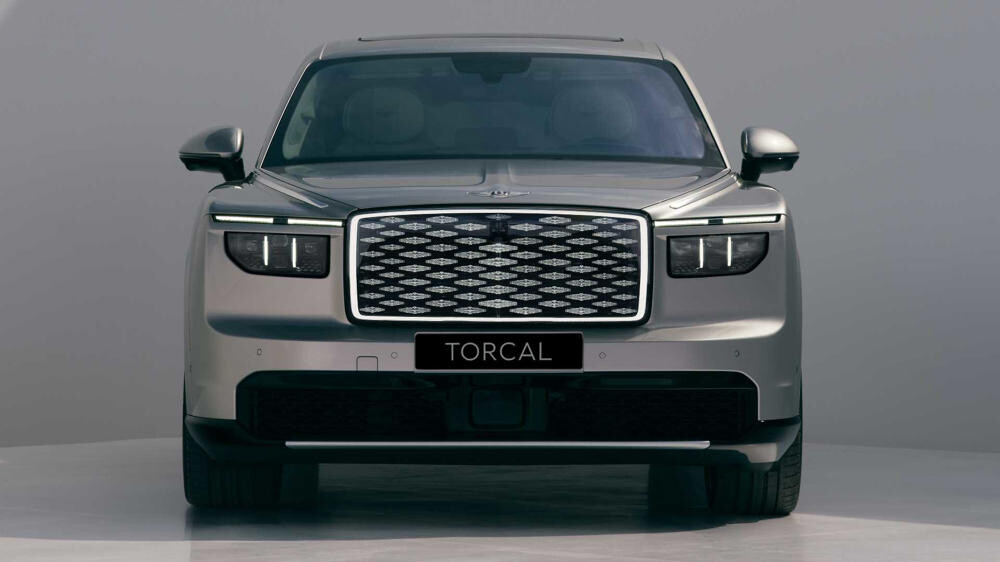
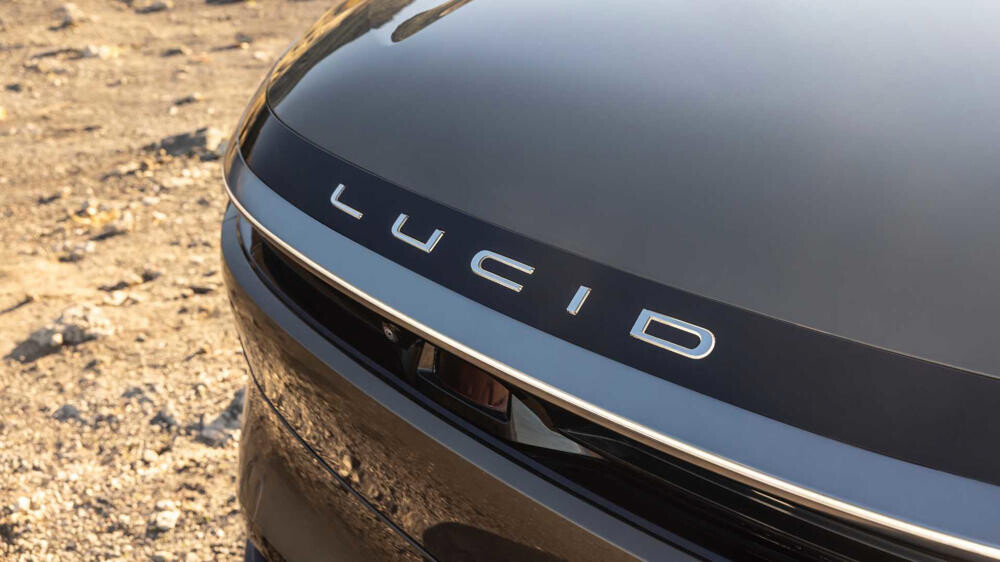
UPDATE: 2026/11/14 08:42 EST BY SILVIAN SECARA Delaying The First Electric Aston Could Actually Make It Better We added a section discussing how Aston Martin's strategy could pay off. Not so long ago, as electrification started to take hold, enthusiasts may have been more than a little worried about Aston Martin's V8s and V12s. But while the writing seemed to be on the wall, times changed and internal combustion turned out to have a future after all. And as it transpires, Aston has some significant plans for those heavyweight engines and intends to keep them compliant through 2035. It'll still embrace electrification, but the company doesn't believe that its core cars need the weight penalty of those large plug-in hybrid systems. Aston Martin Says Its V8s And V12s Can Survive To 2035 Aston Martin CEO Adrian Hallmark has a cunning plan in place. He says Aston has a roadmap that will allow it to keep both V8 and V12 engines compliant through 2035 and that it intends to delay the launch of its first full EV until 2033 or later. Hallmark’s confidence may come from the slowdown in the initial rush toward an all-electric performance car future. And his decisions mean that Aston should remain predominantly ICE-based through the run-up to 2035, even though it may need some degree of hybridization along the way. Aston's first battery electric vehicle could arrive somewhere between 2033 and 2035, but it's certainly not an immediate priority. Much will depend on Aston's efforts to make sure the V12 engine remains compliant. Hallmark's plan revolves around the company keeping that V12 in line with European and US regulations, with an annual sales target of less than 1,000 cars as a volume cap/exemption strategy. Low volume is therefore part of what makes the strategy viable, and Aston certainly won't continue to build unlimited numbers of twelve-cylinder cars indefinitely. Some form of hybridization appears to be necessary in any case and that's where Aston Martin begins to look very different compared to some of its closest rivals. Aston Martin Doesn't Want A 440 Pound Plug-In Hybrid Penalty Hallmark has been quite clear about the company's approach to hybridization. He confirmed that it will be part of the company's future but, according to the CEO, “probably not plug-in because we don't need … the 200 kg (440 lbs) penalty." He is, of course, using a nominal figure when it comes to a hybridization weight penalty. Battery size, motors, power electronics, charging equipment, and cooling requirements all come into that weight-bearing picture. But the basic issue is still unavoidable. Any PHEV needs to have a sufficiently large high-voltage battery so it can provide meaningful electric range, and it also still needs to carry an ICE engine, transmission, and fuel system at the same time. Such additional weight may not be a big issue for something like a luxury SUV, as it can probably hide a couple of hundred kilograms elsewhere and still do its job. In a sports car, however, the consequences become difficult to ignore. An OEM can up the power of the engine to compensate for weight during acceleration, but it won't be able to completely eradicate the additional inertia that such weight can cause during braking and rapid changes of direction. Aston's alternative will probably involve a lighter form of electrification, such as 48-volt hybrid technology. This could assist the combustion engine and electrically support systems like air conditioning or turbos, but the vehicle wouldn't need a large traction battery of the kind associated with a PHEV. Such technology would allow the company to gain some of the performance and emissions benefits of electrification while still staying closer to the weight, packaging, and dynamic characteristics of cars like its Vantage and Vanquish. Valhalla Shows Aston Martin Isn't Against Plug-In Hybrids Aston's future plans may not revolve around plug-in hybrids, but nevertheless it already has one sitting in its showrooms. This is Valhalla, and its extreme sophistication underlines a particular point. In addition to its 4.0-liter twin-turbo V8, it also has three electric motors, and combined, the system produces 1,064 hp. There's a 6.1 kWh high-voltage battery to supply the electric portion of the powertrain and the Valhalla can get to 62 mph in 2.5 seconds on its way to a 217-mph top speed. Front motors provide electric-driven front-wheel drive and torque vectoring, and the third motor sits within the transmission. The electrical system also provides reverse drive, which eliminates the need for conventional reverse gear. But even though the plug-in hybrid system appears to work particularly well in the Valhalla, this vehicle is not one of the company's core products. Instead, it's an extreme, limited-production supercar where electrical system assistance actually helps to deliver substantial parts of its performance advantage. In any case, the Valhalla is a product of Aston's earlier strategy, which came before the meaningful shift away from that approach, as outlined by Hallmark. In 2024, Aston actually said that it was prioritizing PHEV technology, starting with the Valhalla, and would transfer the knowledge and technology from that exercise across to its core model range. But a lot changed in a relatively short space of time. By 2026, Aston believed that the compromise required by a plug-in system would be unnecessary for its core range. That approach could still work for the Valhalla though, as the hybrid's extra weight is not a big deal alongside that vehicle's heady performance characteristics. Bentley, Ferrari, And Lamborghini Are Making Very Different Bets Hallmark and Aston may have placed their bets on the future of electrification, but it is nonetheless interesting to see how competitors are taking some remarkably different approaches. For example, Bentley already has four electrified model lines (Continental GT, Continental GTC, Flying Spur and Bentayga) and has just announced a new one. This is the Torcal, unveiled in late 2026 as an electric SUV that will be Bentley’s first fully battery-electric production vehicle. Ferrari has its first full EV as well, and the Luce made its world premiere in May 2026. But Ferrari seems to have positioned electric propulsion as another powertrain choice, and not a replacement for everything it currently builds. Nevertheless, Ferrari is still firmly in the full EV market, and many years ahead of Aston's current timetable. Then there's Lamborghini, and this company seems to have moved in almost the opposite direction to Aston Martin when it comes to plug-in hybrids. Its Revuelto has a V12 with three electric motors, while its Urus SE has a PHEV V8 drivetrain. The Temerario features a twin-turbo V8 with three motors as well, and Lamborghini is proud to say that it is the first super sports car manufacturer to come up with a fully hybrid range. Having said that, Lamborghini has retreated a little from the idea of full EVs, and they may not arrive in company showrooms until after 2030. Aston Martin's Strategy Could Be Brilliant Or Very Risky Aston Martin knows that there's a very big difference between actual customer demand and regulatory direction. It's clear that its customers would typically prefer the idea of large combustion engines and driver engagement and that is the direction Aston would prefer to take too. So, a lighter hybrid system may allow Aston to keep cars like its V8 Vantage or DBX legal and still avoid roughly 200 kg of battery-associated hardware. Aston may also be able to fall back on an existing technological relationship with Lucid as well. That agreement may allow Aston access to much newer EV hardware when it subsequently decides to look at that path, and in that respect, Hallmark describes Aston as a “BEV delayer” rather than a “BEV denier.” It does remain to be seen if Hallmark has read the market correctly. Aston may well be able to preserve the things that its customers value most and watch as its rivals absorb the costly early years of an EV transition. But if Aston's approach turns out to be the wrong one, the company could very well arrive late to a market that its rivals have learned how to dominate. Delaying The First Electric Aston Could Actually Make It Better That agreement with Lucid is worth discussing in a bit more detail, having been reached in 2023 but with Aston yet to access the resources it unlocks. Not only will the company get better technologies than what was originally agreed to, but it also has the time to develop new architectures with electrification in mind. And these factors combined could ultimately result in a more refined and overall better product, especially if Aston Martin really ramps up its electrification efforts as the 2030s roll around. On paper, it all seems to come together rather well, so perhaps the riskier strategy is indeed the way to go for the British carmaker. Sources: Aston Martin, Ferrari, Lamborghini, Bentley.

 Liked by Adam Gagnon, Lucas Harris







 Liked by Adam Gagnon, Lucas Harris