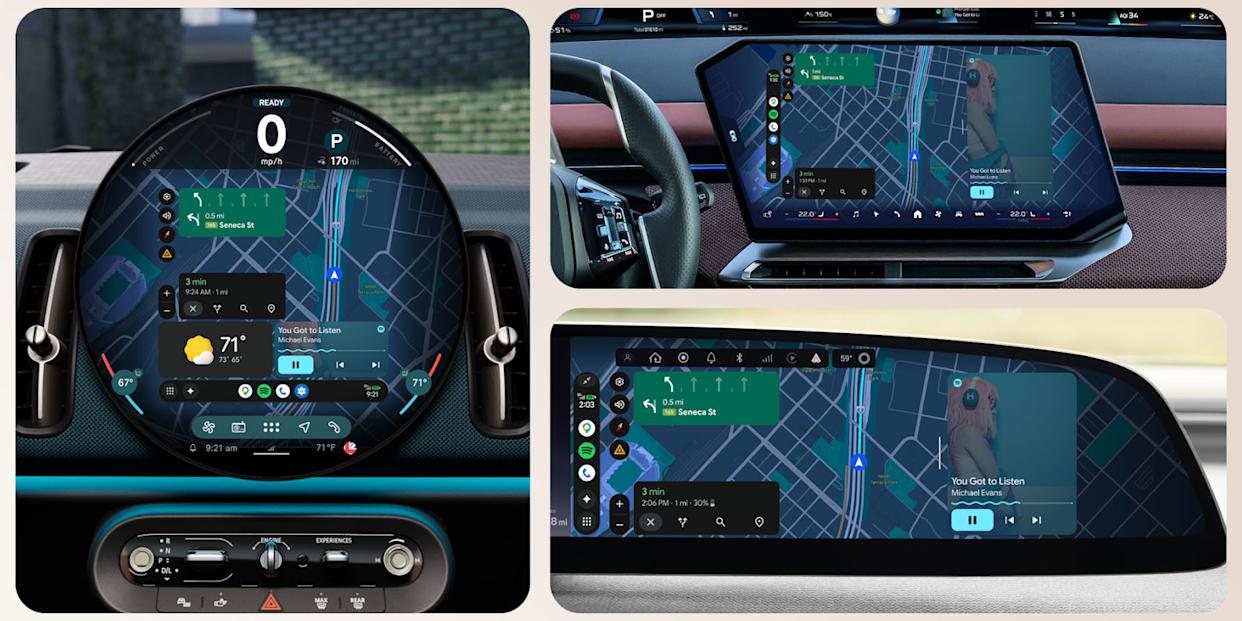
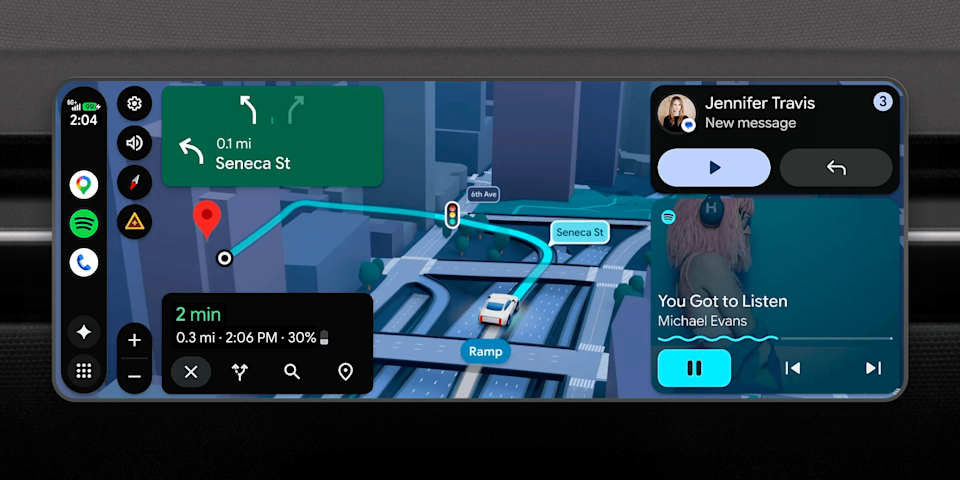
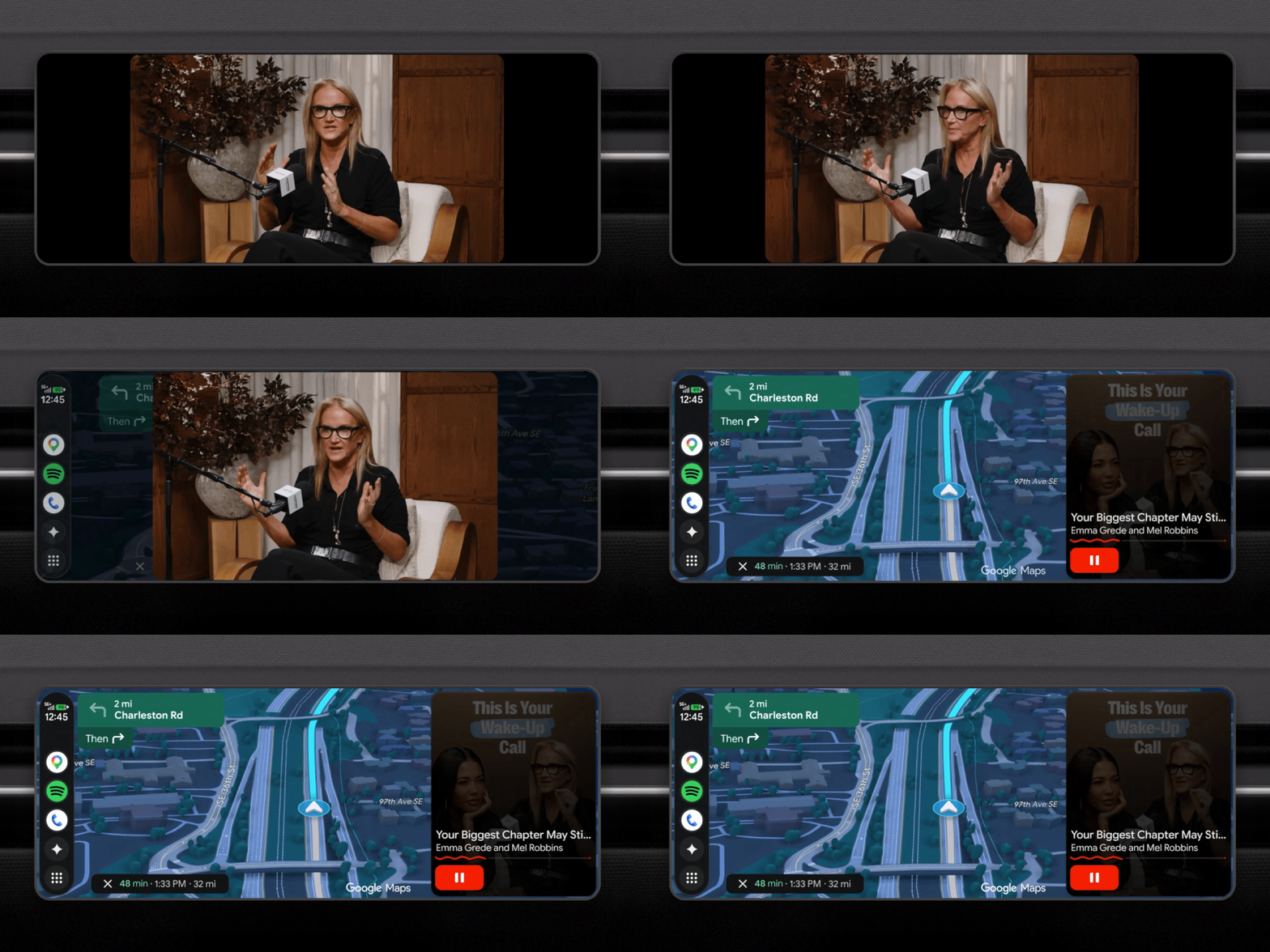
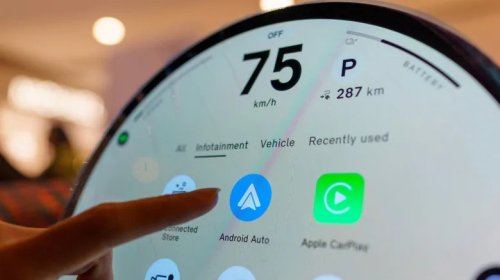
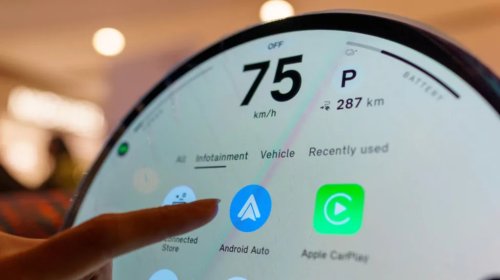
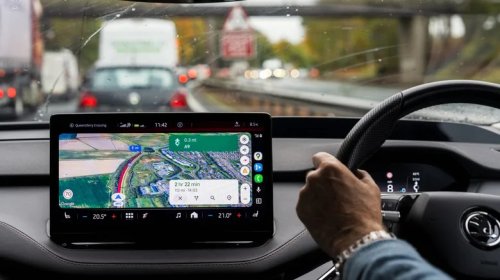
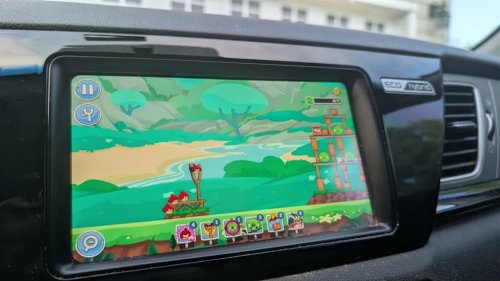
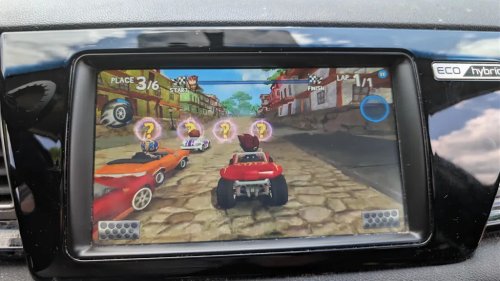
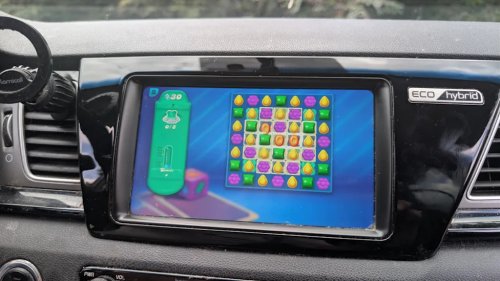
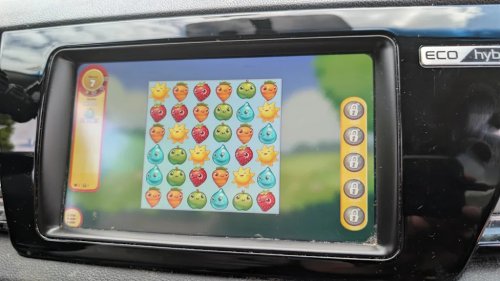
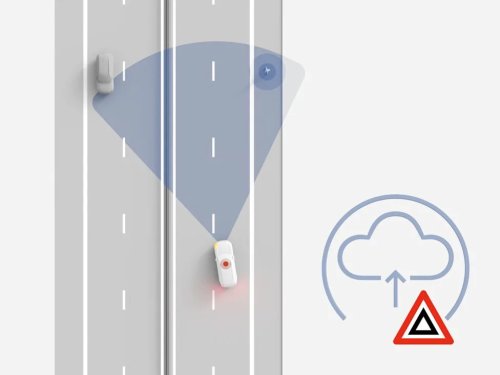
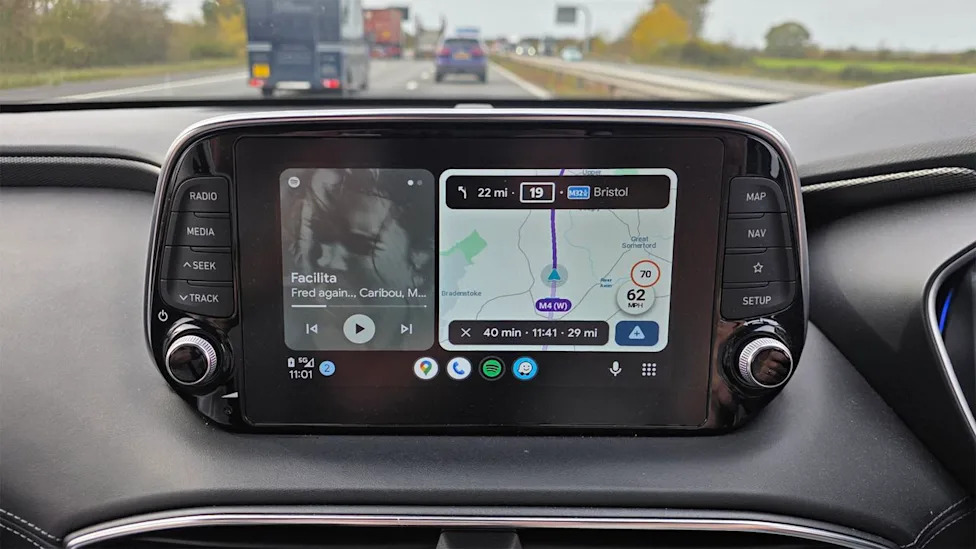
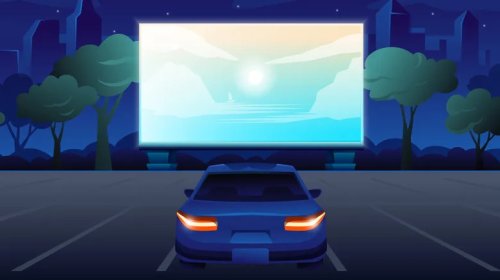
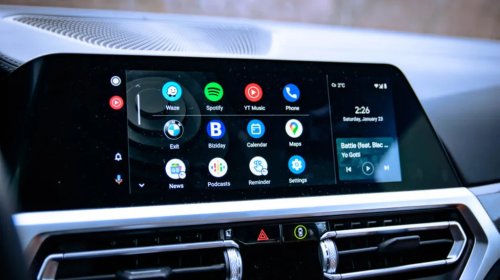
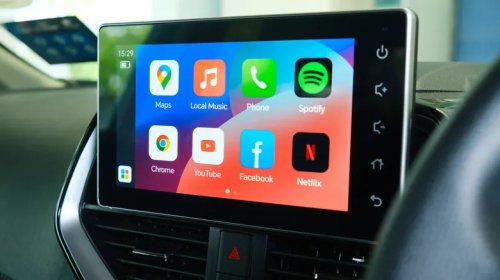
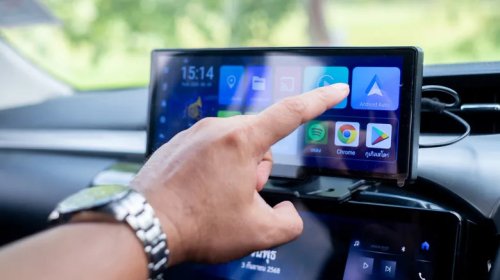
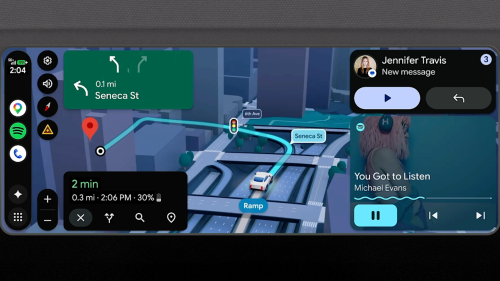
Every few years, Google overhauls Android Auto to be more capable and, hopefully, even easier to use. The infotainment experience for Galaxy- and Pixel-havers is about to get a big upgrade, one that Google says represents perhaps its largest leap yet.The next generation of Android Auto coming this year is built to scale properly across non-standard display sizes and shapes, from a rhombus (like in BMWs) to a circle (like in Minis). It also sports a new UI that allows for completely custom widgets that you can build with Gemini and place front and center, for more convenient access to the apps, tools, and people you need on the road. Google Maps will match strides Apple has made with its more immersive 3D view that shows topography and buildings. And, perhaps best of all, Android Auto will soon allow video in supported cars, when parked.For cars with infotainment systems that have Google Built-In, navigation will be even more detailed, with live lane guidance giving you a ground level view of where you need to be on a highway. These vehicles will even allow Gemini to answer questions about your car specifically, like whether a TV will fit in the cargo area. And, unsurprisingly, Gemini will be a major actor in all of Google’s infotainment going forward, offering to draft text replies for you when your road duties have you otherwise occupied.Android Auto navigation is about to become much more detailed. GoogleBut, back to Android Auto’s new video support, because I believe this will be very handy for anyone killing time in the car. Because of how it works to ensure a safe display of media, specific makes and models will need to be whitelisted first. Google told us that Android Auto employs “both signals from the phone’s GPS and the car, provided by our integration with the OEM, which includes driving state, selected gear, and speed” to ascertain a vehicle’s current situation.AdvertisementAdvertisementIn other words, the car will need to be able to tell your phone that it’s parked for your phone to allow video on the car’s screen. That feature will emerge first in BMW, Ford, Genesis, Hyundai, Kia, Mahindra, Mercedes, Renault, Skoda, Tata, and Volvo vehicles, with more on the way.When you eventually set off, Android Auto is designed to transition the video you’re watching into audio only, much like it already does if you’re playing a video through Android Auto today—you only hear the audio. You’ll still get playback controls on the move, too. This will be great for people who prefer to watch podcasts rather than listen most of the time. You can see an example of how that’ll work in practice below.A video-to-audio transition in Android Auto after shifting out of drive. GoogleThese are small features, but they truly matter. Phone projection software like Android Auto and Apple CarPlay are really important, because they effectively allow people to upgrade their car’s infotainment capabilities without upgrading their car. Plus, these are interfaces we are all accustomed to, given that we use them on our phones every day, and the content you’re interacting with on your phone blends seamlessly into the in-car experience—your media is exactly where you last left it when you get behind the wheel.As for when precisely you can expect these improvements in your vehicle, Google says they’ll be landing “throughout the year.” Unfortunately, given the per-automaker clearances for the update, that’s probably the most specific answer we can hope for.Got a tip? Reach out to tips@thedrive.com