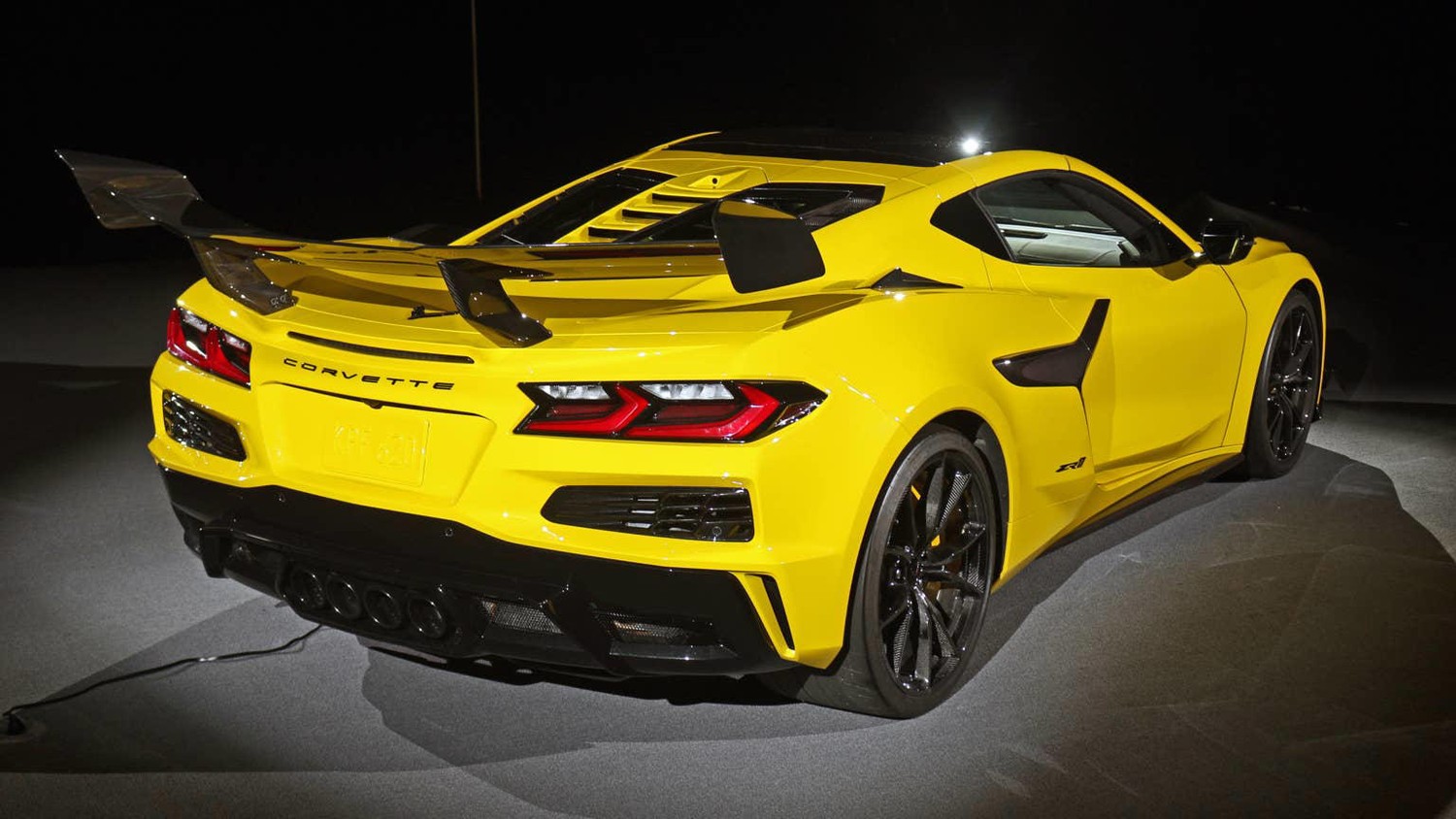
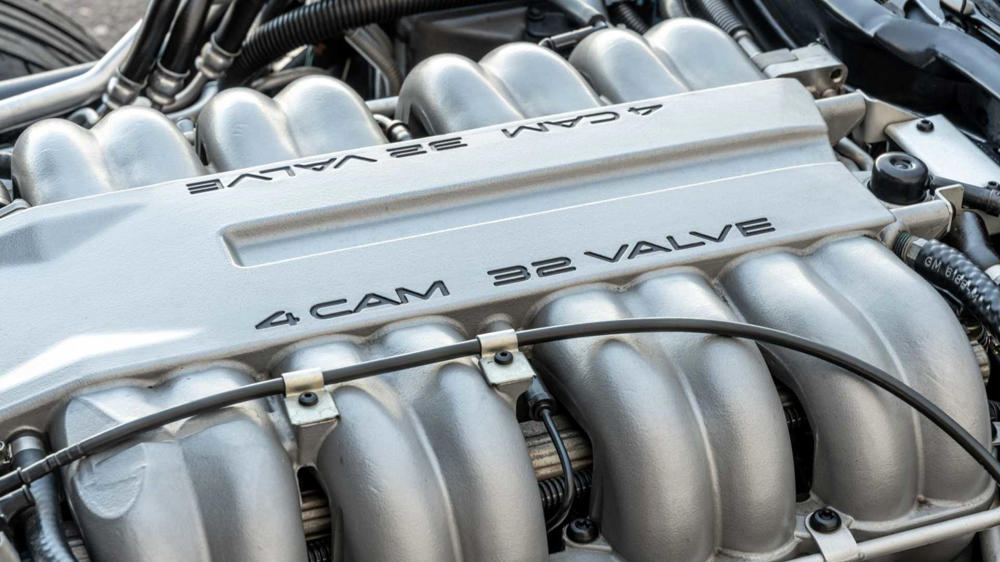
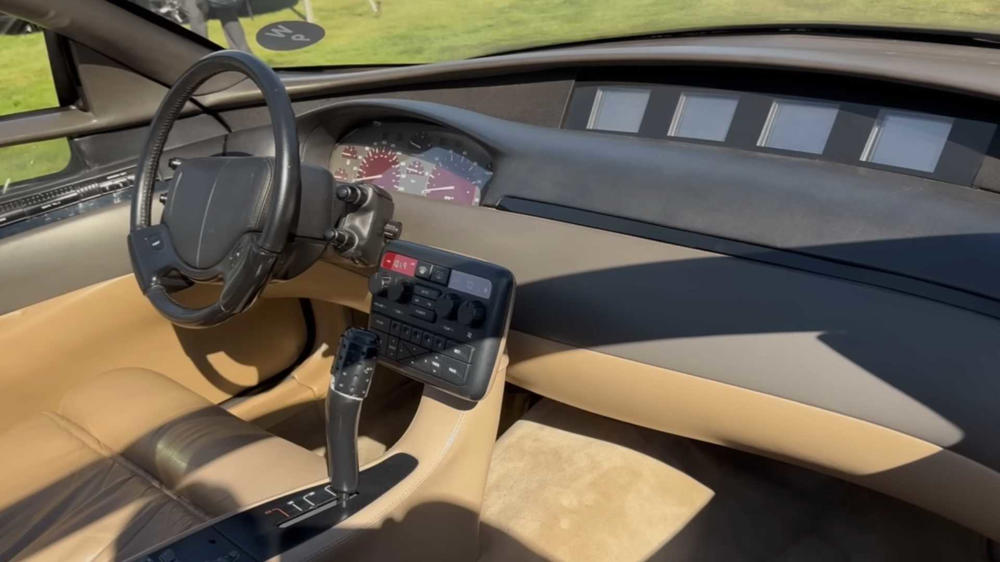
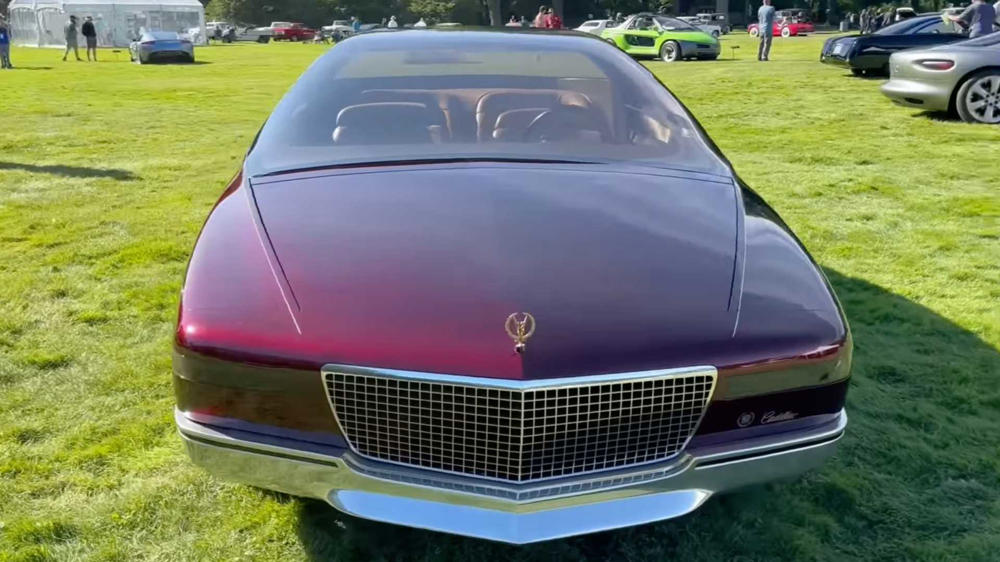
Most Chevrolet Corvette nerds have heard of the C4 ZR-1, produced in the early and mid-1990s. It utilized a sophisticated engine developed in part by Lotus, the fabled British sports car and motorsport company. Just a year before the C4 ZR-1's release, though, the GM-Lotus collaboration produced a different sort of beast: the Cadillac Solitaire concept, a 6.6-liter V12-toting luxury coupe. The Solitaire came on the heels of the Voyage sedan concept, which had first been seen by the motoring world in 1988. According to some period reports, the Solitaire would have been capable of chucking out well over 400 horsepower without much effort. Not only did the Solitaire never reach production, but few folks have even heard of it. But, why? The GM-Lotus Partnership Behind The ZR-1 Put Its Expertise To Work On A Caddy V12 The Lotus/General Motors partnership officially began in 1986, when GM bought a controlling stake in the British sports car maker. Almost immediately, the two titans got to work designing a few powerplants, one of which would end up powering the C4 Chevrolet Corvette ZR-1. The powerplant was quite the mechanical deviation from the then-standard Corvette formula. Instead of a relatively simple, iron-blocked engine under its hood, the C4 ZR-1 received an all-aluminum V8 displacing 5.7 liters. Underneath the mill's skin were things like a 32-valve, dual-overhead camshaft valvetrain developed by Lotus. At first, the motor made 375 hp, later increasing to 405 hp for models built between 1993 and 1995 — its final year. However, the Cadillac Solitaire concept took the partnership down an entirely different road. Its 6.6-liter V12 probably wasn't meant for high-octane performance. Instead, it was more likely to be a silky-smooth slab of British-US collaboration meant to take on the big luxury marques, such as Rolls-Royce and Bentley. That's not to say it wouldn't be capable of big power, though, as it was still slated to use a 48-valve valvetrain and dual overhead camshafts. The Solitaire's Technological Prowess Made It Look Decades Ahead Of Its Time In the late 1980s, automakers were quickly transitioning away from the boxy styles seen throughout the decade. Instead, more streamlined, aerodynamic shapes became popular, and the Solitaire embodied this shift. According to period reports, the concept managed a drag coefficient of just 0.28 – roughly the same as a Koenigsegg Jesko. The Solitaire's low, flat hood and extremely smooth body profile made that efficiency possible. All told, it measured 214.2 inches long with a 119.6-inch wheelbase, which is just a foot shorter than a Chevrolet Suburban. The concept also featured a heavy slathering of tech. According to reports, it had rear-facing cameras that replaced the need for conventional rear and side-view mirrors. Sources disagree on whether cameras would replace the side mirrors, the rearview mirror, or both. Positioned above the Solitaire passenger's head was an electrochromic glass roof that could darken in sunlight, a piece of tech that only recently made it into mainstream cars. Passengers also got heated, cooled, and massaging seats. Plus, there was a voice-activated computer that could, apparently, respond to many different commands and requests. Caddy's V12 Dreams Were Part Of A Bigger Picture Pictured above is the 1988 Cadillac Voyage sedan, the concept model that immediately preceded the two-door Solitaire. At the time, Cadillac was hard at work trying to revamp itself, moving away from the boxiness of the 1980s and into a new age. Not to mention, years of downsizing had put a dent in Caddy's luxury car image in the US, and the brand wanted to earn back some of what was lost. The Voyage was the first full effort to do just that. Its long, low-slung body was a stark contrast to some of the brand's production offerings at the time, such as the Cadillac Cimarron. The Cadillac Brougham and Sixty Special competed for the flagship sedan spot in the lineup at the time, but had the Voyage gone into production, it would have sat well above those two. To boot, an American luxury brand sporting a V12 engine option would have set Cadillac well apart from its main competition, namely Lincoln and Chrysler. Both Cadillac concepts were even movie stars. In the 1993 Sylvester Stallone film Demolition Man, the Voyage and Solitaire appeared as background traffic cars among other GM concepts. It wasn't a direct marketing ploy, but their futuristic looks allowed them to blend well into the film's set time period of 2032. GM's Lotus Legacy Survived With The Corvette ZR-1, Not The Caddy Sadly, the Cadillac Solitaire never made it out of the design and engineering exercise phase, leaving the question of a V12-toting Cadillac wholly unanswered. At the same time, the Lotus/General Motors partnership produced viable results in the C4 Corvette ZR-1, of course, and there were even plans to take things further. Near the end of the C4 ZR-1's production, both brands involved in the partnership shared a tentative desire to continue the engine project with plans for a Gen III LT5 mill. Ultimately, this would not result in a production engine, although some work was done on design and development. Reportedly, the prototype powerplant was expected to produce at least 475 hp. As to where the planned Cadillac V12 fit into the story, it was not related to the LT5 in any way. GM and Lotus did toy around with another V12 engine called the Falconer, however. The unit displaced 9.8 liters and could produce up to 686 horsepower and 680 pound-feet of torque. Reportedly, the Falconer V12 engine cost $45,000 by itself. Engineers installed it in a C4 ZR-1 chassis and subjected the setup to thorough testing. The idea behind the project, nicknamed "ZR-12", was to compete directly with the then-new Dodge Viper. The ambitious undertaking never saw production, and the entire Lotus/GM partnership ended without a single production V12 engine to show for it. However, the Solitaire's 6.6-liter V12, the ZR-1's complex V8, and the ZR-12 all go to show just how ambitious GM was at the turn of the 1990s. It just so happens that, as usual, corporate realities and cost-benefit analyses got in the way of the fun stuff.

 Liked by Aiden Hall, Ava Macdonald




















 Liked by Aiden Hall, Ava Macdonald