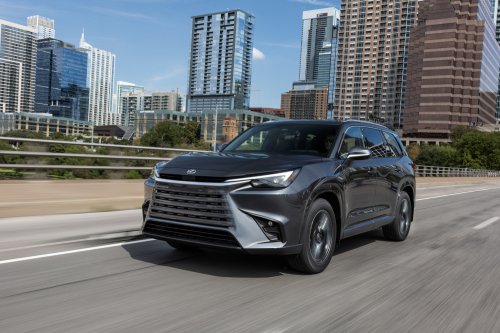
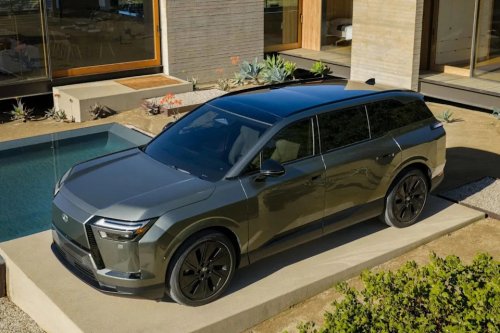
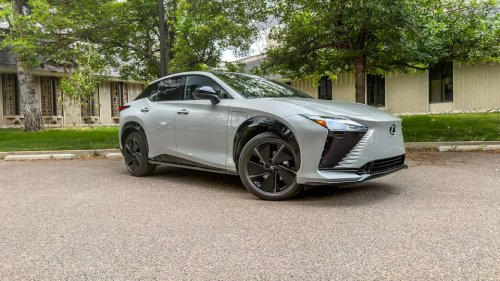
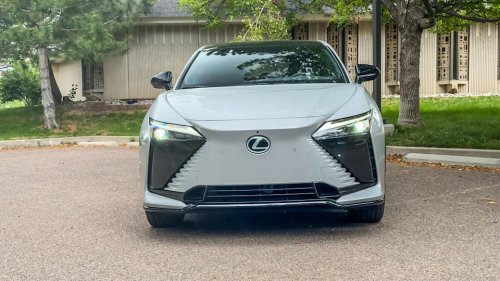
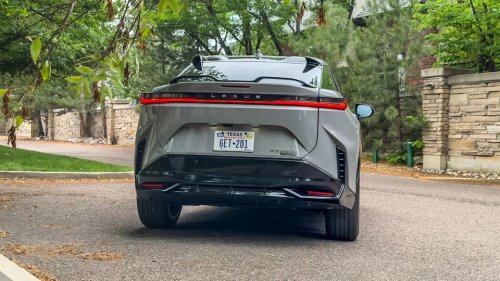
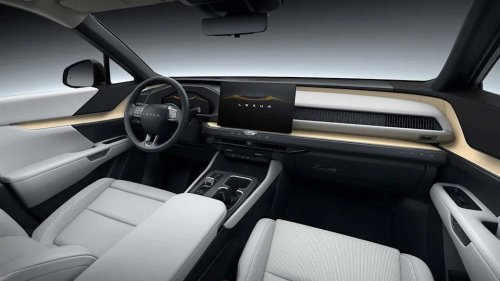
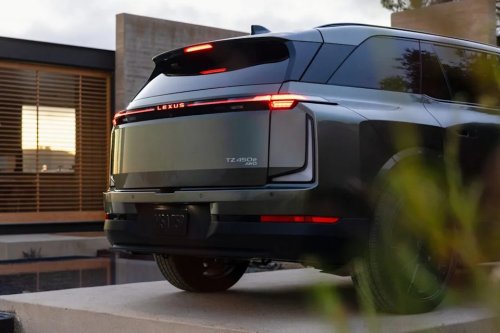
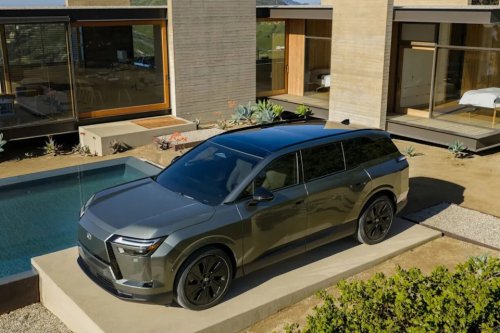
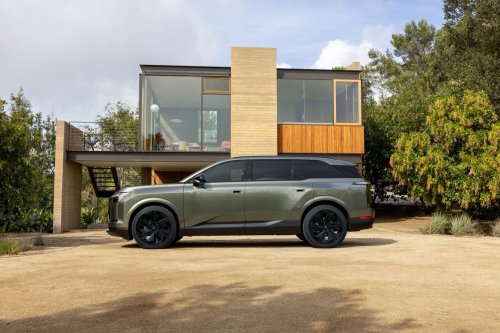
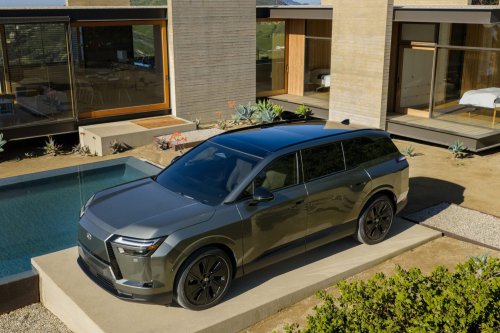
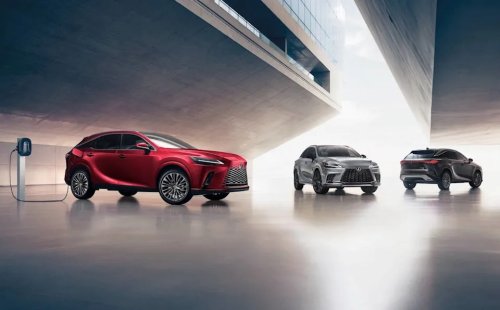
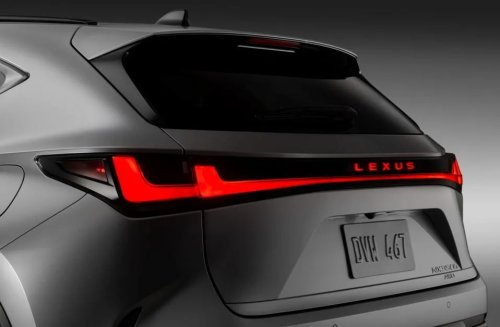
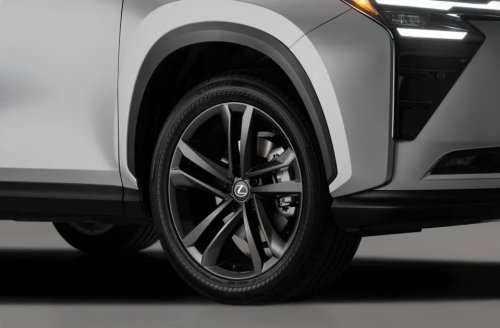
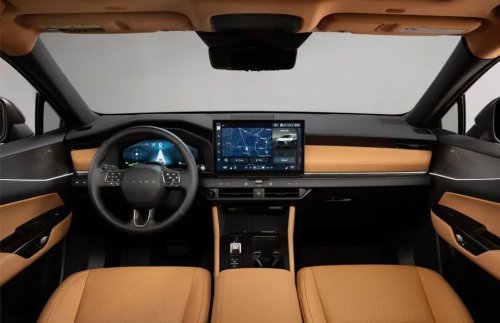
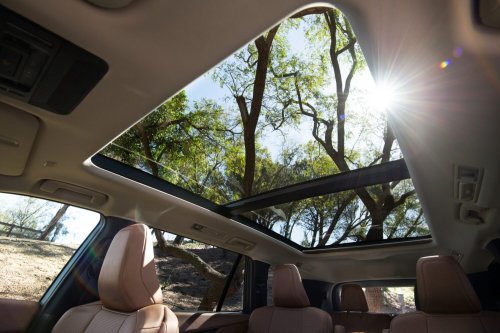
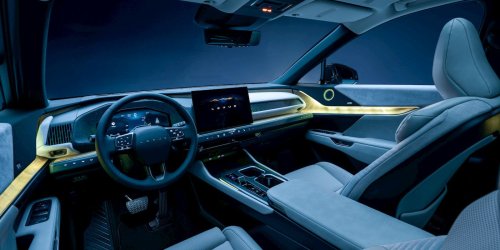
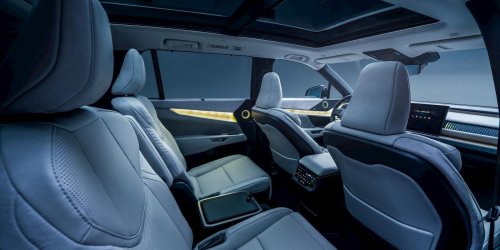
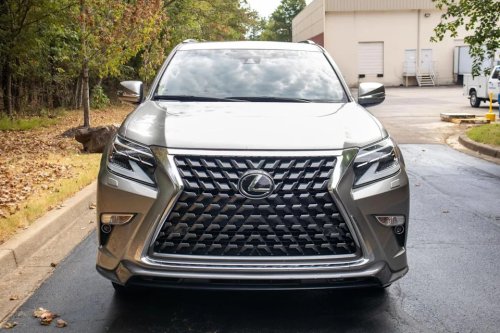
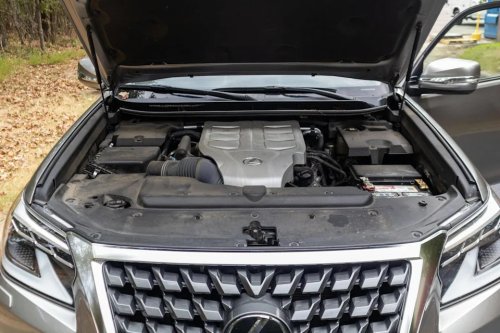
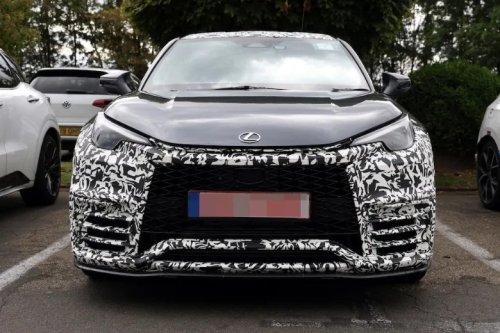
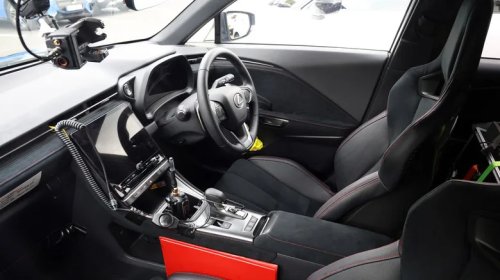
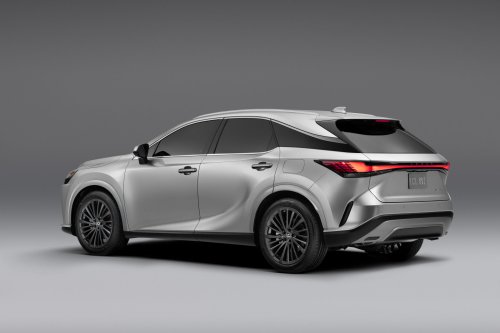
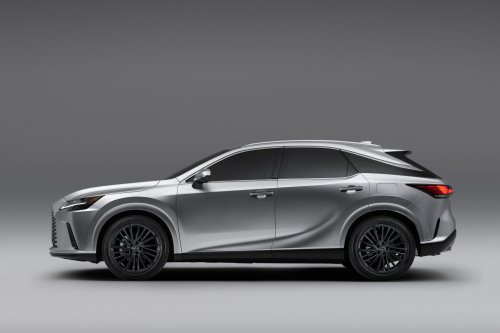
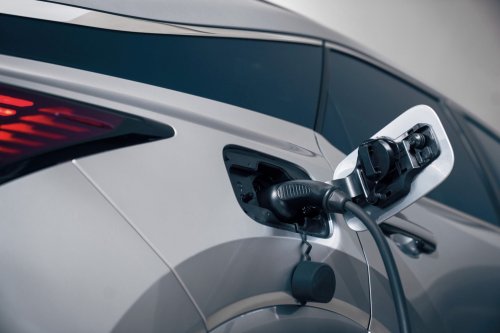
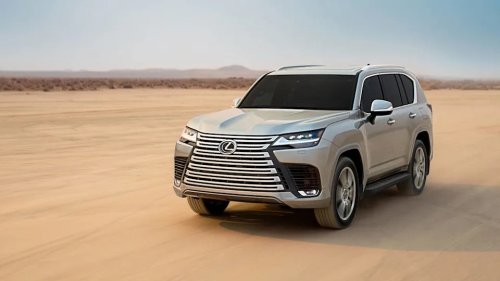
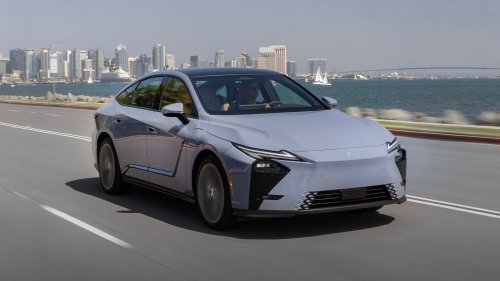
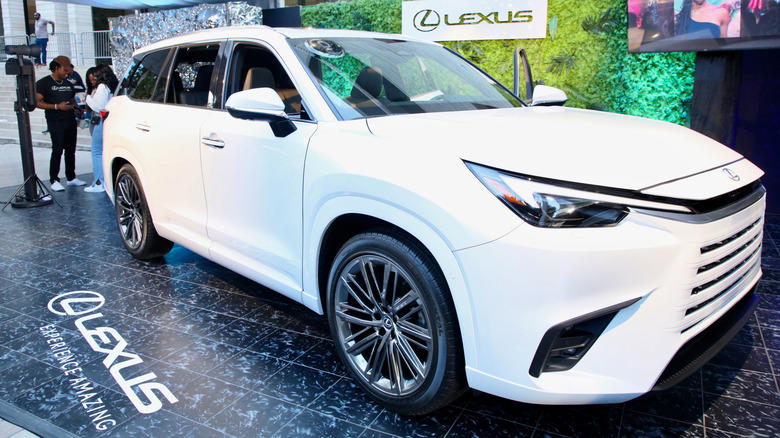
Understanding Lexus TX handling characteristicsAll Lexus TX variants have a MacPherson strut front suspension and a multi-link rear suspension. However, any trim wearing an F Sport badge (including the TX 350 F Sport) is upgraded with an adaptive variable suspension for improved comfort and responsiveness. Both TX 500h trims go one step further with rear-wheel steering for faster high-speed lane changes and easier low-speed maneuvering.Lexus uses two different all-wheel drive systems with the TX. All TX 350 variants use a traditional mechanical setup that sends power to the rear wheels when slippage is detected. Under the Direct4 AWD label, the TX 500h and 550h+ use a more sophisticated approach with electric motors that control power distribution to the four corners. It's a benefit of having hybrid technology on board. The system can respond to varying road conditions more quickly, making the pricier TX trims more stable and responsive, especially when accelerating or cornering.Lexus TX pricing: performance and efficiency come at a priceA base Lexus TX 350 with FWD costs $56,490, the mid-grade Premium trim runs $59,290, and next-level Luxury stickers at $61,640. Adding AWD is an additional $1,600 to any of these editions. The top-level TX 350 is the F Sport Handling trim with standard AWD; it costs $65,760.Unsurprisingly, the TX 500h's increased power and fuel savings come with a higher price tag. The least expensive 500h F Sport Performance Premium trim crosses the $70,000 mark ($70,010, to be precise), while the 500h F Sport Performance Luxury edition adds another $3,150 to the deal. The ultimate TX 550h+ Luxury trim costs $78,560, or $22,070 more than the least expensive TX 350. Put another way, stepping into a TX 550h+ costs almost 40% more than the base edition. All trims have the same $1,350 freight and delivery fee, which is excluded from these prices.




















 +69 others