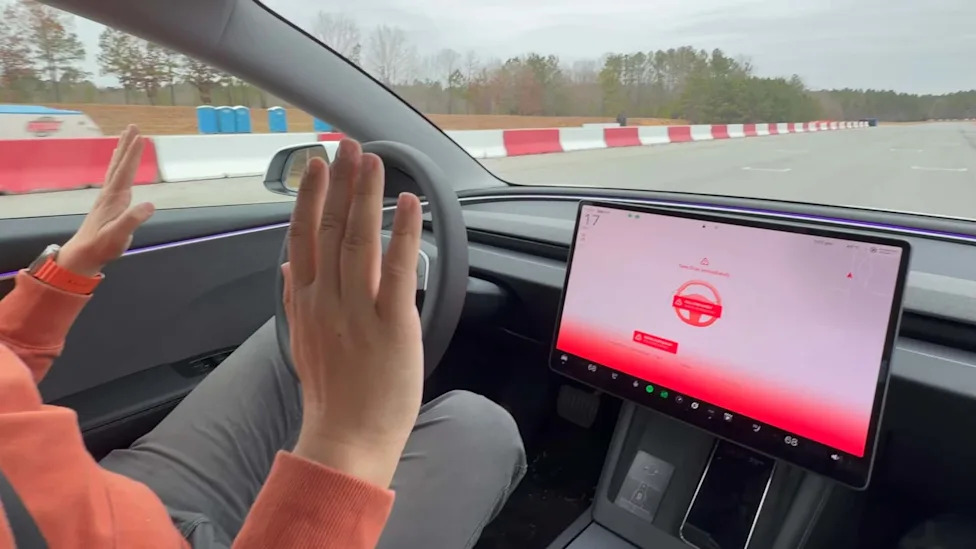
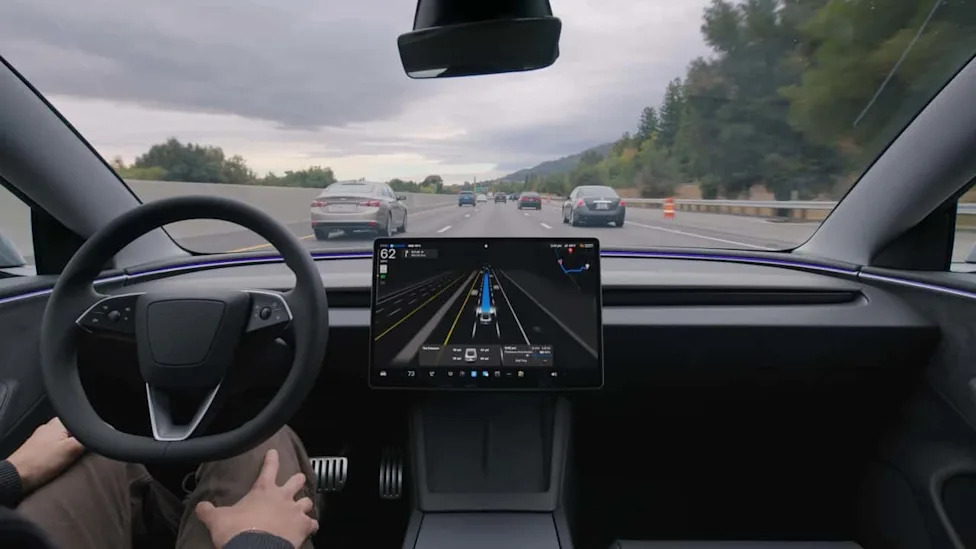
Lawmaker Demand Feds Take Action After 43 Tesla Drivers Filmed Asleep At The WheelInsideEVscontact@insideevs.com (Rob Stumpf)Fri, September 11, 2026 at 7:13 PM UTCAdd us on GoogleTesla FSD with a dead batteryOne congressman is demanding that NHTSA look into continued misuse of Tesla's Full Self-Driving software.A recent investigation by NBC found at least 43 videos and 13 citations tied to sleeping while using Tesla's Full Self-Driving software.Owners are becoming comfortable with misusing the system as it improves, according to one owner.One congressman is looking for answers from regulatory agencies on whether or not Tesla is doing enough to keep it from happening.Tesla has a long history of controversy around the branding and marketing of its Full Self-Driving and Autopilot software. Despite what the names might suggest, neither software is actually absolving the driver from the accountability behind the wheel. That's caused confusion in the public eye, which many claim have enabled drivers to be more lackadaisical when either feature is switched on.Lawmakers across the globe have taken up issue with the marketing in the past. And now, one U.S. congressman is calling for action after surfacing more than 40 videos of Tesla drivers seemingly sleeping while their cars barrel down the highway.Tesla FSDIllinois representative Raja Krishnamoorthi published a statement on Thursday outlining a demand sent to the Department of Transportation and National Highway Traffic Safety Administration.AdvertisementAdvertisementKrishnamoorth's letter specifically calls out an investigation published by NBC that surfaced at least 43 videos—17 of which were posted in 2026—of Tesla owners operating their cars while sleeping or otherwise distracted. NBC also found 13 additional cases where drivers in California were cited for this kind of unsafe driving.Some drivers are aware that what they are doing is against the law. One Tesla owner from California who agreed to be interviewed for the article (with the condition that his last name be withheld because he was aware that he was breaking the law) even admitted that he sleeps while FSD is activated, but seems to justify it because Tesla's tech has improved over the years."As it's gotten better, the taboo has fallen away," said the owner.Tesla does explicitly call out in its user manual that drivers must remain engaged and are responsible for the car while its Level 2 driver assistance features are active. It also has several safeguards in place to help prevent drivers from disconnecting. For example, Tesla's cabin camera tracks driver attention through eye and head movement. It also senses driver input through the car's steering wheel and will prompt the driver to take action if it believes the driver isn't paying attention.AdvertisementAdvertisementHowever, some drivers have found clever ways to defeat Tesla's methods in a long-standing game of cat-and-mouse. Some simply put on sunglasses to hide their eyes. Others place a doll head or photo of themselves in front of the car's cabin-facing camera. There are a handful of other methods which don't rely on the camera as well. All of these workarounds make it possible for drivers to break Tesla's terms and conditions (and the law).The nag is a fine line for Tesla and other automakers to walk. On one hand, it ensures that drivers are paying attention to the road. On the other, too much nag and drivers simply won't use the feature. When that feature is a $99 per month subscription and is tied to the CEO's trillion-dollar pay package, making it frictionless to use is likely a major priority.Krishnamoorth's letter calls on NHTSA to answer several questions specifically aimed to scope just how much the agency has probed Tesla on the topic of its self-driving software. He asks for details on the data that the agency has collected, its current assessment on Tesla's effectiveness to deter misuse of its systems, and specifically if its current findings conclude a broader safety defect that may require a recall.NHTSA, meanwhile, already has an open investigation into 3.2 million FSD-equipped Teslas in a separate probe. And while the drivers are unquestionably responsible for remaining awake and in-control, the question then becomes whether or not Tesla's current detection methods are reasonable, or if the automaker is responsible for stricter policing of these features.More Tesla FSD NewsNow We Know Why Tesla Killed AutopilotTesla Ordered To Rename Autopilot Or Face Sales Suspension In CaliforniaWatch Tesla FSD Navigate Denmark's Tightest, Toughest StreetTesla Now Has Nearly 1.5 Million FSD Subscribers








 +48 others