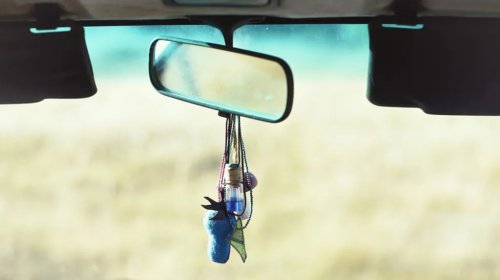
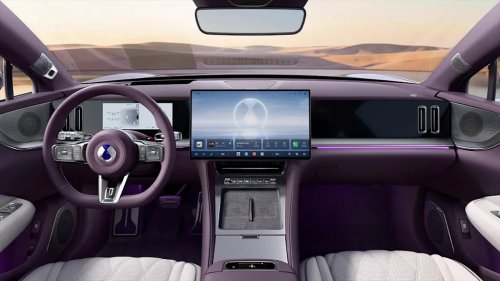
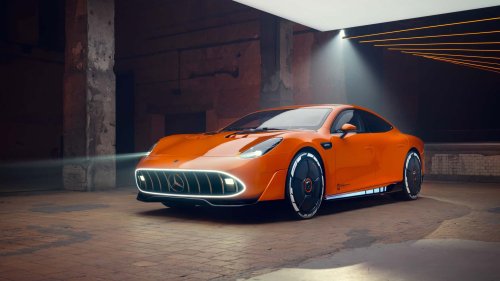
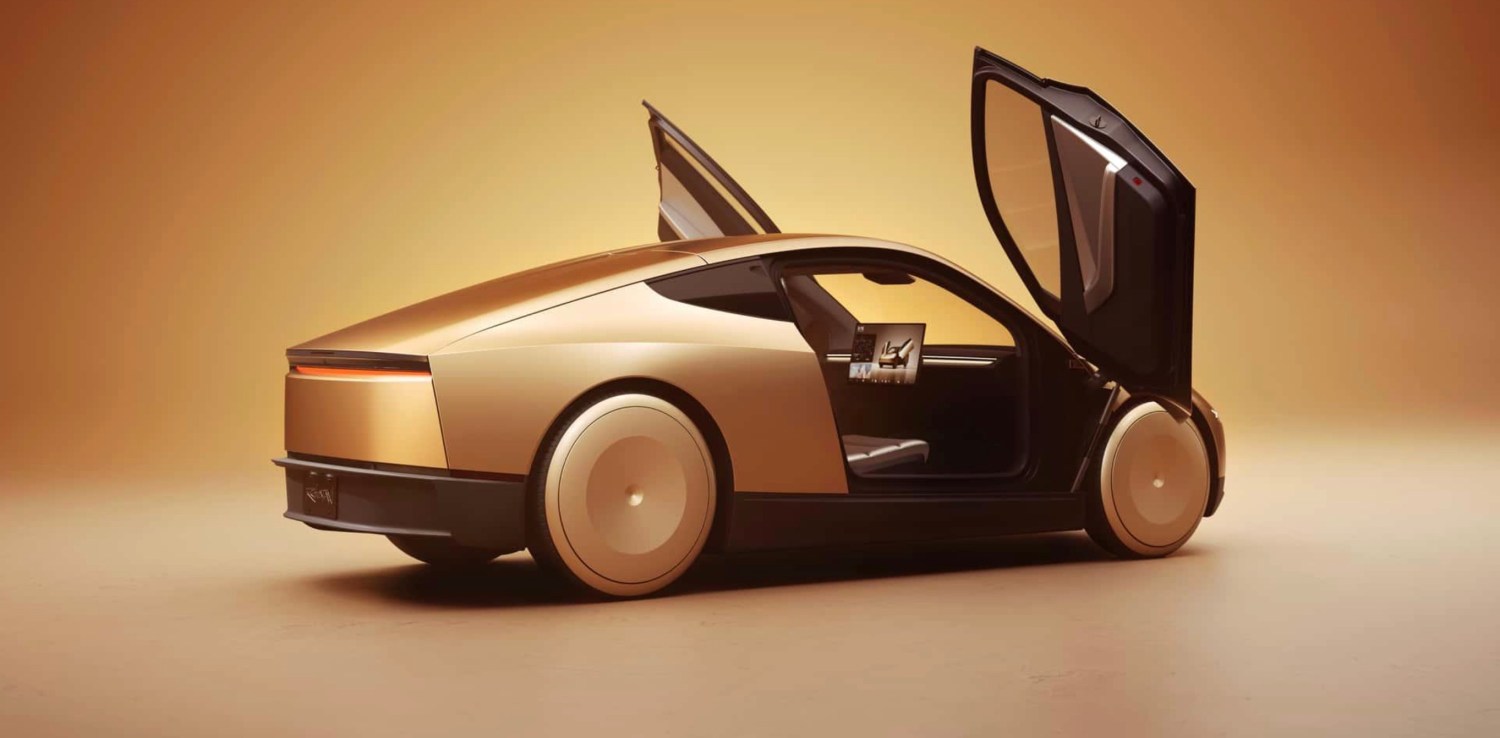
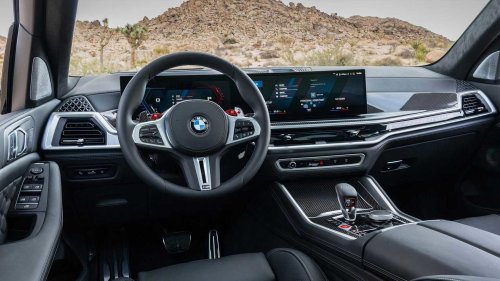
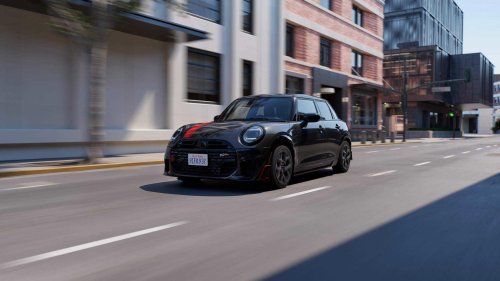
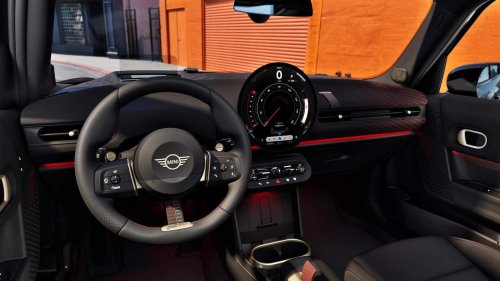
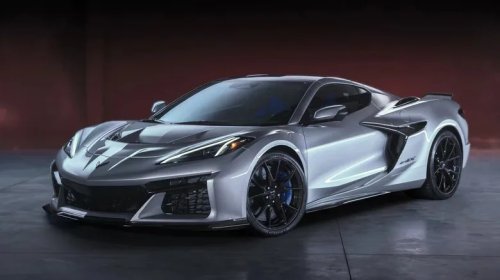
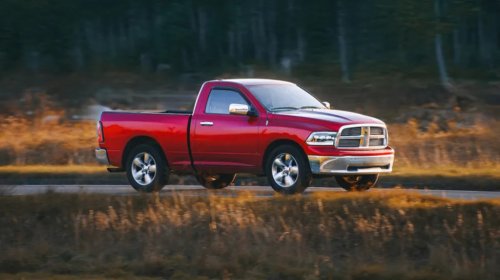
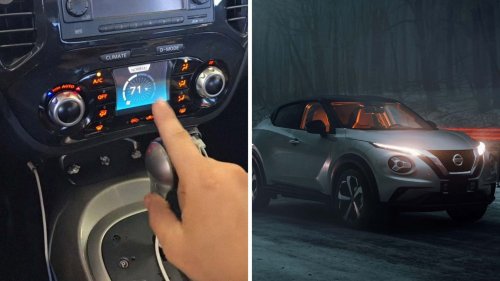
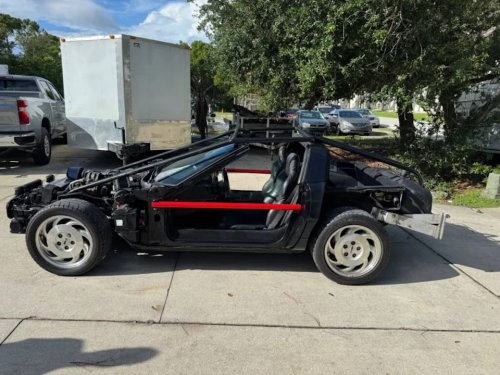
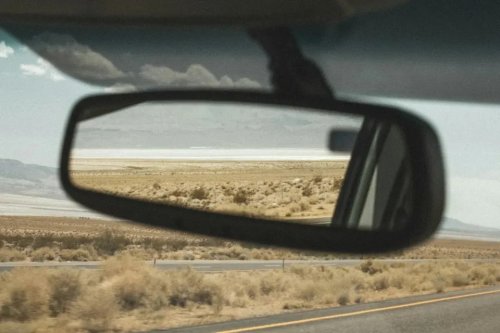
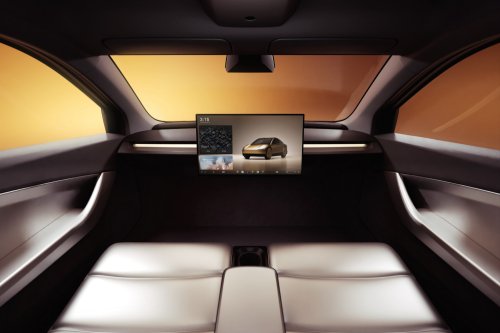
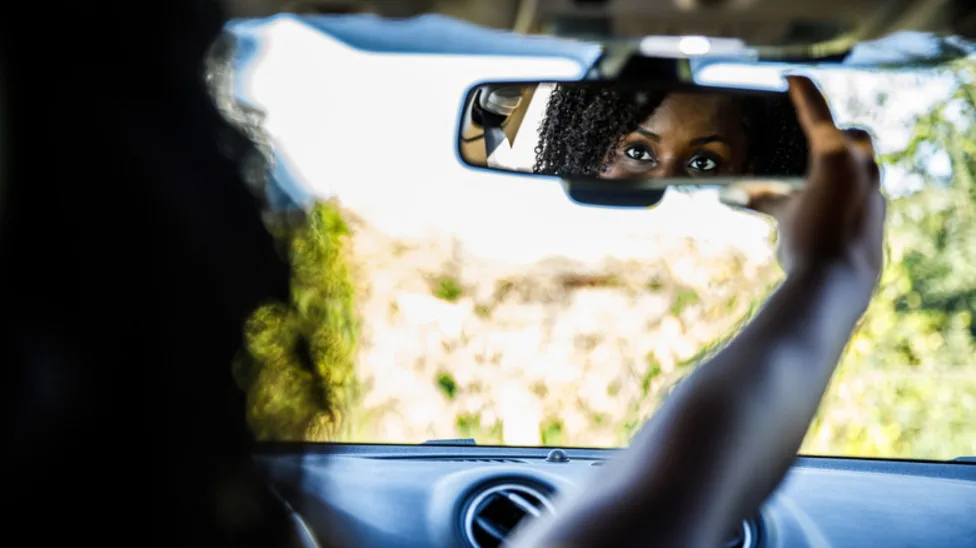
Fotostorm/Getty ImagesSo you've decided that what's behind you is not important, and you're done looking back on your past mistakes and are only looking towards the future. Good for you, that's an admirable way to live your life. Unfortunately, it also may be illegal, depending on where exactly you live.Most cars come with a rear view mirror, making the question of whether you can drive without one kind of meaningless for most drivers. Sometimes mirrors break, though, and we've seen an increasing number of (generally low-production and high-priced) cars that eschew the rear window entirely. Generally, you're safe to drive a vehicle so long as it has two mirrors, though NHTSA will want your passenger-side mirror to make up for the field of view lost from the middle — your existing side mirror may not have the required concavity. Though, as we know, the NHTSA only regulates manufacturers rather than drivers. Read more: 11 Huge Engines With Surprisingly Low HorsepowerNot all vehicles have rear windows, let alone mirrorsalfahmm/ShutterstockExact rules on interior mirrors differ by state, with some (like New York) specifically requiring an interior mirror in addition to an exterior mirror on the driver's side. Others, like Florida, couldn't really care less what number or arrangement of reflective devices you've got on your car — so long as there's a single surface capable of reflecting the road 200 feet behind you into your eyes, you're good to drive through the Sunshine State. AdvertisementAdvertisementGenerally, you should keep your car to the number of mirrors it came with from the factory. Whether you have a typical three-mirror layout, a fancy camera-based interior mirror, or you drive a cargo van with no rear window to look through at all, the manufacturer will have sorted out the necessary legal requirements for rearward visibility. If you really need to take a gram-light approach to your commute to work, there are more effective places to shave weight. Want more like this? Join the Jalopnik newsletter to get the latest auto news sent straight to your inbox, and follow us or add us as a preferred search source on Google.Read the original article on Jalopnik.



















 +52 others