Transport Minister Darragh O’Brien first presented the National EV Infrastructure Strategy 2026–2028 on 4 November. The strategy aims to ensure that the public charging network keeps pace with the growing number of electric vehicles and provides sufficient charging options nationwide.
According to the Department of Transport, more than 270,000 electric vehicles are now registered in Ireland, exceeding the target set in the Climate Action Plan for 2025. Electric vehicles now account for a 26.3 per cent market share of new registrations, making them the largest powertrain group.
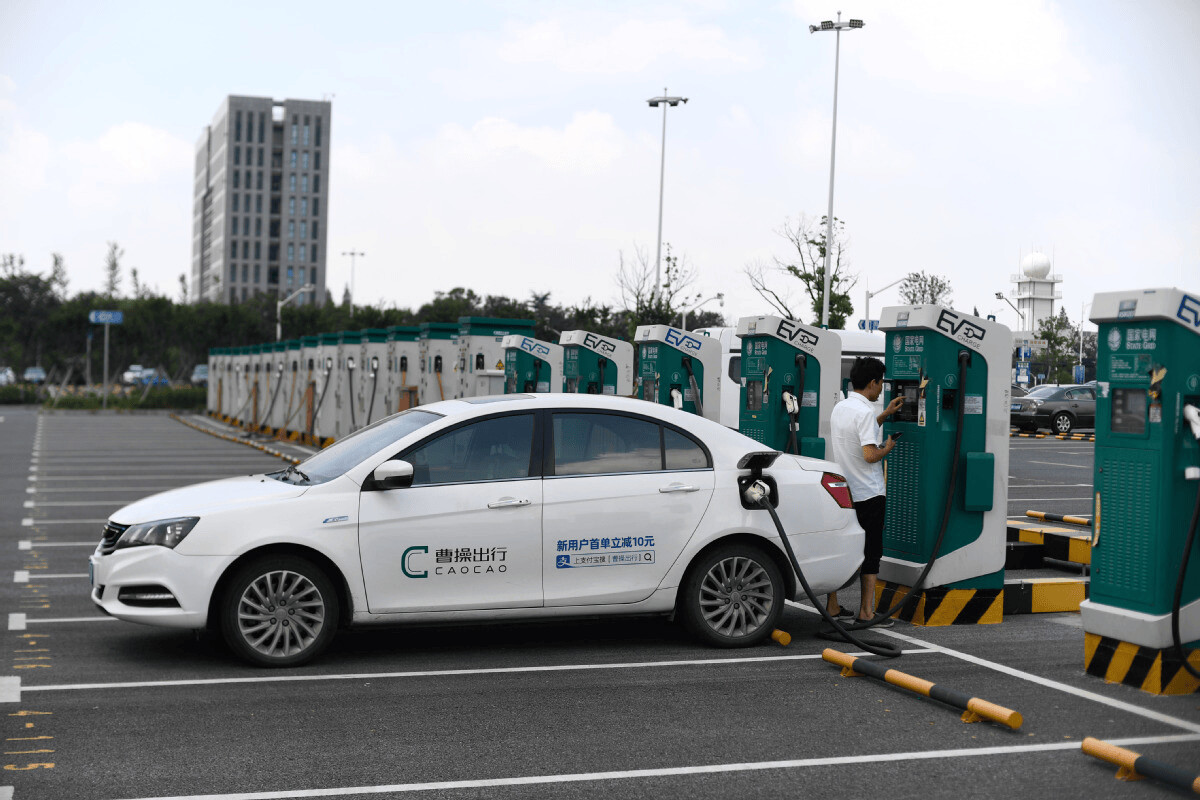
At the same time, the charging infrastructure has also grown. Currently, there are more than 3,620 publicly accessible charging points at over 1,200 locations nationwide, with a total installed charging capacity of around 280 MW, according to government figures.
Fast-charging hubs and expanded charging options in residential areas
The new strategy builds on the existing expansion plan and sets priorities through the end of 2028. A key focus is the establishment of high-power charging hubs along national roads and major traffic corridors to facilitate charging during longer journeys.
At the same time, the government aims to expand charging options in residential areas. The focus is on people without their own parking space or private charging facilities, such as residents of multi-family homes and densely populated urban neighbourhoods. Destination charging is also set to be further developed.
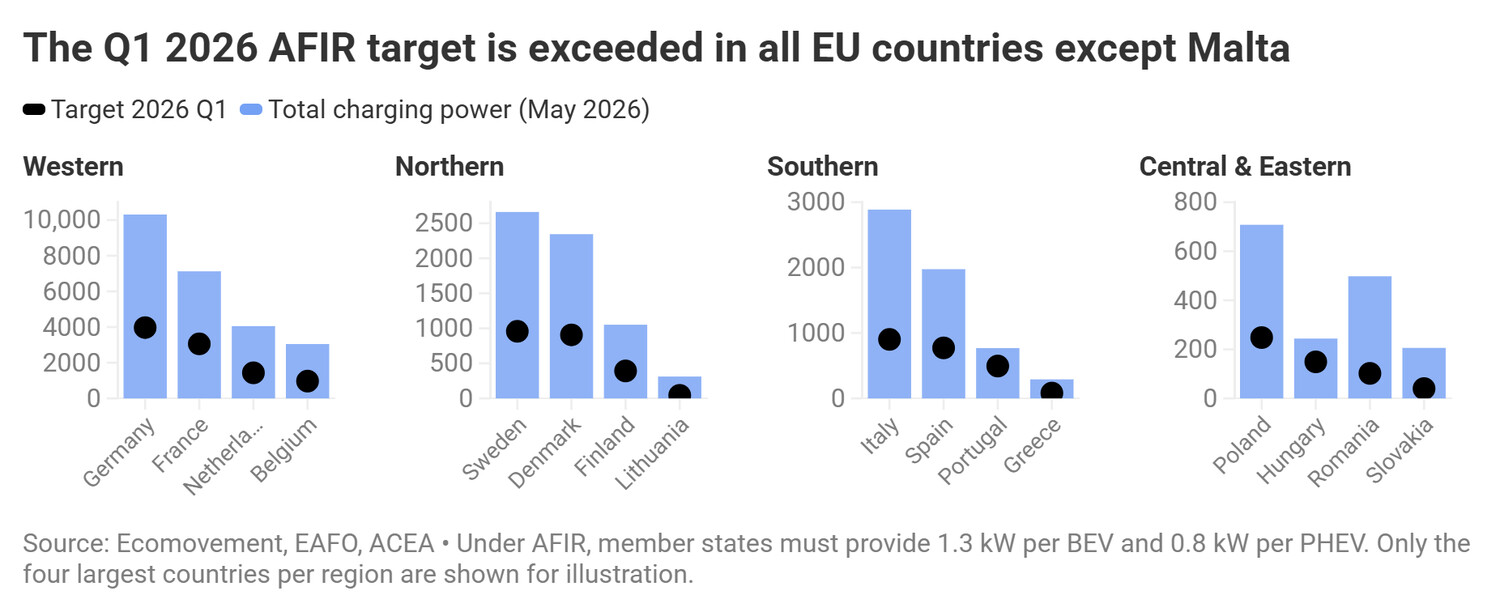
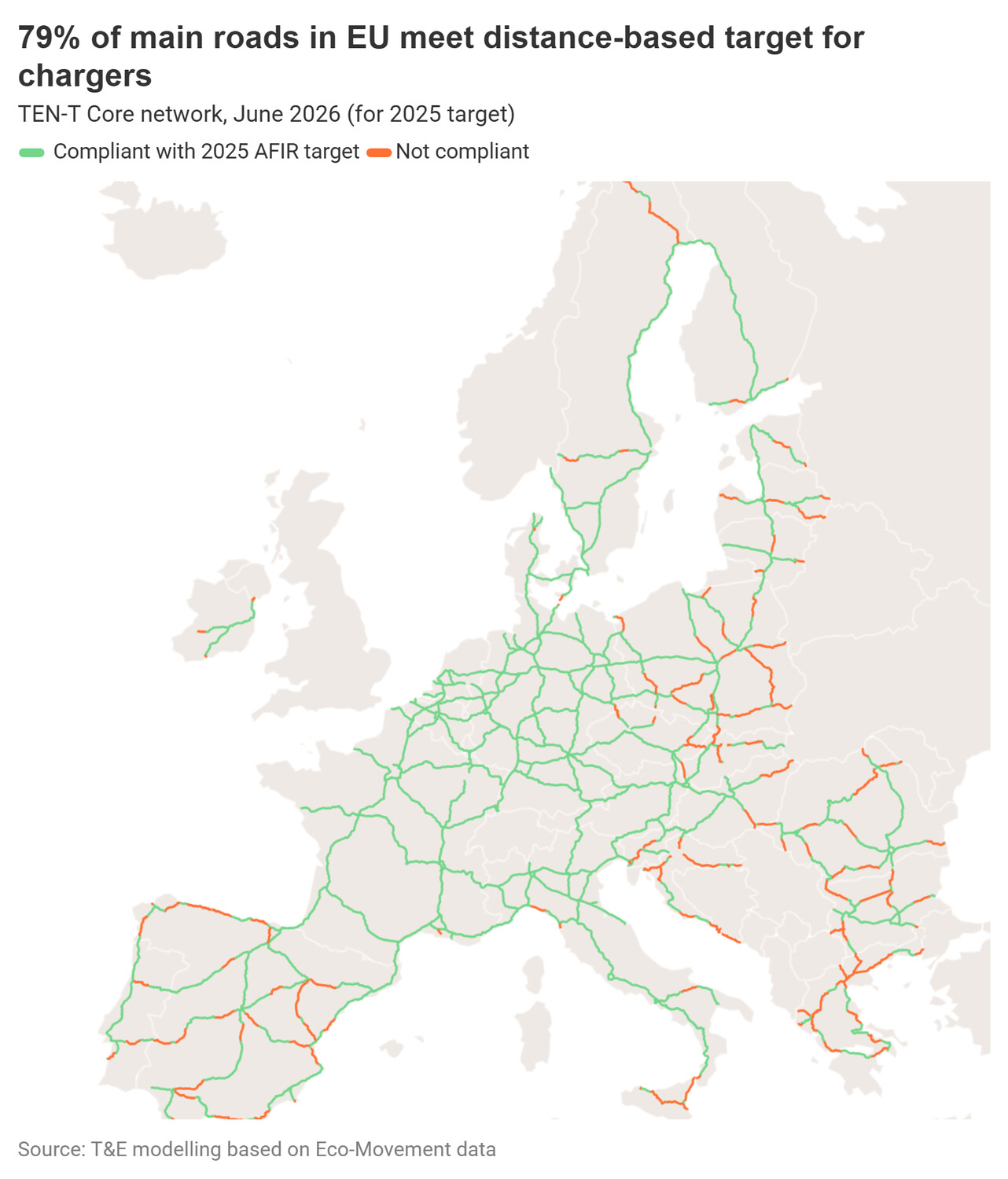
Another priority is the accessibility and interoperability of the charging infrastructure. New facilities should be designed to be as barrier-free as possible and compatible with different vehicles and payment systems. Additionally, the expansion is to be regionally balanced and meet the requirements of the European Alternative Fuels Infrastructure Regulation (AFIR).
In addition to passenger cars, the strategy also addresses commercial vehicle fleets and heavy-duty vehicles. Future plans include charging options at depots and along key transport routes. However, the announcement does not specify concrete expansion figures for individual vehicle segments.
As an example of ongoing expansion, the government points to a new fast-charging location at Circle K in Maynooth, which was also unveiled on 4 November. Furthermore, three funding programmes for charging infrastructure along national roads will support the development of high-power sites.
The expansion of charging infrastructure is part of broader measures to promote electromobility in Ireland. In February 2026, the government launched another funding programme for the electrification of taxis and ride-hailing services. A total of seven million euros is available for this purpose. Depending on the vehicle type and conditions, operators can receive grants of up to €25,000 euros.
In implementing the new charging strategy, the government is relying on collaboration with local authorities, infrastructure operators and other public bodies. A mid-term review is planned for 2027 to assess progress and adapt the strategy to technical developments and changing requirements if necessary.