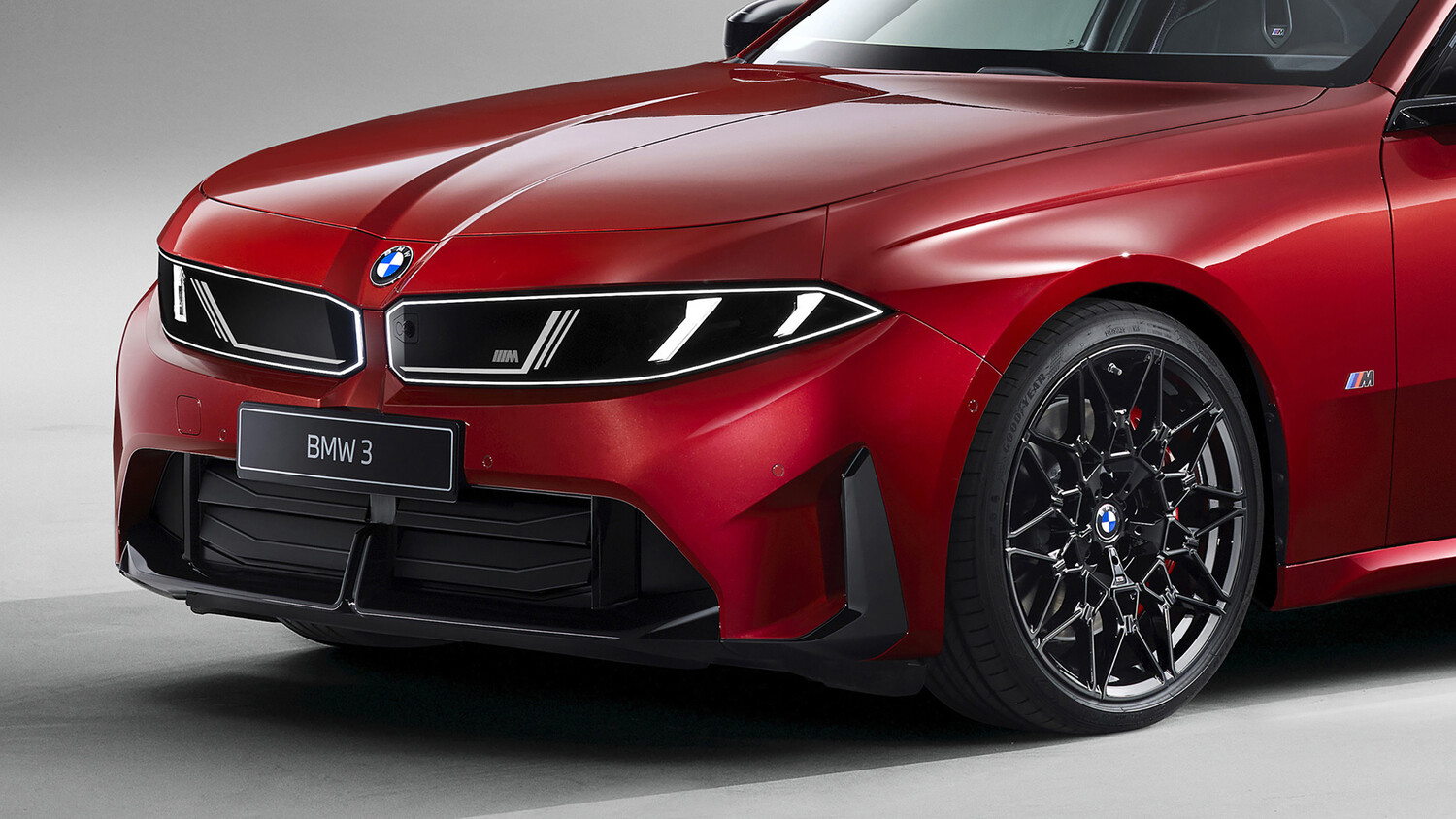
Ever ride in the car at night and have to squint at a wall of blinding light coming toward you? You are not imagining it—headlights have steadily increased in intensity and visual harshness over the past decade, according to automotive reporting by The Washington Post. A major contributor to this blinding effect is the widespread industry shift toward LED bulbs, which emit a crisp white-blue light that human eyes perceive as significantly harsher than traditional halogen bulbs. Additionally, as consumer preferences shift toward higher-profile trucks and SUVs, headlights are physically positioned higher off the ground, placing the light beam directly in the line of sight of sedan drivers. Frustration among motorists is widespread, with roughly 6 in 10 drivers citing nighttime glare as a major safety issue and reporting that the problem has worsened significantly over the past 10 years, according to consumer survey data from AAA. To mitigate temporary blindness on the road, safety experts recommend ensuring windshields and headlight lenses are clean while training eyes toward the outer edge of the lane when passing oncoming traffic. Stories by Chris Pugh In response to growing public concern, federal regulators are stepping in to re-evaluate vehicle lighting standards. The National Highway Traffic Safety Administration announced plans to modernize its safety regulations and conduct comprehensive studies on beam patterns and glare intensity, accepting public feedback on the proposal through November 9 via NHTSA. Recent engineering shifts show promising progress, with independent safety evaluations revealing that only 5% of 2026 model-year vehicles were flagged for excessive glare during testing—down from 21% in 2017—as automakers lower the physical placement of high-intensity projector lenses, according to performance data from the Insurance Institute for Highway Safety. Despite the widespread discomfort reported by drivers, long-term crash data indicates that headlight glare accounts for only a fraction of nighttime traffic collisions, maintaining a remarkably stable baseline over the past decade. In fact, official crash statistics reveal that the overwhelming majority of glare-related vehicular accidents actually occur during daylight hours, with the low-angled sun during sunrise and sunset cited as the primary environmental factor.


 Liked by Leo Fortin, Matthew Martin







 Liked by Leo Fortin, Matthew Martin


