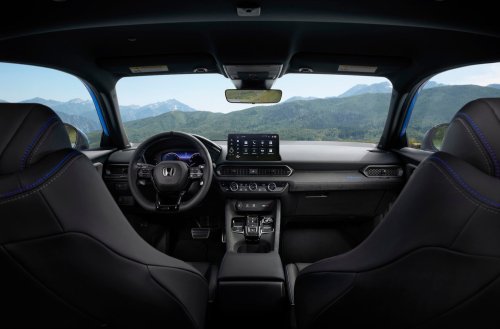
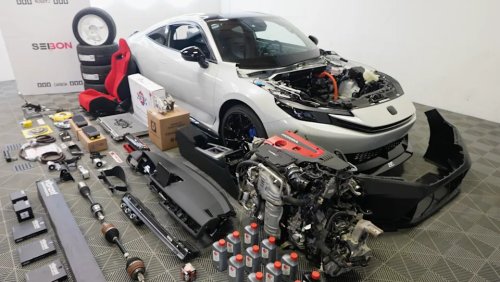
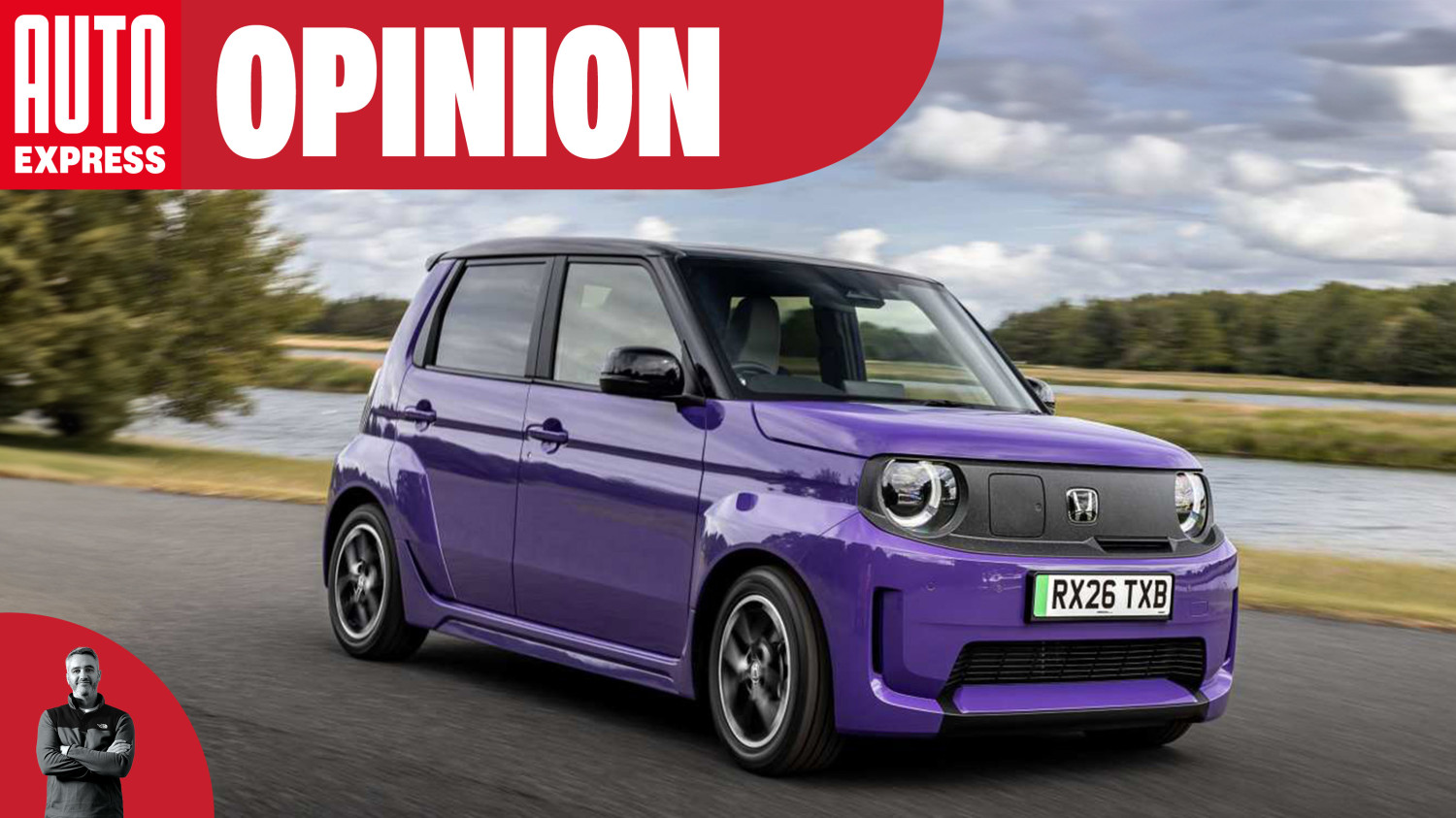
Last week, I drove what I now consider to be 2026’s biggest car-related curveball: the Honda Super-N. Having left home early on Wednesday destined for a small industrial estate in Berkshire, I hadn’t expected to come away with such a big smile on my face. As I explained in the review, it wasn’t just that the Honda was great fun to drive, nor was it that the Kei-car base turned it into some kind of Doctor Who-style Tardis. The fact its lightweight body and right-size battery returned efficiency that would make most new EVs weep was incidental. It was that it represented a blueprint for the future of urban mobility that excited me most. For too long we’ve been suckered into buying cars that, in most use cases, aren’t fit for purpose. Overweight, inefficient SUVs with space for seven and all-wheel drive are surplus to requirements if their daily grind consists solely of school runs and local errands. Which is why the humble Honda felt like such a breath of fresh air. Scoff all you want at the official figures; the Super-N not only matched its WLTP-rated range, it comfortably beat it in real-world conditions. This incredible efficiency will take you almost twice as far (per unit of electricity) as your average SUV, and could literally save you thousands over a three-year lease. You’re unlikely to feel shortchanged when it comes to kit or quality. This is a sub-£20k city car that’s loaded with cameras, screens and safety sensors. It’s a carefully considered model, backed by up to eight years of warranty cover, priced from just £199 per month. This isn’t meant to sound like an advertorial. Honda might be setting the benchmark, but it’s not alone in this more sustainable way of thinking. We’ve driven (and loved) the Renault Twingo due early next year, while Volkswagen has confirmed it is developing a successor to the popular up! city car, dubbed ID. Lupo, for 2027. The slightly more compromised Dacia Spring and Leapmotor T03 – both already on sale here in the UK – are also worthy of a mention. Granted, pint-sized EVs won’t suit everyone. But with research suggesting around 65 per cent of UK households have access to off-street parking, and the average motorist covering fewer than 20 miles per day, models like the Super-N could be the answer for great swathes of our population, especially as purse strings continue to tighten.



















 +13 others