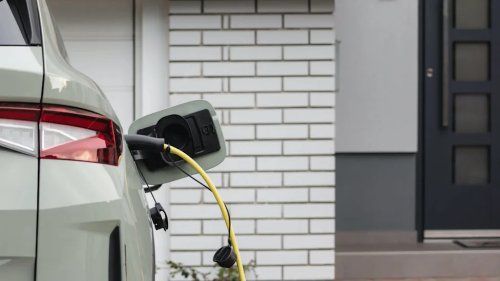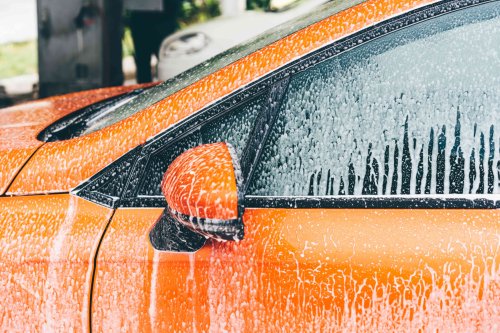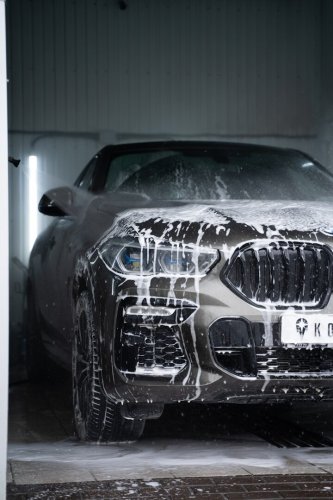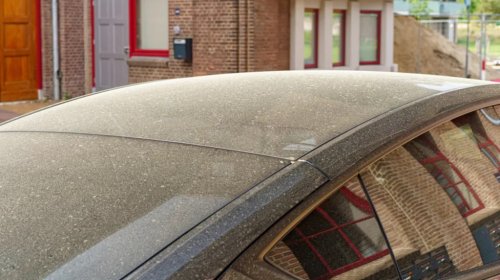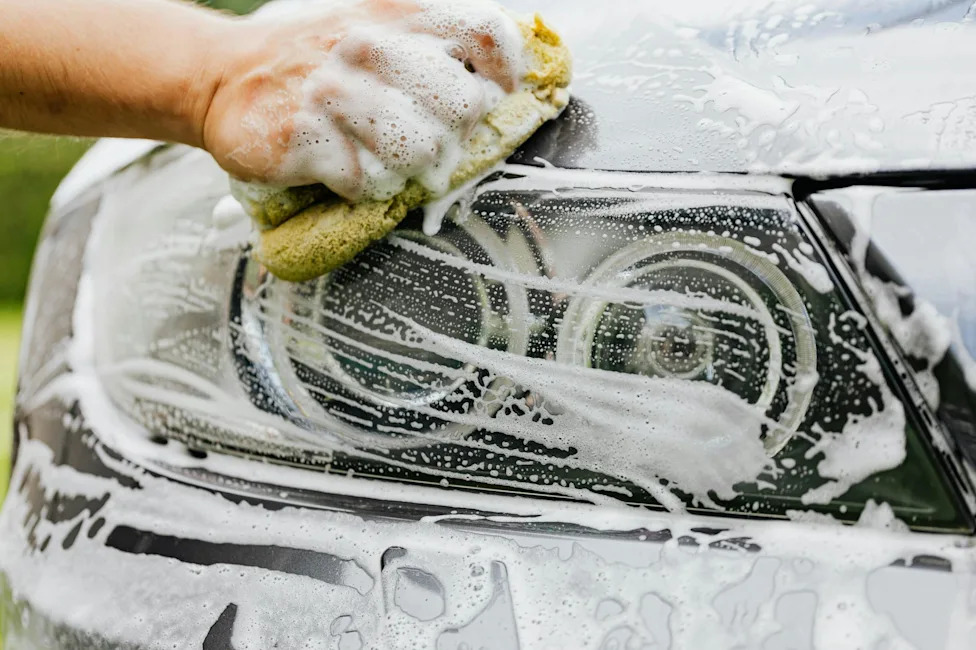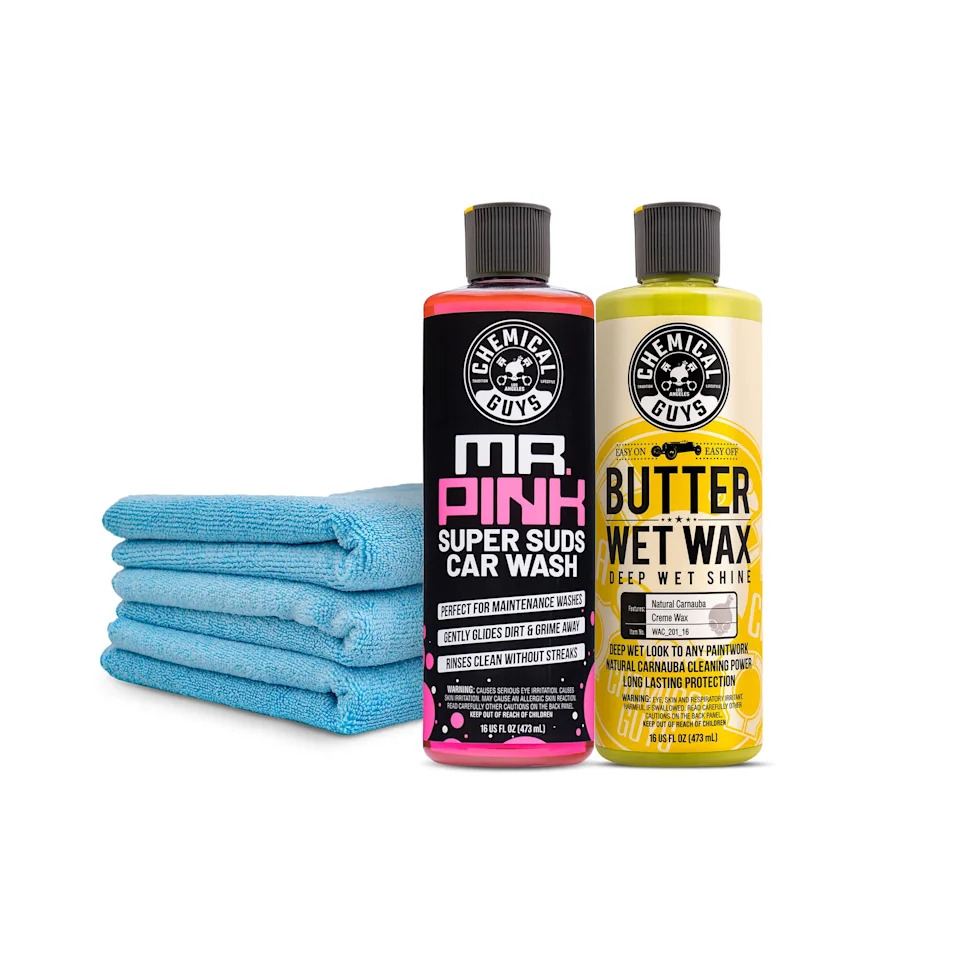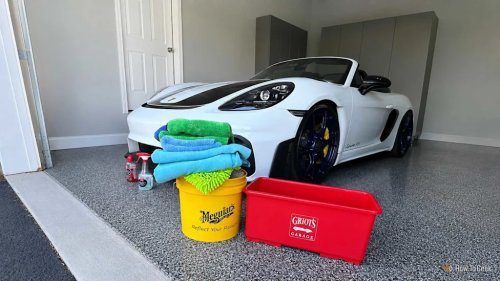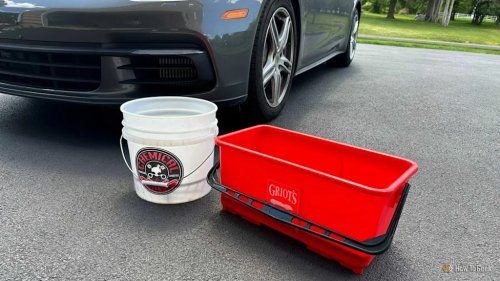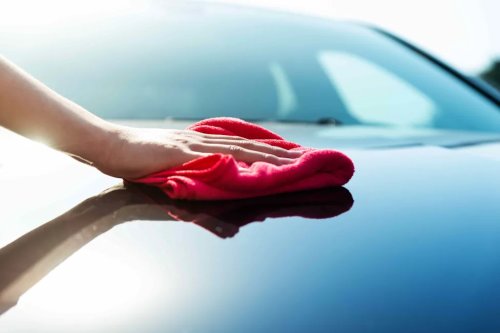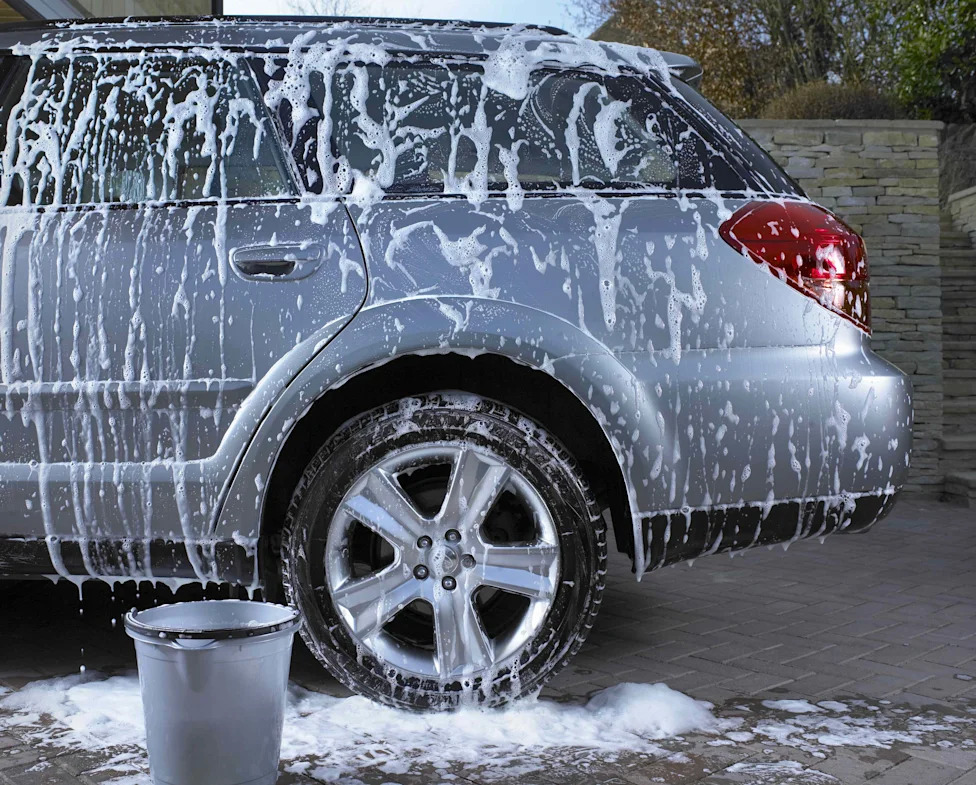



















Credit: Getty ImagesThere’s nothing like a clean, shiny car, but they get dirty fast. Even when parked in the garage at home, a car is bound to get dirty driving on everything from highways to country roads. And every season has a new challenge—leaves in the fall, pollen in the spring, and salted roads in winter. If summers are particularly dry, expect a layer of dust to settle on your vehicle overnight. Don’t get us started on bird droppings, sap, and bug splatters. Washing a car does more than make it look like new. All of these things can degrade your car’s clear coat over time and may eventually lead to rust. Going to the car wash is an option, but costs can add up fast, especially when your clean car gets dirty again so fast. When the weather is nice, why not wash your car yourself? It’s easy and you can use your supplies again. Here’s how to wash a car, including what you’ll need and the best place to start. How Often To Wash A CarDepending on the time of year and where you park your car, it should be washed every one to four weeks. If you’ve driven mountain roads to ski or in the sea breeze along the coast, your car needs washing more often. If your car isn’t driven frequently or you park it in a garage when not in use, three or four weeks is probably OK. You will want to get rid of sticky sap, bug splatter, and bird droppings, which can be acidic and damage the paint, as soon as you can.Considerations Before Getting StartedThe best time to wash your car is in the morning or in the evening, before or after the afternoon sun peaks. Strong sunlight can cause the water to evaporate quickly and leave streaks and may cause the soap to bake onto the car’s paint. A cloudy or overcast day is best.AdvertisementAdvertisementDon’t use household cleaners, handwashing soap, laundry detergent, or dish soap for regular washings. Liquid dish soaps may be fine in a pinch, but the concentrated soaps are formulated to strip grease from your dishes and could strip wax and protective coatings from your car. You will need to reapply wax or other coatings to keep your car protected. Look for specially formulated car wash soaps that are designed to protect the finish. What You NeedGarden hose with spray nozzleTwo bucketsCar wash soapMicrofiber wash mitt or spongeDedicated sponge for cleaning wheels and tiresDedicated brush for cleaning wheels and tiresMicrofiber towelsHow To Wash A CarStep 1: Wet The ExteriorMake sure all windows are up and sunroof or moonroofs are completely closed. Use the garden hose to spray the entire exterior of the car from the roof down to the tires, paying special attention to any gaps where grime builds up.Step 2: Add SudsFill the two buckets up with water. To one, add the car wash soap according to the package directions. Dip the car wash mitt or sponge into the soapy water and apply it over the car’s exterior, starting with the top and working your way down so any dirt and grime won’t drip onto clean areas. Clean in a back-and-forth pattern rather than in circles, which can cause swirl marks on the surface.AdvertisementAdvertisementThe best order for washing is to start with the car’s roof, followed by the hood, trunk, upper sides, and lower sides. As you work your way around the car, rinse the sponge or mitt in the clean water after washing each area so you don’t drag dirt across surfaces, then dip it into the soapy water to lather the next section. Rinse each section after cleaning.Step 3: Clean The TiresDip a clean wash mitt or sponge into the soapy water to scrub the tires and wheels. Use a brush to get into the grooves and wheel spokes.Step 4: Rinse The CarUse the hose to go back over the car again from top to bottom and rinse every section.Step 5: Dry The CarDry the car with a clean microfiber cloth in a circular motion. Start at the top again so water won’t drip down onto areas you’ve just dried. Swap out the wet cloth for a dry one as needed.Tips To Keep A Car Clean LongerThe best way to keep your car clean is to apply wax or ceramic sealant every few months. The protective barrier causes water to bead up and roll off, preventing mineral deposits and stains.Spot-clean any dirt spots, bird droppings, or sap as soon as possible to keep them from etching the surface.Don’t park under or near trees to avoid sap and bird droppings, as well as leaves, pollen, flower petals, and other debris that can settle onto your car’s exterior.Removing Stains From A Car Bugs and sap can be tough to remove. Wash the area with a soft mitt or sponge to get rid of loose dirt, then dry it. Apply bug and tar remover to the area, following the directions on the package. Follow up by washing and drying the area again.AdvertisementAdvertisementRead the original article on Southern Living