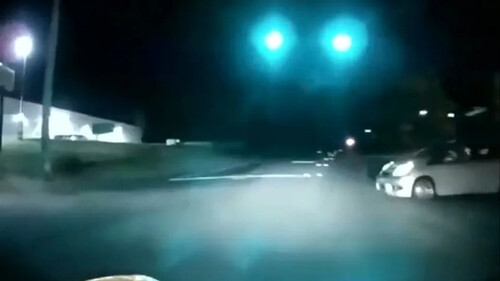
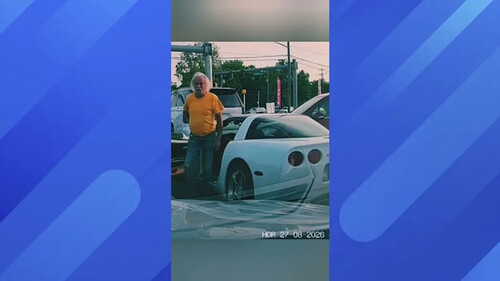
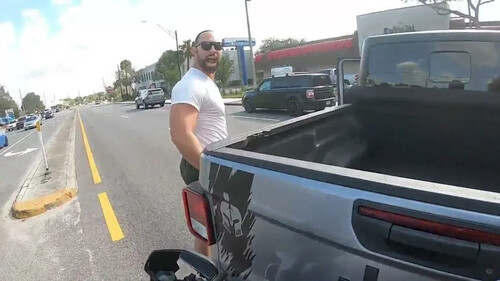
how to install a dashcam in your carA while back, there was a car insurance company that ran an entire ad campaign about how buying car insurance was so easy, even a caveman could do it. Well, even with the notion that a caveman would have insurance on his car (cavemen are known rebellious types), the idea of adding a dashcam to your car should be considered just as, if not easier than, buying insurance. After all, a dashcam is a type of insurance all its own. Installing one isn't nearly as complicated as you might think.Types Of DashcamsThe basic idea of a dashcam is simple - video evidence of what takes place in and around your vehicle. The basics started out with just coverage of the interior of the vehicle from the front seat perspective. This means that the camera was mounted on the dashboard (hence the name) and it faced back into the car, recording video of what the driver and passengers did.It was quickly decided that adding a front-facing camera to capture events in front of the car also had a high impact. This added a high level of protection for drivers, especially when dealing with accidents and other traffic situations. With this angle, many dashcams moved from the dash location, up to the rearview mirror area. The cameras are mounted to the windshield,AdvertisementAdvertisementThe next move was to add a rear-facing camera to record from behind the vehicle. Get rear-ended? Covered. Get pulled over by the police? Covered. This led to adding a camera angle facing inward from behind the back seats. Rideshare drivers found this to be especially helpful when dealing with customers and complaints.Then you get into the more advanced dashcams, like Vantrue's Nexus 5S, which gives you 360-degrees of coverage with 10 motion sensors. This setup represents the ultimate in coverage and protection.Where Do You Install It?how to install a dashcam in your carWhere you mount your dashcam depends on the model. Most are small and compact enough that mounting them behind the rearview mirror works best, as they come with a strong adhesive that will lock them in place. Follow the manufacturer's instructions, but simple prep for the spot you mount the camera is to wipe it clean with rubbing alcohol, let that fully dry, and then wipe again with a clean, dry wipe.Rear window cameras mount in the same fashion with adhesive. Place the camera near the top of the window and center it for best results. Make sure the camera has a clear view. The most important factor is making sure neither camera obstructs your view at all. Not only is it dangerous to do so, but it is also usually a ticket-worthy offense in the eyes of the law.AdvertisementAdvertisementMost camera systems have good instructions on where to place the camera. As much as it might pain you, reading the instructions is a great idea.Where Do Those Pesky Wires Go?Photo by Ohms1999/Shutterstock.comPhoto by Ohms1999/Shutterstock.comIt's one thing to put the camera where you want it, but now you have to figure out where to run the wires so they are not in the way. The best option is to hardwire the dashcam, but we'll come back to that in a moment. If you use the optional 12-volt plug to power your dashcam, running those wires gets a little trickier because you must have the power wires come out near the outlet in your dash. One trick is to run the wiring down and into your glove compartment, and then just have the minimum come out to reach the plug-in.For all the other wires, if you look along the seams where your roof meets your windshield, you can see there is enough space to tuck in the wires. The same goes for the rear camera, and most cameras have more than enough wire to run either along the roofline or even down to the floor level, where it is even easier to run lines and use the flooring and trim to cover and protect them.Hardwiring Is The Best OptionHardwiring your dashcam adds features that are going to add new levels of protection for you and your vehicle. By using one of the hardwire kits, you can access the parked car functions of the dashcam, including theft notification, damage, or impacts that can happen when you're not with your car, and it does so 24 hours a day, 7 days a week with minimal battery drain.AdvertisementAdvertisementVantrue, for example, makes hardwiring kits that are easy to install and provide you with many options, including the option to have a visible voltage meter. You can also get a voltage regulator that detects if the system is drawing too much juice and will switch to a low-power mode. Simply match the dashcam model you have with the correct kit, and you're good to go. If you have moderate mechanical skills, installation of the hardwiring kit is easy and takes a few minutes.How To Plan Out Your InstallIt might seem like a major undertaking to install a dashcam, but it really isn't. Once you have the model you want, start by setting the camera on your dash and seeing where you plan to mount it. Don't install it yet. Do the same for the rear camera.Before you attach the camera to the window, take the wires and see where you can run them. Go ahead and tuck the wires behind the trim and along the seams, leaving just enough to attach the cameras in the mounting location. The more you can hide the wires, the better. If you are hardwiring the camera, run the power wire through the firewall and route the plug end to the camera's mounting location. Running the wires and hiding them is the hardest part of the install - and you will likely agree that it isn't that hard.Once you have the wires in place, it is time to clean the glass and stick the cameras in the best mounting location. Once the cameras are in place, get the power ready. For the 12v plug, just have it within reach of the outlet. For hardwire kits, follow the instructions and connect to your fusebox, and connect the leads to the correct terminals on your battery. When everything is ready to go, plug everything in and power up the camera.how to install a dashcam in your carNow that the cameras are working, make sure you download the app. Vantrue makes it easy to operate the cameras via an app. Connect your phone to the cameras and run through the startup process. The app is a vital part of the process, as it notifies you of issues, gives you 24-hour access to videos, and gives you the most control over your data. You can drive with confidence that you have the added level of protection that can only come from video footage of your trip, backed up to a cloud server, so you can access it anywhere, giving you peace of mind.NOTE: This is sponsored content produced in partnership with Vantrue