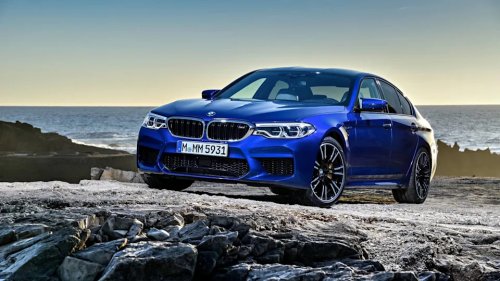
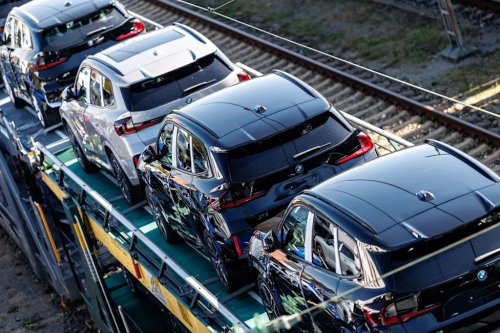
How a Russian Plant Is Building Rogue BMW SUVs From Abandoned PartsWhen BMW abruptly suspended its Russian operations and halted local production following the 2022 invasion of Ukraine, the automaker assumed its decades-long partnership with the Avtotor plant in Kaliningrad was definitively over.However, nearly four years later, brand-new BMWs are inexplicably rolling off those exact same assembly lines.Without authorization, engineering oversight, or official software support, Russian workers have quietly resurrected the Kaliningrad facility, cobbling together an unauthorized fleet of luxury SUVs using leftover components abandoned by the German automaker.AdvertisementAdvertisementHere is an analysis of this bizarre "zombie" vehicle pipeline and the glaring technical questions surrounding how these cars are actually being built.The Pre-Facelift "New" BMWsAccording to leaked market data originally uncovered by the Russian newspaper Kommersant, local demand for these bootleg vehicles is surprisingly high. Last year, the Avtotor plant managed to sell 145 unauthorized BMWs, primarily consisting of the X5, X6, and X7 luxury crossover models.Because the plant is relying on "partially outdated kits" left over from the sudden 2022 shutdown, the vehicles possess a highly unusual quirk. Outwardly, they feature the pre-facelift exterior styling of 2022-era BMWs, yet they are officially registered and sold as 2025 and 2026 model-year vehicles.Despite the lack of a factory warranty and missing out on the official design updates introduced globally between 2022 and 2024, Russian buyers are eager to snap them up. The base models are currently priced between 11.9 and 12.9 million rubles (roughly $153,000 to $166,000). While steep, this remains significantly cheaper than attempting to buy an official, newer BMW imported through complicated "gray market" parallel import channels.The Sourcing MysteryWhile the initial batches of cars were undeniably built from the 2022 warehouse surplus, industry experts are raising major red flags regarding Avtotor's recent production claims.AdvertisementAdvertisementIn May, the Kaliningrad plant announced it had begun assembling the diesel-powered BMW X6 40d. This caused widespread confusion among automotive logistics analysts, as that specific diesel variant had reportedly never been produced at the Kaliningrad facility before BMW's exit.Building a vehicle requires tens of thousands of components. The idea that Avtotor suddenly found all the necessary, model-specific parts for a diesel X6 sitting untouched in a warehouse since 2022 is highly improbable. Russian media suggests the plant is now bridging the gap by manufacturing simple components like wiring harnesses, hoses, and rubber seals locally. However, analysts suspect that complex mechanical parts are now actively being sourced through intermediaries and third-party countries to supplement the dwindling original inventory.The Manufacturer's WarningBMW is highly aware of the rogue production and has completely distanced itself from the Kaliningrad operation.In a statement to RFE/RL, BMW Group spokesperson Carolin Bachmann confirmed that Avtotor has been building limited batches of cars on an "irregular basis" using the leftover 2022 kits. To protect the brand's liability, BMW has formally briefed public authorities and retailers about the unauthorized assembly to mitigate risks.AdvertisementAdvertisementThe primary concern is the total absence of technical oversight. Without BMW's direct engineering input, official software calibration, or modern quality control protocols, these luxury vehicles present a massive gamble for the consumer. They may carry the famous Bavarian badge, but under the sheet metal, they are an unauthorized, localized experiment in automotive survival.