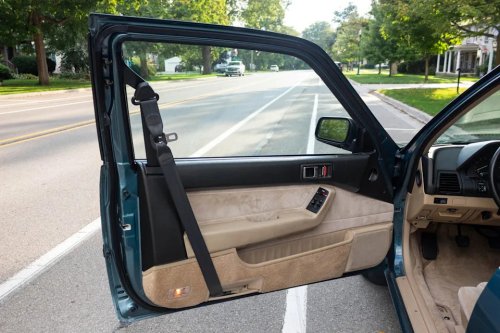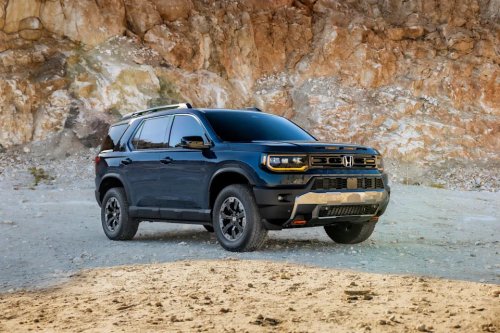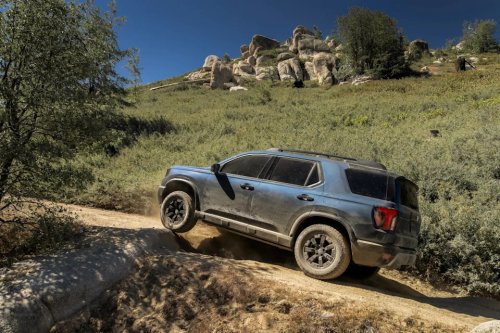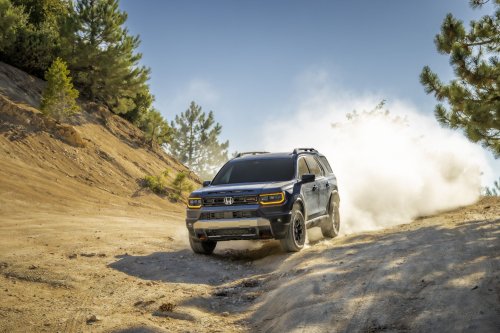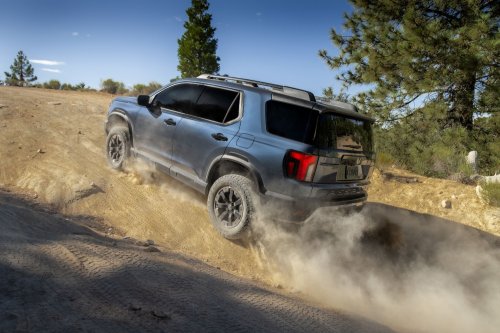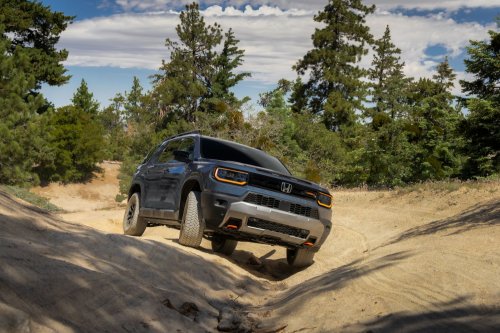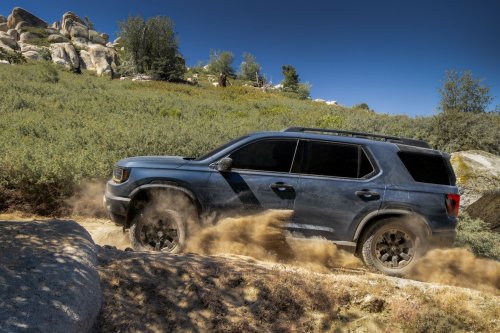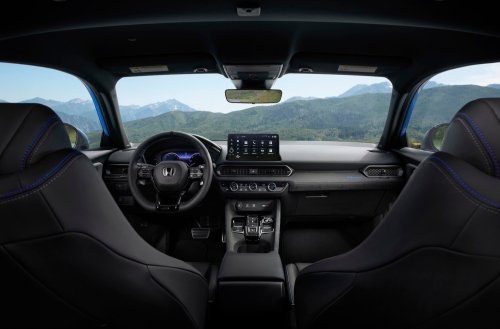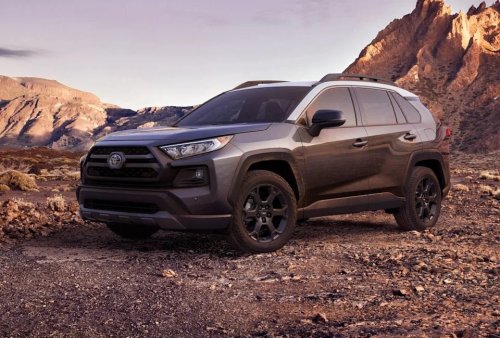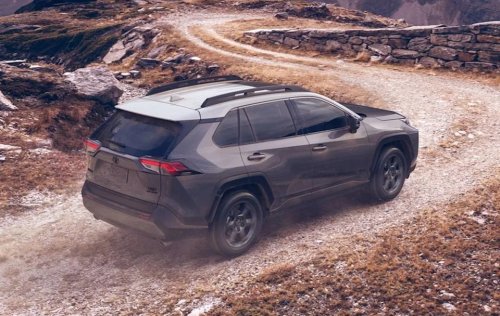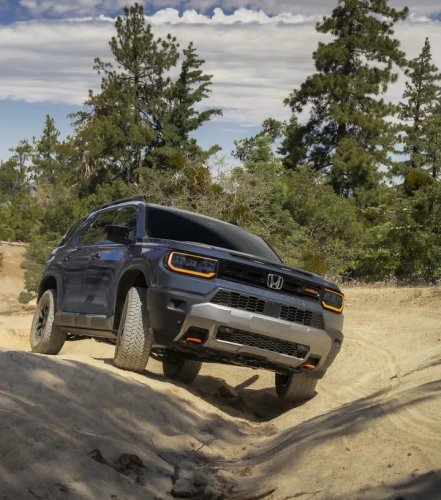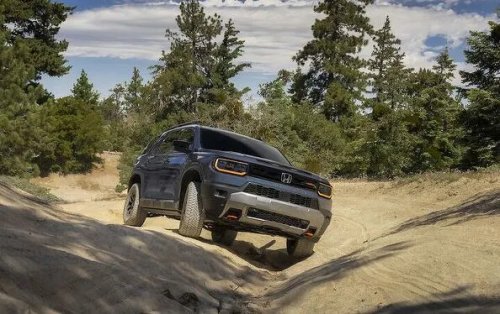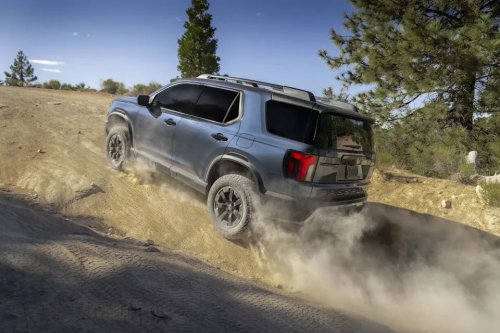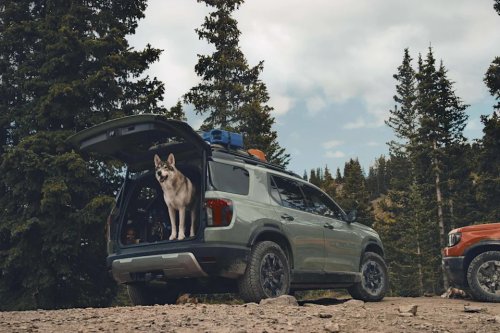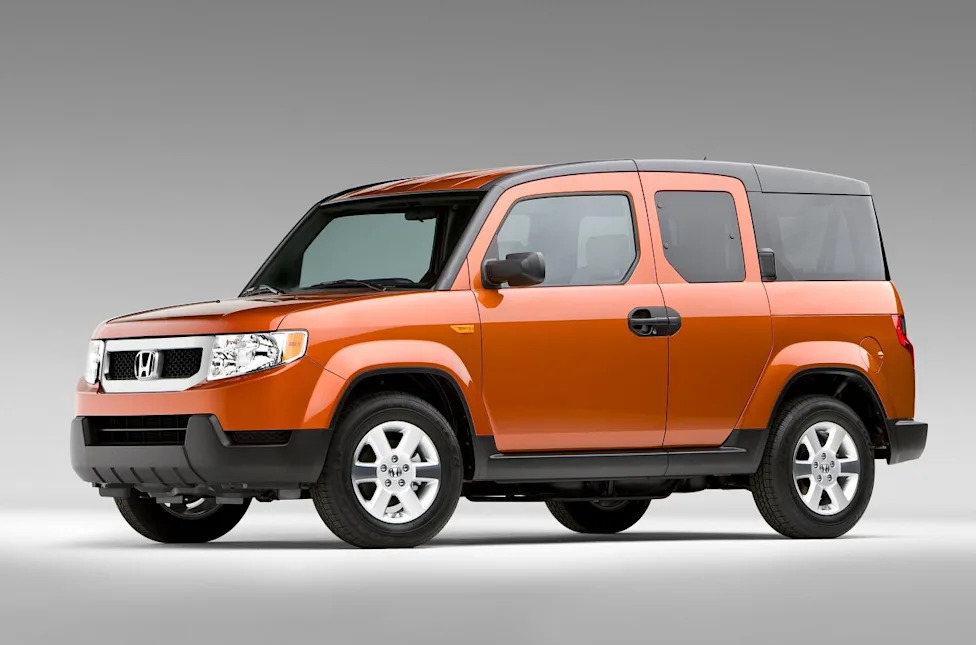
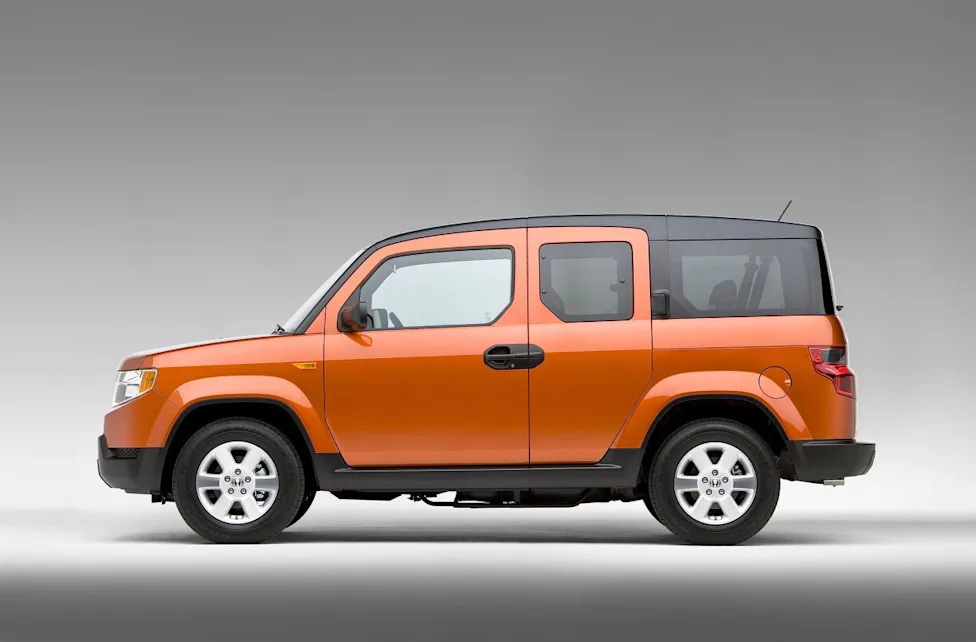



















honda plans to bring back a boxy iconHonda plans to revive the Element nameplate in 2029 as a hybrid crossover designed to compete with the Ford Bronco Sport. Production will begin in the second quarter of 2029, bringing back one of Honda's most distinctive vehicles more than a decade after its discontinuation, reports Automotive News.The news marks a significant shift for Honda, which eliminated the quirky box-shaped SUV from its lineup in 2011 after nine years of production. The original Element built a devoted following among outdoor enthusiasts who valued its utilitarian design and washable interior.honda plans to bring back a boxy iconThe Original Element's Cult FollowingHonda introduced the Element in 2002 as a radically different take on the compact SUV. The vehicle featured a boxy "toaster on wheels" design that divided opinions but attracted buyers seeking maximum practicality. Suicide-style rear doors opened from the center, providing wide access to the cargo area. The interior came with rubberized floors that owners could hose out after muddy adventures.AdvertisementAdvertisementThe original Element offered two engine options throughout its production run. A 2.4-liter four-cylinder engine produced 160 horsepower initially, later upgraded to 166 horsepower in 2007 models. Honda paired the engine with either a four-speed automatic or five-speed manual transmission. All-wheel drive was available across the lineup.Pricing made the Element accessible to younger buyers when it launched. The base model started at $16,700 in 2003. By its final year in 2011, prices ranged from $20,425 to $24,810 depending on trim level and drivetrain configuration.Honda marketed the Element toward active lifestyles. The company designed it for camping gear, bicycles, surfboards, and pets. Rear seats folded flat or could be removed entirely. Dealers reported strong interest from college students, surfers, and dog owners who needed durable transportation.Why Honda Killed the ElementSales volume drove Honda's decision to discontinue the Element. The vehicle found its niche but never achieved mainstream success. Annual sales peaked at around 60,000 units in 2003 but declined steadily. By 2011, Element sales had fallen to approximately 11,000 units.AdvertisementAdvertisementThe 2008 financial crisis hit Element buyers particularly hard. Younger customers who formed the core demographic faced job losses and tighter credit. Honda chose to focus resources on higher-volume models like the CR-V and Pilot.Fuel economy also limited the Element's appeal as gas prices climbed. The boxy design created significant aerodynamic drag. Real-world fuel economy ranged from 19 to 22 miles per gallon combined, depending on drivetrain choice. Competitors offered better efficiency in more refined packages.The 2029 Revival StrategyHonda's decision to bring back the Element reflects changing market dynamics. Adventure-focused crossovers have gained traction since the Element's departure. Ford's Bronco Sport launched in 2021 and quickly found buyers seeking rugged styling with daily drivability. Subaru's Forester Wilderness and Toyota's RAV4 Adventure demonstrate strong demand for outdoor-oriented vehicles.The hybrid powertrain addresses the original Element's fuel economy weakness. Honda has not disclosed specific powertrain details, but the company's existing hybrid systems provide reference points. The CR-V Hybrid delivers 40 miles per gallon combined using a 2.0-liter four-cylinder paired with electric motors.Pricing details remain unreleased. The current competitive set suggests a range between $30,000 and $40,000.