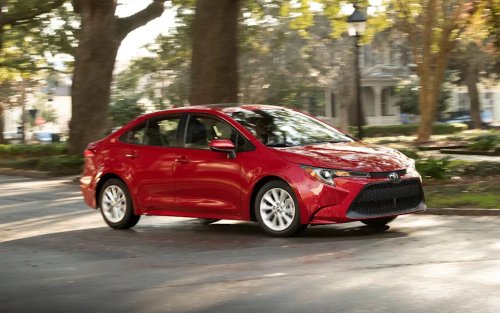
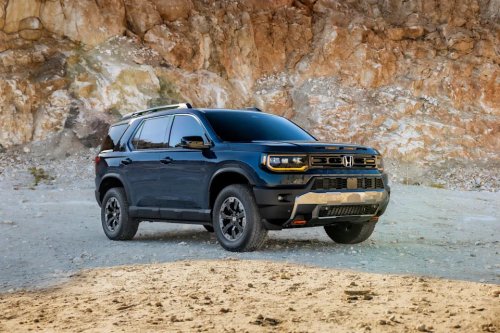
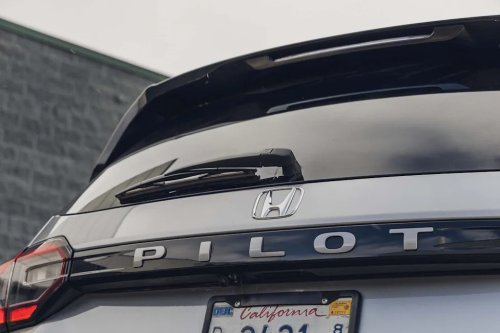
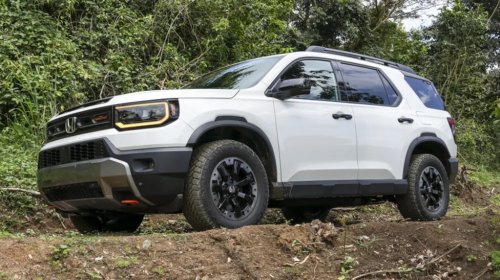
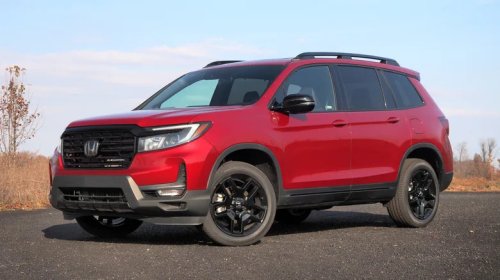
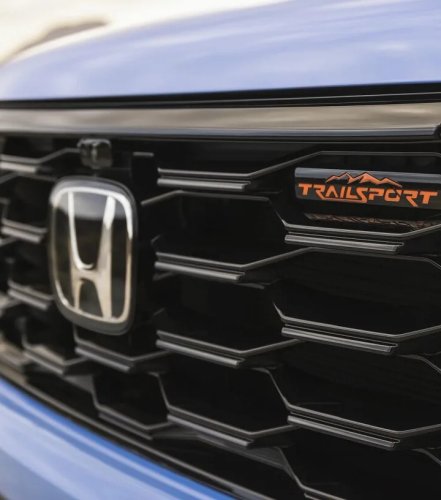
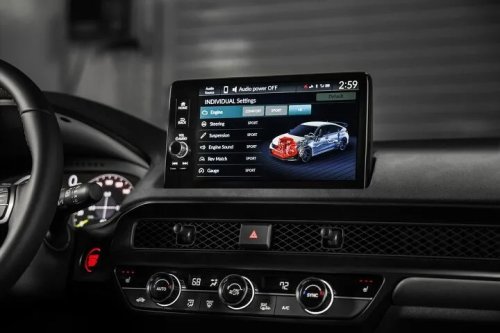
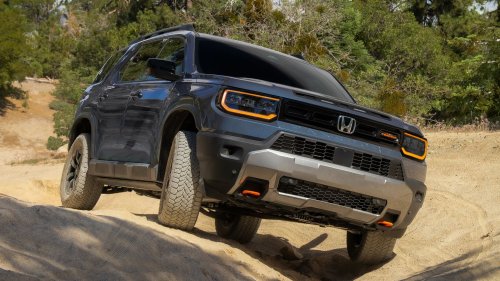
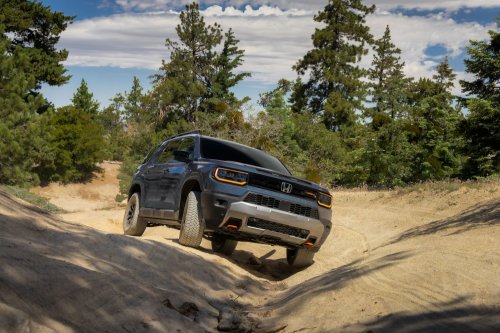
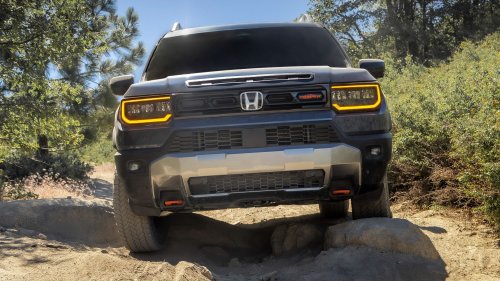
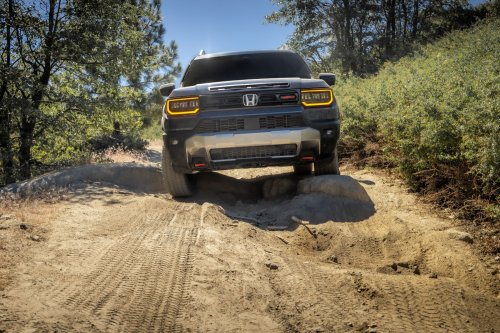
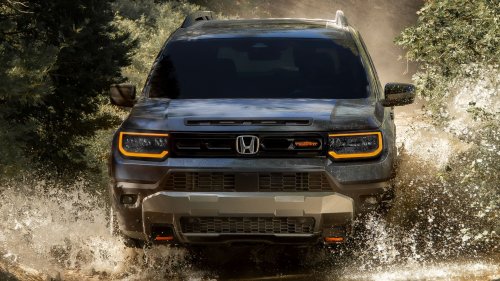
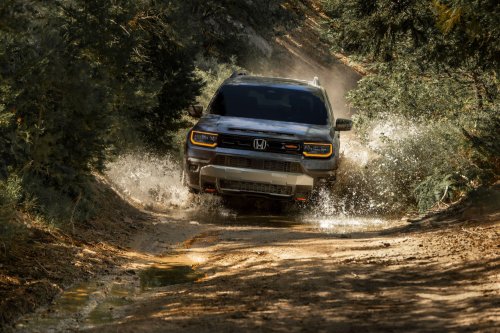
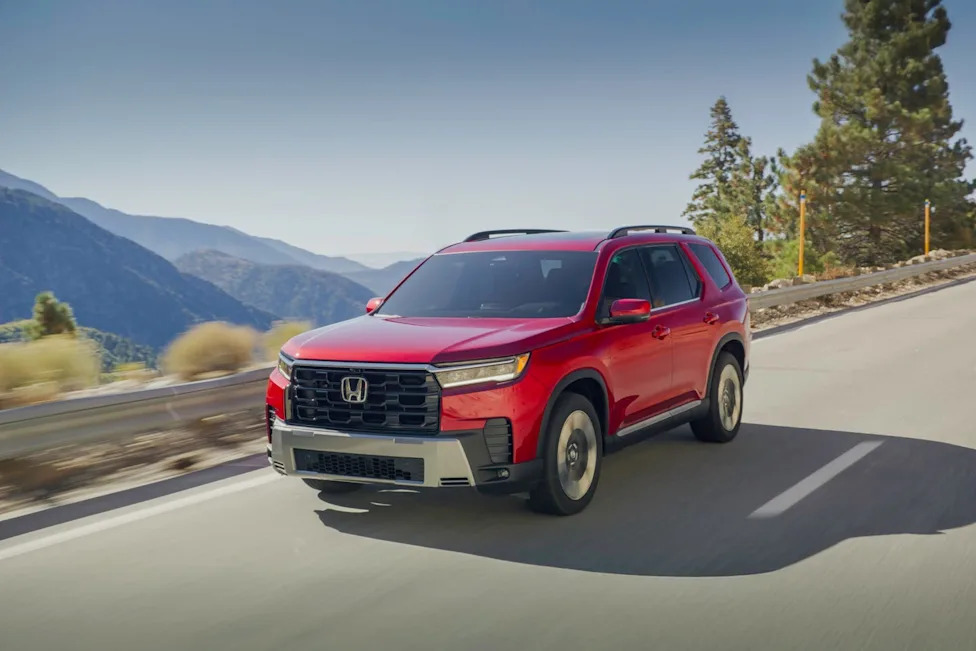
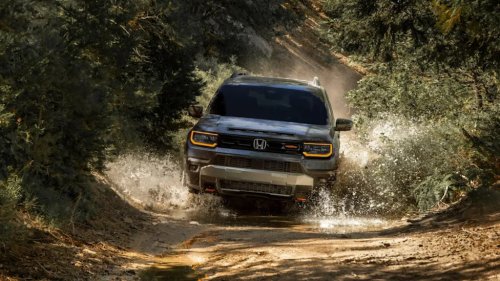
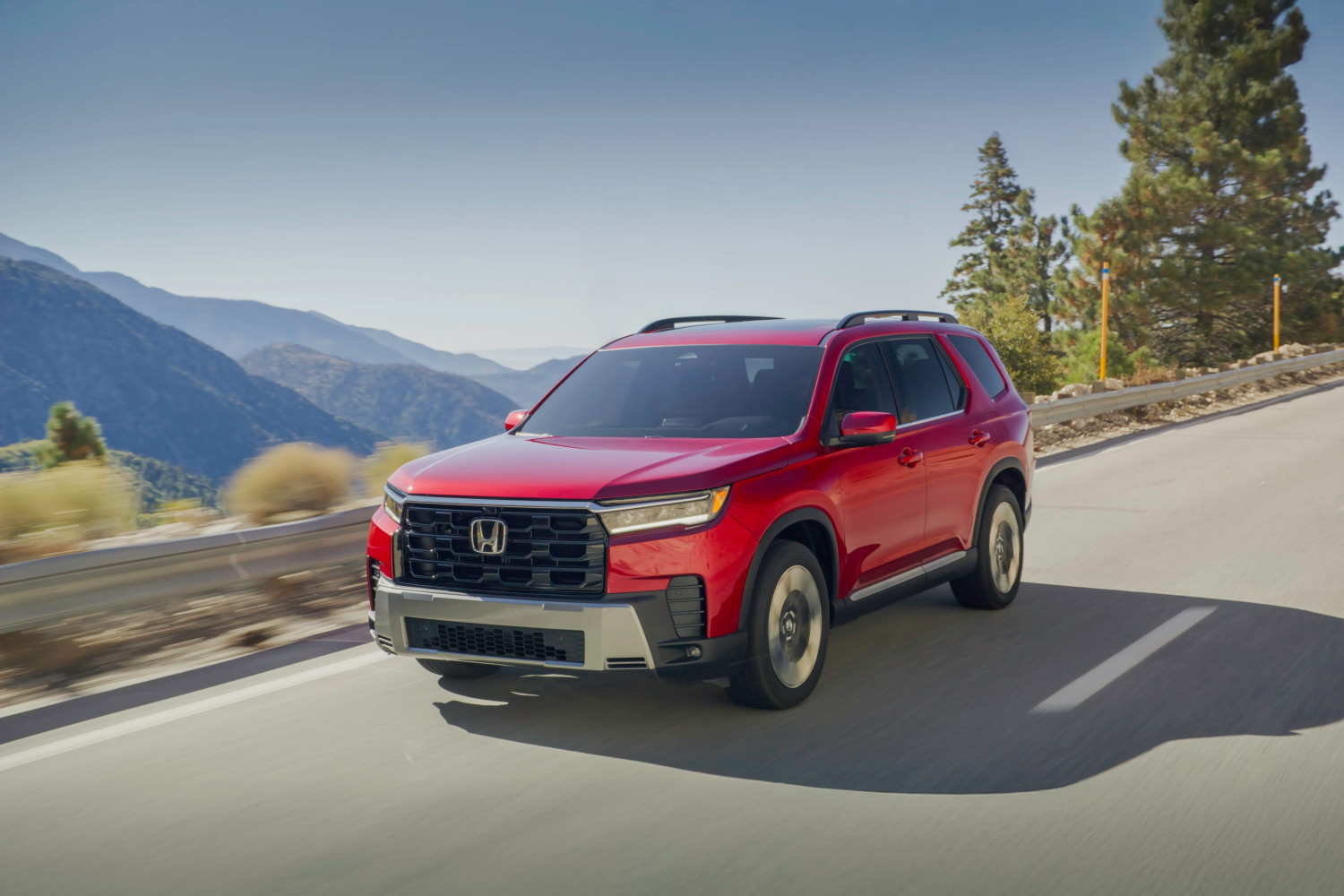
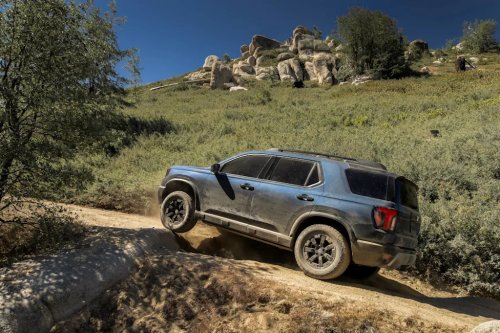
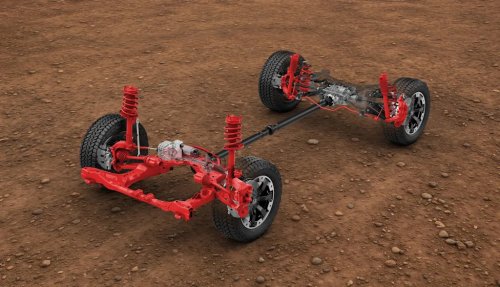
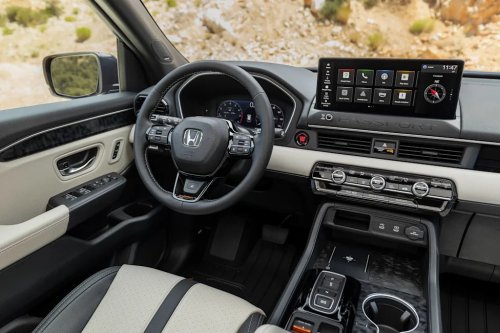
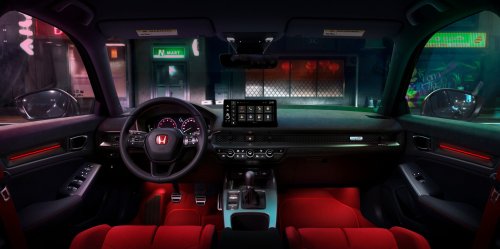
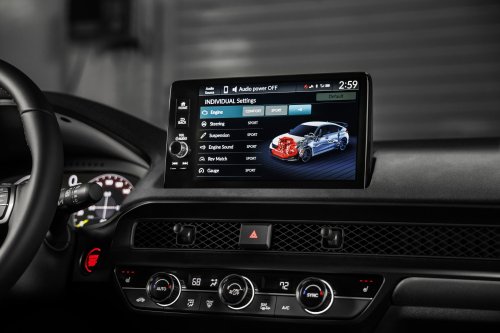
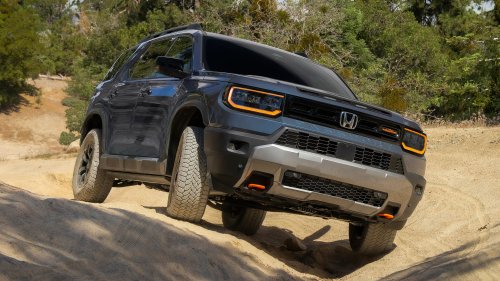
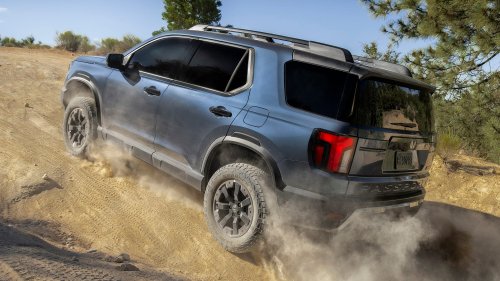
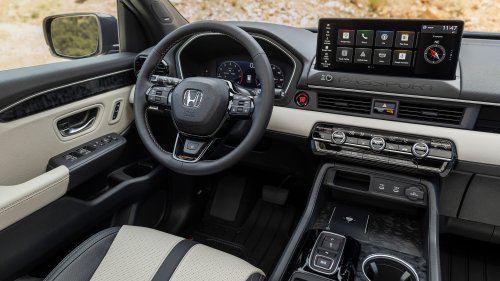
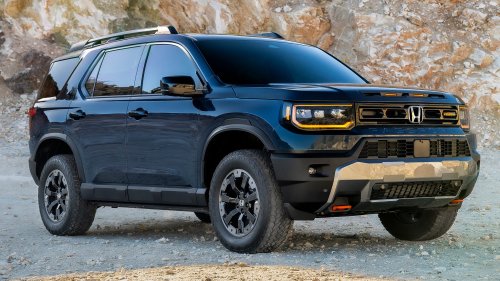
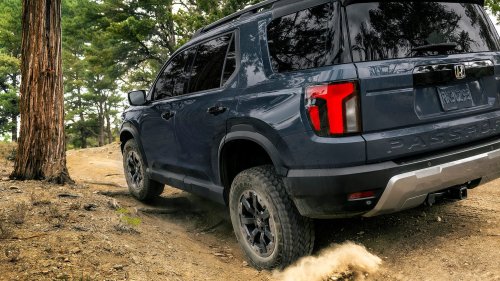
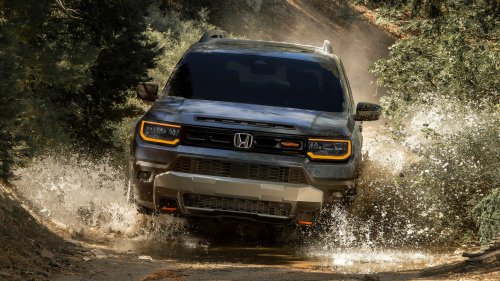
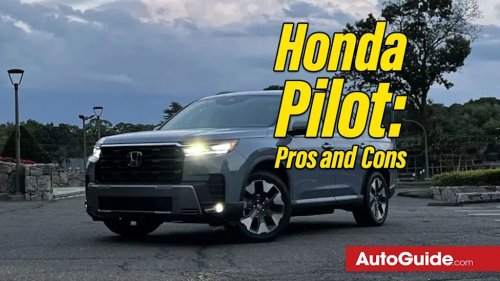
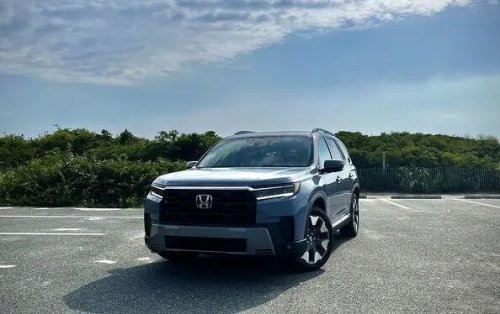
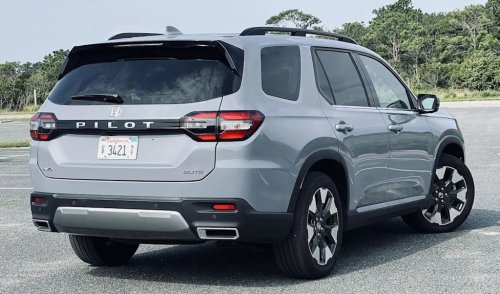
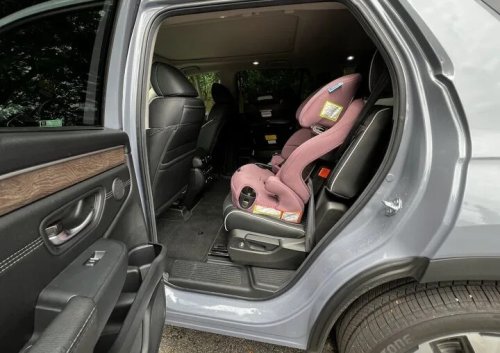
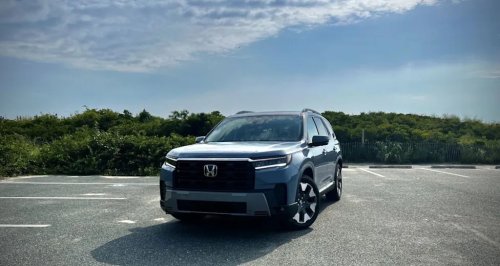
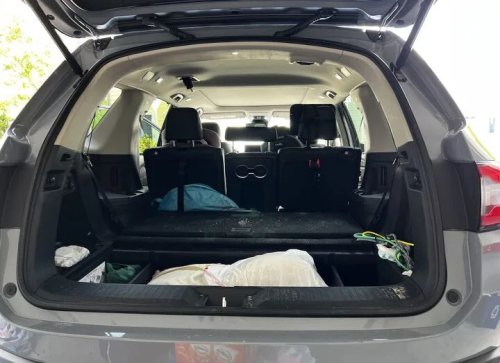
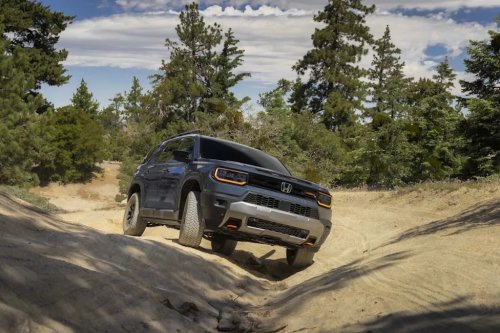
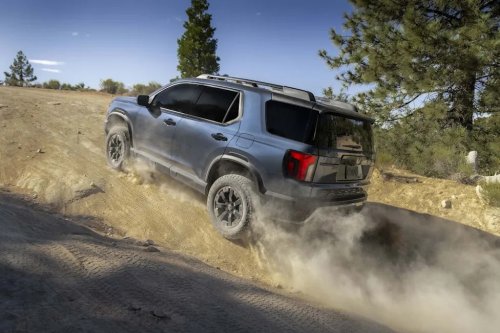
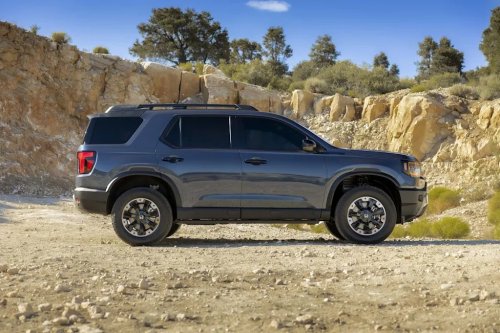
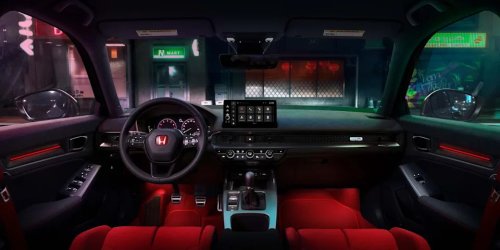
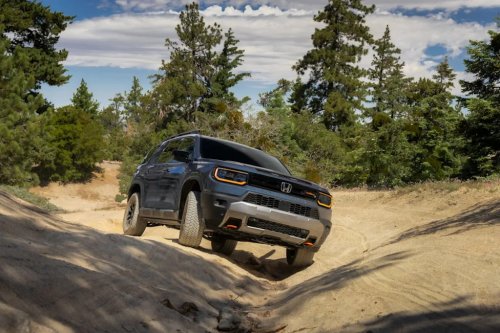
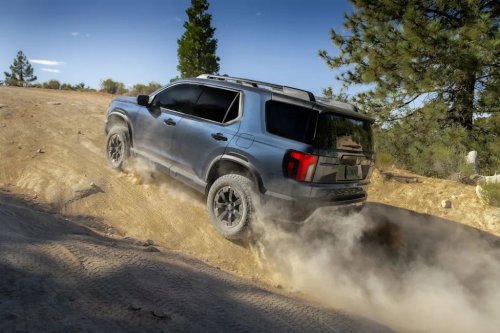
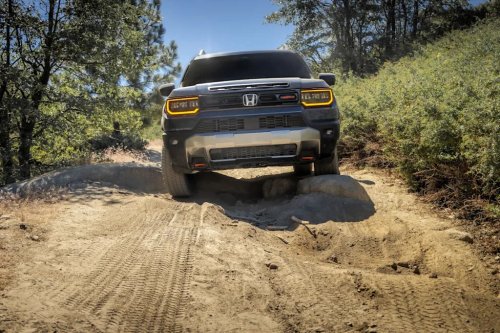
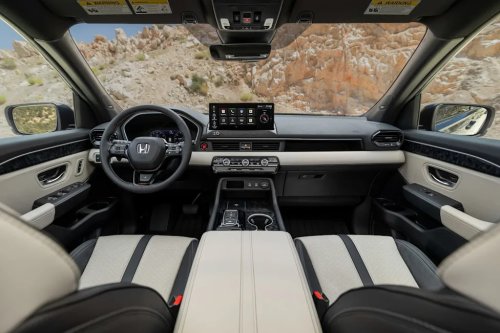
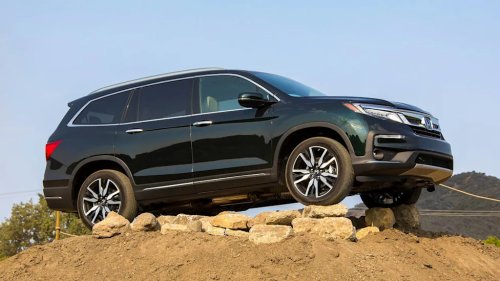
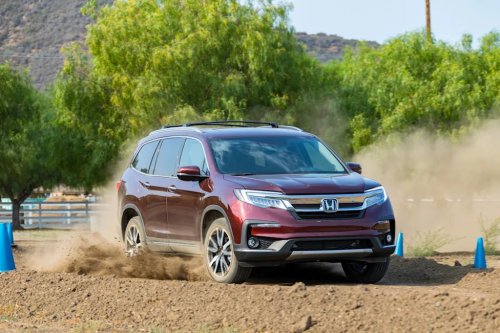
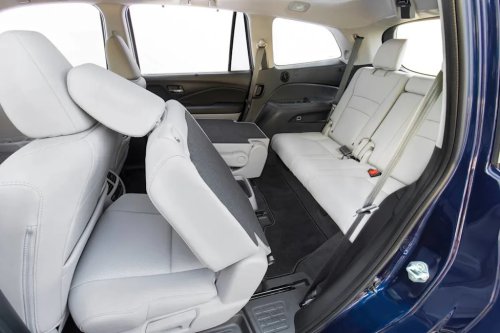
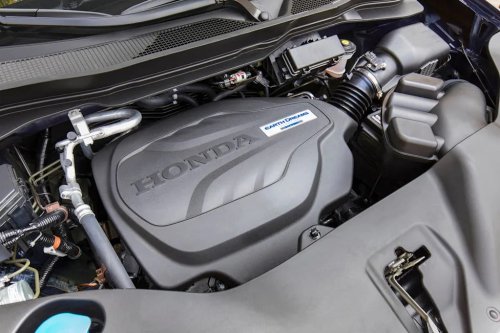
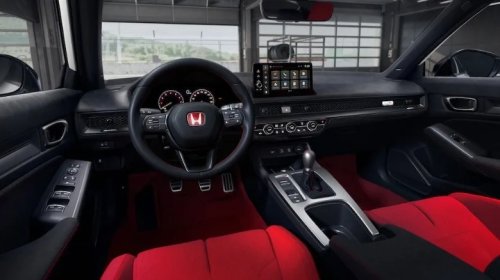
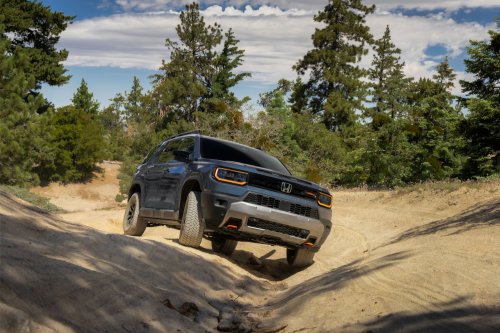
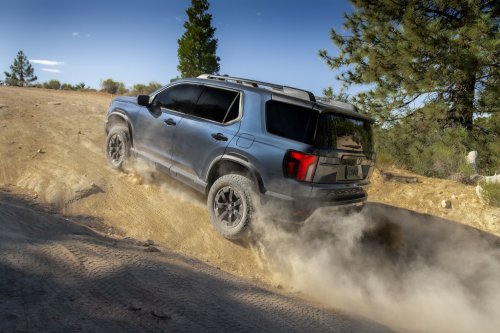
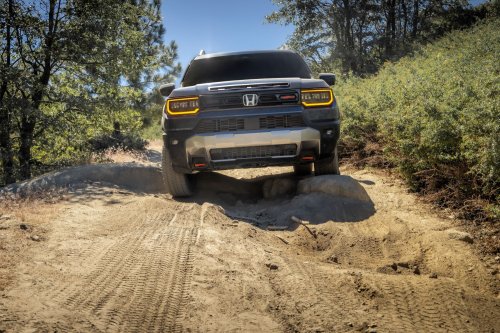
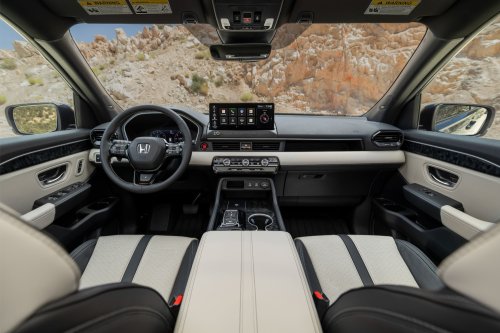
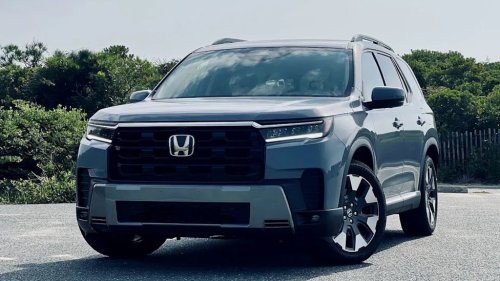
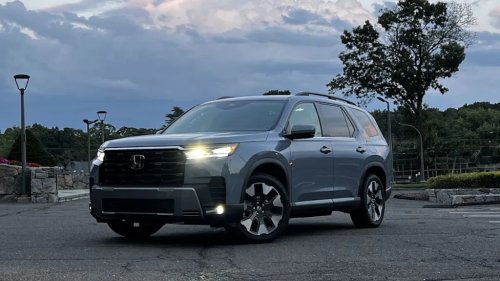
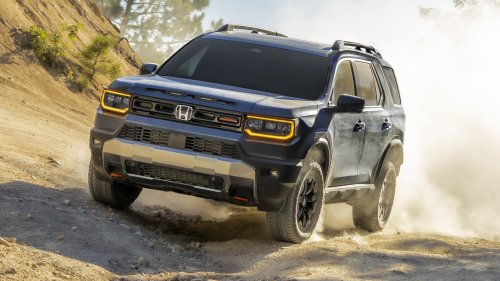
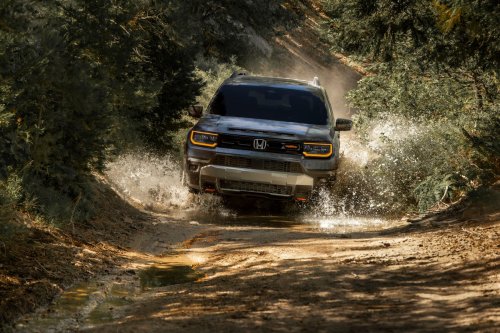
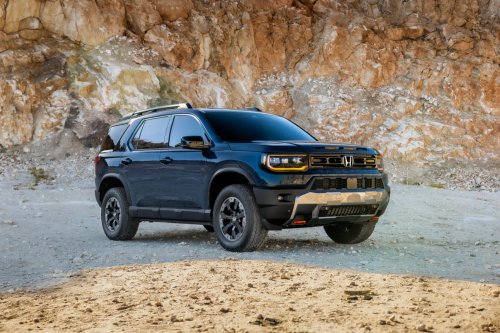
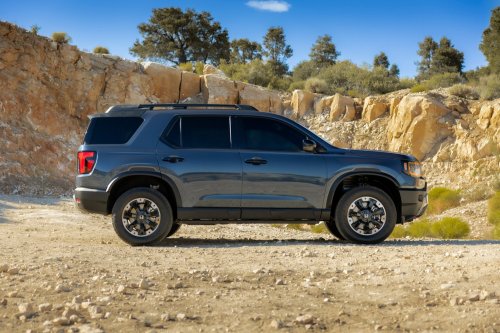
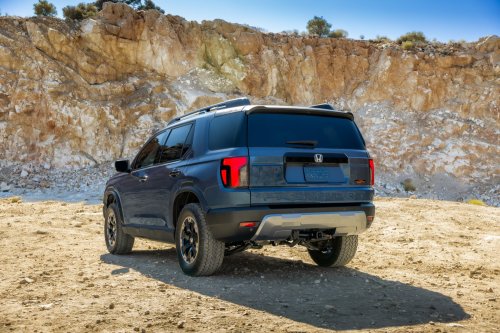
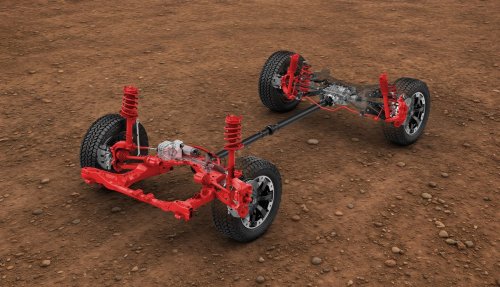
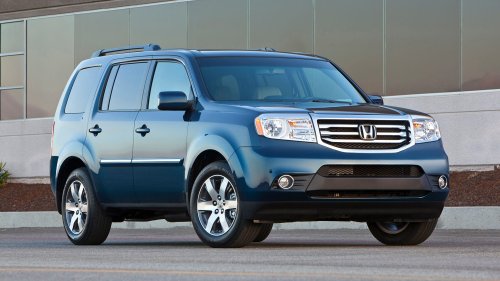
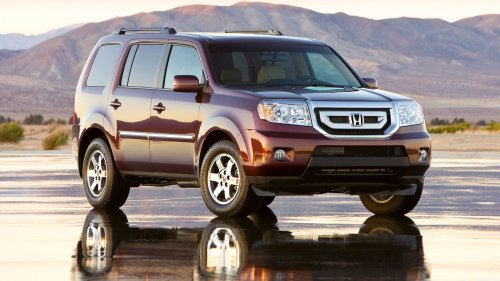
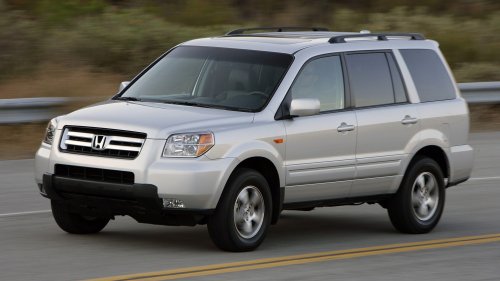
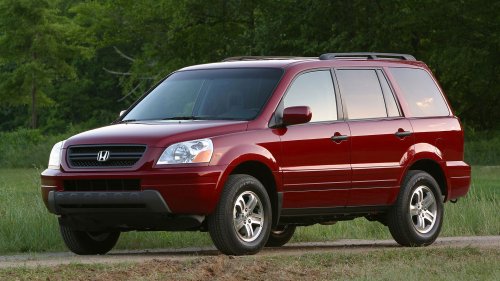
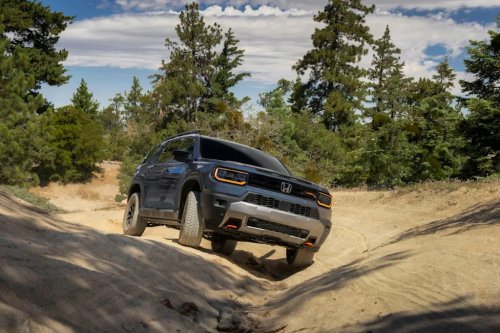
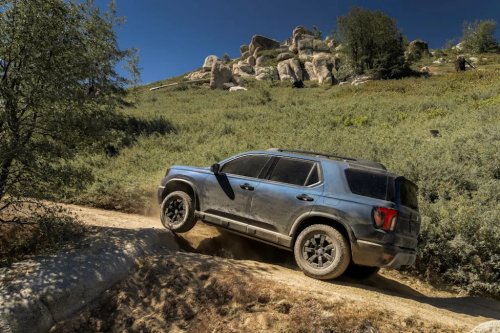
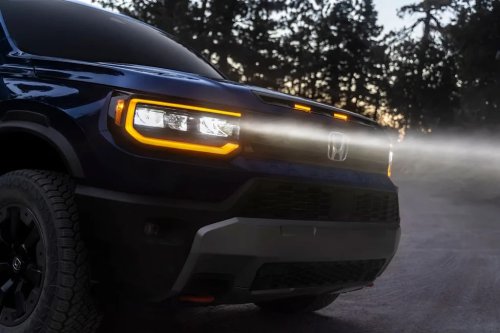
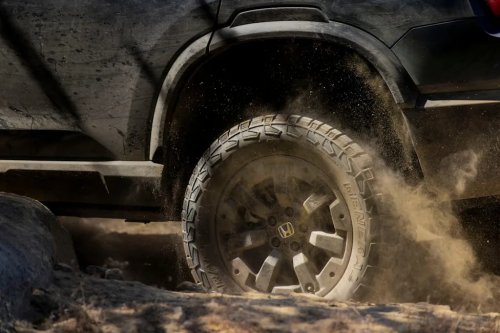
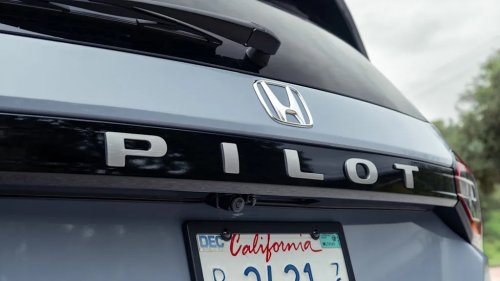
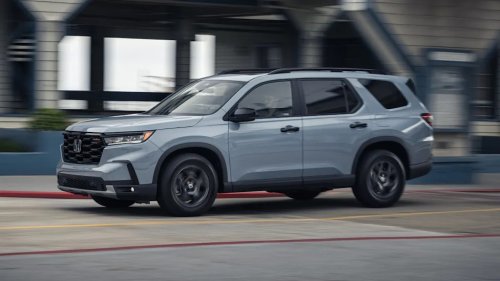
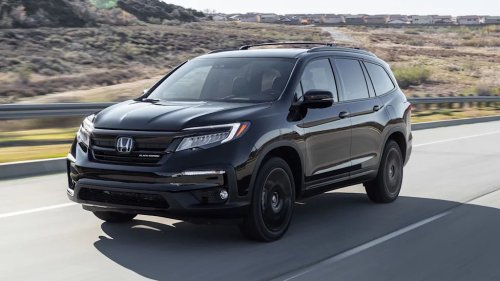
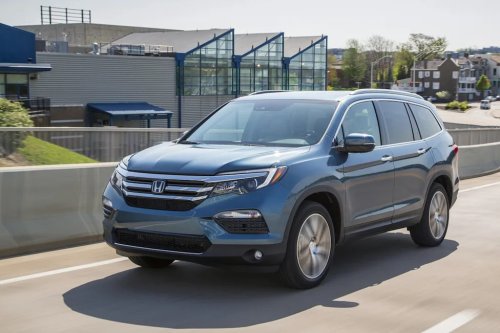
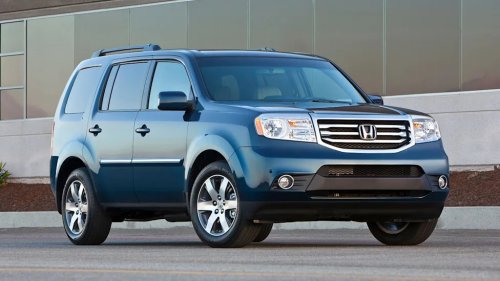
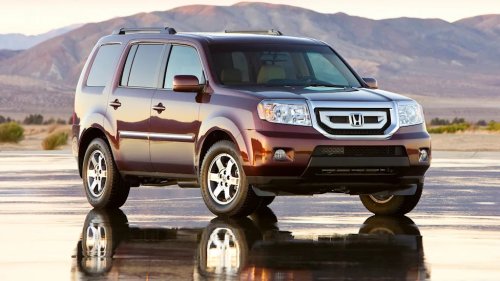
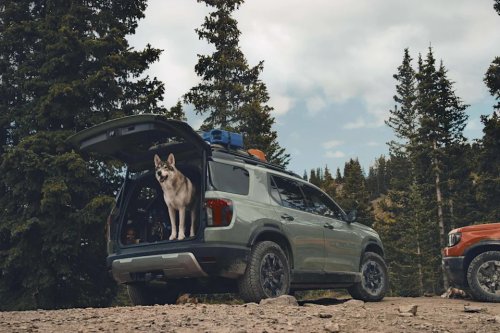
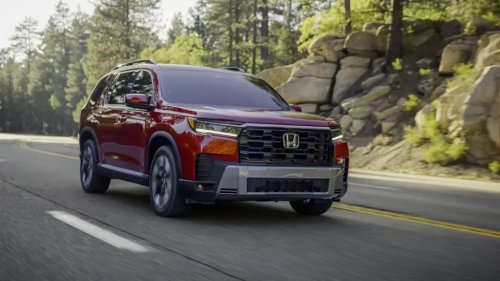
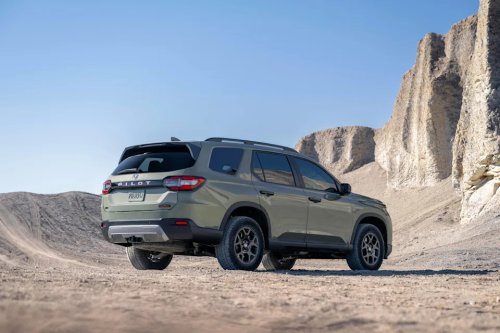
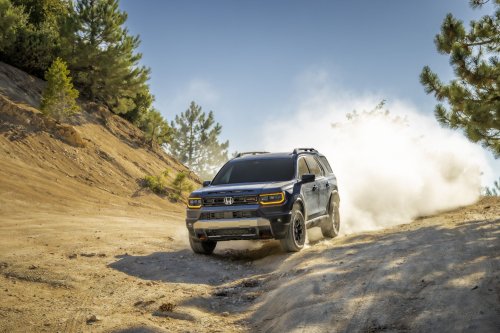
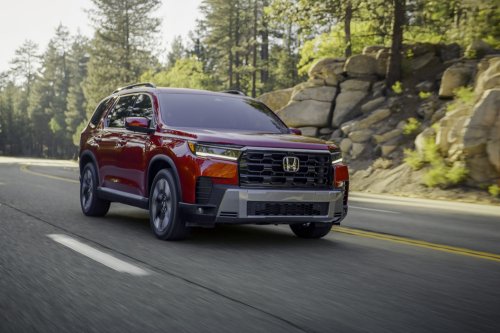
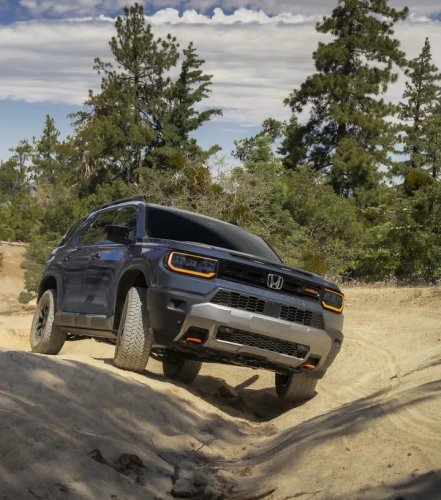
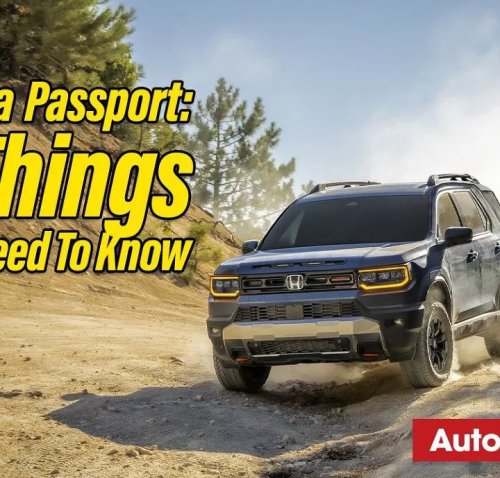
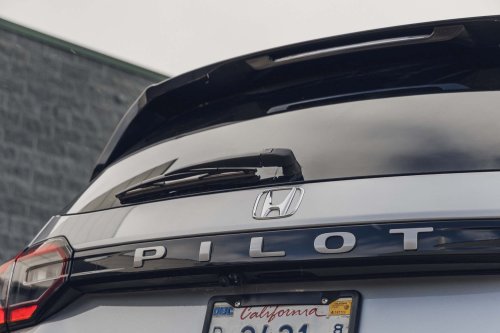
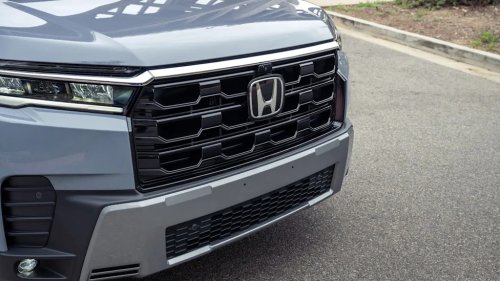
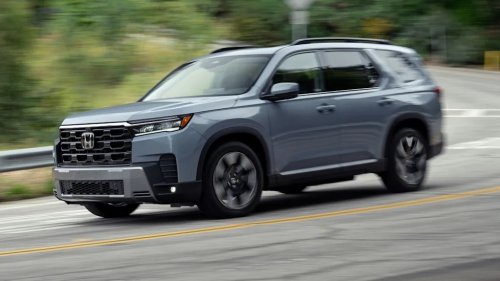
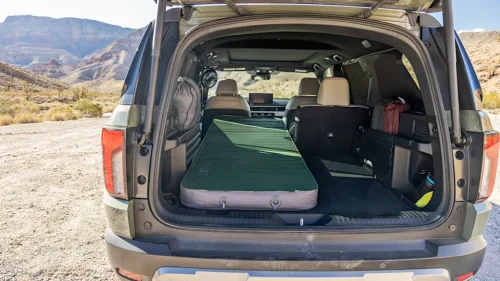
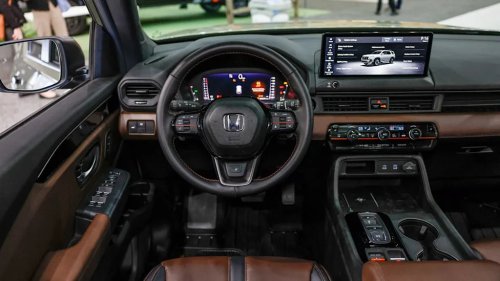
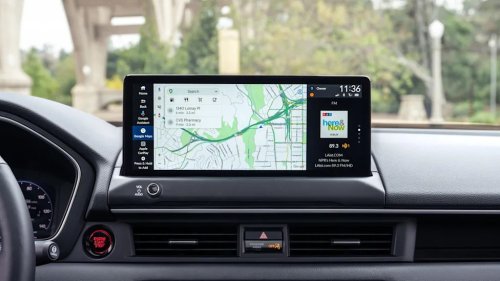
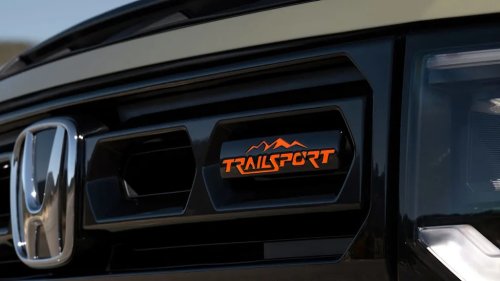
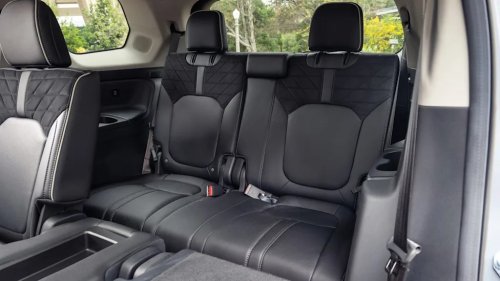
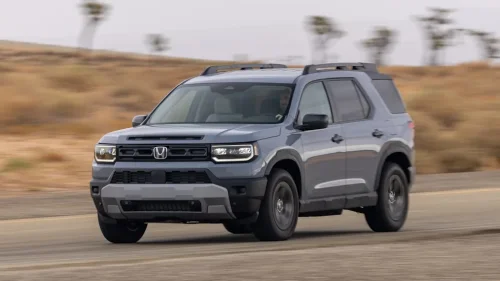
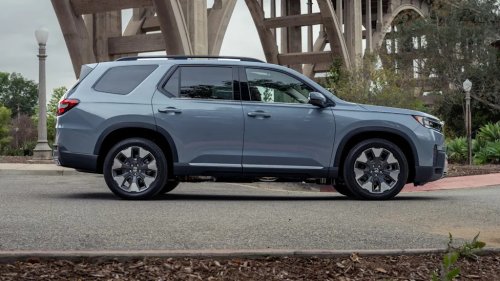
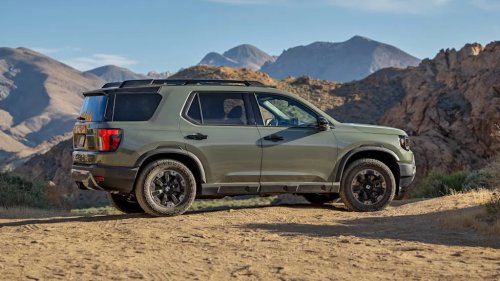
Honda Passport vs. Honda Pilot Comparison: Specs, Darren Martin - MotorTrendThe new car market is so choked with roomy, family-hauling SUVs that picking one can be a challenge. That's especially true for Honda fans, who can choose between two comfortably sized SUVs, including the newly redesigned Honda Pilot and the shorter, Pilot-based Honda Passport. The former competes in the three-row midsize SUV segment, while the latter is a two-row midsize SUV.The two Hondas have some obvious similarities; both use naturally aspirated V-6 engines, and they're available with many of the same features. That's because, underneath, they're effectively the same vehicle built in two sizes. However, each Honda SUV comes equipped with distinctive equipment and options that help set them apart from one another. How do you choose between them? We're here to help you sort it out.Photo credit: Darren Martin - MotorTrendHonda reintroduced the Passport for the 2019 model year as a shortened, two-row version of the Pilot, then gave it a complete makeover for 2026. A newly updated version of Honda's 3.5-liter V-6 engine, 10-speed gearbox, and an improved suspension make a world of difference. We've found the base RTL trim to be a little dull in the personality department but perfectly competent. The TrailSport model, however, has enough personality for them both, being more fun and engaging to drive thanks to its slightly softer ride and added off-road capability.AdvertisementAdvertisementThe latest-generation Pilot arrived for the 2023 model year, and it received a host of minor updates for 2026. It's powered by a similar but older iteration of Honda's 3.5-liter V-6 engine that develops the same 285 hp and 262 lb-ft of torque as the Passport. Honda pairs the powerplant with a 10-speed automatic transmission that we've noted as being smoother than the previous-generation Pilot's nine-speed unit. Although its steering feel is soft and light, the tiller is accurate and balanced. Body movements are well-controlled, and the ride is settled.Being larger and heavier, the Pilot feels a bit more lethargic all around compared to its more recently updated sibling, even if they get to 60 mph in the same 7.1 seconds. We prefer the Passport's livelier and less burdened driving experience.Photo credit: William Walker - MotorTrendEach of these Honda SUVs has been lauded for its spacious cabin. The three-row Pilot gets high marks for being one of the few vehicles in its segment that can fit adult passengers in its third row, with slightly more third-row legroom (32.5 inches) than the Hyundai Palisade (32.1) and Ford Explorer (32.2). Fold down the Pilot's third-row seats, and you'll have up to 48.5 cubic feet of space; fold them all down, and the number expands to 87.0 cubic feet, about the same as the Palisade and slightly larger than the Explorer.Although it's shorter and has less overall space than the Pilot, the two-row Passport still earns kudos with 44.0 cubic feet of cargo volume behind the second row of seats, bettering what comes in the Hyundai Santa Fe (40.5) and Subaru Outback (34.6).Photo credit: MotorTrend - MotorTrendBoth the Pilot and Passport come loaded up with the latest in Honda's active safety and driver assist features. Each model gets standard automatic emergency braking, lane centering, and adaptive cruise control, and all but their lowest trim levels get blind-spot monitoring with rear cross-traffic alert, as well.AdvertisementAdvertisementThe 2026 Pilot earned five-star overall ratings from NHTSA and nearly all "Good" ratings from the IIHS (save for an "Acceptable" rating in the updated moderate front overlap test). The 2026 Passport, being a new generation, hasn't been tested by NHTSA yet but has received "Good" ratings across the board from the IIHS.Photo credit: Darren Martin - MotorTrendWith the Passport's recent update, the two are nearly identical now inside, both in design and technology. Each now has a standard 10.3-inch digital instrument cluster and 12.3-inch infotainment touchscreen. Those touchscreens are loaded with built-in Google features standard, including Google Maps. They also support wireless CarPlay and Android Auto on all trims. Each can be upgraded with Bose premium audio systems on higher trim levels.Photo credit: Jessica Lynn Walker - MotorTrendHonda offers its rugged-looking TrailSport trim level for both the Honda Pilot and Passport. Originally an appearance package for the most part, Honda has put real work into making it a legit off-road package for both vehicles. The Passport TrailSport, in particular, has come a long way from wearing orange stickers to becoming a surprisingly capable off-roader. It has the same ground clearance as the standard Passport RTL but adds true all-terrain 31-inch tires backed up by unique dampers, springs, and anti-roll bars. It also features a bevy of underbody steel skidplates. Inside, it gets orange stitching and badging, mud-proof floormats, and special trim. We were blown away by just how capable the Passport TrailSport was when we put one to the test.Equipping the TrailSport trim on the Pilot raises its suspension a full inch, adds 18-inch wheels with all-terrain tires, and steel underbody skidplates. Honda applies unique anti-roll bars and spring and damper tuning, as well. Like the Passport, the Pilot's rugged trim receives TrailSport-specific interior touches. These changes make the Pilot more capable, but it's larger and heavier than the Passport with less clearance, so if you're planning to do some serious off-roading, stick with the Passport TrailSport.Photo credit: Darren Martin - MotorTrendOnly the Pilot is offered with a third row in this comparison, so it automatically wins on seating capacity alone. At the Pilot's higher trim levels, we appreciate the effort Honda has made to keep things as comfortable as possible for folks in the back seats. This includes a multi-zone audio system, second-row controls for the climate control system, and an in-car P.A. system that connects the first row to the other two rows. Sport models have two USB-A charging ports in the second row, while EX-L models and up receive two more ports in the third row. The Pilot TrailSport, Touring, Touring Blackout, Elite, and Black Edition trims feature a standard panoramic roof.Photo credit: MotorTrend - MotorTrendAdvertisementAdvertisementYou might expect the two-row Passport to come out on top in terms of fuel economy, but it's the FWD Pilot that has the best rating, at 19/27 mpg city/highway. The Passport comes with standard all-wheel drive and is rated at 19/25 mpg city/highway, same as the AWD Pilot. The only caveat is that the TrailSport versions of each return the poorest fuel economy out of both model lines at the same 18/23 mpg.Photo credit: Darren Martin - MotorTrendThe Passport may appeal to those who want the design of a two-row SUV, but that boxy SUV carries a higher base price than the larger, three-row Pilot. As of this writing, the 2026 Honda Passport starts at $46,445 for the base RTL trim, which comes with standard all-wheel drive, while the entry-level front-wheel-drive 2026 Pilot 2WD Sport begins at $43,890. An all-wheel drive Pilot AWD Sport still undercuts its smaller sibling at $45,990.Photo credit: William Walker - MotorTrendHonda's two largest SUVs are so similar that it's difficult to recommend one over the other. For most buyers, the only factor that matters is whether you need a third row of seats. For the more adventurous, the Passport is the way to go. Forced to choose, we give our nod to the Pilot thanks to its lower starting price, as good or better fuel economy, and the extra space for people and stuff for less money.



















 +5 others