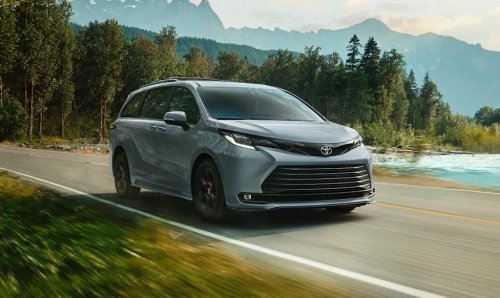
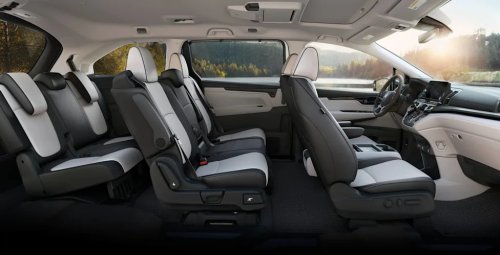
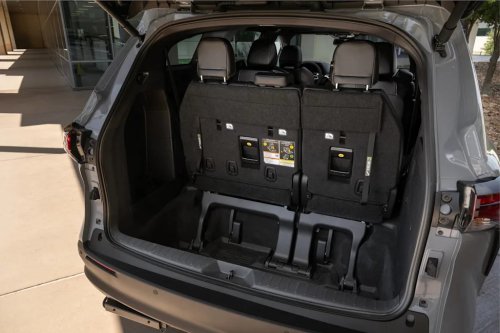
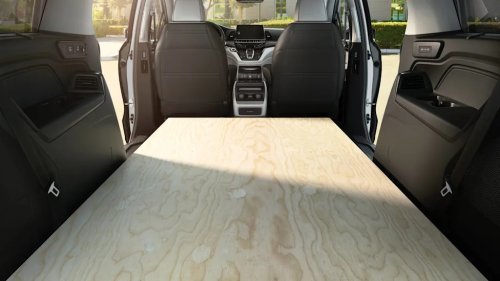
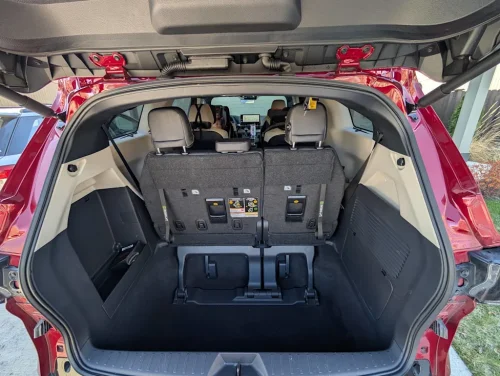
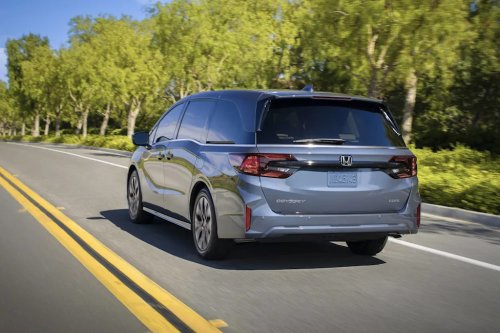
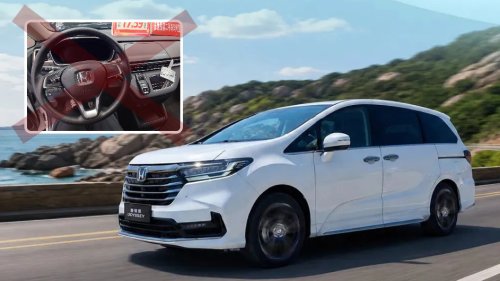
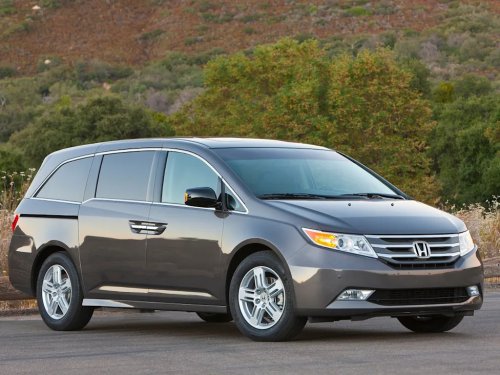
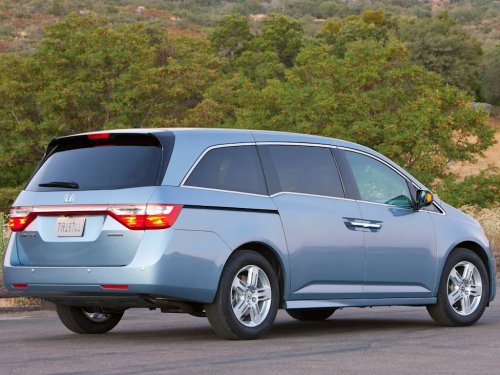
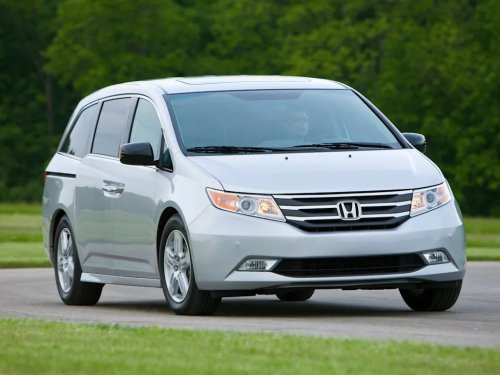
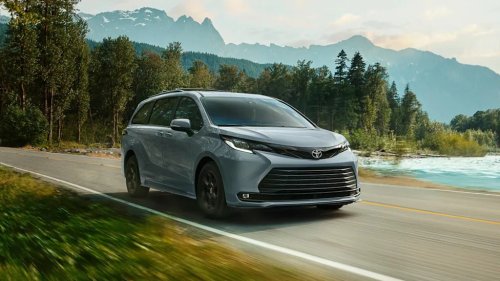
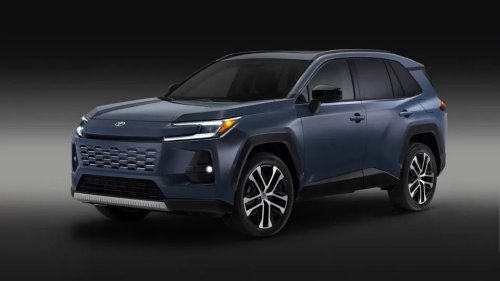
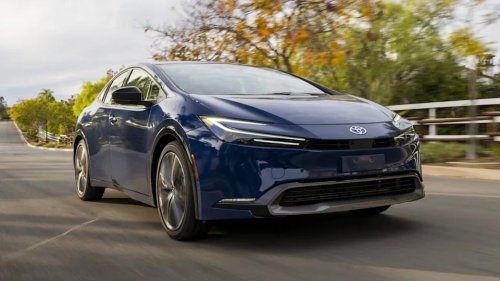
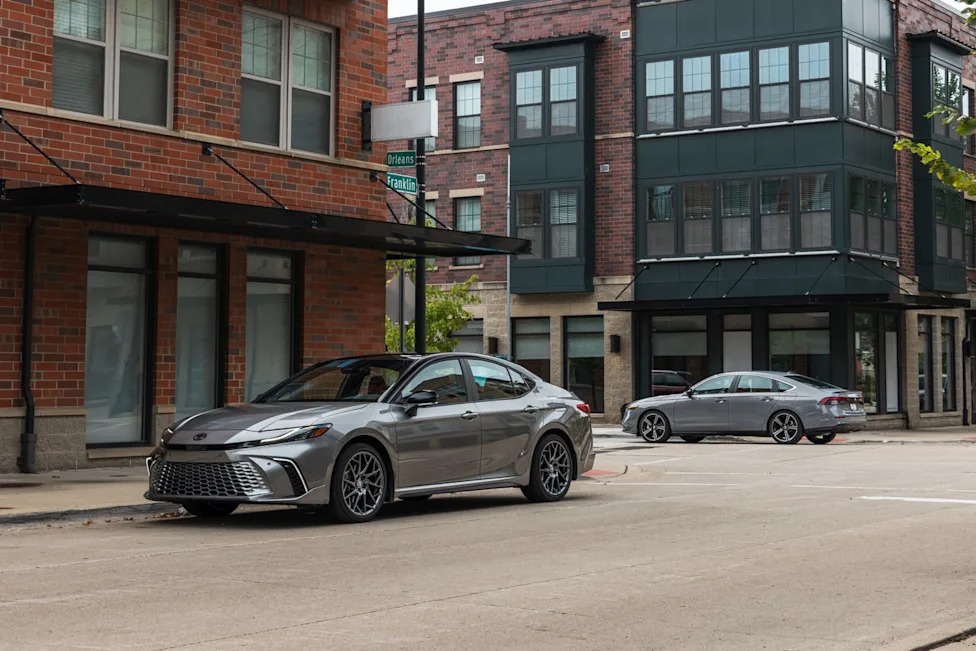
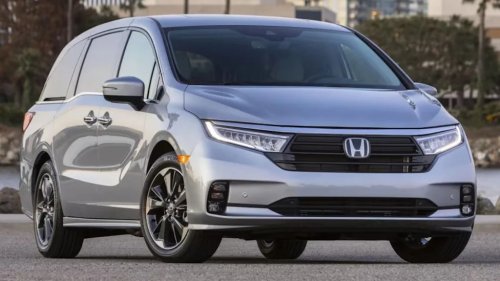
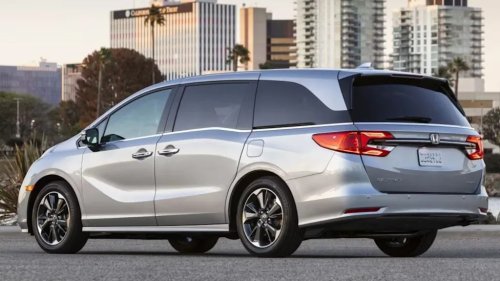
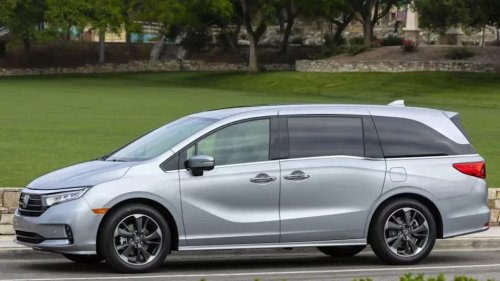
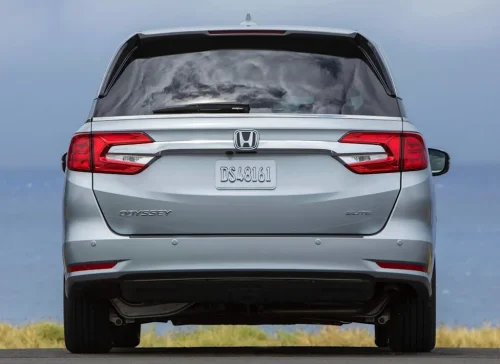
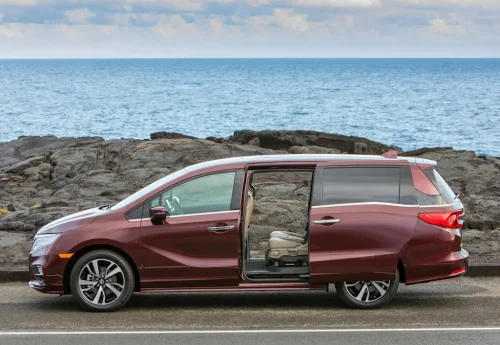
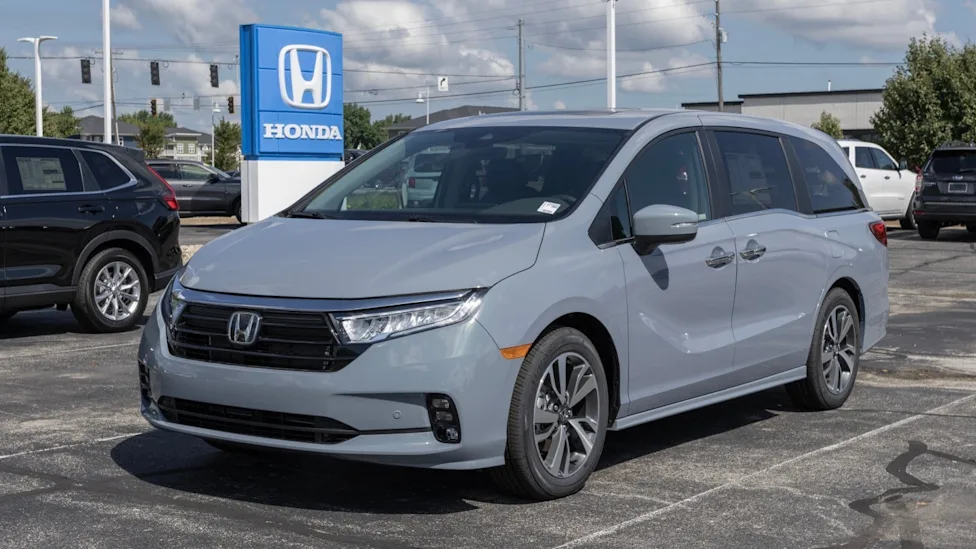
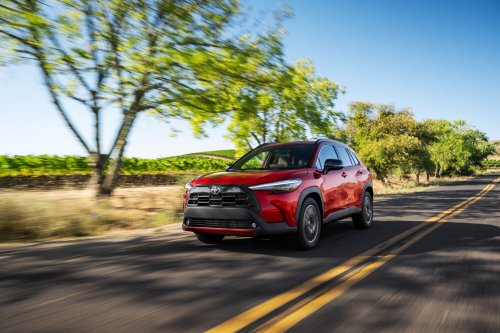
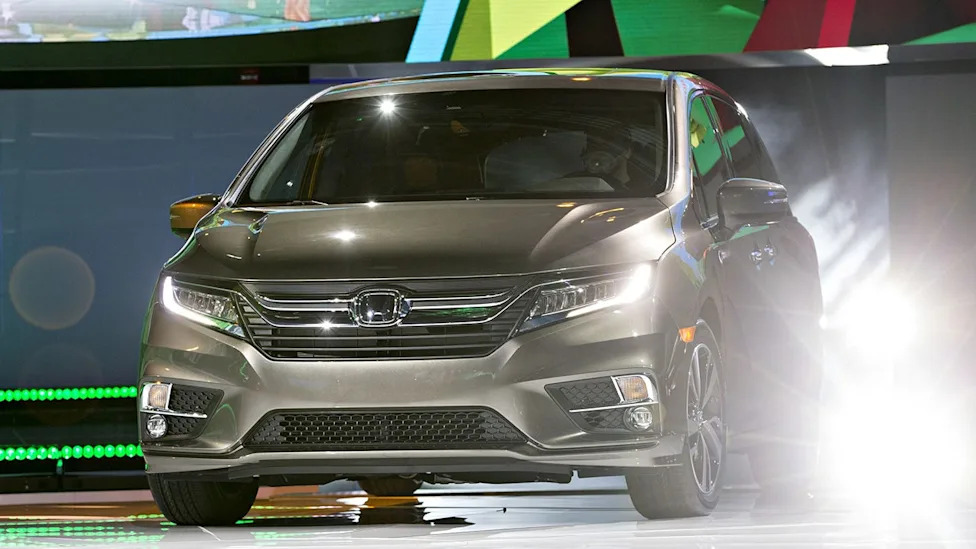
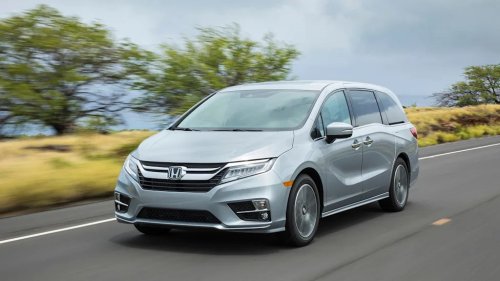
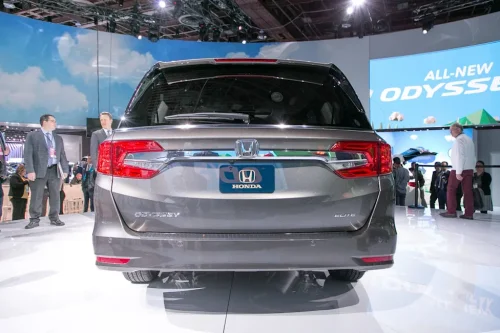
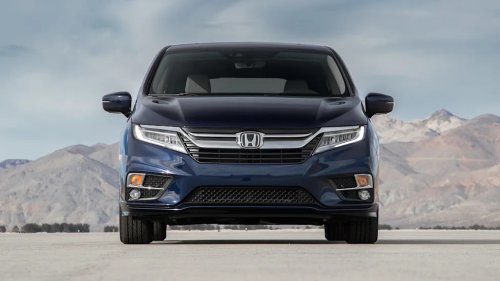
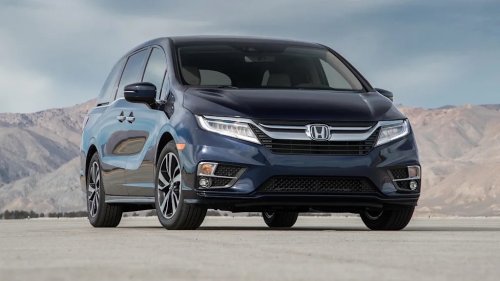
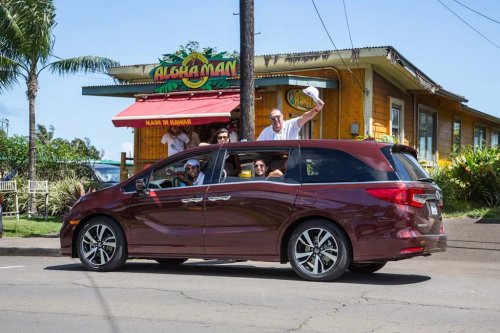
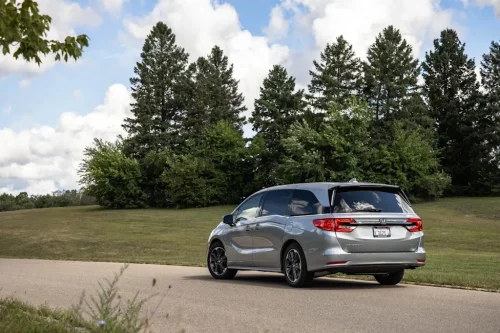
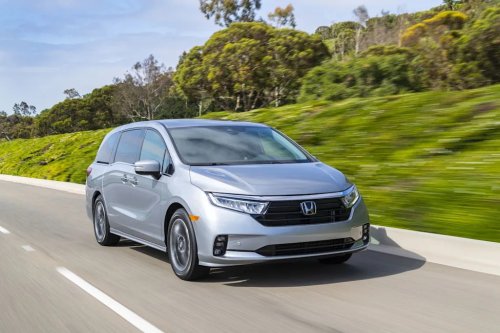
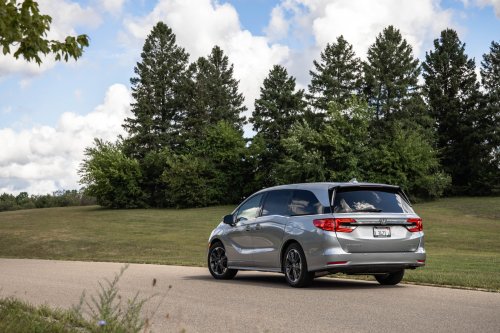
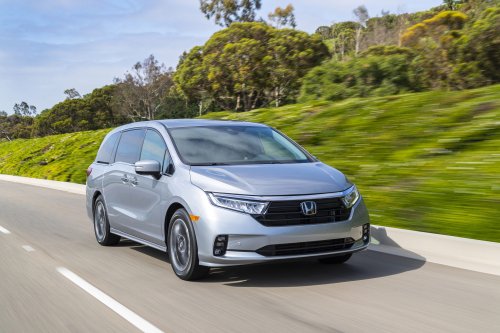
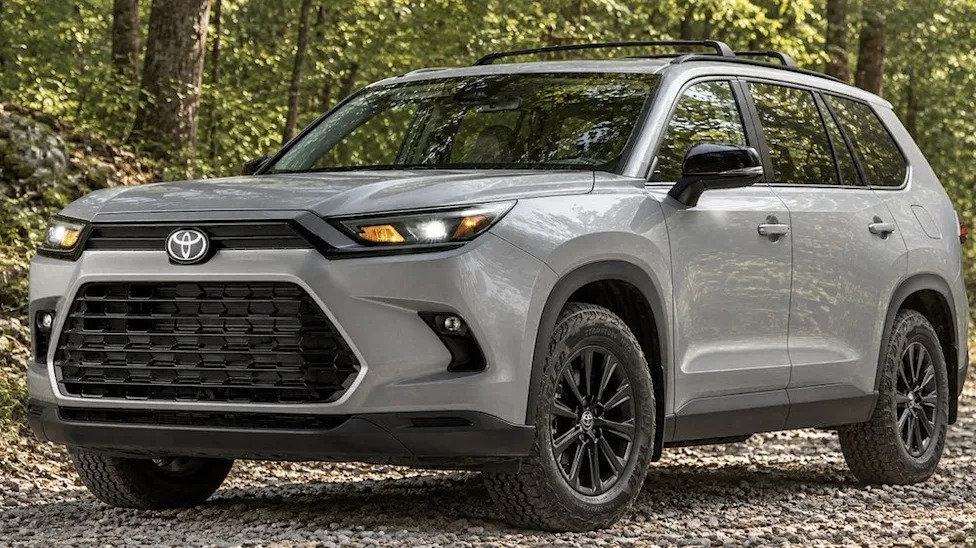
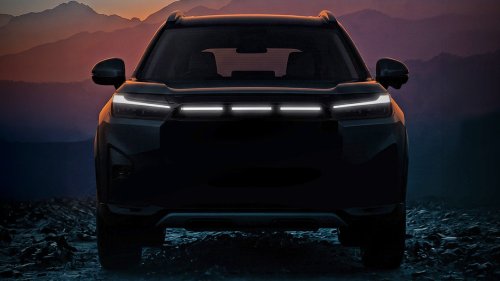
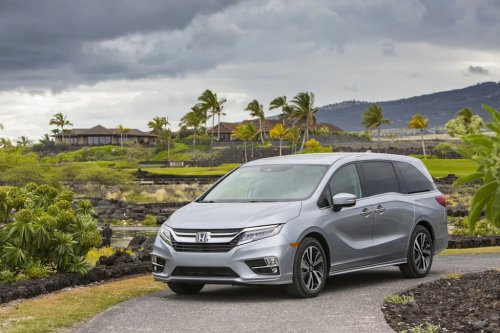
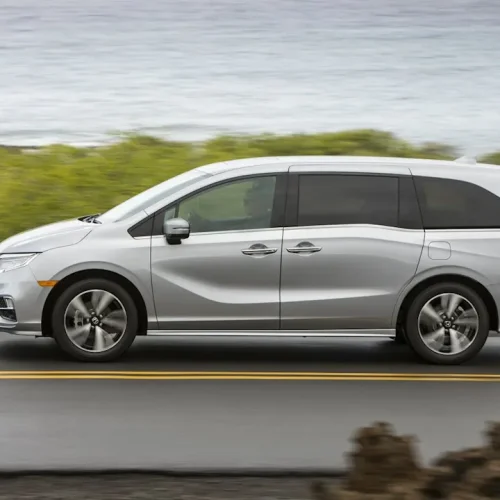
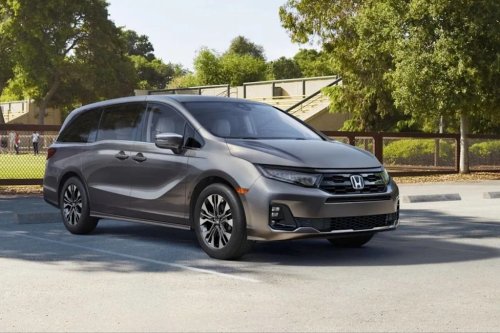
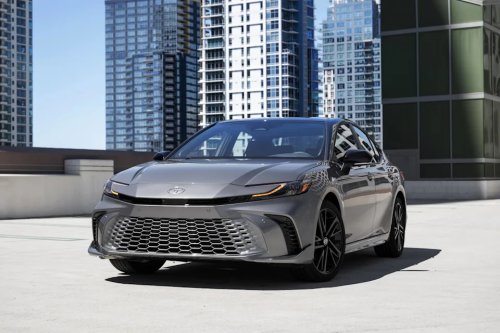
Autoblog and Yahoo may earn commission from links in this article.The Odyssey and Sienna approach the same mission from different angles: the Odyssey sticks with a smooth V6, while the Sienna is hybrid-only for excellent fuel economy. Both seat up to eight, and both are built to carry, so cargo room is the metric that cuts closest to the heart of what a minivan is for. Behind the last row, they are effectively even, but the way each handles its second-row seats creates a massive gap at maximum capacity. Here is how they compare.2026 Toyota Sienna PlatinumToyotaBehind the third rowWith every seat occupied, the two are separated by a whisker, and the Sienna actually nudges ahead. It offers about 33.5 cubic feet behind the third row to the Odyssey's 32.8, a difference small enough to disappear in everyday use. Both easily handle a full grocery run, a stack of luggage, or a stroller with the whole family aboard, thanks to the deep wells behind their third rows.2026 Honda OdysseyHondaFor buyers who mostly keep all three rows in place, this is the measurement that matters, and it is essentially a draw with the faintest edge to the Sienna. The real separation only appears when you need to open up serious space.2026 Toyota SiennaToyotaWith the seats foldedThis is where the Odyssey pulls away dramatically. Both vans fold their third rows into the floor, but the Odyssey's second-row seats can be removed entirely, unlocking a cavernous maximum of roughly 140 cubic feet. The Sienna's second-row seats do not come out, only slide and fold, which caps its maximum at around 101 cubic feet.2026 Honda OdysseyHondaAdvertisementAdvertisementThat roughly 40-cubic-foot difference is enormous, the equivalent of a small room's worth of extra space. For anyone who hauls furniture, plywood, bikes, or moving boxes, the Odyssey's ability to shed its middle seats makes it far more capable as a cargo van when duty calls.2026 Toyota Sienna PlatinumKristen BrownBeyond the numbersThe trade-off is convenience. The Odyssey's maximum capacity is huge only if you physically remove and store the heavy second-row seats, which is a two-person job you cannot do on the fly. The Sienna's seats stay put, so its space is always available without any heavy lifting, and its clever in-cabin storage and available features make everyday hauling easy.2026 Honda OdysseyHondaThe Sienna also brings its standard hybrid powertrain and available all-wheel drive, practical advantages that have nothing to do with cargo volume but matter to many buyers. The Odyssey answers with family-friendly touches like its flexible second-row seating and a smooth, refined V6. On pure maximum capacity, though, the Honda's removable seats are the decisive factor.So which one has more cargo space?The Honda Odyssey has more cargo space. Behind the third row, it is a virtual tie, but the Odyssey's removable second-row seats give it a maximum of roughly 140 cubic feet against the Sienna's 101, a commanding advantage for anyone who needs to haul big loads. For maximum versatility, it is the clear winner. The Toyota Sienna stays right with it in everyday, seats-up hauling, even leading by a hair behind the third row, and its always-in-place seats plus standard hybrid efficiency make it a superb family van. But on the specific question of maximum cargo room, the Odyssey's ability to empty out its cabin puts it well ahead.AdvertisementAdvertisementThis story was originally published by Autoblog on Jul 16, 2026, where it first appeared in the Car Buying section. Add Autoblog as a Preferred Source by clicking here.