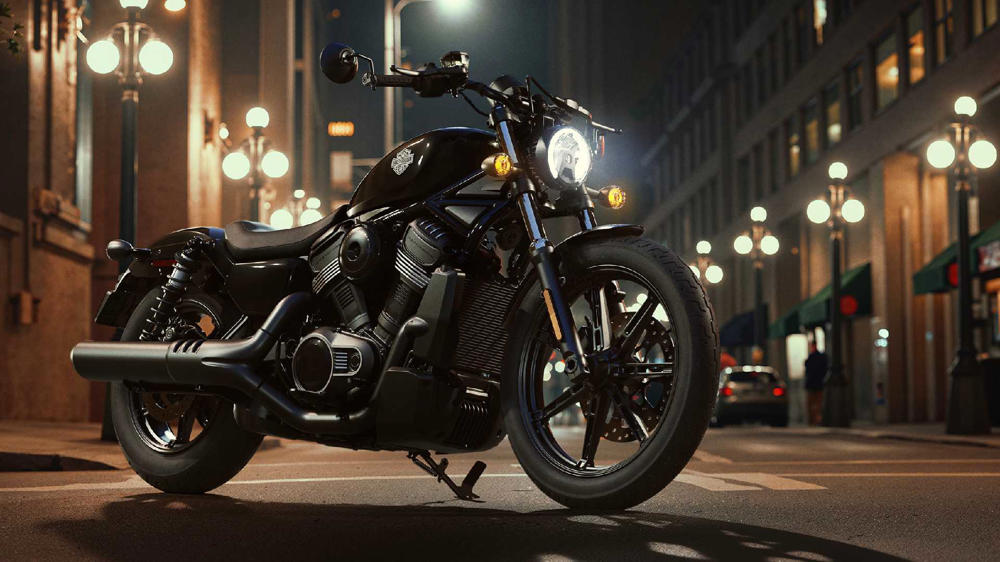
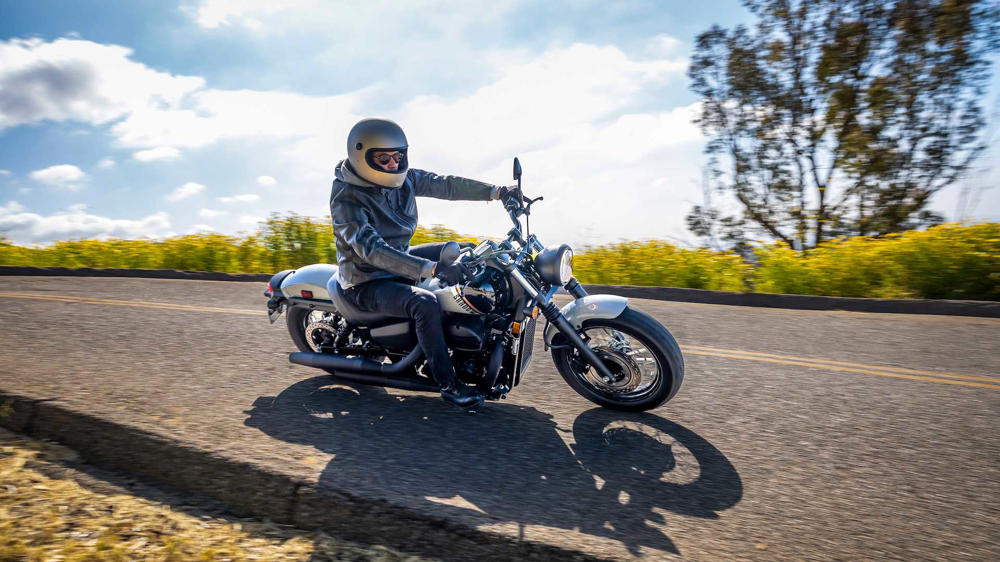
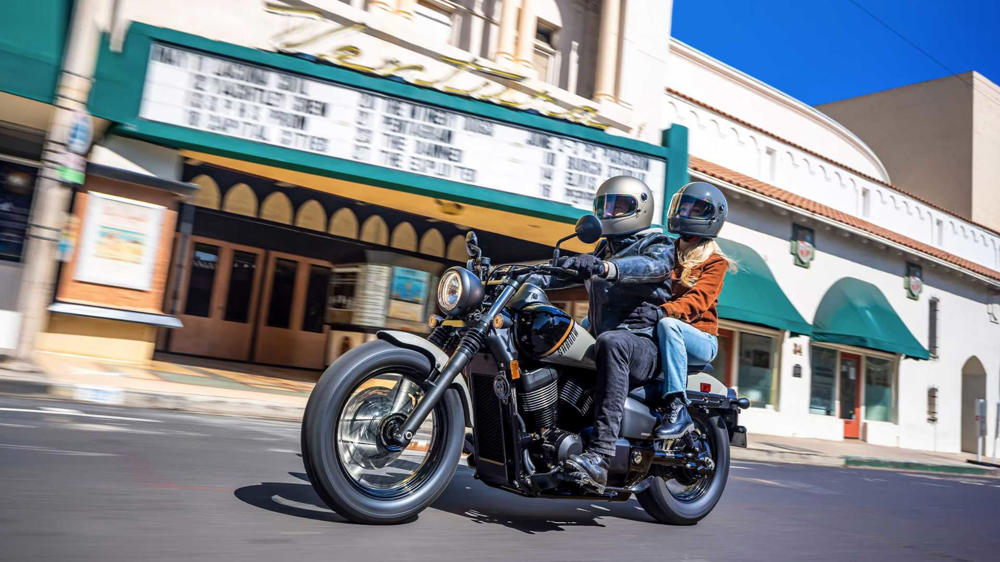
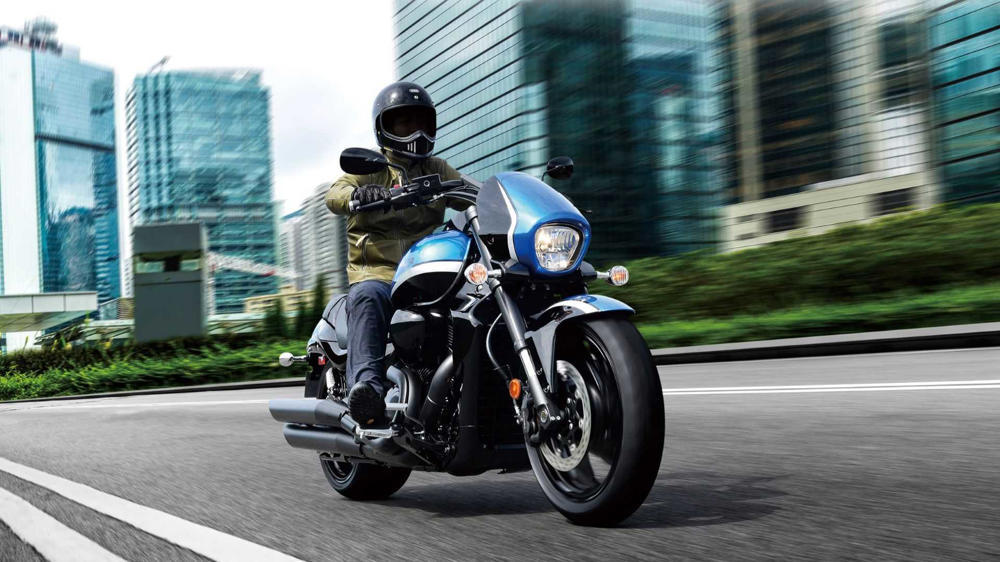
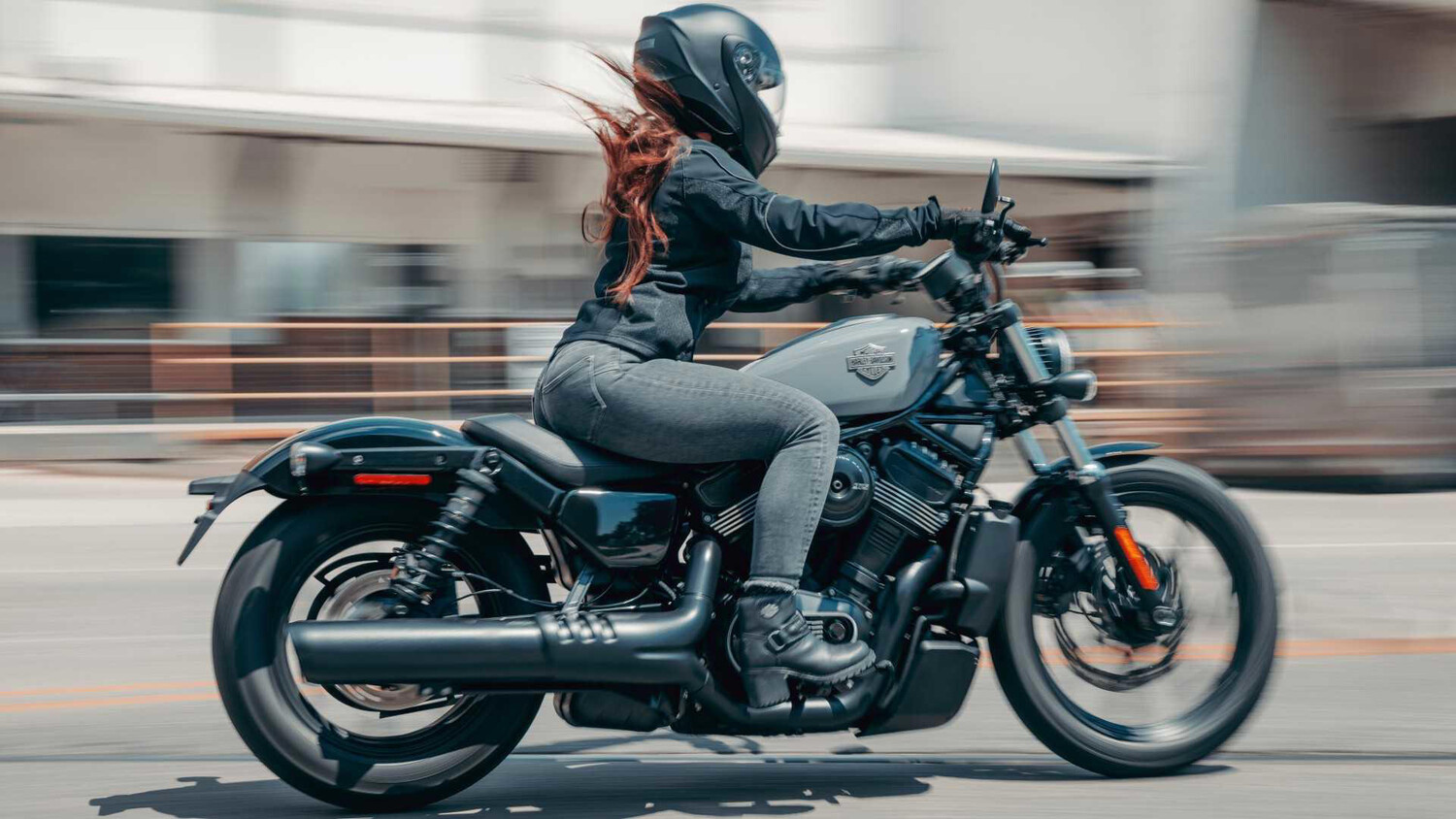
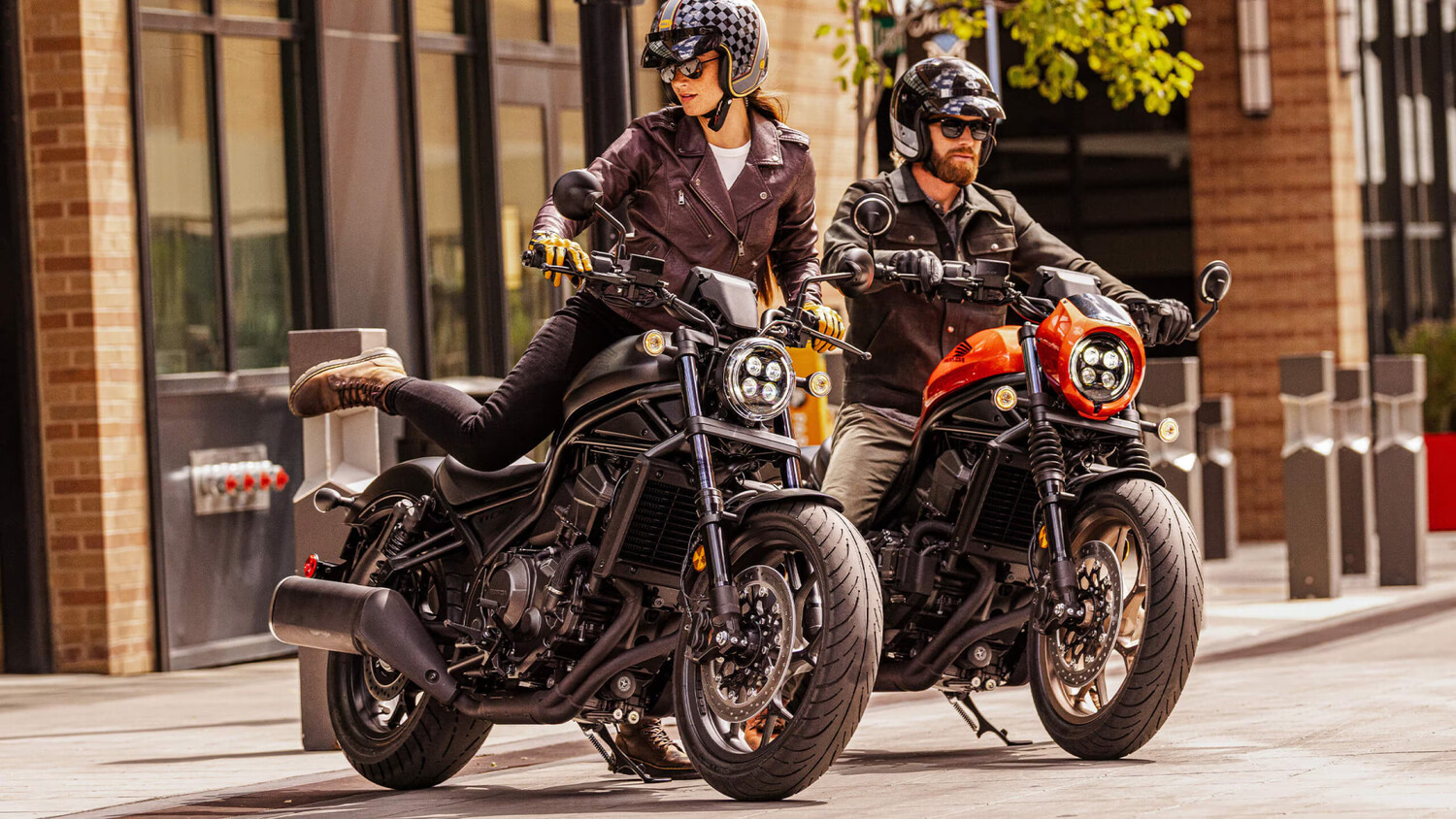
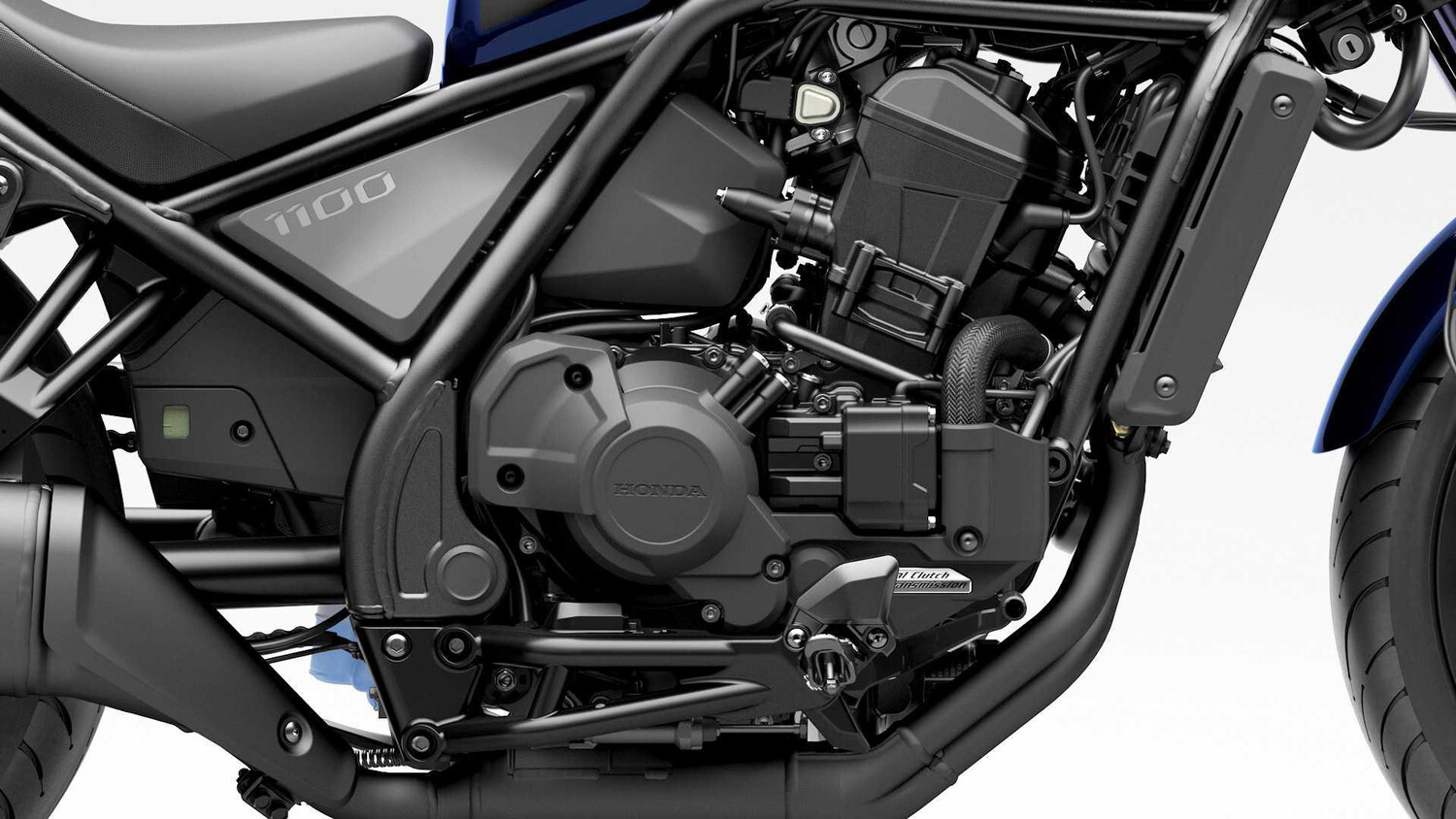
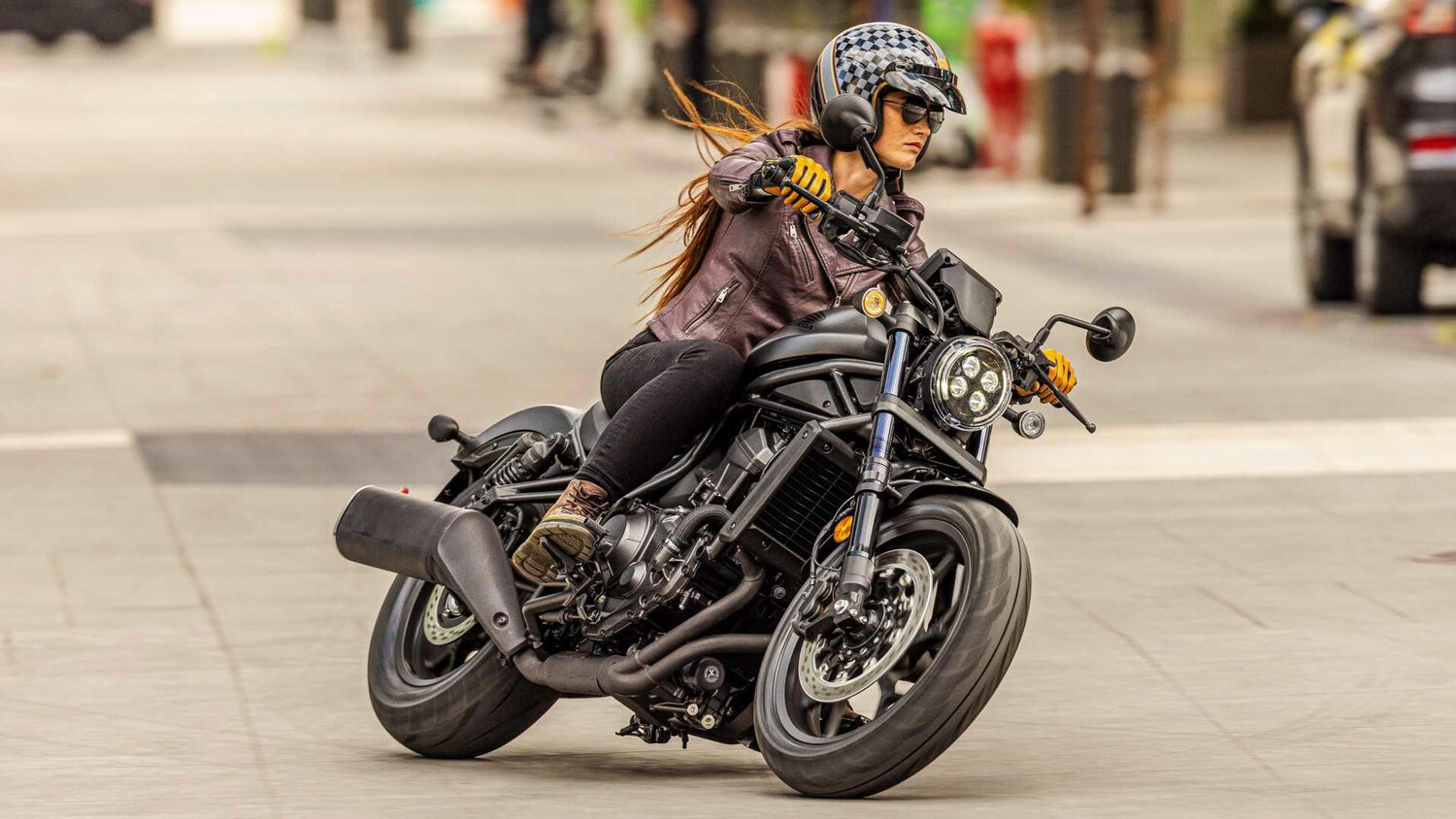
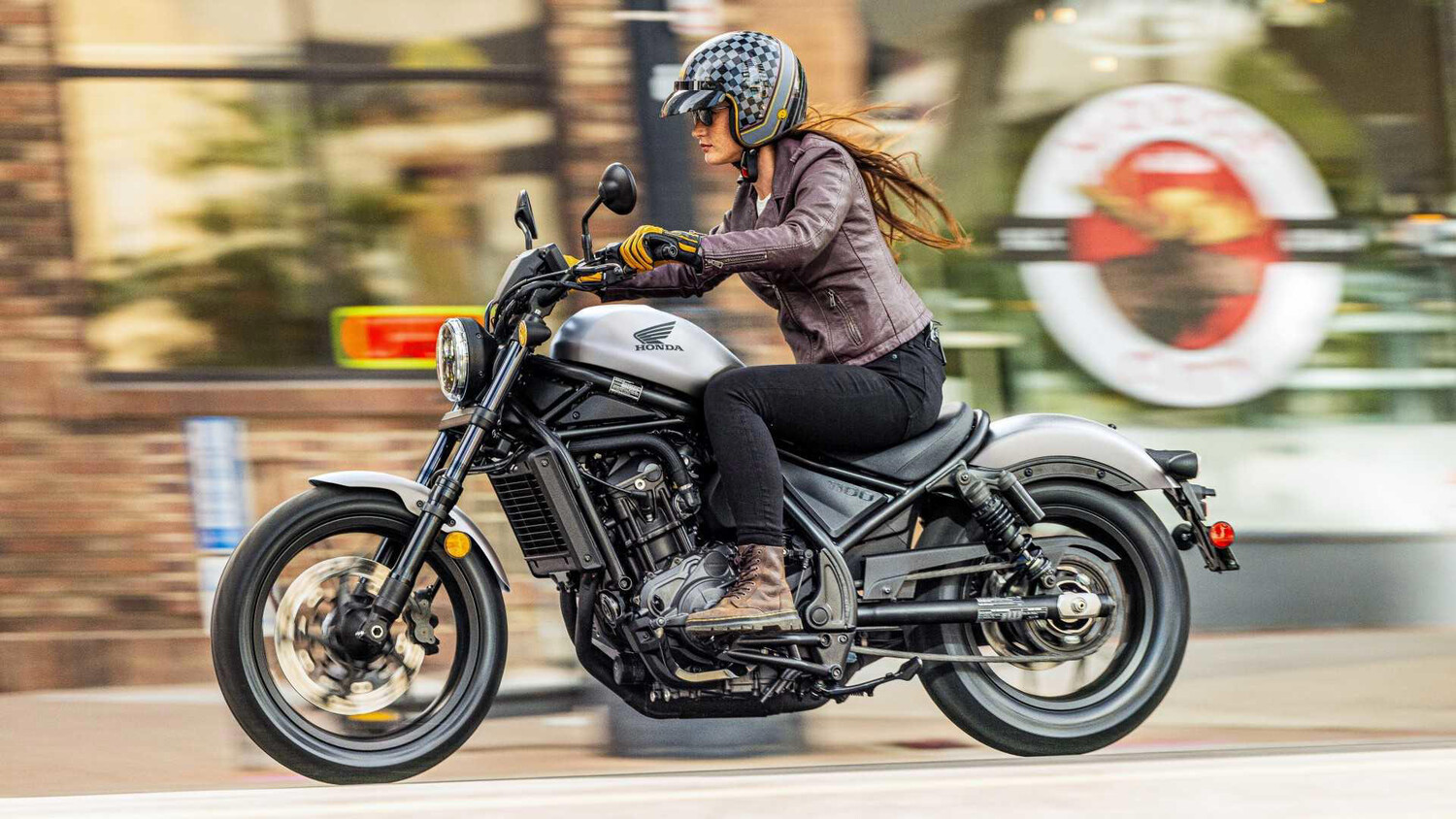
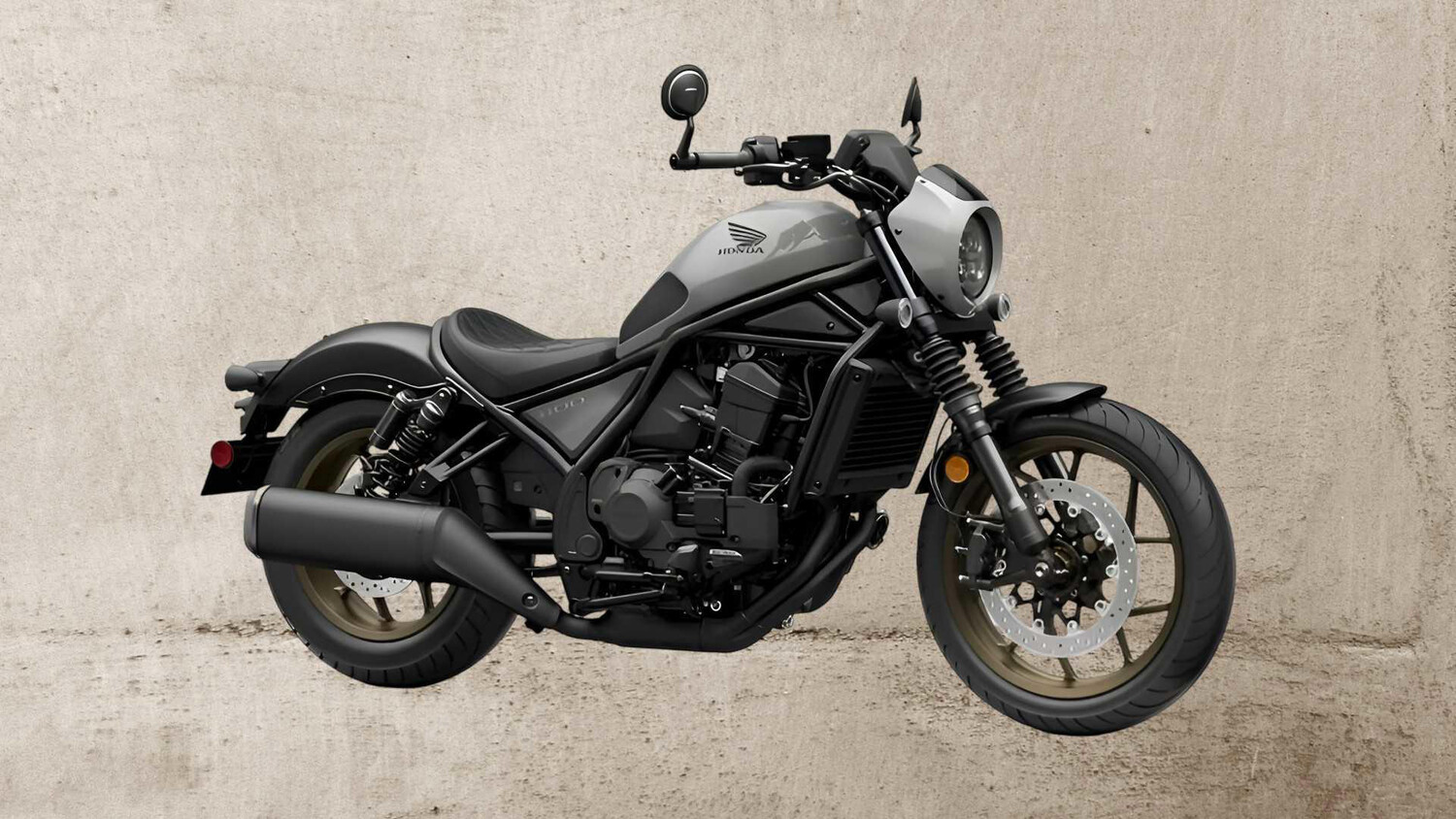
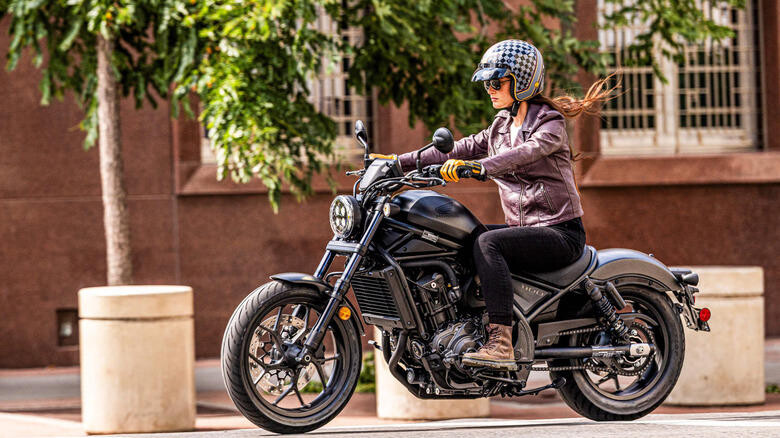
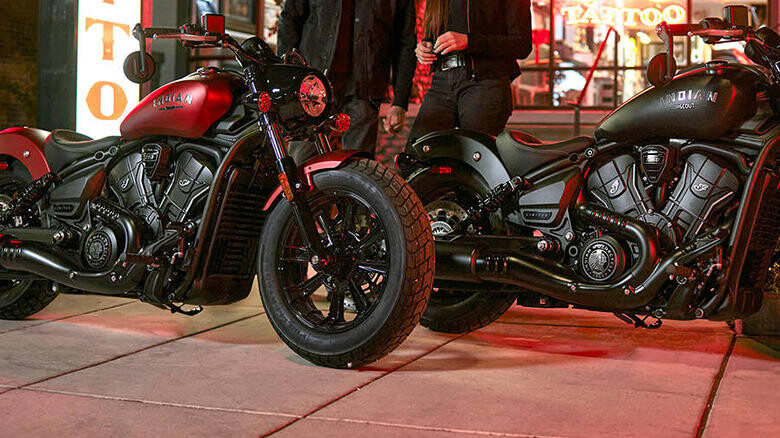
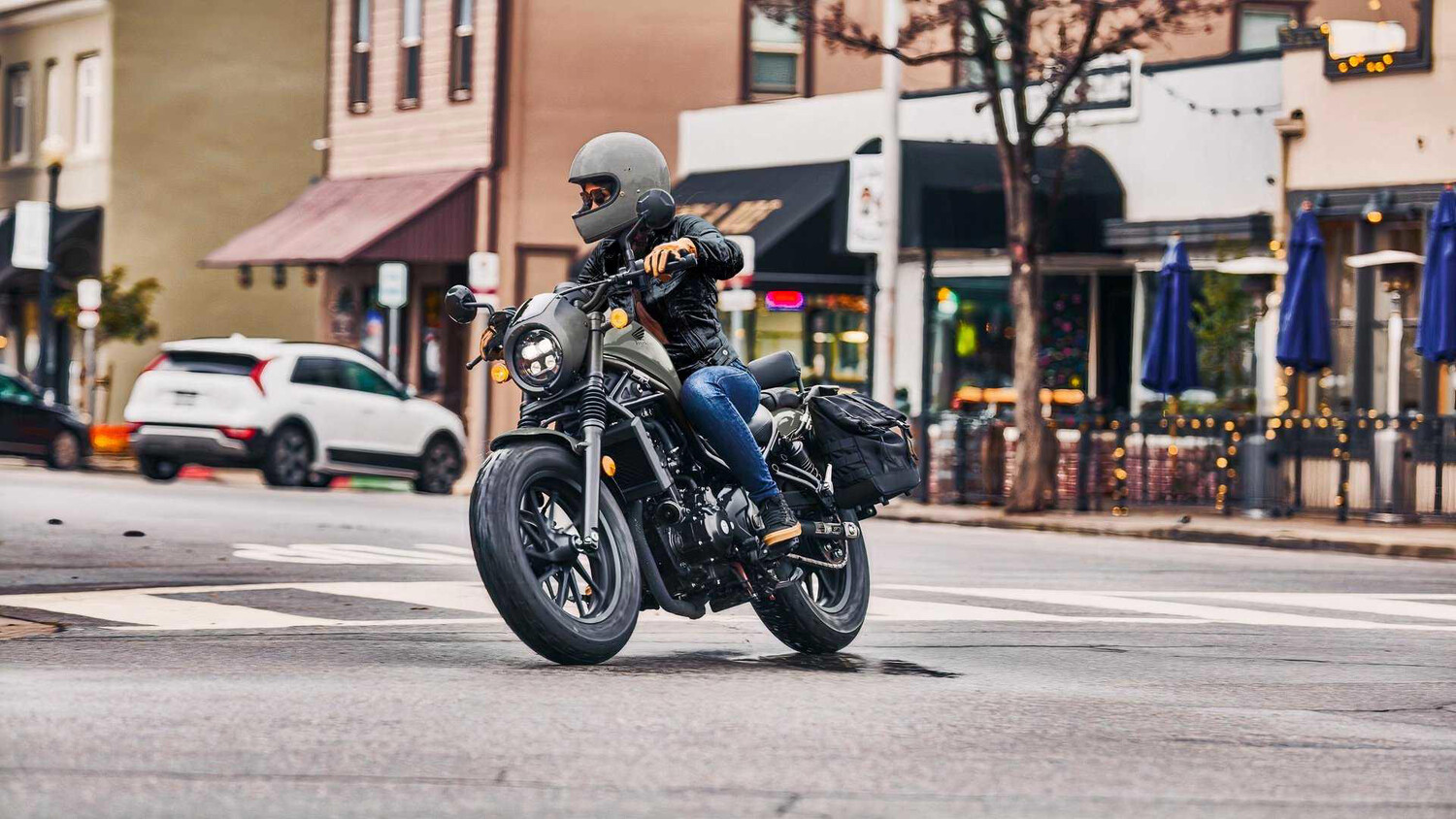
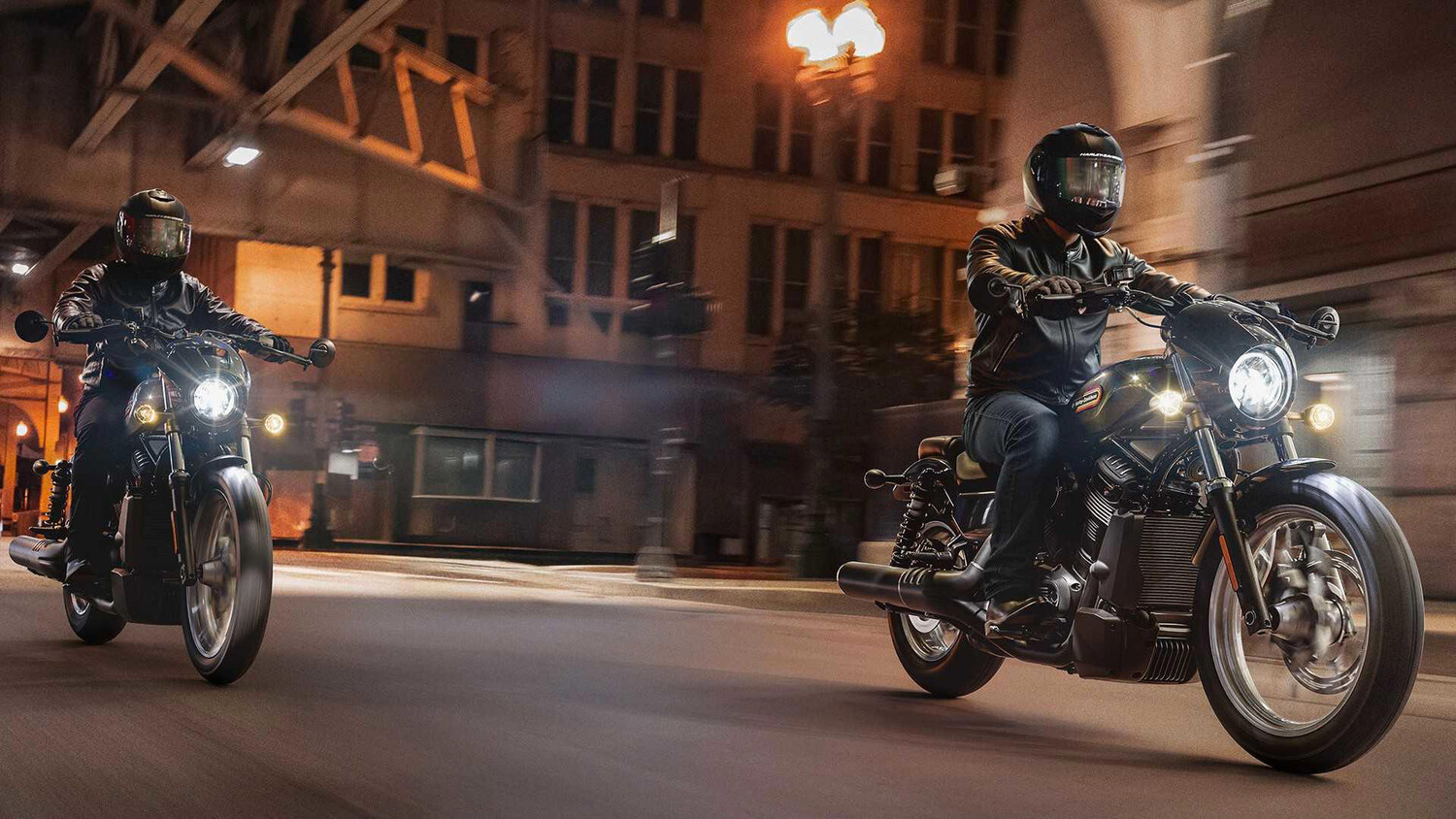
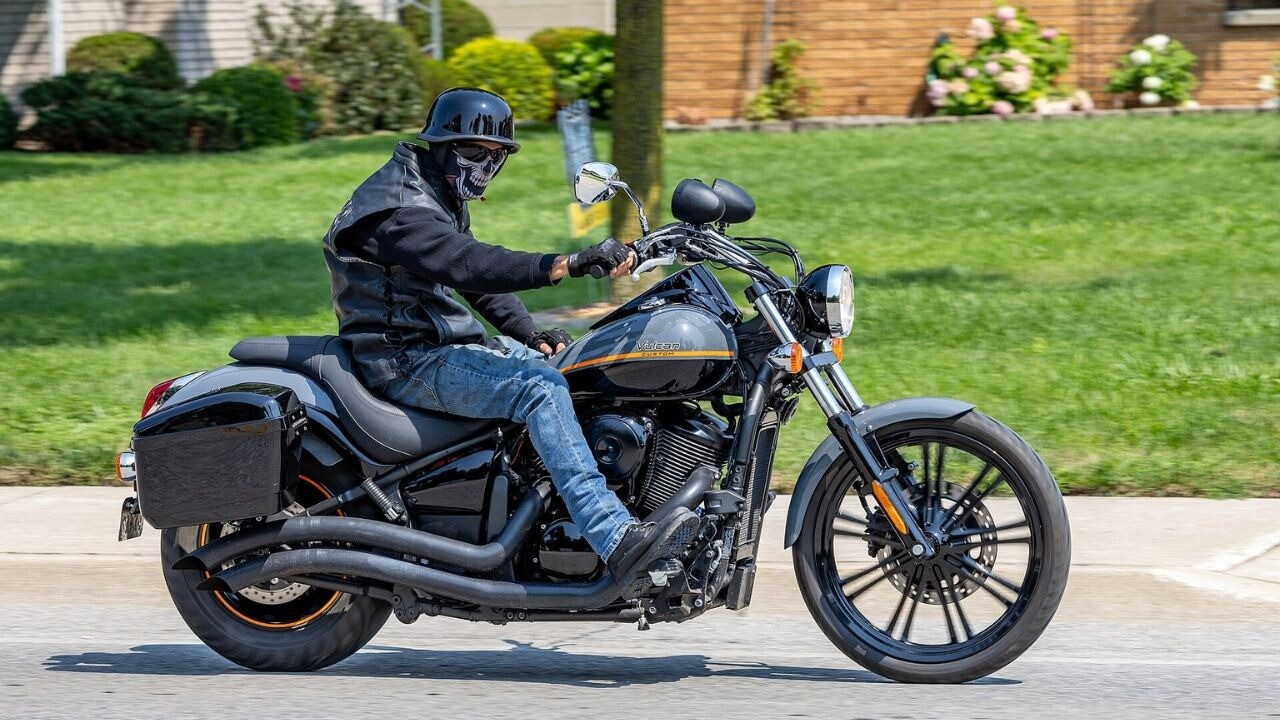
Buying a cruiser is the easy part. The real cost shows up two years and 10,000 miles later, when a scheduled service catches an owner off guard. For riders shopping heritage-styled cruisers, that surprise usually traces back to one component tucked between the transmission and the rear wheel: the final drive. Why Cruiser Ownership Can Cost More Than The Price Tag Sticker price is the easiest number to compare, but it isn't the one that determines what a cruiser actually costs over five years. That comes down to the final drive, the one component every cruiser owner eventually has to think about whether they planned to or not. Harley-Davidson and Indian Motorcycle both build their modern cruisers around belt final drives, and both treat the belt as a scheduled maintenance item, not a set-and-forget part. Harley's own service schedule for the Nightster calls for a full inspection, including belt tension, at every 5,000-mile interval. Indian's maintenance documentation for the Scout Bobber lines up almost exactly: check belt tension and condition at every scheduled service, and if the belt shows external tooth cracks, missing teeth, or hook wear, replace it. Indian goes a step further in its own service bulletin, specifying that a damaged belt with more than 5,000 miles of use gets replaced as a set with both sprockets, not swapped out on its own. None of this makes belt drive a bad system. It is quieter than a chain and needs no lubrication. But it is not maintenance-free, either, and every inspection assumes access to a rear stand, a tension tool, and either a dealer appointment or a rider comfortable enough with wrenches to do it themselves. Multiply that inspection across a five-year ownership window, factor in the eventual belt and sprocket replacement most owners budget for somewhere past the 20,000-mile mark, and the true cost of a cruiser stops being just the number on the window sticker. Honda's Shadow Phantom Takes High-Expenditure Out Of The Equation The 2026 Honda Shadow Phantom starts at $8,699, which already undercuts the $9,999 Nightster by $1,300 before either bike leaves the showroom floor. The bigger difference is the one that never shows up on a service invoice. Honda builds the Phantom around an enclosed shaft final drive instead of a belt. There is no tension to check, no belt to inspect for cracked or missing teeth, and no maintenance item built around the connection between the transmission and the rear wheel. Honda's own marketing calls it a low-maintenance shaft drive for riders who rack up miles. It's a small physical part with an outsized effect on the ownership math. A shaft final drive weighs more than a belt setup and costs Honda more to engineer into the frame, which is exactly why cheaper cruisers so rarely get one. Honda has kept it on the Phantom anyway, across a model that has spent more than a decade positioned as the value option in its own lineup, which says something about how the company weighs long-term ownership costs against the sticker price it could charge instead. A Decade Of Refinement Means This Engine Has Already Solved Its Problems The Phantom runs a 745cc liquid-cooled 52-degree V-twin with SOHC three-valve heads, programmed fuel injection through a 34mm throttle body, a wet multi-plate clutch, and a wide-ratio five-speed transmission. Honda rates it at roughly 45 horsepower at 5,500 rpm and 47 pound-feet of torque at 3,500 rpm, a curve tuned for low-end pull rather than a big number at redline. A Track Record Of Owners Riding Past 30,000 Miles With Few Issues Long-term owner threads on Shadow-specific forums and Reddit's r/hondashadow describe a short, predictable maintenance list past 30,000 miles: scheduled valve checks, fluids, and tires. What is conspicuously absent is the recurring belt-tension and premature-wear troubleshooting that shows up regularly in Harley and Indian owner communities. There is no belt in the conversation to begin with. That pattern isn't unique to the Phantom among Honda's cruisers, either. It's the same reputation the brand has built across the Shadow and Rebel lineups for decades: a V-twin platform that gets refined in small increments rather than redesigned every few years, which trades headline-grabbing spec sheets for an engine buyers can trust to still be running the same way a decade from now. Simple And Dependable Underpinnings Sweeten The Pot The Phantom skips ride-by-wire throttle maps, semi-active suspension, and a TFT dash tied to a phone app. It runs analog gauges, a cable-actuated clutch, a conventional 41mm fork, and dual rear shocks with five-position preload adjustment. Every part on the bike is something a home mechanic can diagnose and replace without a dealer scan tool, and on a bike an owner plans to keep for a decade, that matters more than it does on the day it rolls off the showroom floor. The Honda Shadow Phantom Wins On Math, Not Muscle None of this makes the Phantom the faster bike. The Nightster's Revolution Max engine and the Scout Bobber's larger-displacement V-twin both outrun it in a straight line, and neither rival is short on character. This isn't the cruiser for someone cross-shopping on quarter-mile times. It's the cruiser for the rider doing the math on five years of ownership instead of five seconds of acceleration: a lower price to start, a final drive with nothing left to inspect, and an engine platform with a longer track record than either of its closest rivals. Add up a Nightster or Scout Bobber owner's belt inspections, factor in the eventual replacement, and the Phantom's early price advantage only grows over time instead of shrinking the way most cruisers' costs do. On that ledger, the Shadow Phantom wins the argument before the other two even leave the driveway. Sources: Honda, Indian, Harley-Davidson

 Liked by Jackson Hill, Oliver Leblanc
 Liked by Jackson Hill, Oliver Leblanc