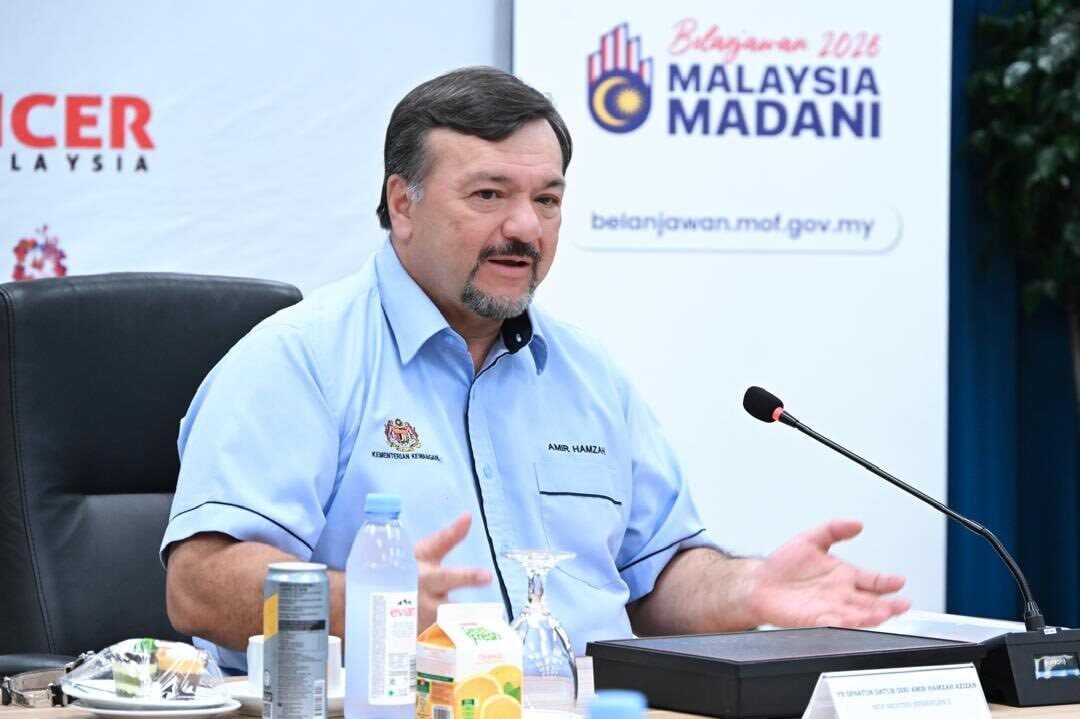
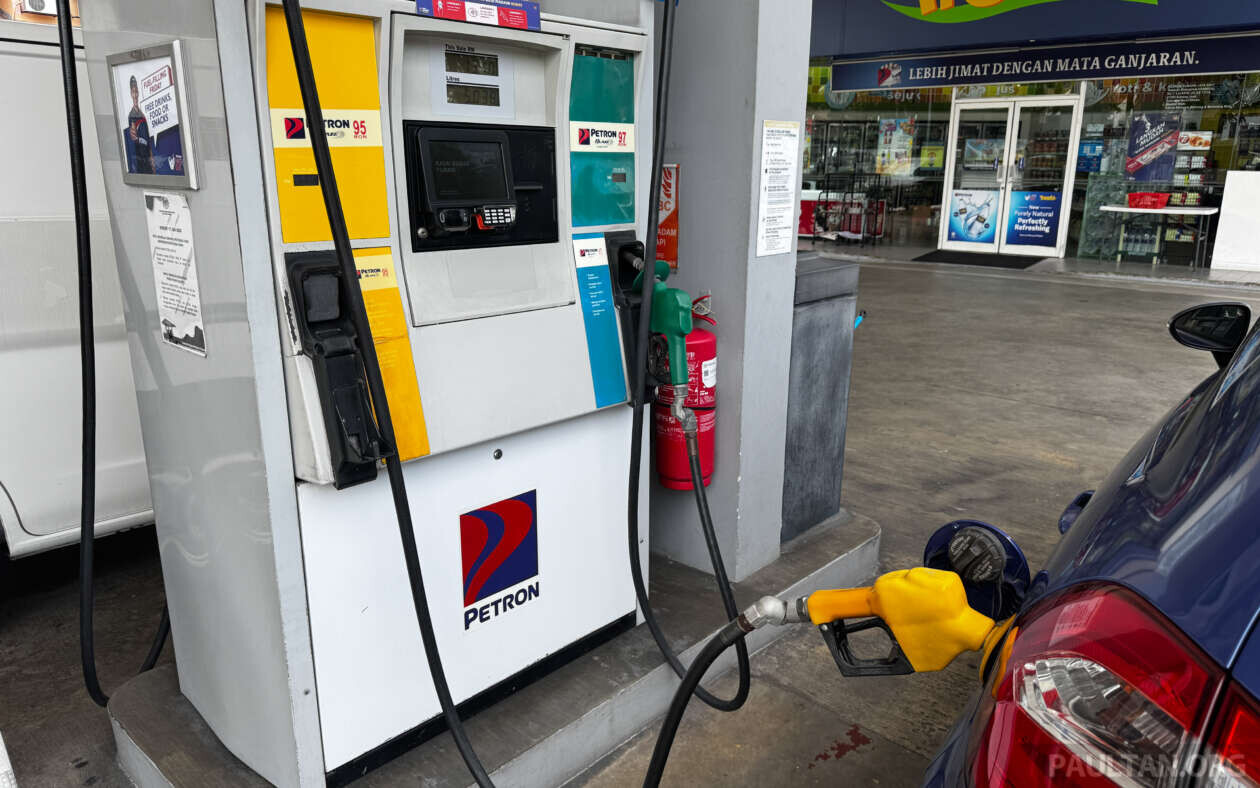
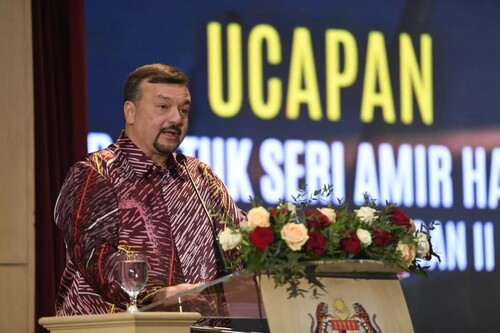
Liam Pelletier · 6 months ago@liampelletier12Gov’t chose Budi95 quota adjustment rather than price hike to protect majority of Malaysians – Amir Hamzah Liked byLocal NewsPost commentRelated PostsFrom "Electric Junk" to Timeless Design: Why Filip Chose the Škoda Enyaq 64 · Liam Anderson · 1 months agoA 1963 Corvette Split-Window Was Found With an Option Just 278 Buyers Chose 76 · Gabriel White · 1 months agoWhy Bristol Chose the Fighter to to Kickstart Its Newest Chapter 65 · Benjamin Morgan · 1 months ago"It ensured we get the absolute best customer experience": Ford on why it chose Apple Maps 53 · Mia Martin · 1 months agoCadillac Could Have Used a $2 Sticker on the Optiq. It Chose to Etch Glass Instead 91 · Hannah Turner · 1 months agoWhy Ford Chose The Fathom Name For Its Sub-$30,000 Truck 37 · Ethan Lee · 2 months agoHere’s Why Red Bull Chose A Screaming V10 For Its First Hypercar 83 · Caleb Campbell · 2 months agoEV mechanic sits down for 10 questions and reveals why he chose electric car repair 44 · Annabelle Hall · 3 months agoWhy Toyota chose a 641-HP twin-turbo V8 over an electric supercar 59 · Thomas White · 4 months agoLamborghini CEO Glad He Chose Hybrids as Ferrari’s Luce EV Faces Heavy Backlash 44 · Ella Pelletier · 4 months agoWe asked ChatGPT to draw us a sports car, and it chose a side 45 · Caleb Martin · 9 months ago‘I Chose The Wrong Profession’: Luxury Car Dealer Sees Customer Wire $250K ‘Like It’s Venmo.’ Then She Asks About His Job 41 · Mason Wilson · 8 months agoBudi95: MoF instructs petrol retailers to tighten MyKad verification SOPs to curb misuse 28 · Camille Smith · 4 months agoGov’t has saved RM800 mil since Budi95 began, this being channeled back to people via initiatives – Anwar 55 · Audrey Macdonald · 9 months agoShell App now Budi95-integrated – access subsidised RON 95 petrol, pay using linked credit or debit cards 18 · Annabelle Bouchard · 10 months agoBudi95 programme has been running smoothly, all operational systems stable since launch – MoF 69 · Lucas Turner · 11 months agoBudi95 first month – over 13m users, RM800m in subsidies paid, 0.6% of drivers exceeded 300L limit 53 · Samuel Tremblay · 11 months agoCompanies cannot instruct staff to refuel company vehicles with Budi95 subsidised petrol – Fahmi Fadzil 12 · Samuel Girard · 1 years agoJPJ records 53% increase in driving licence renewals after Budi95 RON95 subsidy programme announced 56 · Daniel Gagnon · 1 years agoBudi95: Finance ministry, JPJ to resolve all technical issues before RON95 subsidy begins tomorrow 23 · Gabriel Campbell · 1 years ago