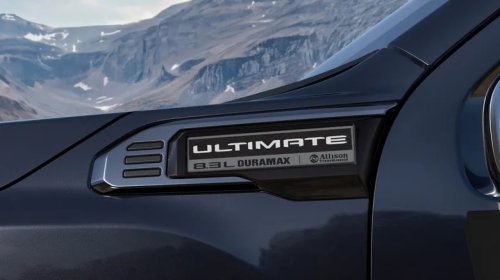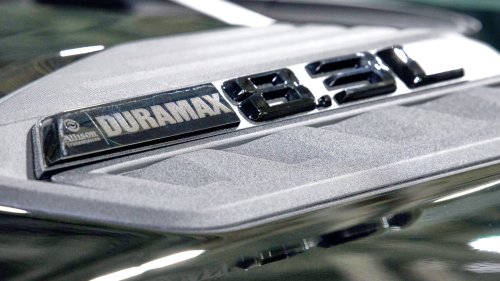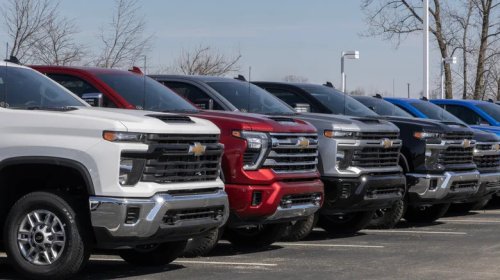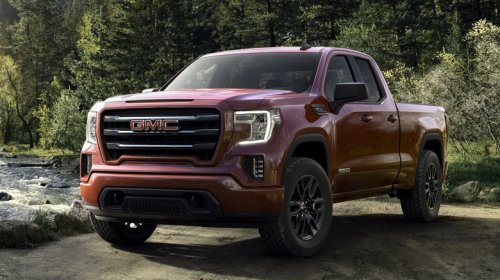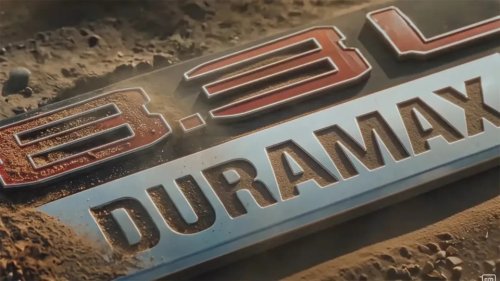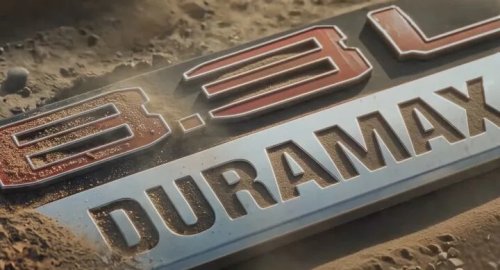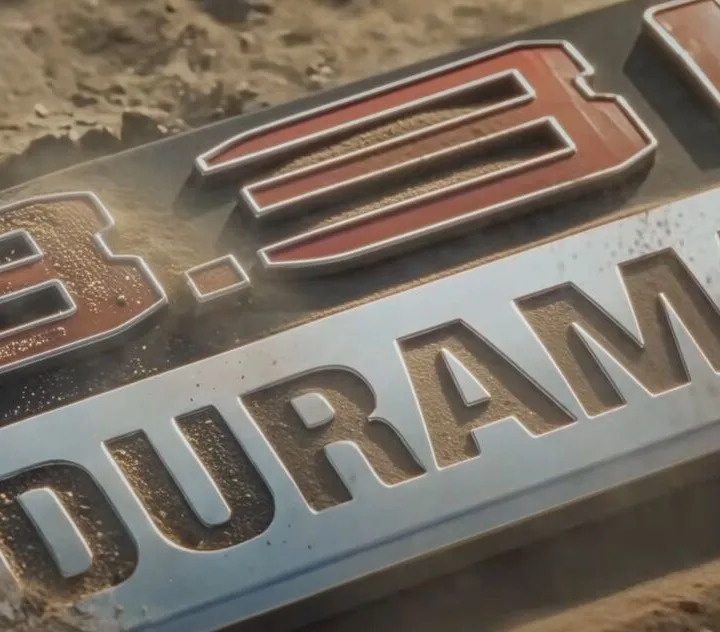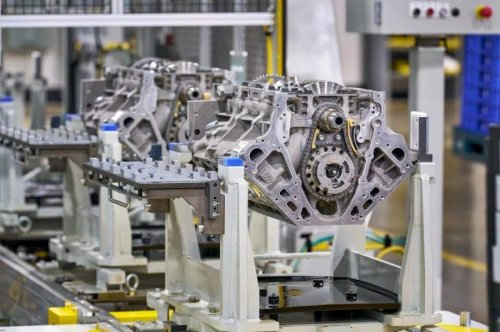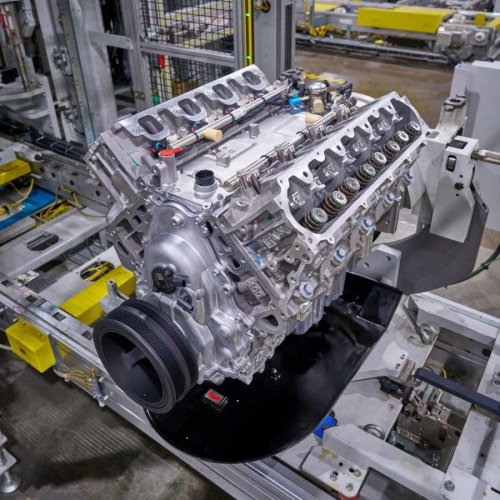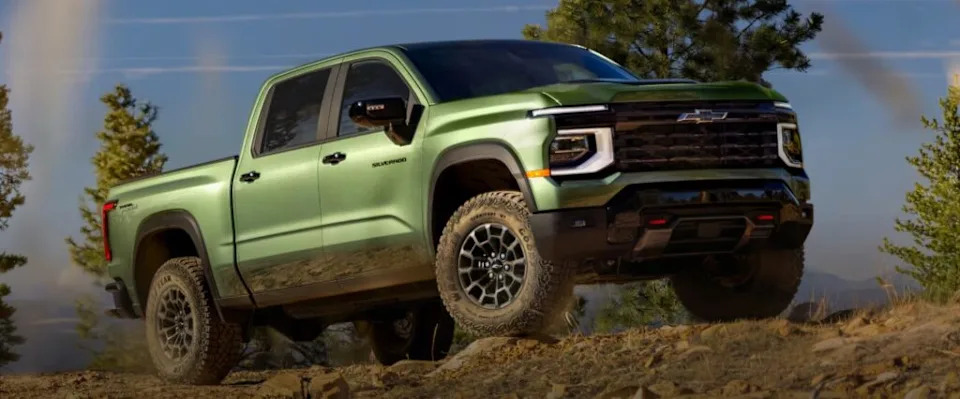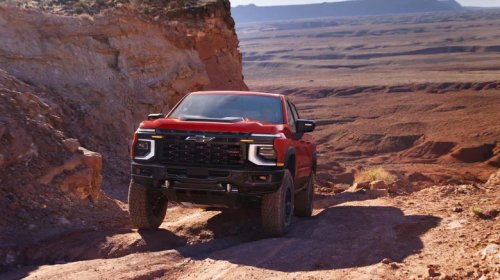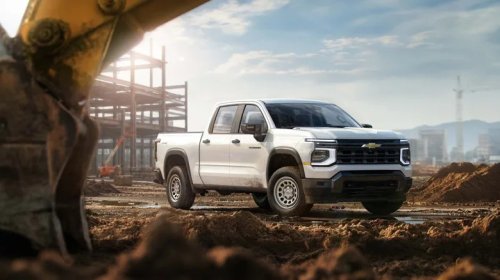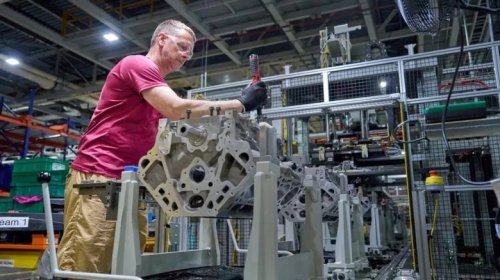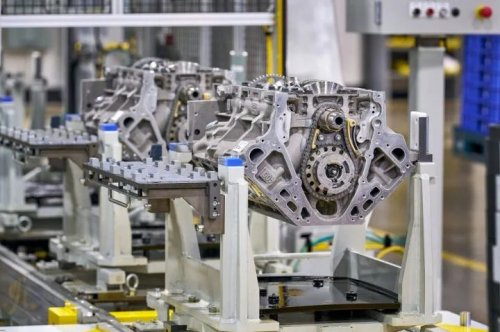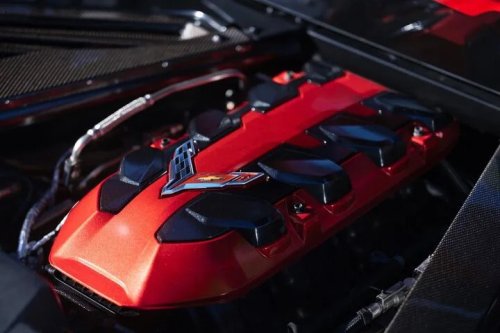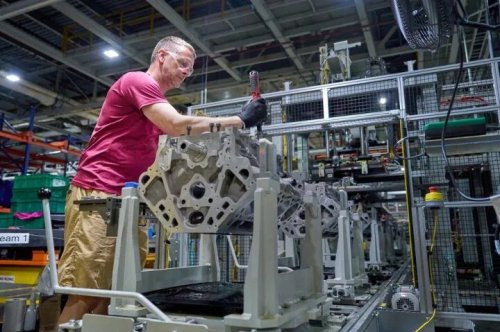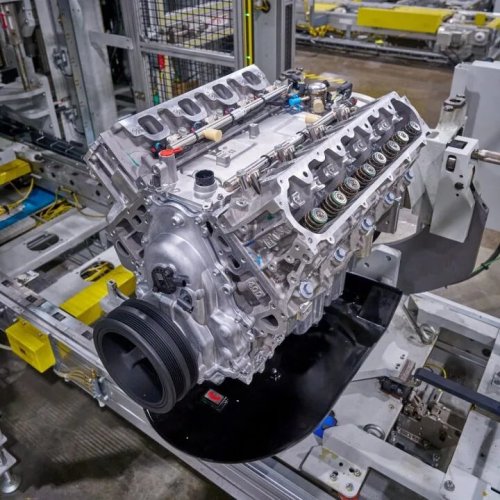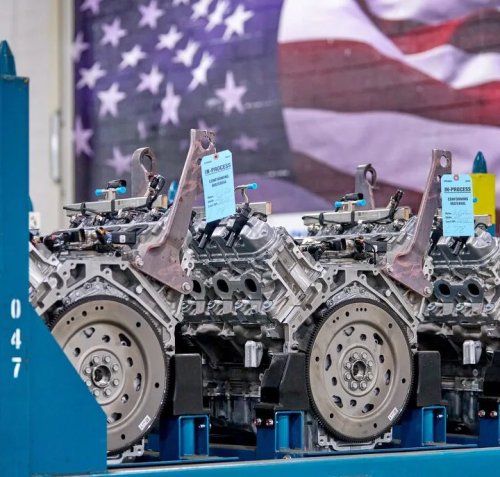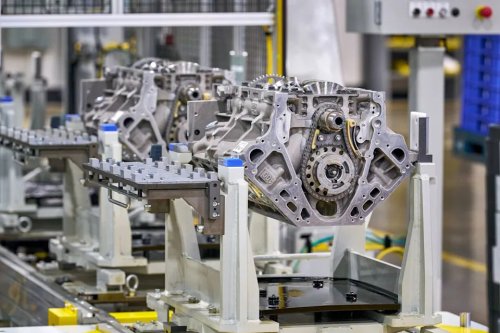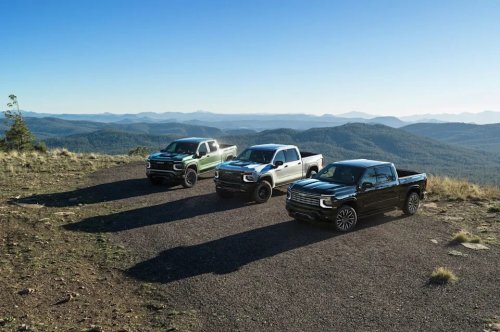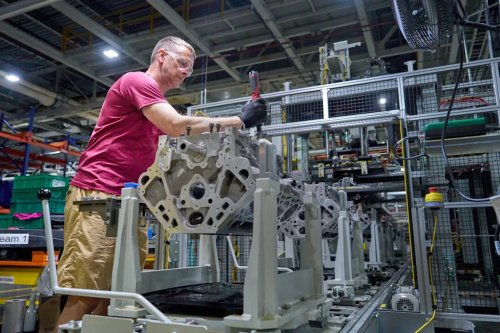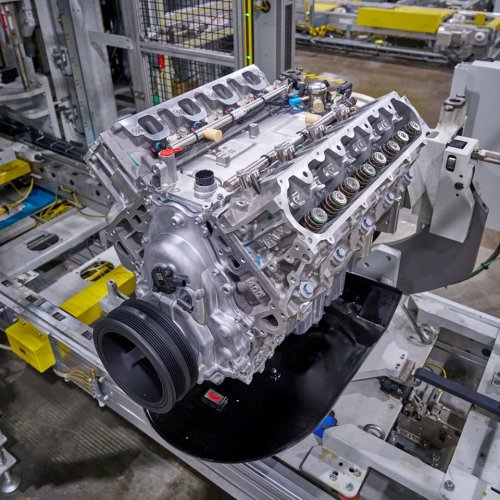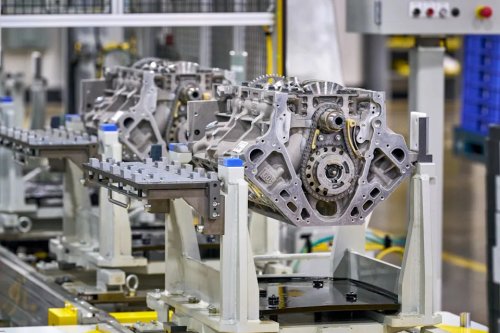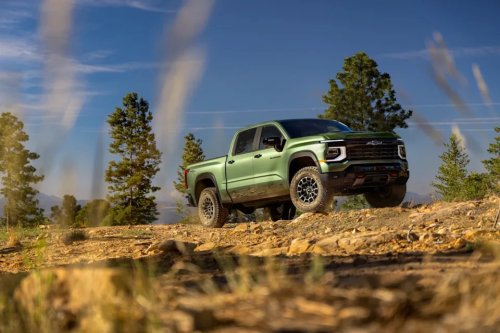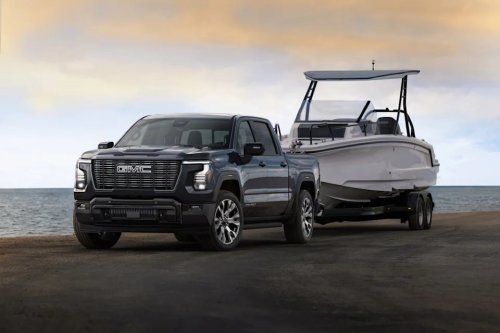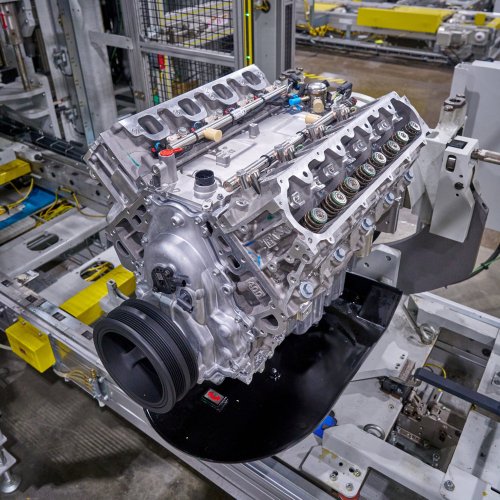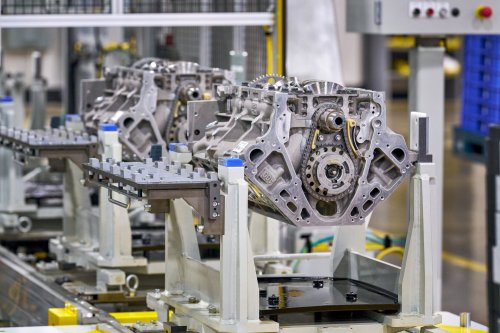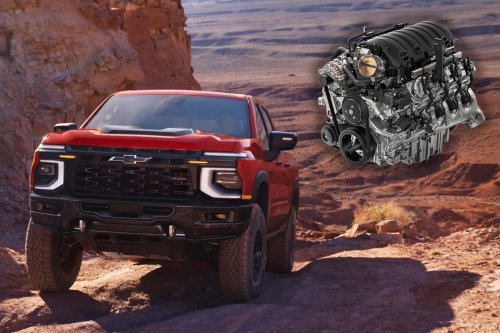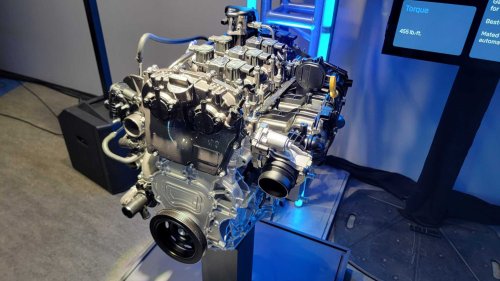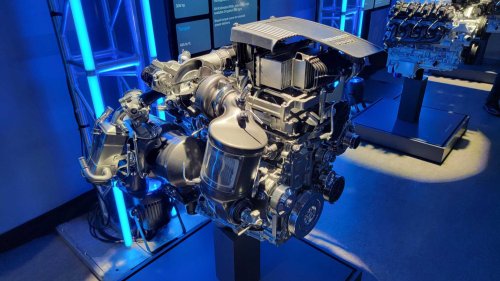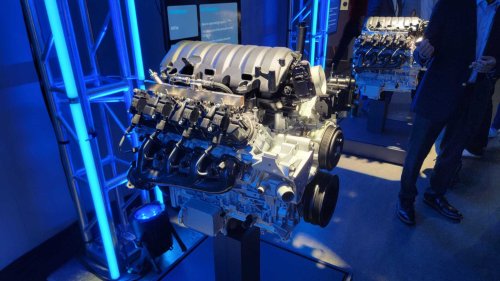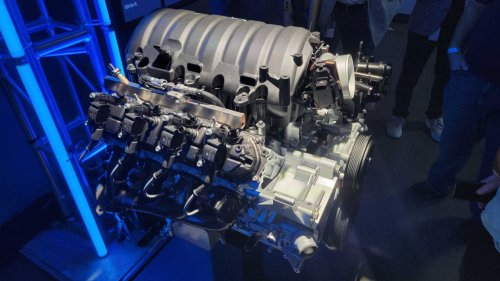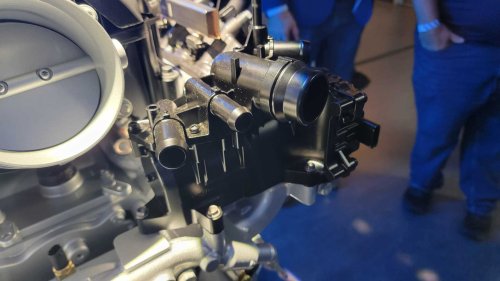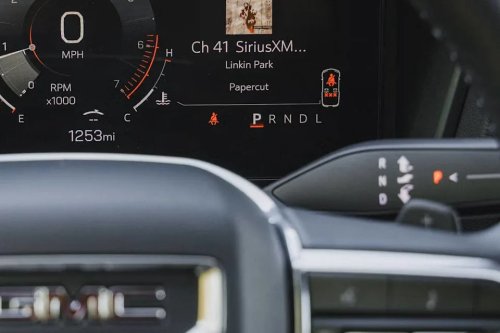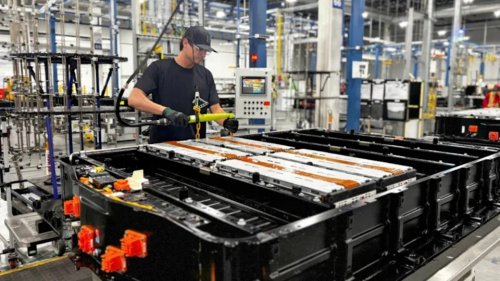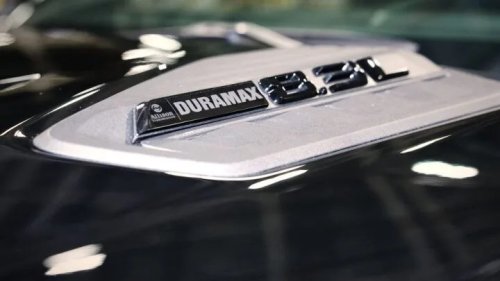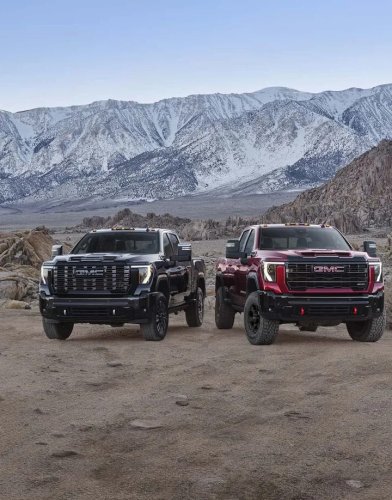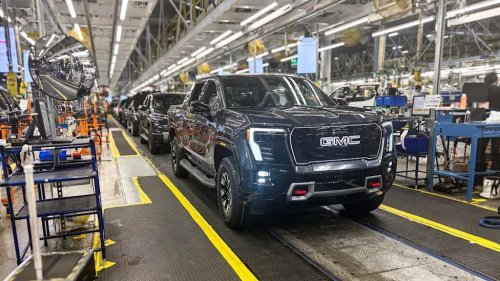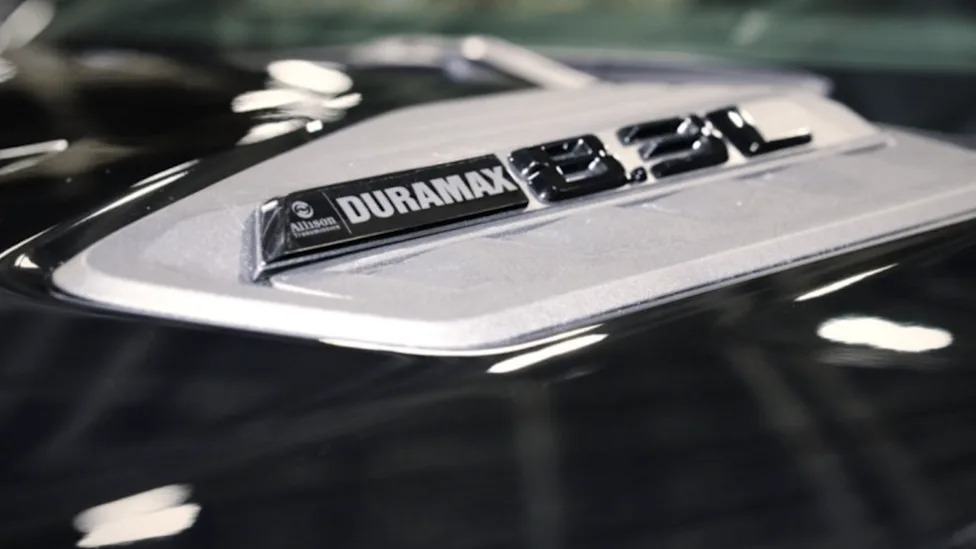



















GM’s 8.3L Duramax Mongoose: 555 HP, Electric Steering, and a Towing CatchThe Auto WireEve NowellSat, September 26, 2026 at 2:10 PM UTCAdd us on Google1 / 2GM’s 8.3L Duramax Mongoose: 555 HP, Electric Steering, and a Towing CatchGM has answered the heavy-duty diesel horsepower race with the most American fix available: more displacement. The 2027 Chevrolet Silverado HD and GMC Sierra HD will offer a new Duramax 8.3-liter turbo-diesel V8 rated at 555 horsepower and 1,230 lb-ft of torque, according to GM's official announcement. A few days earlier, GM's teaser release named the engine "Mongoose" and took a swipe at a "cross-town rival" diesel it called the scorpion. That's not subtle. Mongooses eat scorpions, and Ford's engine people surely noticed.On paper, the Mongoose wins. Ford's 6.7-liter High-Output Power Stroke makes 500 hp at 2,600 rpm and 1,200 lb-ft at 1,600 rpm per Ford's spec sheet. Ram's Cummins HO inline-six makes 430 hp and 1,075 lb-ft in Ram's 2027 release. GM's outgoing 6.6-liter L5P makes 470 hp and 975 lb-ft on Chevrolet's current site. The new engine adds 85 hp and 255 lb-ft over the engine it replaces.The number GM didn't advertiseDivide output by displacement and the story gets more interesting than the headline figures.AdvertisementAdvertisementThe new 8.3 makes about 148 lb-ft per liter. The outgoing 6.6 L5P also makes about 148 lb-ft per liter. GM got its entire torque gain from cubic inches, not from pushing each liter harder. Ford's HO Power Stroke works out to roughly 179 lb-ft per liter. On horsepower, the Mongoose makes about 67 hp per liter, below both the L5P (about 71) and Ford's HO (about 75).Related ArticlesHyundai's $5.8B Mississippi River Mill Is a Tariff Hedge Wrapped in Direct-Reduced IronToday in Automotive History: September 25, 1926 — Henry Ford Announces the Five-Day, 40-Hour WorkweekFor a truck that will spend its life dragging goosenecks up mountain grades, that's a good sign. A lower specific output usually means less cylinder pressure per unit of work, less heat forced through each piston, and more room for the aftermarket to add power later. GM traded compactness and weight for margin. Whether the margin shows up as durability depends on details GM hasn't released yet.What's insideGM calls this its first clean-sheet heavy-duty V8 designed, developed, and manufactured in-house, according to the GM release. The confirmed hardware includes:AdvertisementAdvertisementA compacted graphite iron (CGI) blockA fully forged crankshaft and connecting rodsSteel pistonsA single variable-geometry turbochargerA dual-stage air-to-water charge cooling systemA new aftertreatment layoutAn upgraded exhaust brakeThe Allison-branded 10L1000 ten-speed automaticEach of these choices matters for owners.CGI block. CGI is stronger and stiffer than conventional gray iron, so designers can use thinner walls without giving up strength. Ford uses CGI in its 6.7 as well, as Ford's engine specs show.Steel pistons. Steel pistons tolerate higher combustion temperatures than aluminum and allow a shorter compression height. They're common in big-rig diesels and are increasingly showing up in pickups chasing emissions and durability targets simultaneously.AdvertisementAdvertisementAir-to-water charge cooling. This is the change most likely to affect your service bill. A traditional air-to-air intercooler is a finned box in front of the radiator, and the only upkeep is keeping it clean and leak-free. An air-to-water setup cools the intake charge with a separate coolant loop, which typically means an extra pump, extra plumbing, and another circuit to bleed after service. In exchange, you get a shorter intake path and faster turbo response, both useful when you're getting 30,000 pounds rolling from a stoplight. Owners should expect a coolant system with more parts than the L5P's.What GM didn't sayGM has not published peak rpm figures, bore and stroke, compression ratio, engine weight, oil capacity, service intervals, emissions certification details, or pricing. Don't expect an MPG number on the window sticker either. Trucks over 8,500 pounds GVWR aren't covered by federal fuel economy regulations, so they aren't tested, according to FuelEconomy.gov. Real-world fuel use will come from owners with calculators, not from Washington.Best-in-class power does not mean best-in-class towingGM rates the 2027 trucks for up to 38,000 pounds gooseneck, 20,000 pounds conventional, and 46,500 pounds GCWR on properly equipped configurations, per the GM release. GM also says every diesel dually can tow 30,000 pounds or more. That's up from the 36,000-pound maximum on today's Silverado HD.Now compare Ford. Its site lists a 40,000-pound maximum gooseneck rating and a 30,000-pound conventional maximum for the 2027 Super Duty, according to Ford's own FAQ. Ram's 3500 Cummins HO tops out at 37,020 pounds in Ram's preliminary figures.AdvertisementAdvertisementSo GM has the most powerful engine and still trails Ford on its maximum tow ratings. That's because tow ratings come from the whole truck: frame, axles, hitch hardware, cooling, and braking. They don't come from the crankshaft alone.Executive Chief Engineer Mark Dickens said in GM's release: "HD customers don't hold back — and neither did we." On engine output, fair enough. On the tow chart, GM held back by about 2,000 pounds. Expect Ford's marketing department to notice.The quieter revolution: steering and brakesThe engine gets the headline, but the chassis changes are bigger engineering news.Electric power steering. GM is replacing hydraulic steering with a rack-and-pinion electric power steering (EPS) system. GM calls it a segment first and says it has roughly 30 percent more output than the current hydraulic steering gear. It also eliminates the pump, hoses, and fluid, and it provides full assist regardless of engine speed, according to the GM release. For contrast, Ford still lists "Power Hydraulic" steering for the 2027 Super Duty in Ford's chassis specs.AdvertisementAdvertisementElectronic brake boost. GM is adding an electronic brake-boost system with 14.6-inch front rotors and four-piston fixed front calipers. GM's release says the system eliminates "the shared hydraulic source for steering and braking." That phrase tells you how the old trucks worked: the steering system and the brake assist drew from the same hydraulic supply. Separating them means a failure in one no longer takes the other with it. It also frees each system to be tuned independently, which GM says supports adaptive cruise control and automatic emergency braking. Ford's F-250 and F-350 front rotors measure 14.29 inches, per Ford's brake specs.What this means for maintenance. No more power steering fluid flushes, weeping pressure hoses, or whining pumps. The trade-off is that steering assist now depends on the electrical system. Battery and alternator health on a diesel with cold-start loads, block heaters, and trailer lighting matters more than it did before. When an EPS rack fails out of warranty, you typically replace the whole motor-and-gear assembly, not a $150 pump. And anyone planning a big lift and 37-inch tires should wait for the aftermarket to learn how this EPS responds to more scrub radius and tire mass before buying parts.Drive modes. GM is also adding a Terrain Mode for ZR2 and AT4X models that enables one-pedal off-road driving in 4HI and 4LO. Lifting off the accelerator applies the brakes automatically. It's the kind of feature electronic brake boost makes possible and hydraulic hardware made awkward.The gas engine got attention tooThe standard 6.6-liter gas V8 rises to 412 hp and 472 lb-ft, per the GM release, up from 401 hp and 464 lb-ft on current trucks. Updates include a new intake manifold, a revised lubrication system, an engine-mounted oil cooler, and a digital oil-level display. Ford's 7.3-liter makes 420 hp but 445 lb-ft, per Ford's engine page. GM holds the torque edge, Ford holds the horsepower edge, and gas buyers get a genuinely close fight.The market math behind the moveGM says more than 60 percent of heavy-duty buyers choose diesel and that its brands already hold the majority of the diesel share in the segment, per the GM release. Ford's 2027 Super Duty lineup now offers only two engines, a 7.3 gas and the High-Output diesel, according to Ford's model FAQ. The segment is consolidating around one flagship diesel per brand, and bragging rights now attach to a single engine instead of a menu.Related ArticlesCalifornia Opened the Door to Robot Semis. Most of the Homework Gets Done in Texas.Mercedes-Benz Ties the Future of Two German Factories to Longer Hours Without Extra PayAdvertisementAdvertisementGM is building the 8.3 at its expanded DMAX facility in Brookville, Ohio. GM says the 1.4-million-square-foot plant brings machining and assembly under one roof and that it invested $920 million to expand it, per the GM release. That's not the spending of a company planning a short diesel future.What owners and shoppers should doIf you're shopping now, outgoing L5P trucks may get easier to negotiate as dealers clear lots for the new engine. Chevrolet is currently advertising a Duramax cash allowance for current owners and lessees on its HD page. The L5P is a known quantity with a mature parts and repair network, and that has real value.If you want the Mongoose, remember it's a first-year, clean-sheet engine with a new cooling architecture, a new aftertreatment layout, and new steering and braking systems in the same truck. That's a lot of firsts in one package. Second-model-year trucks usually benefit from early software updates and supplier fixes. The DMAX investment suggests GM is serious about durability, but no investment replaces 100,000 miles of customer data.On insurance, don't expect rates until trim pricing exists. GM says the trucks will reach U.S. dealers beginning in late 2026, with pricing announced later, per GM's availability note. Up to 14 available camera views, electronic braking modules, and an EPS rack all add parts cost to a front-end collision. Insurers price repair severity, so get a quote before you sign, not after.AdvertisementAdvertisementIf you tow at the limit for a living, read the rating tables for your exact configuration, not the headline number. GM has the most powerful diesel in the class. Ford still has the biggest published gooseneck rating. Your trailer only cares about one of those.Images Via: GMThe post GM's 8.3L Duramax Mongoose: 555 HP, Electric Steering, and a Towing Catch appeared first on The Auto Wire.