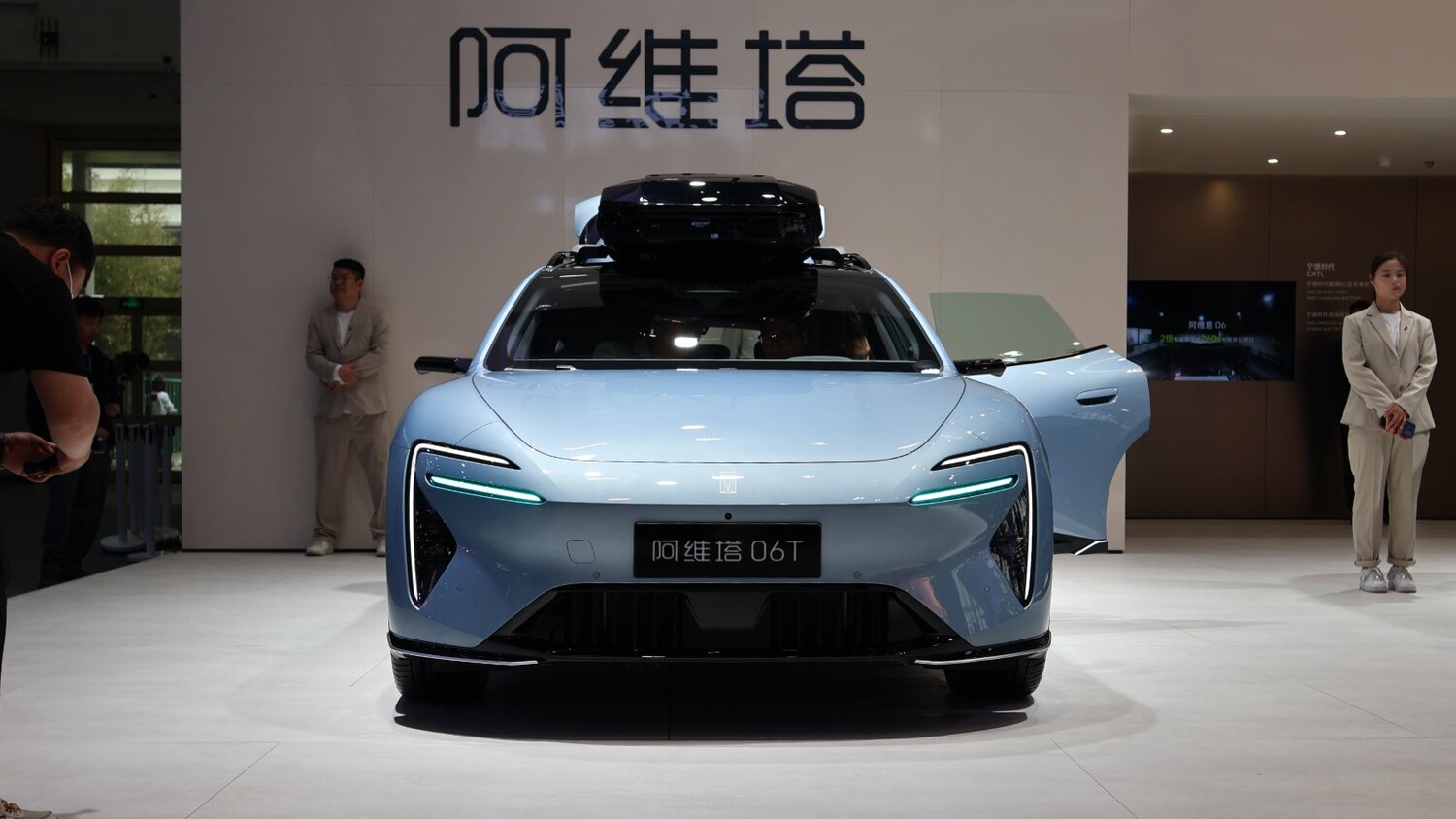
Gasgoo Munich-at The 6th Automotive Al Intelligent Chassis Conference 2026, Yu Zhiyao, a senior data analyst at the Gasgoo Automotive Research Institute, said the smart chassis sector is entering a phase of value reshaping. This is driven by the acceleration of x-by-wire technologies, intelligence, and cross-domain integration. By 2030, the penetration rate of domestic brake-by-wire systems is expected to approach 90%, becoming virtually standard in the new energy vehicle market. Steer-by-wire penetration is projected to exceed 10%, while smart suspension penetration is set to surpass 40%. The related market size is estimated to top 100 billion yuan. In terms of current installations, different technologies sit at distinctly different stages of development. Data from Gasgoo Automotive Research Institute indicates that One-Box has become the mainstream solution for brake-by-wire, accounting for roughly 70% of the market. EMB technology, however, has only just entered mass production. During the first nine months of 2026, it was largely limited to a few models from Li Auto and Chery. The launch of the GAC AION Ray7 in November pushed EMB into the 150,000-yuan price bracket, signaling a rapid descent in price bands. Steer-by-wire remains in the early stages of mass production, with its standard penetration in domestic passenger vehicles currently below 1%. Installations are primarily concentrated in high-end new energy models. Nevertheless, with the implementation of GB 17675—2025 this July—which removed the requirement for mechanical connections in steering systems—regulatory barriers to the large-scale application of SBW have been lifted. Recently, application prices for some models have also dropped to the 200,000-yuan level. By comparison, air suspension is spreading more quickly. From January to September 2026, its standard penetration in domestic passenger cars reached about 10%, with dual-chamber configurations becoming the mainstream and application prices falling below 200,000 yuan. The top three suppliers combined hold more than 80% of the market share. During the same period, fully active suspension remained largely concentrated in premium models from NIO, Li Auto, and AITO. Yu Zhiyao forecasts that by 2030, the penetration rate of Level 3 and higher autonomous driving in domestic passenger vehicles will reach approximately 10%. As advanced intelligent driving demands greater precision, faster response times, and enhanced redundant safety, chassis systems are evolving from single-system control over braking, steering, and suspension toward XYZ-axis synergy and cross-domain integration with intelligent driving and cockpit technologies.


 Liked by Oliver Leblanc, Carter Lewis


















 Liked by Oliver Leblanc, Carter Lewis