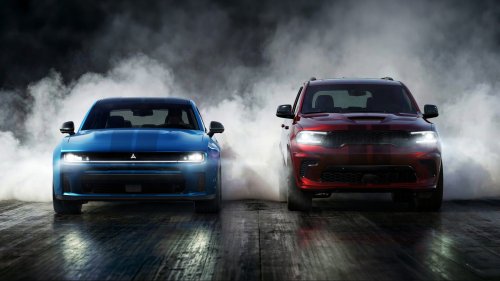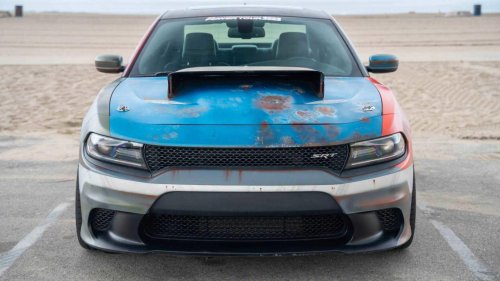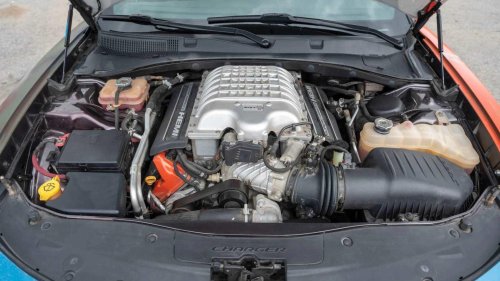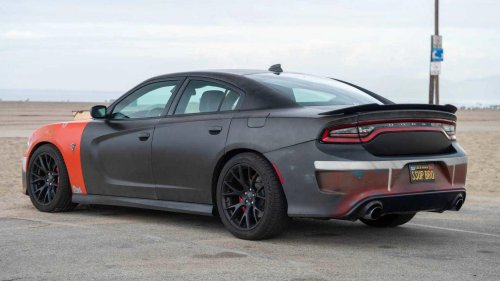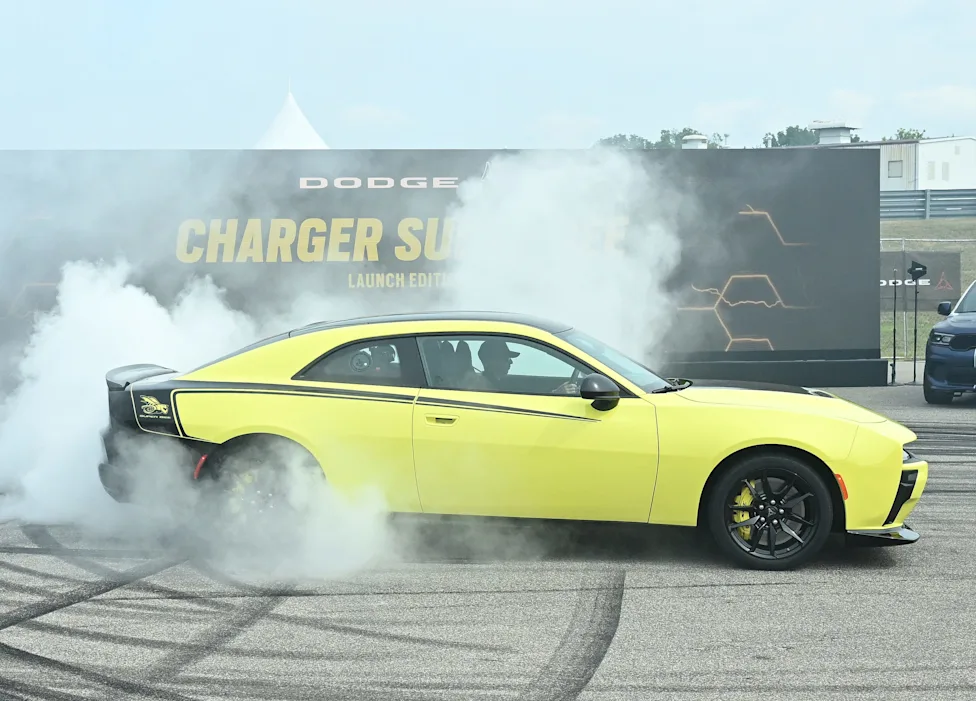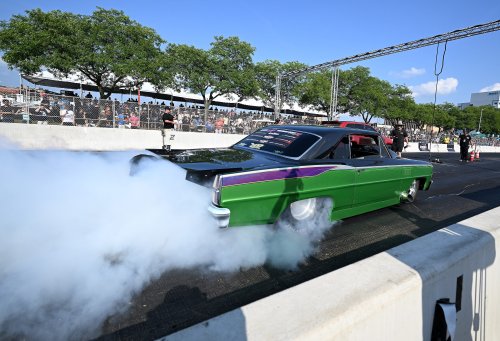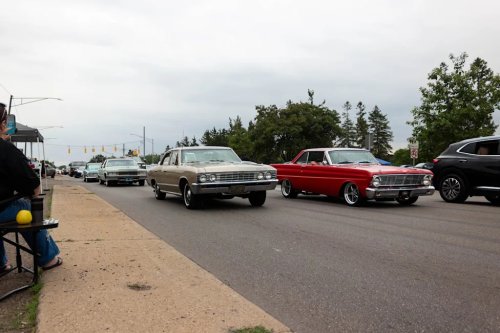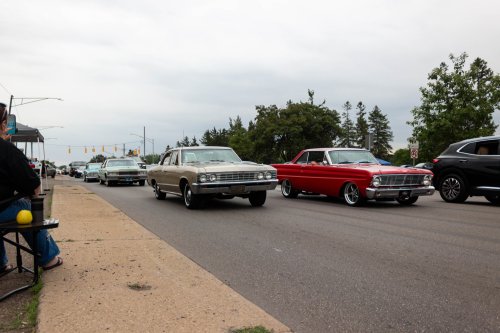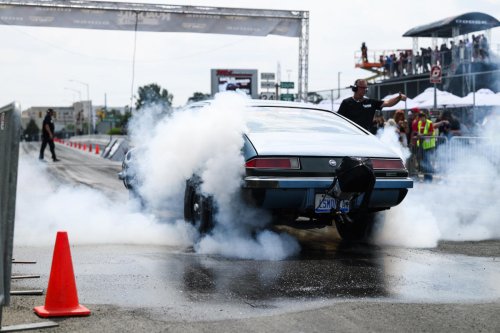
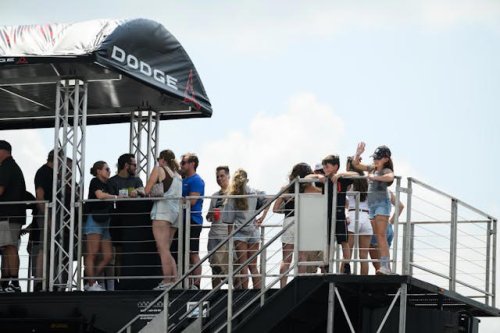
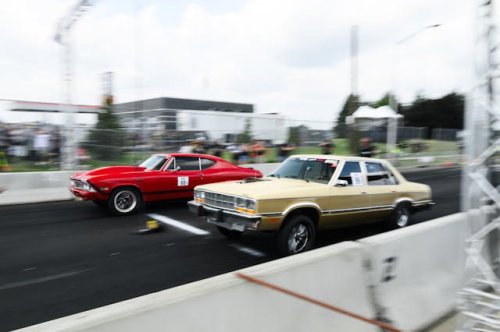
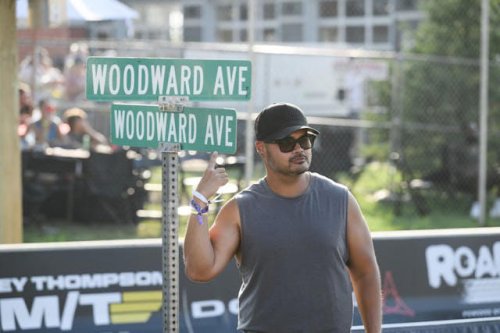
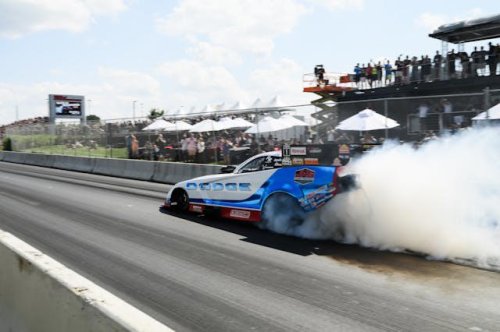
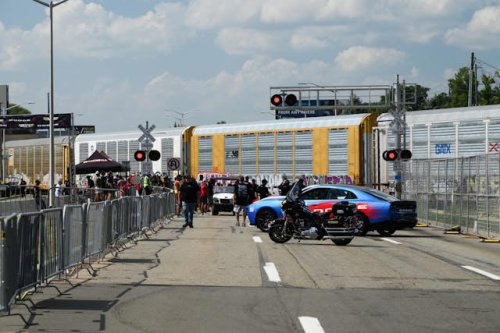
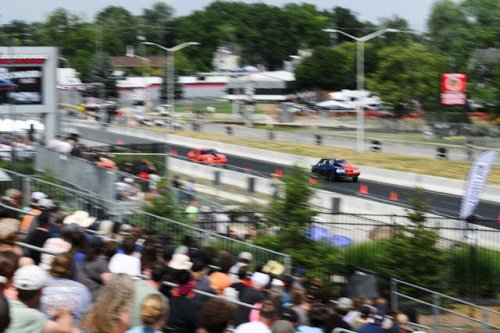
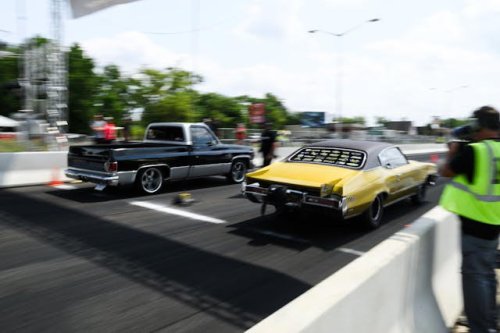
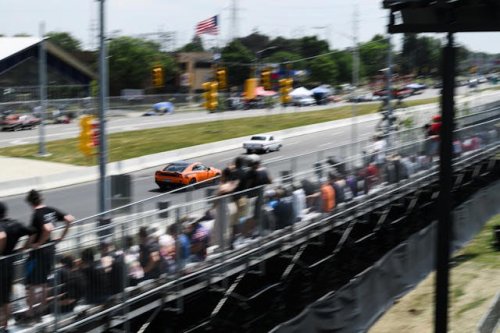
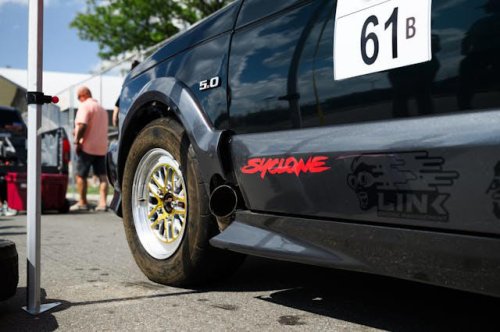
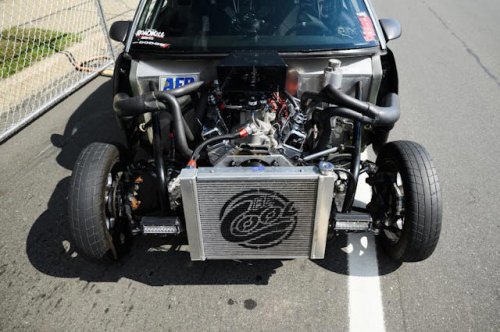
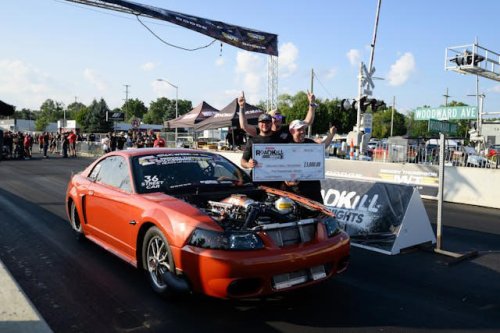
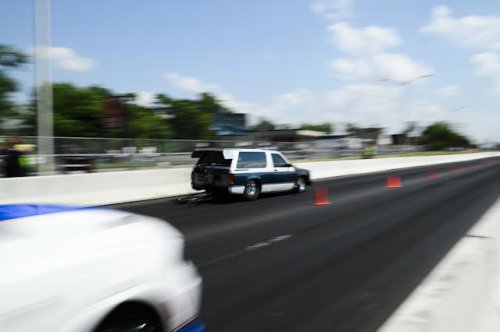
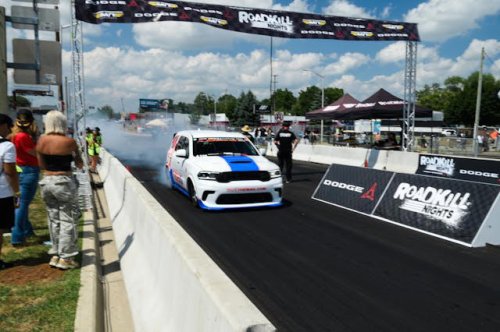
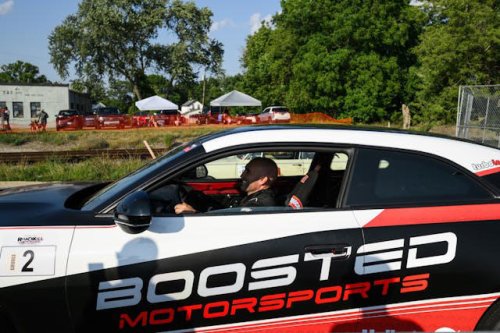
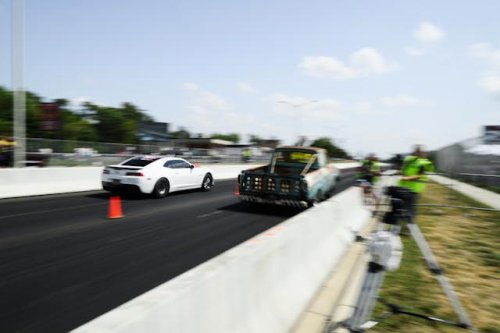












Gallery: The Woodward Avenue Antics of Roadkill Nights 2026 Last Saturday was a beautiful day for street racing on Detroit’s famous Woodward Avenue. That sentence would be highly suspect any other weekend of the year, but on August 8, the town of Pontiac, Michigan—with law enforcement and emergency services on-hand—hosted the MotorTrend Roadkill Nights Powered by Dodge, the street-legal drag-racing festival first held in 2015. All the tire-smoking, ear-splitting antics were perfectly aboveboard. For the participants, a huge part of the appeal of Roadkill Nights is the opportunity to race on a street you’d never be able to run on, legally, any other day of the year. Dave McKenna is one example; he commutes on this particular stretch of Woodward every week for his job as an application engineer in General Motors’ Marine division, so he was delighted to race on it in his LS-powered Fox-body drag car, which puts “probably about 1300 horsepower to the tire” with pump 85 and almost exclusively production components. What you might not know about Roadkill Nights, especially if you’ve never been, is that though the headlining event is the racing, the event has grown into a sort of automotive summer festival. Walk through the gates of M1 Concourse and you’ll stroll past a pavilion of Mopar muscle old and new, from Vipers and Challengers to Chargers gathered to celebrate the nameplate’s 60th anniversary. That shrieking tire sound you hear behind the main building is coming from the skid pad, where you can hop in the passenger seat of a new Charger and hang on as the driver does donuts. As you walk toward the cloud of smoke that periodically rises in the air by the grandstands, and the regular roar of barely muffled V-8 engines, you pass by two professional drag-racing trailers. One belongs to Matt Hagan, who drives the Tony Stewart Racing (TSR) Direct Connection Dodge//SRT Hellcat Funny Car parked outside it. The other belongs to Leah Pruett, driver of the TSR Dodge//SRT Direct Connection Top Fuel dragster sitting beside it. Later in the afternoon, each NHRA pro does a demo run, deafening the crowd with the thunder of their cars’ 12,000-hp engines and making everyone’s eyes sting with the nitro fumes. If you set off toward the main grandstands, arranged just after the finish line, you wander through Dodge’s Direct Connection Alley, where Hagan and Pruett, along with her husband Tony Stewart, sign autographs under a Dodge tent. There, Dodge and Ram are advertising Mopar’s factory-supported aftermarket program known as Direct Connection. There is also a display of Hemi crate engines and modified SUVs and pickups, including a 1000-hp lowered truck built by Hennessey and a giant three-quarter-ton Ram upfitted by Fox Factory. Beside that very clean C10 is a 1971 Buick Skylark (wearing its original paint!) powered by a 427-cubic-inch LS with a single turbo. Steven Pham Once up in the stands, with Woodward Avenue below, you watch the main spectacle unfold. Down to your left, close to the train tracks, is the burnout box and starting line, with the familiar figure of Jason Rueckert from VP Racing Fuels controlling the cars with hand- and arm-motions. The drag strip is short; participants told us it was around 370 feet, compared to previous years when it has been 550 or so (one-eighth of a mile is 660 feet). The contestants are staged on the other side of the train tracks, and on the other side of the berm, way down to the left, is the “paddock” area. You’ll immediately notice just how diverse the vehicles are (most of the day is spent in open qualifying, after all: ’60s muscle cars with huge hood scoops or bulges take on Jeep Trackhawks and Dodge Durangos or F-150 pickups. Vintage Blazers and Chevy C10 pickups line up with modern Hellcat-powered Challengers. Every once in a while, a true character approaches the starting line, such as “Cluster Truck” or “Garbage That Barfed,” both gasser-style builds, or a vintage police car, lights and all. This is what we love most about Roadkill Nights: the celebration of cool cars of all types. Roadkill Nights is also a great place to watch people of all ages enjoying cars, from kids in strollers and babies wearing giant earmuffs to middle-schoolers taking a turn at the sims with their parents leaning on the bucket seats. New cars, old cars, SUVs, trucks, dragsters, Funny Cars, stock cars—there’s something for everybody at this event. One of our favorite builds was this Ford-powered GMC Syclone: Look at this crazy 1987 El Camino owned by James Slankster of Brockway, Michigan. It’s powered by a 364-cubic-inch small-block Chevy that, thanks to nitrous, makes 600 hp. It also has no front bodywork to speak of, because who really needs that? When the smoke from the last burnout had cleared, Dodge crowned four winners, one each from Big and Small Tire plus the fastest Dodges in each class. The “Phoenix” Mustang of brothers David and Nicolas Diehl won the Small Tire category. Nathan Slocum, nephew of previous six-time champ Jim Kline, won Big Tire with his 1990 Blazer. The Phoenix earned its name when the Diehl brothers resurrected the car following a terrifying crash last year caused by parachutes that didn’t do their jobs. The familiar SUV body hides a mild-steel chassis that houses a 496-cubic-inch big-block Chevy with a taste for nitrous. The fastest Dodge award in the Small Tire class went to Douglas Sherrill and his vintage Dodge Demon. In the Big Tire Class, it went to well-known drag racer Tom Bailey. We’ve grown familiar with his burnt-orange ’69 Camaro from previous years, but his latest project is the world’s fastest Durango. Many of the Trackhawks and Durangos running this weekend had stock interiors, but if you peek inside Bailey’s truck, it’s unrecognizable. You don’t run sevens by keeping extra seats hanging around… John O’Malley of Boosted Motorsports won Dodge’s Grudge Match competition, in which Dodge provides new cars—in this case, two- and four-door Hurricane-powered Chargers—to different builders to customize to their liking. O’Malley’s Charger Scat Pack is no budget build. It makes 1000 hp thanks to a single turbo (rather than the stock setup, which uses two), a giant air-to-air intercooler, and MoTeC engine management. The ZF eight-speed is controlled by a Turbolamik unit. Feast your eyes on the gallery below—and keep your calendars open next August! Don’t forget the sunscreen…