Reuters reported at the end of September, citing a stock exchange announcement from GAC, that the Chinese automaker would acquire 50 per cent of FAW Toyota through the purchase of the half of the company currently held by a subsidiary of the state-owned FAW Group in the joint venture. The transaction is to be financed through the issuance of new A-shares. At the same time, FAW is set to become the second-largest shareholder of GAC.
Toyota now states in its own announcement that FAW Toyota will remain independent, but that the joint venture will, in a later phase, form an alliance with the already existing joint venture GAC Toyota to “handle functions such as research and development, procurement, production, and sales within the joint ventures”. This alliance is intended to deepen the partnership and “further strengthen the long-term cooperative relationship among FAW, Toyota, and GAC”.
Toyota, FAW, and GAC have recently signed a framework agreement for such a strategic alliance. Based on this agreement, the companies plan to contribute assets and capital to “gradually deepen and expand their areas of cooperation through technological innovation”, as stated. This explicitly includes “efficient alliance of industrial resources”, which could, for example, involve plant utilisation at each other’s facilities. However, the initial focus is on accelerating the development of electric and intelligent vehicles.
For Toyota, this planned restructuring is also significant because the Japanese automaker has so far operated in China with the aforementioned separate joint venture structures: FAW Toyota on one side and GAC Toyota on the other. The partnership with FAW dates back to 2002, while the joint venture with GAC was established in 2004. However, this dual structure has come under increasing pressure due to slower market growth, high overcapacity, and growing competition from Chinese electric vehicle manufacturers. The trio is now responding to this—starting with the reorganisation of ownership.
GAC gains importance for Toyota’s BEV business
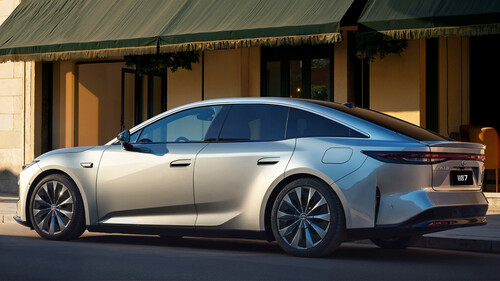
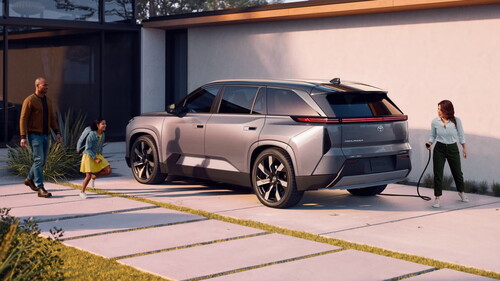
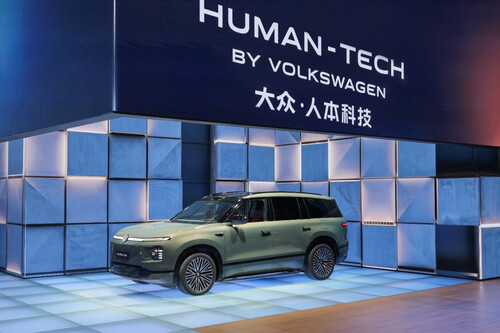
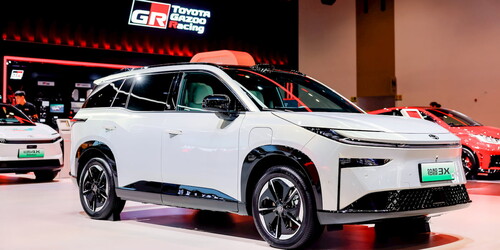
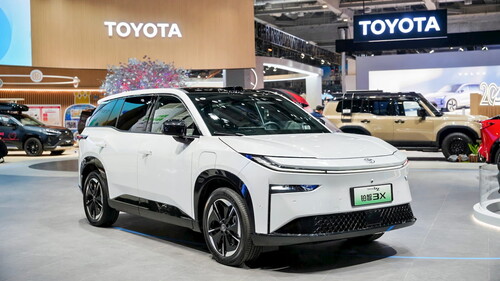
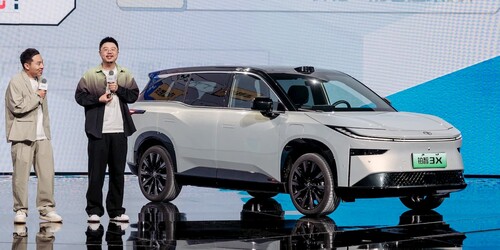
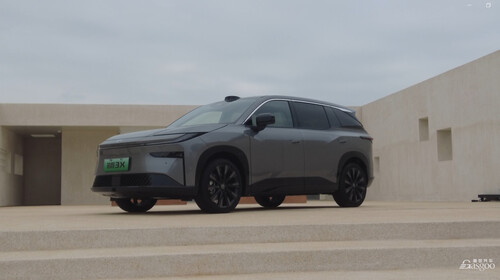
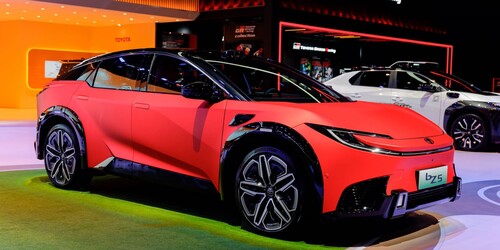
This move elevates GAC as Toyota’s direct partner in China. GAC has recently gained importance for Toyota, particularly in the electric vehicle sector. According to market researchers at Marklines, the jointly developed bZ3X eSUV achieved around 70,000 registrations in China in 2025, accounting for approximately 70 per cent of Toyota’s battery-electric vehicle sales in the country. Overall, Toyota sold around 100,000 BEVs in China last year, surpassing Volkswagen’s core brand, which sold about 85,000 vehicles.
Despite this progress, Toyota remains a relatively small player in China’s electric vehicle market. For comparison: BYD sold more battery-electric vehicles in December 2025 alone than Toyota did in the entire year. With GAC’s entry into FAW Toyota, the two previously separate partnerships will now move closer together at the shareholder level – and potentially operationally in the future.
global.toyota