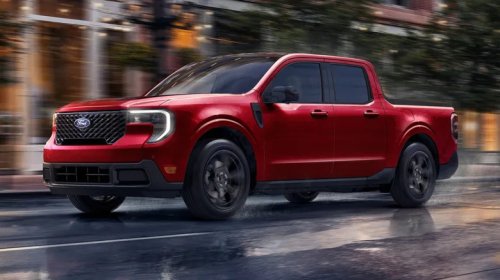
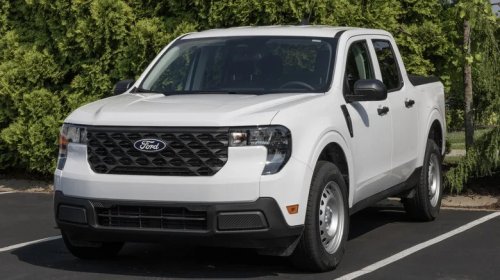
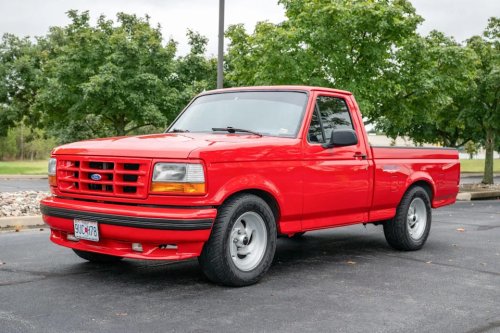
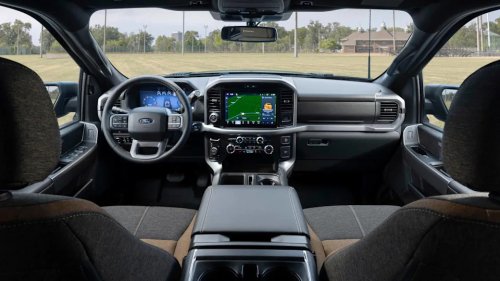
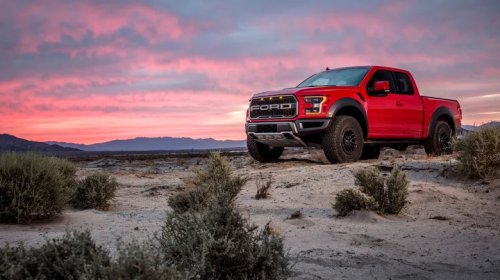
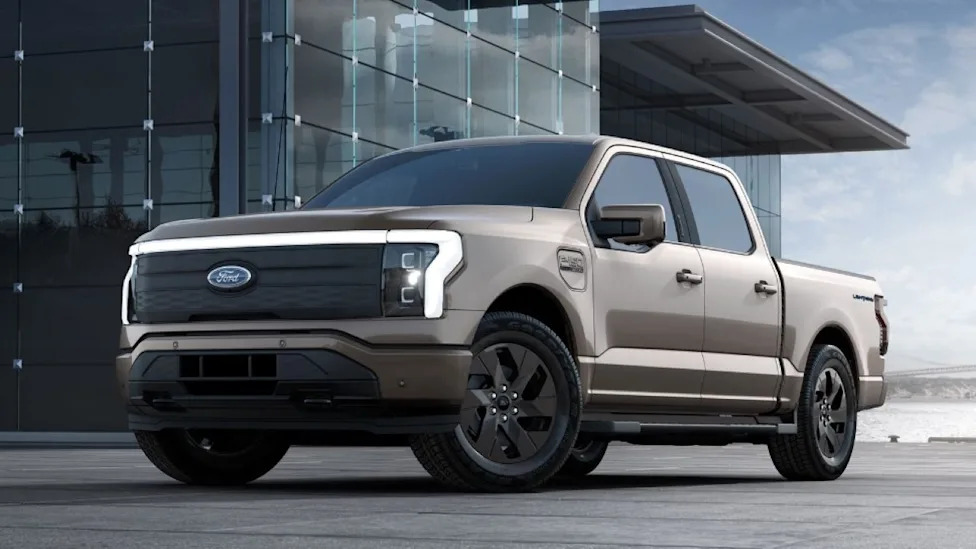
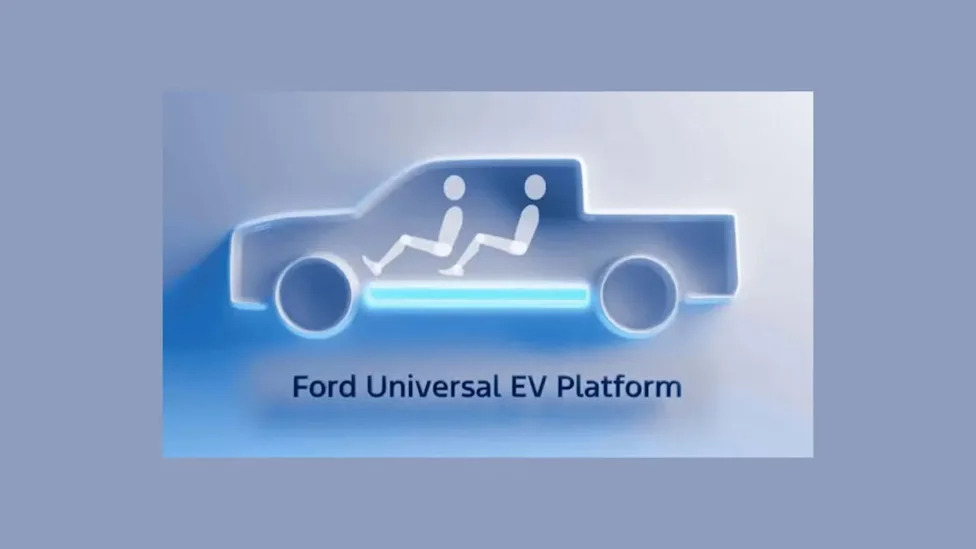
Image Credit: Ford.Ford is getting ready to test one of its most important future vehicles in public. Camouflaged prototypes of the company's upcoming midsize electric pickup are expected to begin road testing around Detroit within the next few weeks as development ramps up ahead of a planned 2027 launch.The truck represents a major reset for Ford's electric vehicle strategy. After the mixed reception and disappointing sales performance of the F-150 Lightning, the automaker is shifting focus toward smaller, more affordable EVs that can compete directly with gasoline-powered vehicles on price and practicality.Ford executives believe this new truck could become the foundation for an entirely new generation of electric vehicles. The pickup will debut the company's new Universal Electric Vehicle platform, a flexible architecture designed to reduce manufacturing costs while supporting multiple body styles and future models.AdvertisementAdvertisementAccording to Ford Chief Financial Officer Sherry House, the project remains on schedule. Prototype vehicles are already being assembled in Michigan, and the company has begun extensive testing ahead of production preparations expected to start next year.A Different Strategy From The F-150 LightningImage Credit: Ford.When Ford launched the F-150 Lightning, expectations were enormous. The idea of electrifying America's best-selling truck sounded like a guaranteed success story, especially during the height of EV enthusiasm. Reality turned out to be far more complicated.While the Lightning attracted early excitement, the truck struggled with recalls, production challenges, pricing concerns, and the broader slowdown in EV demand. Buyers interested in electric trucks also faced concerns about towing range, charging infrastructure, and overall affordability.Ford eventually changed course. Instead of chasing ever-larger and more expensive electric pickups, the company began developing a smaller midsize truck aimed at mainstream buyers. That truck is now approaching its next major milestone.AdvertisementAdvertisementThe new model is expected to start at around $30,000, dramatically undercutting most electric pickups currently on sale. Ford executives say affordability is the core goal, not simply building another high-performance halo vehicle.Ford's Secretive "Skunk Works" Team Is Behind ItDevelopment of the new pickup has been handled by Ford's dedicated "Skunk Works" EV team operating from the company's Electric Vehicle Development Center in Long Beach, California.The specialized group was tasked with rethinking how Ford designs and manufactures electric vehicles from the ground up. Rather than adapting existing gas-powered platforms, the team focused on building a dedicated architecture optimized for lower costs and simplified production.One of the biggest changes involves manufacturing itself. Ford confirmed the truck will use megacasting technology, a process popularized by Tesla that creates massive sections of a vehicle frame as single aluminum pieces.AdvertisementAdvertisementThe method reduces the number of individual parts required while simplifying assembly and lowering production costs. Executives believe those savings will help make the truck profitable at lower price points.Ford also says it designed many of the vehicle's most complex components in-house, giving the company tighter control over engineering, sourcing, and supplier negotiations.What We Know About The Truck So FarImage Credit: Ford.Official details remain limited, but early information paints a clearer picture of what Ford is aiming for. The truck will reportedly slot somewhere between the Maverick and Ranger in size, though its electric architecture should allow for unique packaging advantages. Like most EV pickups, it is expected to feature both a traditional cargo bed and a front trunk for additional storage.Ford executives previously hinted that the truck should deliver roughly 300 miles of range in entry-level form. Performance targets reportedly include a 0-60 mph time of under five seconds, putting it near current EcoBoost Mustang territory.AdvertisementAdvertisementMore importantly, Ford believes the truck can attract buyers who may not have considered an EV before. Sherry House recently said the company wants these vehicles to compete directly with gasoline-powered trucks, not just with other EVs. That distinction is important because pricing remains one of the biggest barriers to broader EV adoption in the United States.The midsize format also feels strategically smarter than a giant electric full-size pickup. Smaller trucks generally weigh less, require smaller battery packs, and are easier to price competitively.This Truck Could Define Ford's EV FutureThe pickup itself is only the beginning. Ford plans to use the Universal Electric Vehicle platform for an entire family of future products, including a small SUV and potentially even a sedan.That flexibility is critical as automakers rethink their EV strategies following slower-than-expected demand growth across much of the industry.AdvertisementAdvertisementFord is also investing heavily in battery production and energy storage projects while navigating broader supply chain challenges. The company continues recovering from aluminum shortages caused by a major supplier fire last year, which significantly disrupted F-Series production.Even so, executives remain optimistic that the new EV platform can eventually become a profitable long-term business rather than simply a regulatory necessity. The stakes are enormous.Ford's next electric truck will not just determine the future of its EV lineup. It may decide whether the company can successfully compete in the next phase of America's rapidly changing truck market.If you want more stories like this, follow Guessing Headlights on Yahoo so you don't miss what's coming next.



















 +80 others