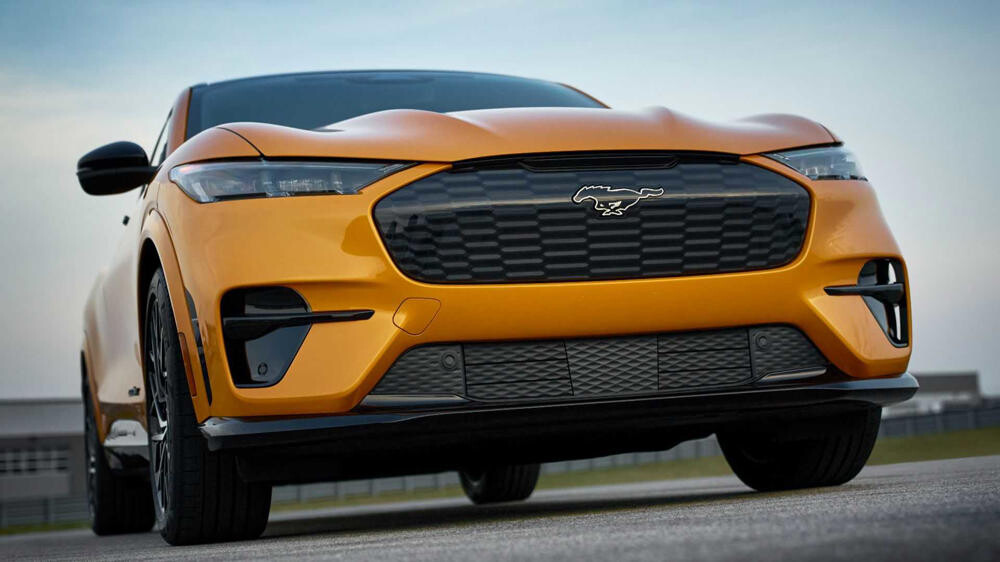
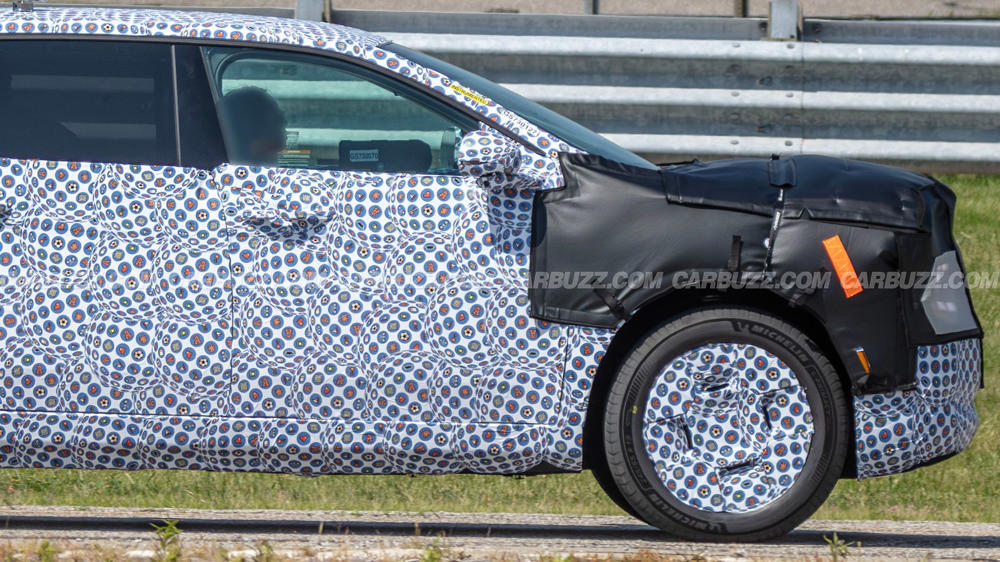
One shipment means two big things for Ford. The first is that Ford's upcoming sub-$30,000 pickup is on schedule. The second is that Ford is finally in the battery business. It is making its own cells for the first time. The new cells will be the first of their kind offered in a vehicle in the US. Ford Opens Its First Battery Cell Factory Ford's BlueOval Battery Park Michigan saw its first battery cells roll off the line earlier this week. The cells are the first to be built in-house by Ford, as the cells used in the F-150 Lightning and the Mustang Mach-E were sourced through SK On. The first battery cell pouches are being shipped to Ford's Louisville Assembly Plant. They're being installed into the first prototypes of the Ford Fathom, the upcoming electric truck that the brand says will hit the market next year for under $30,000. Ford announced the new plant in 2022, though it changed in scale as Ford's EV plans rose and then fell. Construction was underway in 2024, and it seems to have been finished on time. The LFP cells built at the plant and used for the Fathom use no nickel or cobalt, which reduces costs and the environmental impact of producing them. The chemistry also offers longer cell life with lower capacity loss over time, which is valuable for vehicle longevity. They also have a lower risk of fire and thermal runaway for improved safety. Ford is also changing the whole battery. The finished pack will be part of the truck's structure, and Ford used prismatic (rectangular) cells to fit directly into the chassis. Will This Help Bring Fathom In On Time And On Budget? The new truck's design combines electrical connections and sensor connections into a flexible circuit board, and Ford has built the power electronics into the pack. This reduces the number of parts for simpler manufacturing, a key part of the Universal EV Production System Ford has developed to cut vehicle costs. Ford says the new plant can deliver 40 cells every minute. That's enough cells to make close to 200 Mustang Mach-E packs per eight-hour shift, and the company says it is "among the fastest LFP prismatic battery assembly lines outside of China." That's a very hedged superlative though, since only one other operational prismatic LFP site outside of China can be found: CATL's site in Germany that supplies BMW. The defect limits at the new plant are tight. Ford says it wants to measure the defect rate in problems per billion cells rather than problems per million. Based on Ford's production figures, one problem per billion would be one bad cell every 143 years. Ford has made prototype battery packs to send these first cells to Louisville and the Fathom prototypes. It will have a proper battery pack site near the cell factory opening next year ahead of the launch of the truck. CarBuzz Insight – Why This Matters: It's not the first battery cell plant in the US, but it's still one of only about a dozen. The cells, and the LFP chemistry, play a big role in Ford's ability to sell the Fathom at its projected price, but they're just part of the equation. Ford is combining those cells with its large aluminum unicastings, less wiring, and fewer fasteners. There is even a whole new assembly line, plus other core changes that haven't been announced yet. The proof, of course, will be in the pudding. Expect that pudding to hit the table sometime next year.

 Liked by Nathan Lavoie, Madeleine Hall








 Liked by Nathan Lavoie, Madeleine Hall