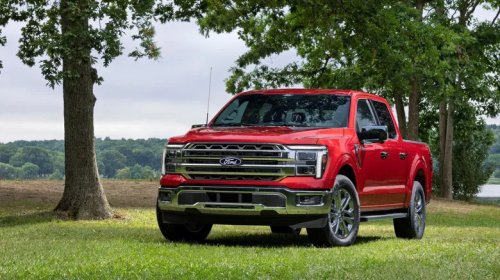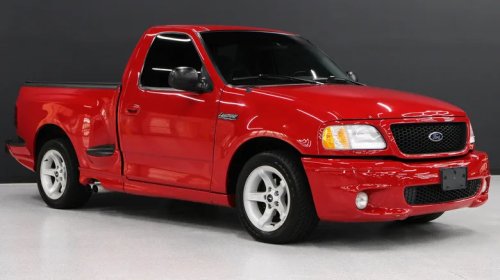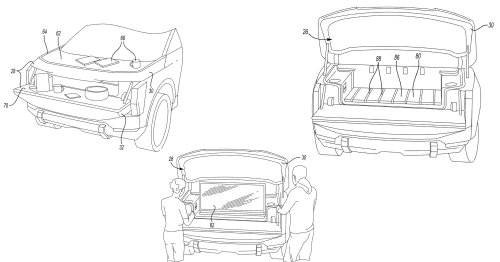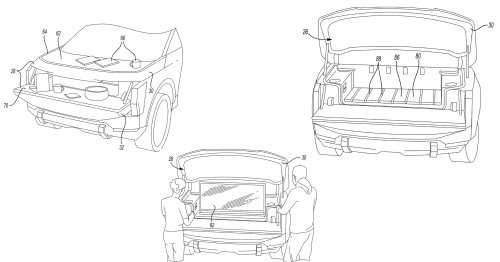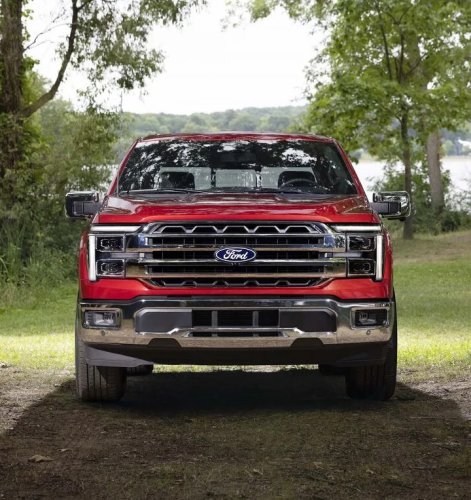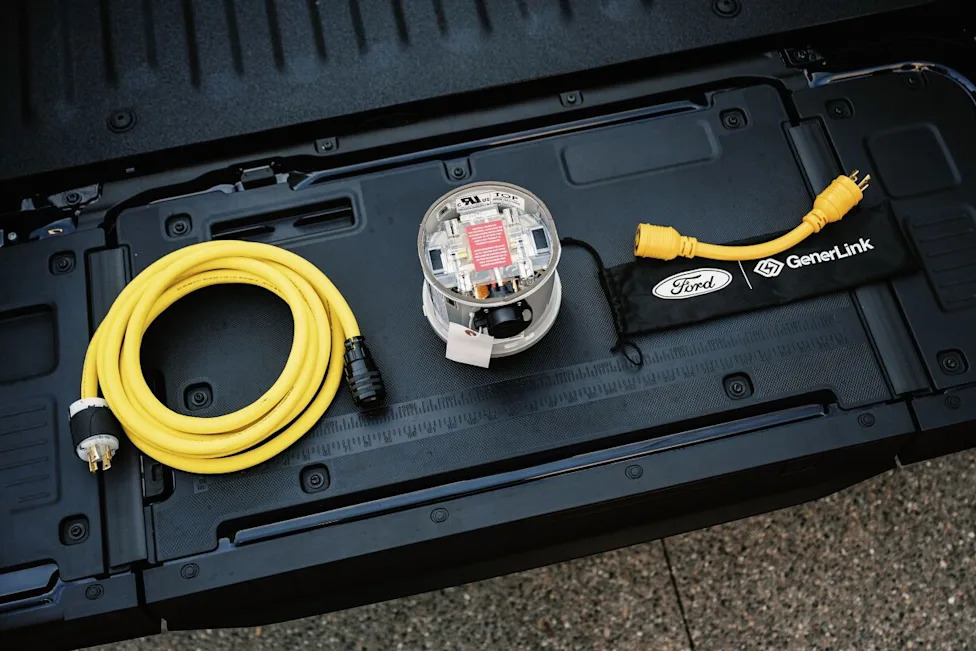
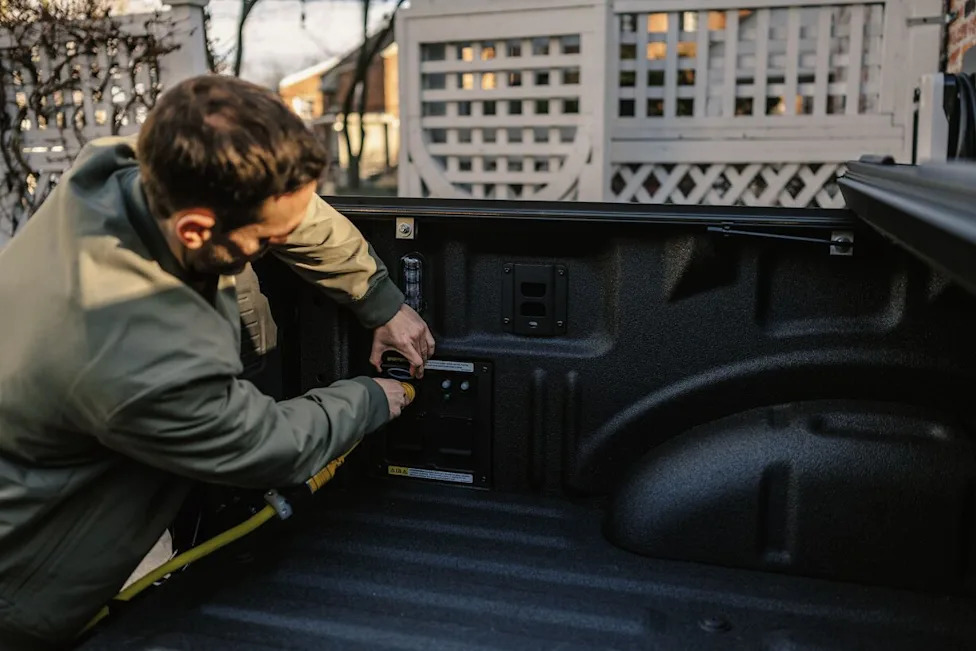




















ford partners with generlink to turn f 150s into home generatorsIn the wake of increasingly severe seasonal storms and a rising frequency of grid failures, full-size truck buyers have frequently used built-in vehicle generators to keep their households running. However, utilizing a truck to provide emergency backup power has traditionally forced owners to run a complex maze of extension cords through open windows and doors to reach separate indoor appliances.To streamline this process, Ford Motor Company has partnered with Global Power Products to roll out an official integration with the GenerLink transfer switch. The specialized hardware gives F-150 owners a safe, highly affordable method to backfeed their truck's electrical output directly into their home's primary electrical service panel without re-wiring the house or running separate cords.ford partners with generlink to turn f 150s into home generatorsThe Core Hardware ArchitectureThe partnership bridges the gap between Ford's existing utility hardware and established residential electrical backup tech. For the integration to operate safely, the home must be outfitted with the GenerLink transfer switch-a five-inch, UL-listed device that physically mounts behind or adjacent to the home's external electric meter.AdvertisementAdvertisementPlugging a standard generator-style cord directly into a modern vehicle's high-output bed outlet will often trigger the truck's highly sensitive, built-in ground fault circuit interrupter (GFCI) sensors, cutting off the electrical flow unexpectedly. To resolve this compatibility conflict, Ford and Global Power Products engineered a custom 12-inch adapter cable called the Ford Vehicle Connector.This small interface component works in tandem with a heavy-duty 20-foot GenerLok quick-connect cable to forge a secure line between the truck's bed and the home's service box. Once the truck is running and the Pro Power Onboard system is toggled on via the central touchscreen display, the hardware automatically isolates the home from the municipal utility grid. This mechanical lockout layer ensures the vehicle cannot accidentally backfeed electricity down the power lines, protecting line workers who are actively fixing the local grid.Power Capacities and Real-World EnduranceThe new system is engineered to work exclusively with high-output variants of Ford's truck family that feature a standard 240-volt Pro Power Onboard outlet panel. Supported models include the F-150 PowerBoost Hybrid carrying the 7.2-kW electrical package and the all-electric F-150 Lightning optioned with the 9.6-kW configuration.Because the truck sends energy straight into the primary electrical breaker panel, it powers standard wall outlets and hardwired appliances that cannot be connected to an extension cord, such as:AdvertisementAdvertisementSubmersible well pumps and basement sump pumpsHardwired septic tank pumps and modern security systemsCentral gas furnaces, localized overhead LED lighting, and home Wi-Fi networksThe total length of time a truck can run a household depends strictly on daily power demands, but Ford has provided baseline endurance projections for both powertrain options. An F-150 PowerBoost Hybrid operating with a full tank of gasoline can sustain an average household's essential electrical loads for up to five days. For battery-electric truck owners, a fully charged F-150 Lightning carrying either the Standard Range or Extended Range battery pack is projected to deliver baseline home power for two to three days before needing a recharge.ford partners with generlink to turn f 150s into home generatorsInstallation Paths and Equipment Cost LayoutsGetting the system up and running requires picking an installation path that conforms to local electrical codes and utility rules. Because requirements are dictated by local power companies rather than state regulators, homeowners have two primary equipment mounting options:Meter-Mounted SetupCurrently approved by more than 800 individual utility companies across North America, this is the cleanest installation option. The complete hardware bundle-which includes the physical GenerLink automatic transfer switch, the 20-foot GenerLok power cord, and the specialized Ford Vehicle Connector-retails for roughly $1,100. Because a utility worker or certified technician simply pulls the meter face and slides the switch collar behind it, professional installation costs are low, typically averaging between $250 and $450.Meter-Adjacent SetupIf a regional utility company has not yet cleared meter-mounted hardware but allows traditional generator transfer hardware, owners can still use the system. The equipment bundle maintains the same $1,100 price point, but an electrician must mount the system inside a separate secondary breaker box adjacent to the meter. This path requires extra structural wiring modifications, bumping estimated installation labor up to a range of $1,000 to $1,500.AdvertisementAdvertisementThis article was written using AI and was then edited and optimized by our editorial team.