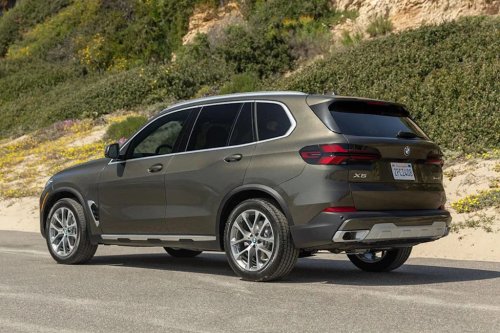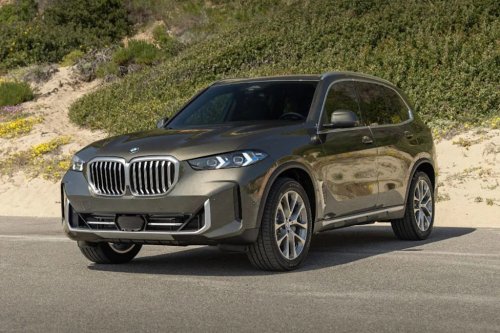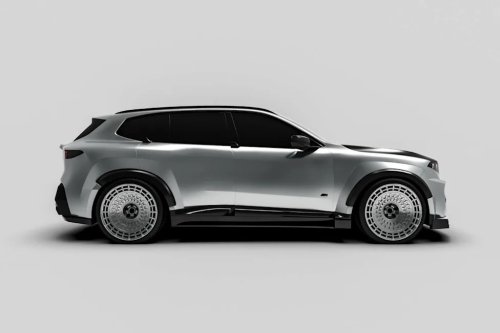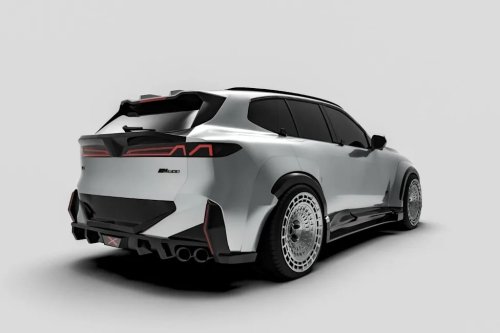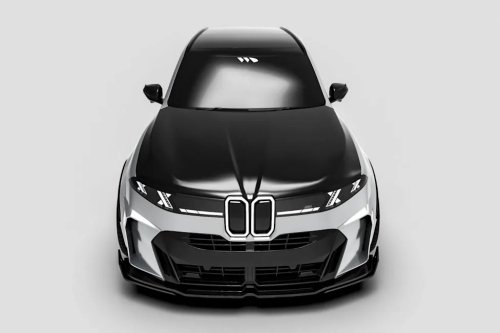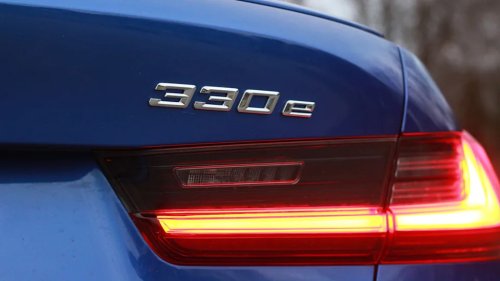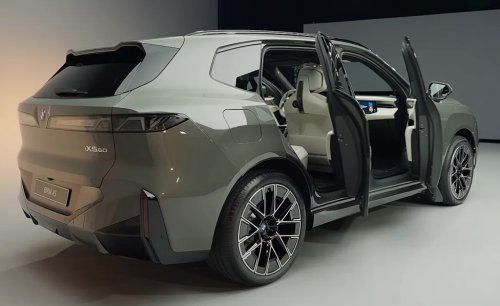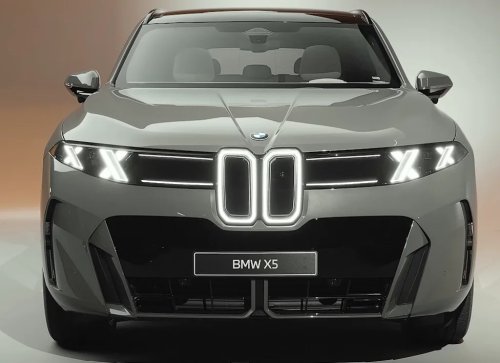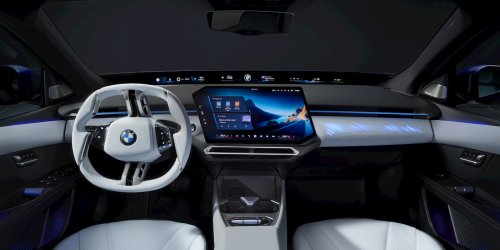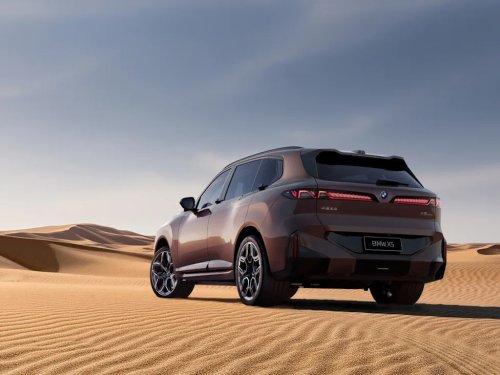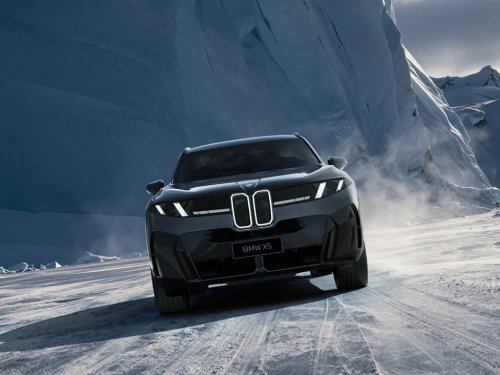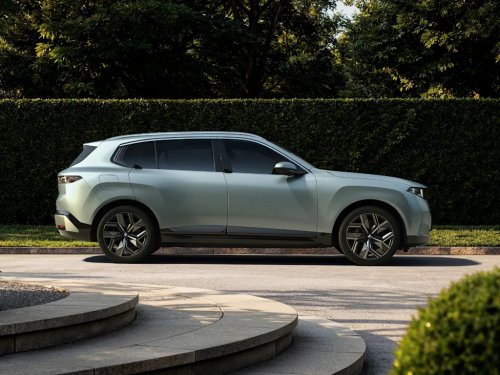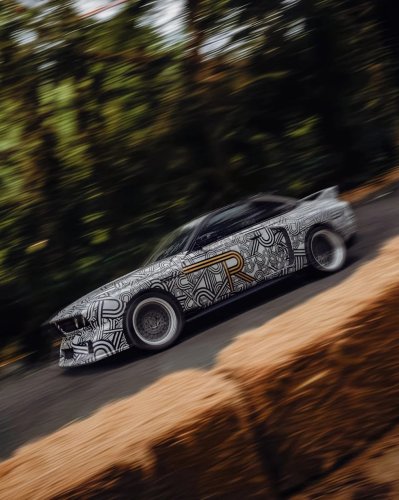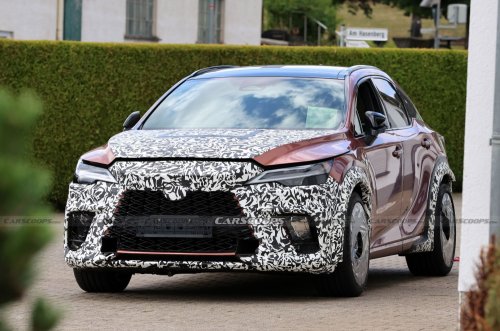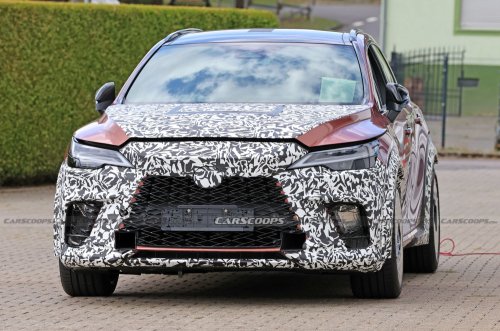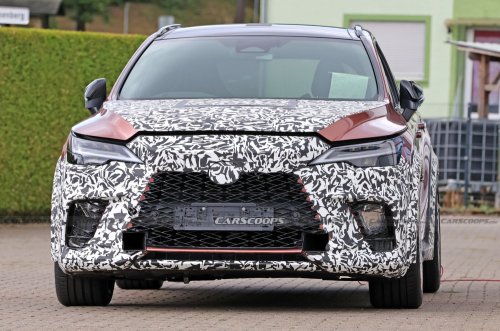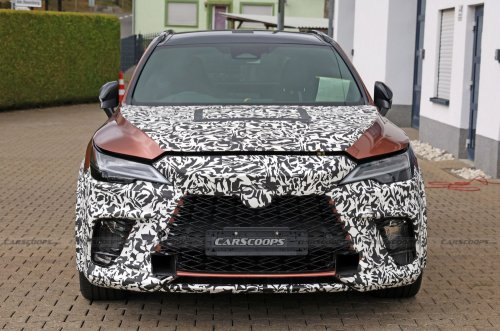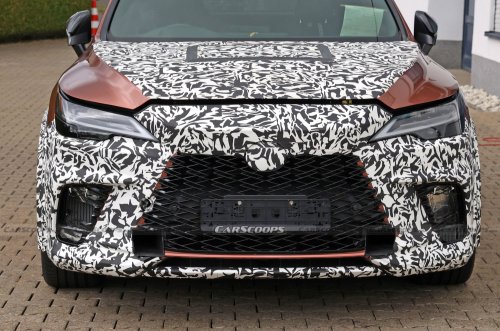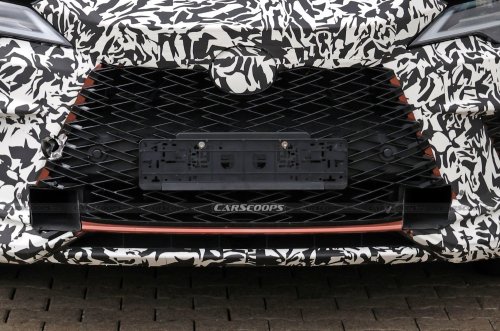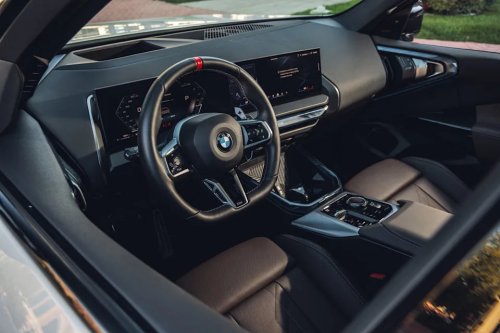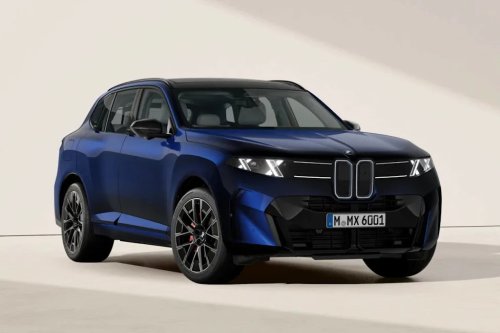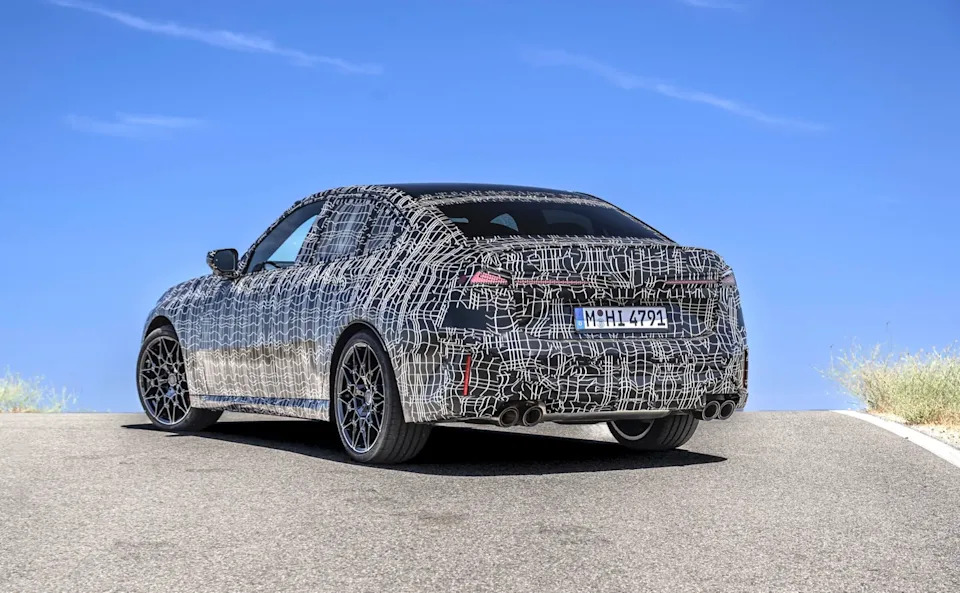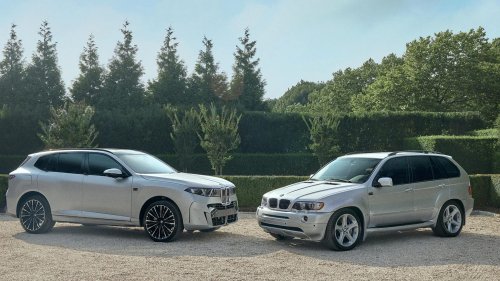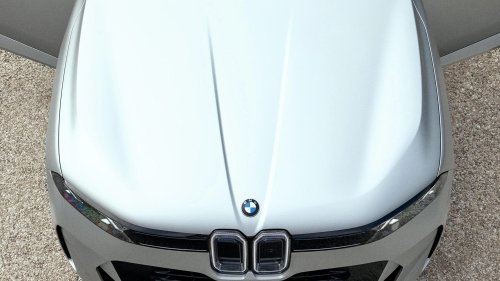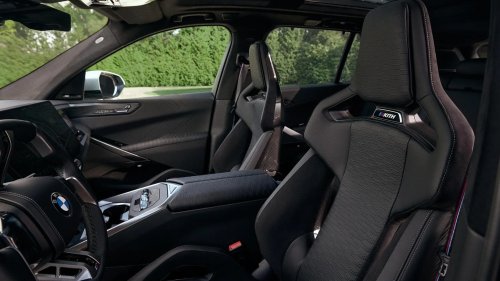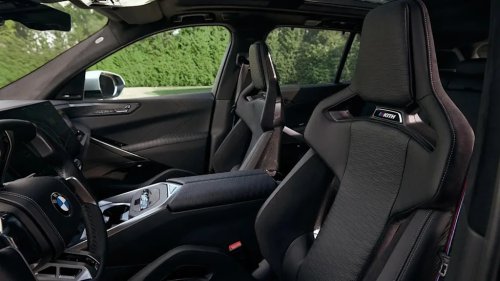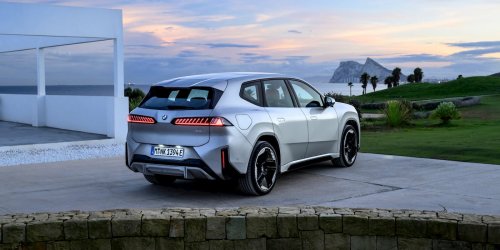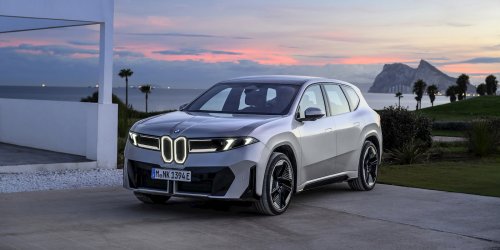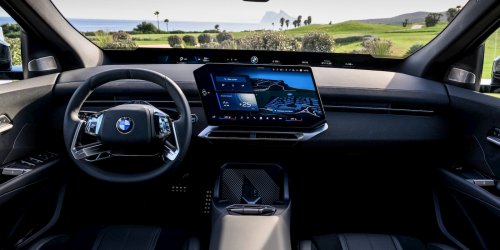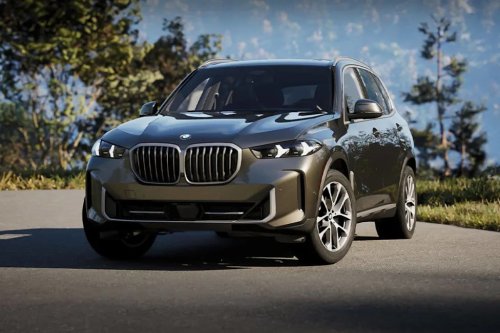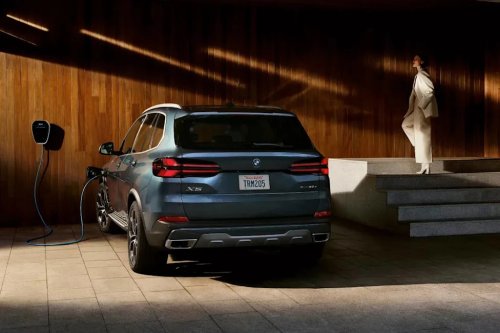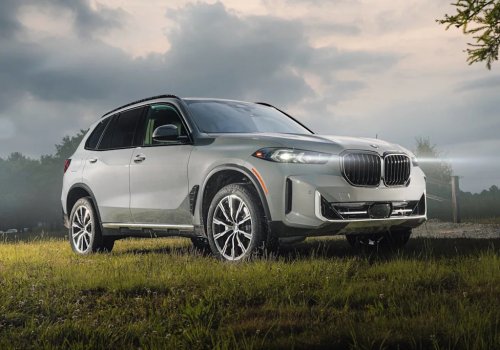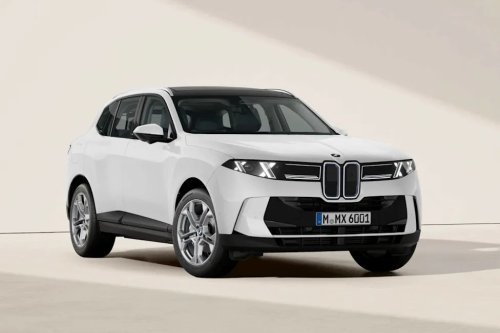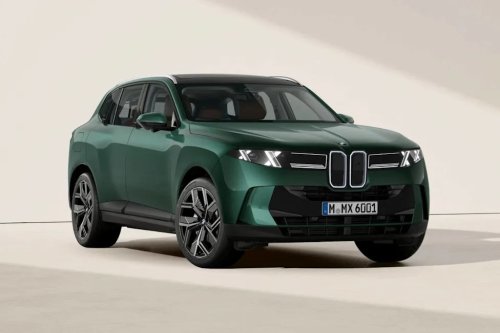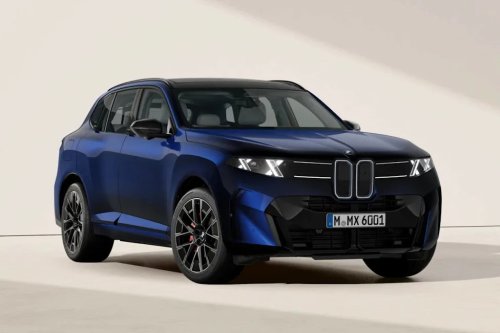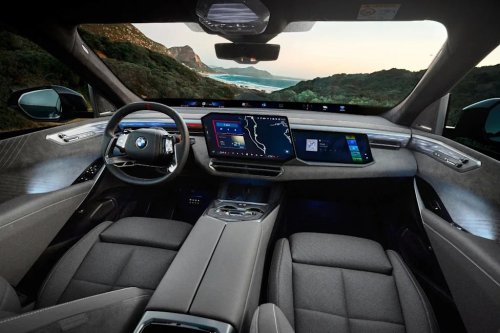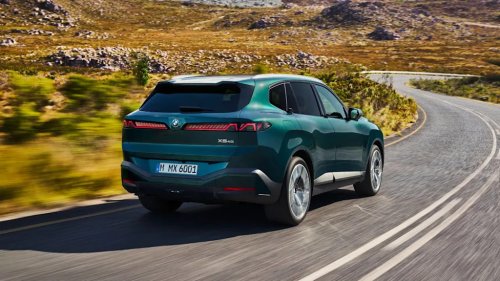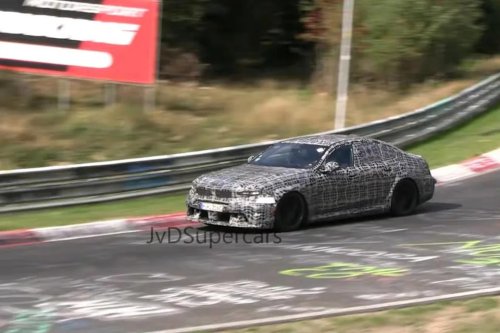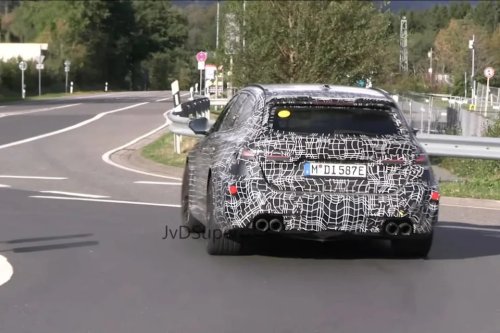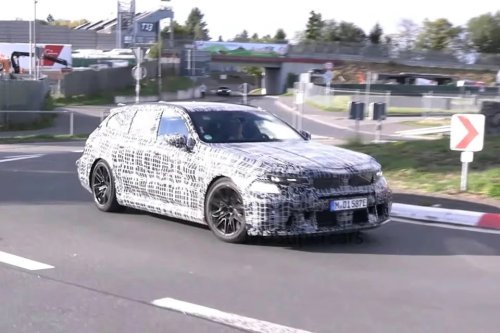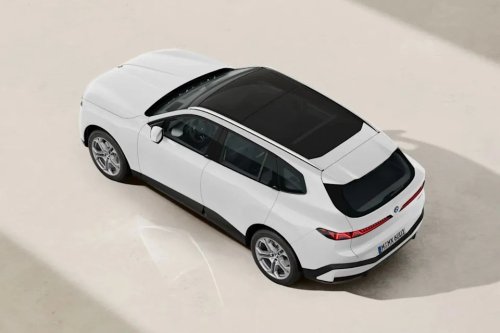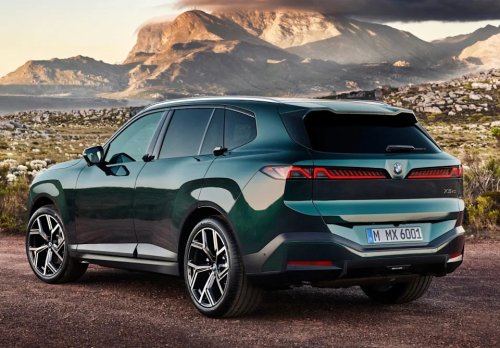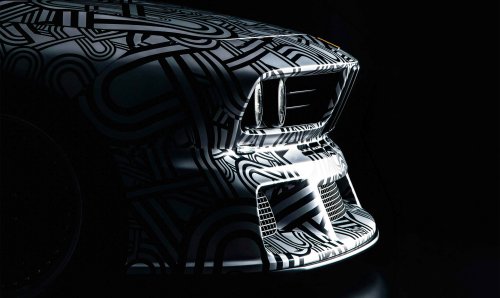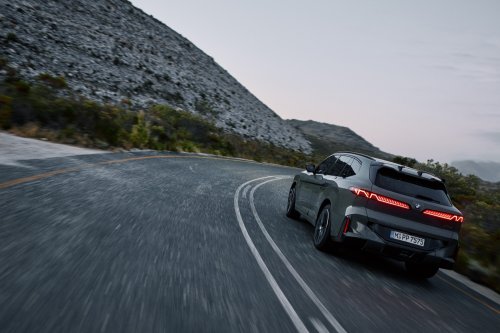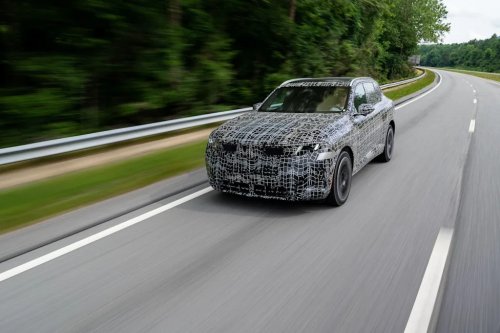
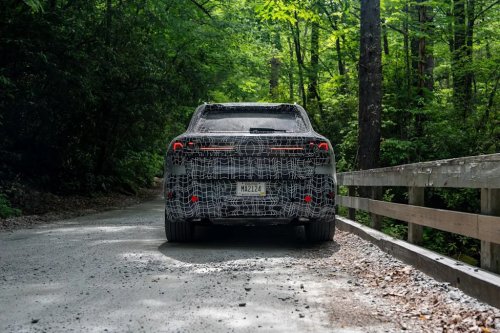
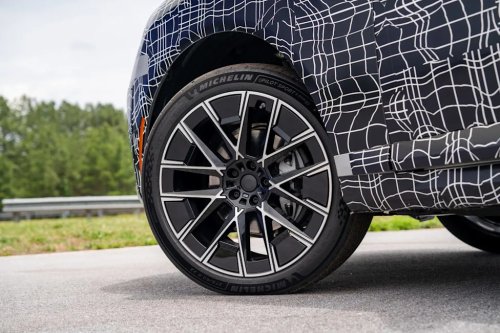
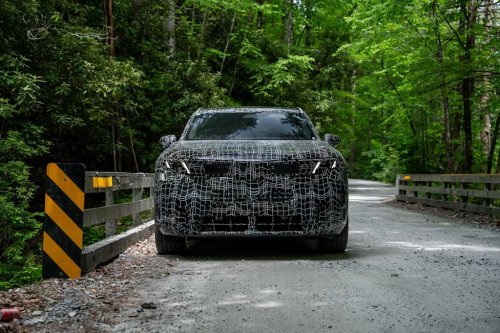
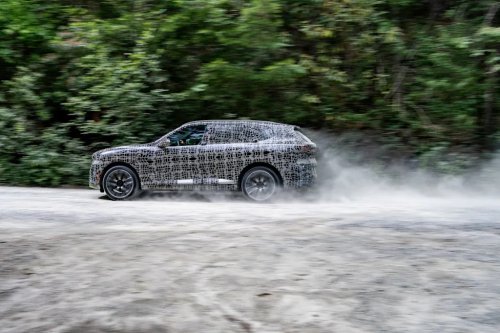



















2027 BMW X5 Prototype Drive: EV Power Up TopBMWWhen discussing the greatest BMWs of all time, the conversation often fixates on an era of Bimmers that excelled in rote commutes and spirited drives alike—the ever important ride-handling balance. The cars from that era all carry a common thread: From 1997 to 2012, an engineer named Bernd Limmer was among those who signed off on the chassis of the E46 M3, E39 M5, and E9X M3, among many others. Limmer is also the principal engineer of the upcoming fifth-generation 2027 X5 (chassis code G65), and his tuning sense might be the special ingredient this new BMW needs to really cook.We say "might" because we're at the X5 factory in Spartanburg, South Carolina, driving heavily camouflaged G65 prototypes. The exteriors have rigid vanity covers affixed with screws hiding the fascias' styling cues, and the interiors are fully covered like Grandma's davenport—but instead of covering everything in clear polyethylene, the X5's new interior is clad in opaque, black, and securely adhered fabric. These cars are mostly there; final tuning is yet to be locked in, but this gives us a very good idea of what to expect when the full unveil takes place.BMWDriving a Little Bit of EverythingWe had all three 2027 X5 models on hand; each carries some level of electrification and all (at least initially) feature all-wheel drive. The X5 40 xDrive comes with a 400-hp turbocharged 3.0-liter inline-six bolstered by a 48-volt hybrid system. A ZF eight-speed automatic transmission manages the engine's 398 pound-feet of torque. The inline-six is predictably silky, and the transmission calibration feels spot on. Sport mode will wake it up a bit if you're needing a lower gear more often than you think. The engine makes plenty of power, and when we strap on our test gear on the 2027 models late this year, we're expecting the X5 40 xDrive to hit 60 mph in around 4.5 seconds.AdvertisementAdvertisementStepping up to the plug-in X5 50e xDrive adds 90 extra horses to the mix, a large percentage of which come from a 197-hp electric motor housed within the eight-speed automatic. The whole powertrain is effectively a carryover from the outgoing X5 50e. The inline-six here is the same engine that's in the 40, though its max output is capped at 313 horses, and it's every bit as smooth; we didn't even notice the first time the straight-six fired up in traffic. This 400-volt plug-in hybrid has a 26-kWh battery, which we believe will be good for over 30 miles of electric range (final numbers remain state secrets).BMWFans of the V-8 X5s of yore will likely find disappointment in the fact that an EV now lives atop the range: the 578-hp iX5 60 xDrive. As the name suggests, this two-row EV effectively supplants the iX in the U.S. It has an estimated 141-kWh battery pack that uses new cylindrical cells (final pack numbers and specific chemistry details will arrive at a later date). An induction motor capable of mustering 249 horses powers the front axle, while an externally excited synchronous machine capable of 329 horsepower turns the rear. Unlike many EVs with fuzzy output math, the iX5's motors are each humming to their maximum potential at full whack. BMW says the 60 xDrive will hit 62 mph in 4.7 seconds, which should put its 60-mph time in the low-4s. Its 800-volt architecture will support modern DC fast-charging too (again, specifics are TBD, but expect a highly competitive charging rate).Steel coil springs come standard on the 40, but the ride-and-handling department threw just about every (optional) bell and whistle it could find at the G65. Active anti-roll bars do a fantastic job of eliminating head toss, resulting in a truly luxurious ride. Air springs are optional, as is rear-wheel steering. The X5 50e and iX5 60 we drove were fully outfitted, and with our limited exposure, it's pretty clear that BMW tuned the new X5 with a luxury bent. The cabins are quiet and well insulated from road noise. The unibody is stiffer, yet the X5 never felt harsh, and it gave a good sense of connection with the road. Initial steering turn-in is progressive with zero slop. The tiller's calibration felt fully baked with nice on-center heft.BMWAll these chassis systems were almost necessary because a base X5 40 and the iX5 60e are separated by some 1300 pounds. To account for some of this weight increase, the former single unit comprising the rear air spring and damper has been split, giving the springs a little more volume. Also, the pickup points on the rear suspension moved outboard, which increased the damper stroke. These bandwidth increases boost both comfort and handling, and we think all the chassis tricks (including standard adaptive dampers) paid off. The X5 drove more carlike than its size and mass would indicate. We don't know exactly how much bigger and heavier it is than the outgoing model, but we do know the new X5 rides on a longer wheelbase, sports a lower roofline, and is a bit wider.AdvertisementAdvertisementWhether the powertrain is pure gas, PHEV, or EV, all X5 interiors are the same, except the EV does not get a dedicated power button. Given the usual prototype cladding, the only interior feature we interacted with was a new instrument cluster, if you can call it that. Aside from a central infotainment screen, all the usual driver information gets displayed at the base of the windshield via a HUD-like reflection system that spans from A-pillar to A-pillar. (There's a traditional HUD too.) While you can make it mostly black to help with night vision, there are six customizable slots for all the instrumentation and information you might want to see. It may certainly give the appearance of a lower cowl, but the X5's large A-pillar bases cut into our forward sightlines.BMWLet the Car Do the WorkShould you not care to drive your ultimate driving machine, the X5 has an available level-two hands-free system not unlike GM's Super Cruise or Ford's BlueCruise. It'll let you take your hands off the wheel on divided highways, but you must still pay attention. When it requires the driver to be hands-on, capacitive sensors embedded in the wheel close that warning circuit, so to say, disabling the alert. A water bottle crammed in a spoke won't cut it.Should you not care to park, the X5 has you covered too. The demo we were shown indicated that someone familiar with the steps could avoid causing a commotion with traffic, but it still requires learning. It can back out of a narrow drive automatically, which is impressive, but this is still tech that will serve everyone much better when point-to-point self-driving becomes a thing. Would we use it in downtown Detroit? Probably not; the X5 has surround-view cameras, and that's plenty for us.If these three powertrains weren't enough for you, there will be other G65 X5 models coming as well. BMW has announced a hydrogen fuel-cell model that we should see in a couple years. And, of course, we'd be shocked if there wasn't an X5 M in the works, which could (maybe) fill the V-8 void. The X5 goes on sale late this year, and we expect it to start right around $75,000.AdvertisementAdvertisement➡️ Skip the lot. Let Car and Driver help you find your next car.Shop New Cars Shop Used CarsYou Might Also LikeGift Guide: Best Ride-On Electric Cars for KidsFuture Cars Worth Waiting For: 2025–2029