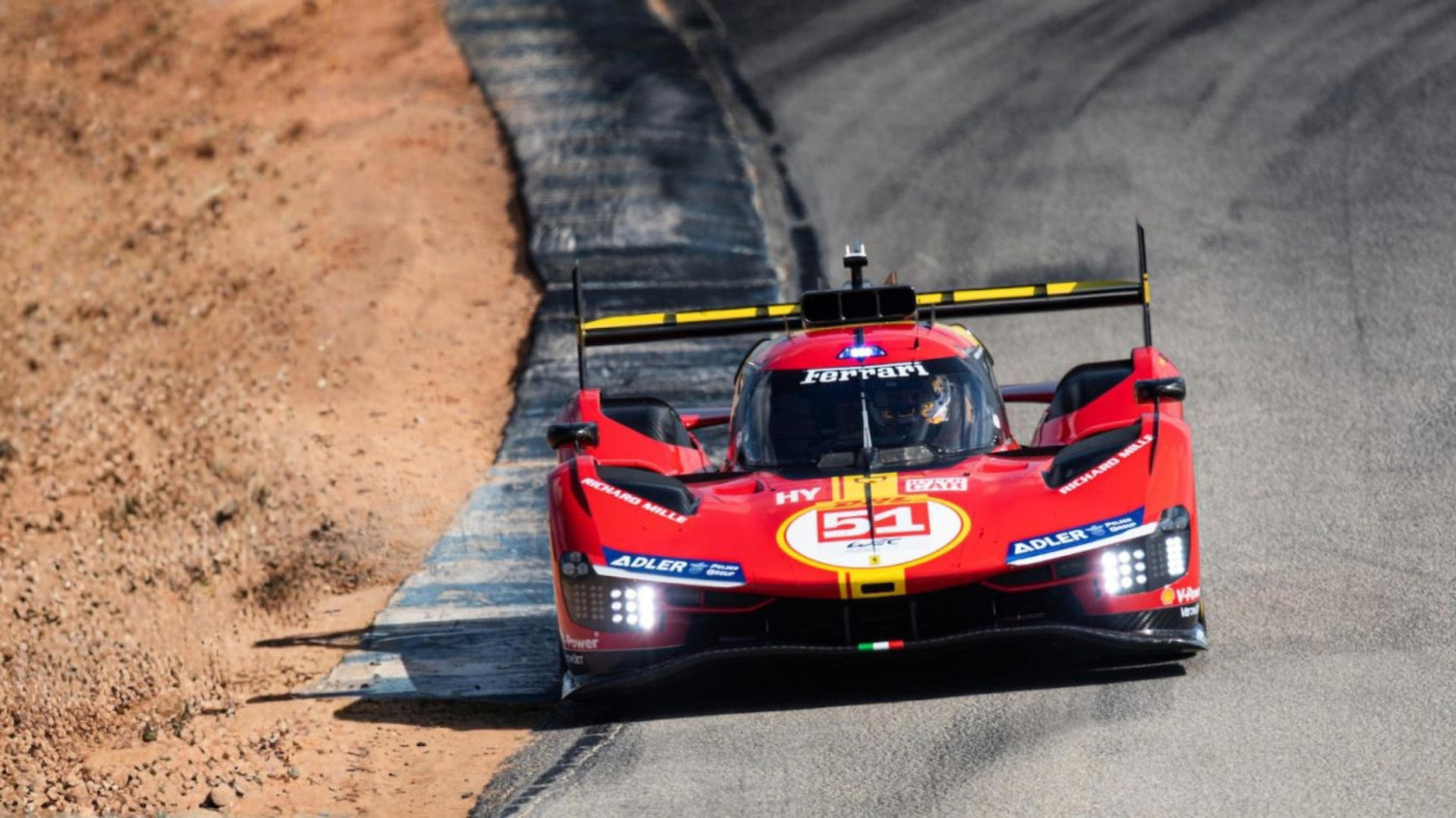



















Ferrari’s Le Mans BoP Complaint Shows Hypercar Politics Are BackFerrari Lost the Race, Then Challenged the Conditions Around ItFerrari’s Le Mans story did not end when the checkered flag fell.After its winning streak was halted, the Italian manufacturer made it clear it believed the 2026 Hypercar field had been “unbalanced” from the start. That language matters because in endurance racing it is never just a complaint about pace. It is a direct challenge to the way the race was framed before it even began.In other words, Ferrari was not only saying it got beaten.It was suggesting the competitive structure around the race played too large a role in deciding who could realistically win it.That is why this has become a bigger story than one manufacturer reacting badly to defeat. Ferrari’s comments have pushed Balance of Performance back into the spotlight, and with it the most politically sensitive question in modern endurance racing: how much intervention can a top class absorb before the manufacturers begin questioning the legitimacy of the outcome?Hypercar’s Success Has Always Carried a Built-In TensionThe modern Hypercar era has been widely praised for one obvious reason.It has brought major manufacturers back into top-level endurance racing at the same time. Ferrari, Toyota, Porsche, Cadillac, Peugeot, BMW, Alpine and others have helped create exactly the kind of dense, serious field Le Mans needs. The category has become commercially stronger, visually richer and far more relevant than it looked only a few years ago.But that success carries a built-in tension.The category is not a pure formula where every car is left entirely to its own destiny. It relies on Balance of Performance to keep very different technical concepts competitive with one another. That system helps make the grid deeper and the racing closer, but it also creates a permanent political fault line. Every strong result can be praised as evidence that the system works. Every defeat can quickly become an argument about whether it worked too well, or not well enough.Ferrari’s complaint sits exactly on that fault line.BoP Works Best When Nobody Talks About It Too MuchThe ideal Balance of Performance system is one that becomes almost invisible.Officials adjust weights, power figures, stint energy or other parameters closely enough that the field remains competitive, but not so aggressively that the result starts to feel engineered. The best outcome is usually one where several manufacturers can win and nobody spends the entire post-race discussion arguing over the tables.That is not what happened here.When Ferrari says the field was unbalanced from day one, it breaks the quiet consensus BoP depends on. It signals that one of the category’s biggest names believes the pre-race calibration itself deserves scrutiny. Once that happens, the conversation shifts away from strategy, execution, tire life and driver quality and toward the sporting architecture underneath them all.That is dangerous for any BoP category.Not because criticism is new, but because public manufacturer criticism chips away at the confidence the system needs in order to function.Ferrari’s Complaint Is Also About Defining the DefeatManufacturers do not speak publicly without purpose.Ferrari’s reaction is not just emotional disappointment. It is also an attempt to frame what the defeat means. If the loss is presented as a straightforward sporting failure, then the natural questions point back at Ferrari itself: was the car quick enough, was the setup right, was the strategy correct, did the team maximize the race? Those are uncomfortable questions for any elite operation.A BoP complaint changes the framing.It suggests that Ferrari was competing under conditions it viewed as imperfect from the outset. That does not erase the defeat, but it does reposition it. The result becomes not only a story about what Ferrari did wrong or what a rival did better, but also about whether the competitive platform itself was properly balanced.That matters because it protects more than pride.It protects the brand’s narrative in a category where manufacturers care deeply about how success and failure are interpreted.The Risk for the Category Is Not the Complaint AloneOne complaint will not destabilize Hypercar on its own.Le Mans and the World Endurance Championship have lived with BoP arguments before, and they will again. That is part of the reality of trying to equalize such different technical packages. But the danger comes when the complaints start to feel cumulative or credible enough that they overshadow the racing itself.That is the real political challenge.Hypercar’s commercial strength depends on manufacturers believing they have a fair chance. It does not require them to win every time, but it does require them to trust that defeat came through competition rather than over-correction. The moment that trust becomes fragile, the category has a problem, not necessarily in participation numbers immediately, but in tone, confidence and the willingness of brands to publicly support the process.Ferrari is important in that equation.When Ferrari raises concerns, the comment carries more weight than a routine paddock complaint because Ferrari’s presence is central to the prestige of the class.Le Mans Is the Worst Place for BoP Doubt to DominateEvery race in the WEC calendar matters.Le Mans matters more.That is what makes this kind of dispute especially sensitive after the 24 Hours rather than after a regular six-hour round. Le Mans is the race manufacturers build their whole endurance identity around. It is the event where victory changes brand history and defeat gets examined at the highest emotional intensity. If a team leaves feeling that the playing field itself deserves challenge, the political aftershock is always going to be larger there.A BoP argument after Le Mans does not stay small.It immediately touches questions of sporting legitimacy, public perception and manufacturer confidence in the rules. It also puts the organizers in a difficult position. They need to defend the system strongly enough to preserve credibility, but without appearing dismissive of the concerns raised by one of the category’s major names.That balancing act is almost as delicate as the BoP process itself.This Is the Permanent Trade-Off of Modern Top-Class Endurance RacingFerrari’s complaint ultimately points back to a bigger truth about Hypercar.The category gets its depth, variety and manufacturer appeal partly because it accepts a managed form of competition. That management is what allows different cars and concepts to fight each other closely. But the more important the system becomes, the more vulnerable the category is to accusations that the outcome has been shaped too heavily from above.There is no easy escape from that trade-off.A looser system risks one manufacturer dominating and weakening the show. A tighter system risks making the race look too manipulated. Hypercar exists in the space between those two dangers, and officials are constantly trying to keep the category on the right side of both.Ferrari’s comments suggest that, at least from its perspective, Le Mans moved too close to one of those edges.The Strongest Categories Need Strong Credibility TooIt is easy to praise Hypercar for being crowded, competitive and visually spectacular.All of that is true. But long-term success depends on more than a full field and close timing screens. The category also needs a level of credibility that convinces manufacturers their victories will be respected and their defeats will feel earned.That is why BoP politics matter so much.When a class is thriving, arguments about the rules can be absorbed more easily for a while. But if those arguments start becoming central to the post-race narrative, they can slowly erode the category’s strongest asset: belief in the competition.Ferrari’s reaction does not mean Hypercar is in crisis.It does mean the category has been reminded of one of its permanent vulnerabilities.Ferrari’s Defeat Has Become a Useful Stress Test for the SystemIn that sense, Ferrari’s complaint may end up being useful as well as uncomfortable.It forces a renewed look at how BoP is explained, how it is perceived and how much confidence it is actually generating among the manufacturers involved. A healthy category should be able to withstand scrutiny. It should also be able to recognize when a major player is signalling that trust is being tested.That does not mean Ferrari is automatically right.It means the complaint itself is significant, because it reveals where the pressure points still are.Ferrari lost at Le Mans, but the bigger story now is what that loss says about the structure of Hypercar competition. The race has ended. The political argument underneath it has not.This article was created by an external editorial team for the Misha Charoudin brand. It was not personally written by Misha Charoudin.