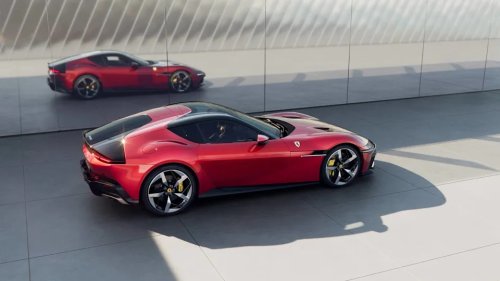
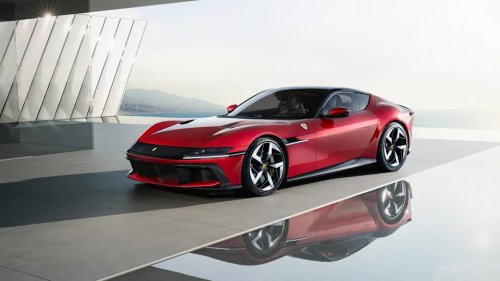
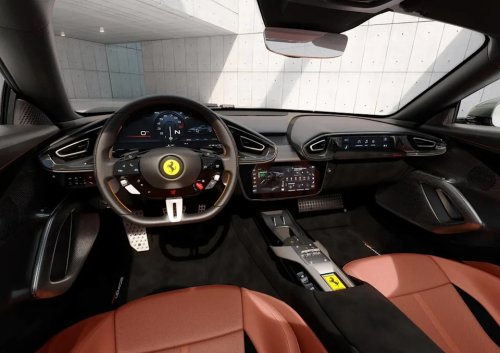
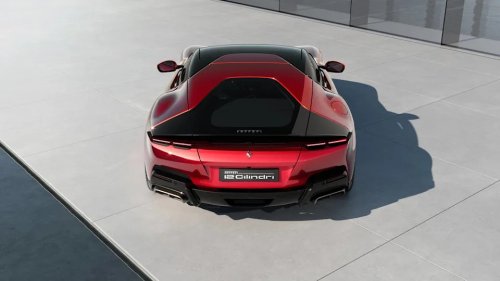
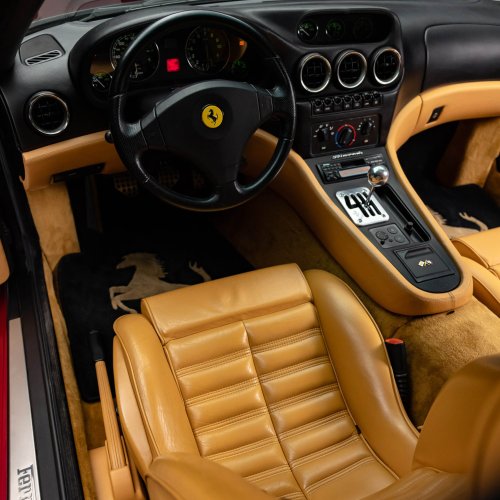
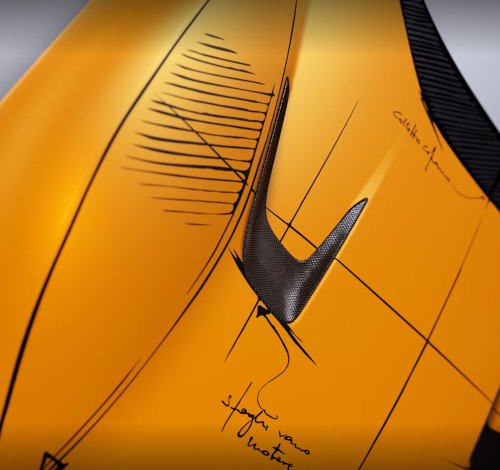
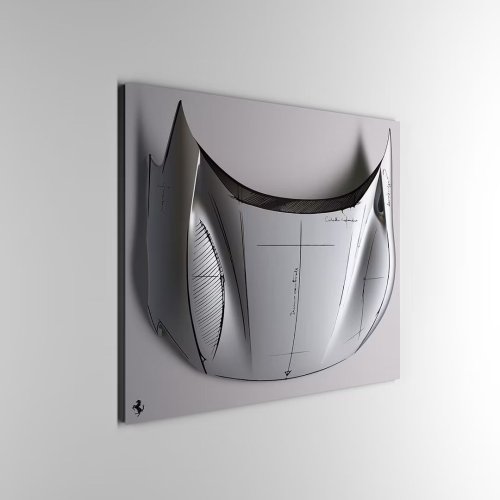
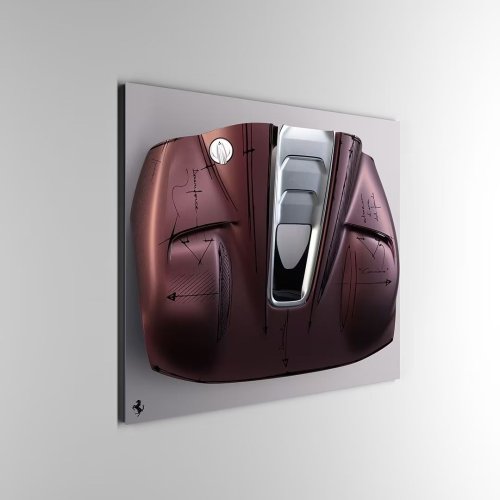
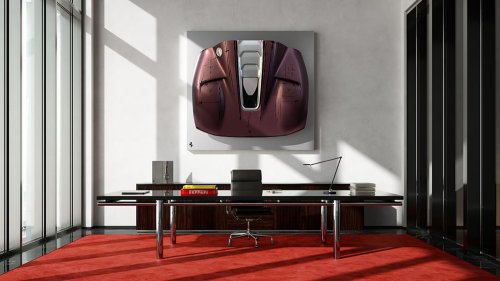
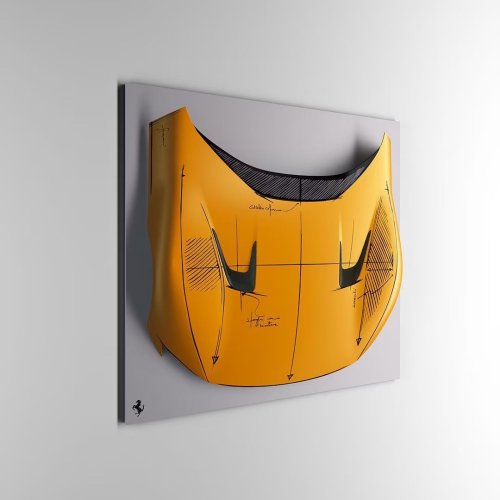
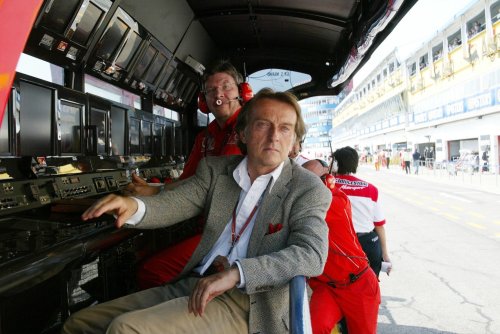
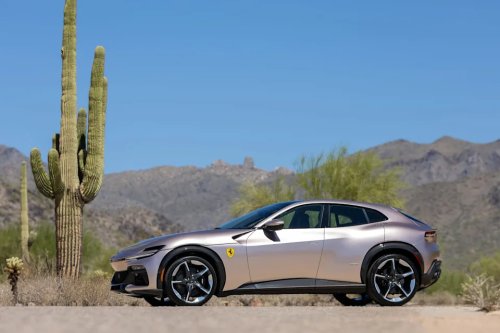
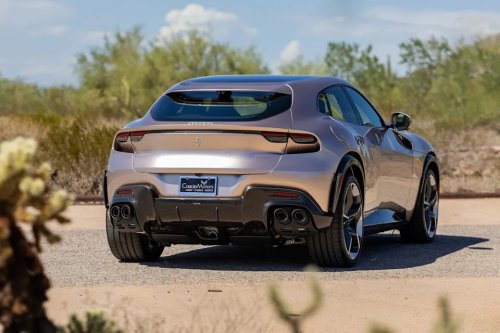
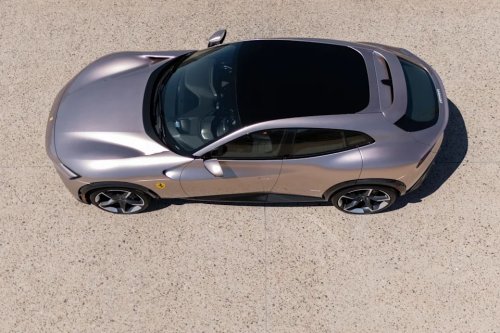
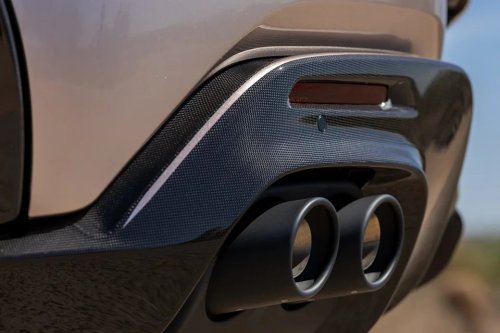
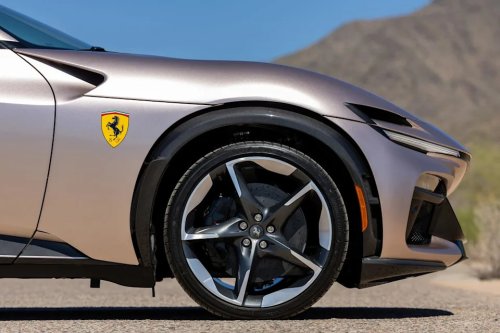
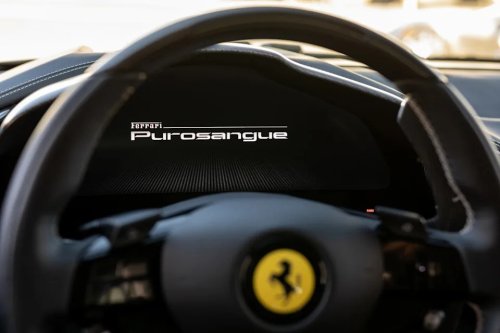
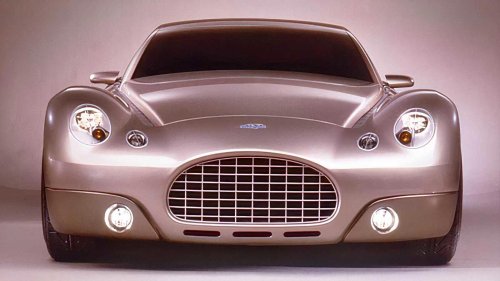
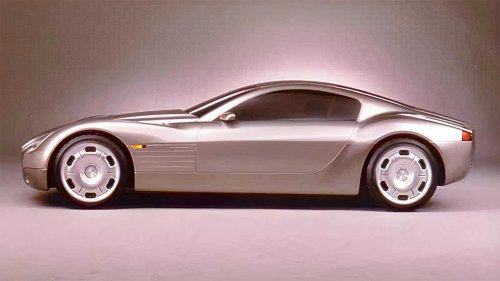
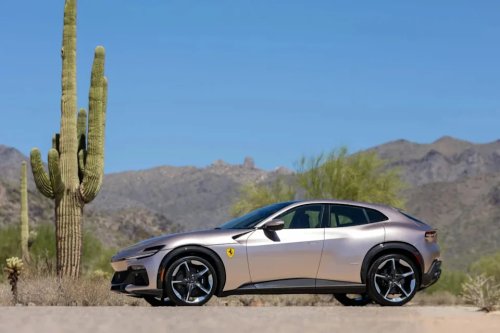
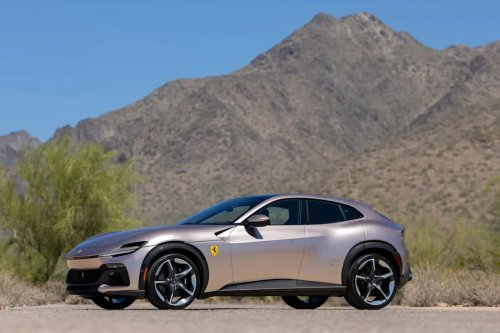
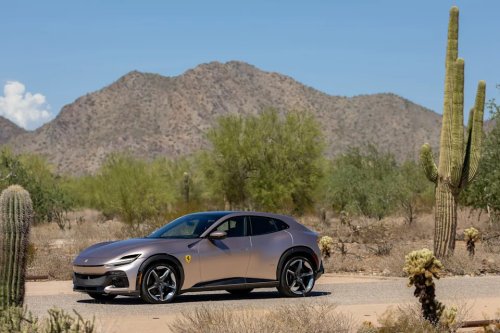
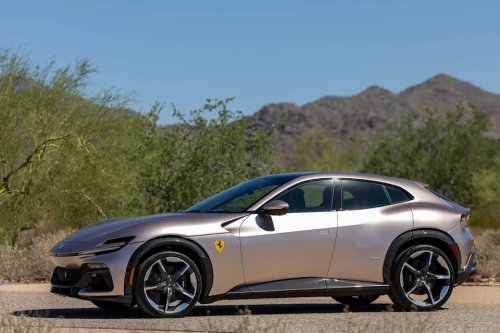
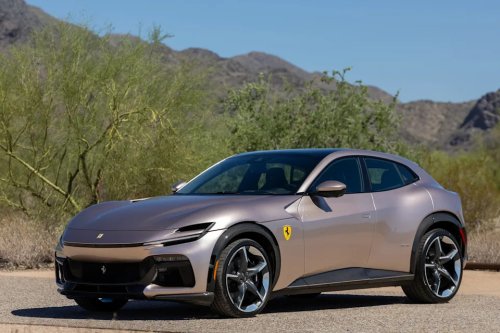
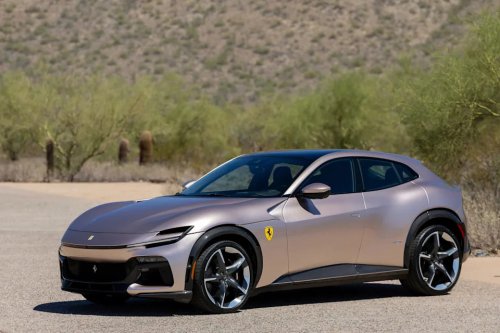
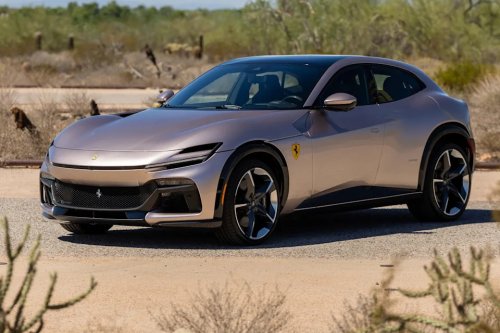
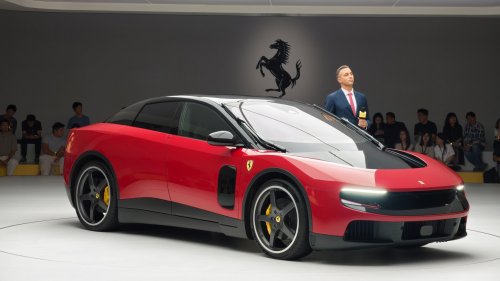
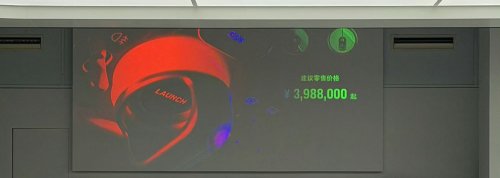
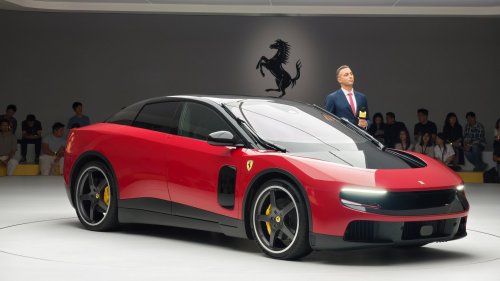
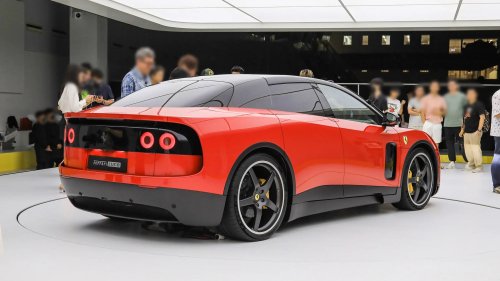
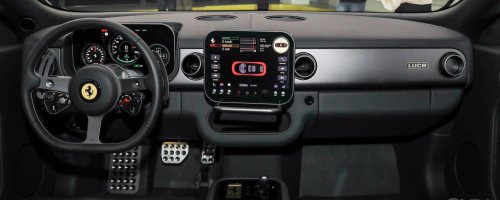
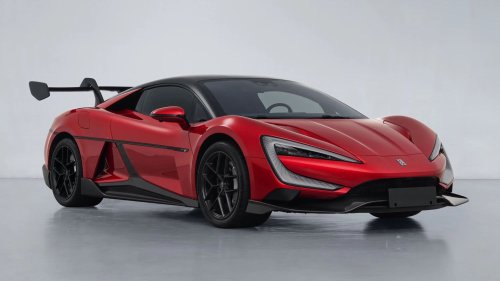
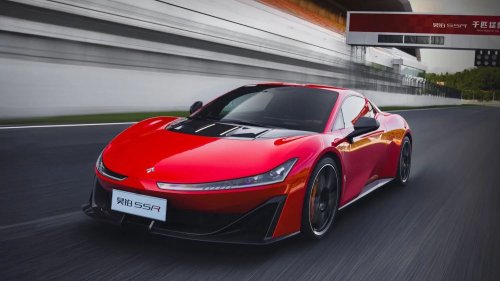
The Ferrari Luce at its launch event in Shanghai. Credit: Speedsters Understand China EV’s Market Real-time notifications when critical EV data is released All important data in one place 2,000,000+ data points Become a member Ferrari unveiled the controversial Luce EV sedan in Rome in late May. Now, it’s been officially launched in China with a retail price of 3,988,000 yuan, or 586,600 USD. The Chinese market is receiving 88 Luce allocations, which have allegedly all been sold out. This comes as the Italian supercar brand faces reduced market share in the world’s largest auto market, coinciding with the emergence of Chinese home-grown supercars like the Yangwang U9. At the same time, ownership costs for luxury ICE cars in China are also rising, though this may not significantly impact Ferrari’s target buyers. Ferrari’s announced pricing of 3,988,000 yuan, or 586,600 USD. Luce’s China pricing includes an unexpected ~7% discount relative to its European price of 550,000 euros (626,000 USD). For comparison, the entry-level Amalfi grand tourer starts at 202,459 GBP (267,000 USD) in the UK, but with higher displacement and luxury taxes, Chinese prices reach 2,598,500 yuan (382,000 USD). Rumours claimed the Luce was a “brand loyalty test,” letting buyers accelerate access to exclusive models by purchasing the EV sedan. Ferrari’s chief marketing officer officially denied this via The Drive, and the statement is expected to apply to the Chinese market as well. The exterior and interior of the Luce. Credit: Yiche Comparing specs For those outside Ferrari’s sphere of influence, the most obvious Chinese EV comparison to the Luce is BYD’s Yangwang U9. This half-price supercar charges faster, accelerates quicker to 100km/h, and delivers 200+ more hp to all four wheels. Beyond the U9, another competitor is GAC’s Hyptec SSR. Its prices start at 1,286,000 yuan (189,200 USD), which equates to three SSRs for the cost of one Luce. The SSR has higher power and acceleration figures, with higher trims capable of the 0-100 km/h sprint in 1.9 seconds. The Yangwang U9 and the Hyptec SSR. Credit: Yangwang & GAC ModelFerrari LuceYangwang U9Hyptec SSR0 -100 km/h (claimed)2.5 seconds2.36 seconds2.3 secondsTotal Power772 kW (1036 hp)960 kW (1287 hp)900 kW (1207 hp)Fast Charging Power350 kW500 kW 160 kW (unofficial)Battery Size122 kWh80 kWh74.7 kWhWeight2260 kg2480 kg1990 kgChinese Pricing586,600 USD264,800 USD189,200 USDCompiled by CarNewsChina. Does the Luce have any Chinese rivals? Unlike the U9 and SSR, the Luce is not a supercar. Ferrari positions it as a 5-seater grand tourer, not a performance machine. Chinese EV GTs like BYD’s Denza Z9 GT offer better specs, but the wide price gap means there’s even less overlap in buyers. It’s highly unlikely that the 88 Chinese buyers cross-shopped any of BYD or GAC’s offerings before pulling the trigger. Status symbols are still in demand in the country, though there has been a gradual shift toward domestic Chinese offerings over the years. The Luce indicates there is a viable niche for catering to China’s ultra-rich, who still seek vehicles that embody wealth and exclusivity. Coverage from Chinese media provides insight into this. Speedsters states that a Luce represents “4 million RMB on wheels,” which instantly signals that the owner belongs to China’s wealthiest 1%. China’s latest cars deliver better specs at lower prices, traits likely to be overlooked by cash-flush buyers seeking engagement and passion. Its automotive industry has also leapfrogged, but it remains to be seen whether its cars can translate engineering prowess into marketable emotion. Source: Ferrari, Speedsters, The Drive


















 +71 others