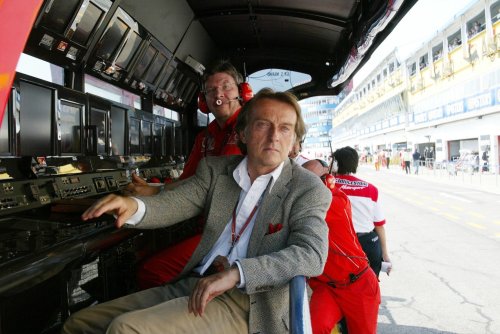
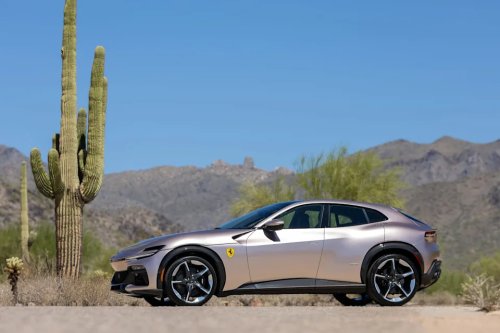
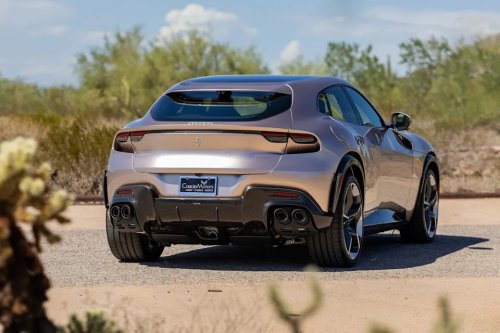
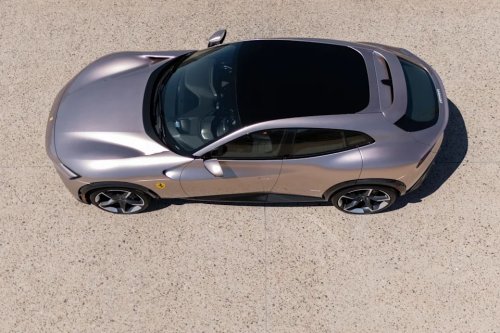
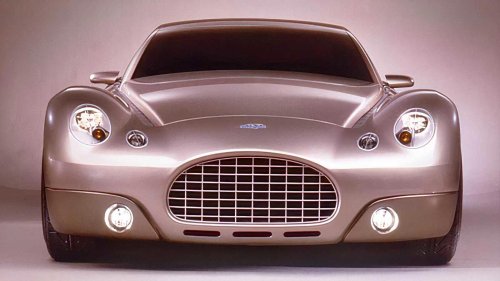
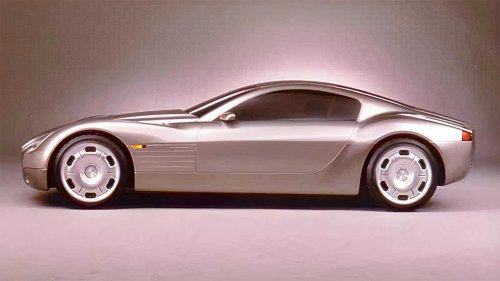
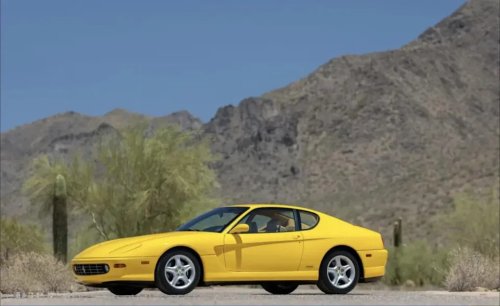
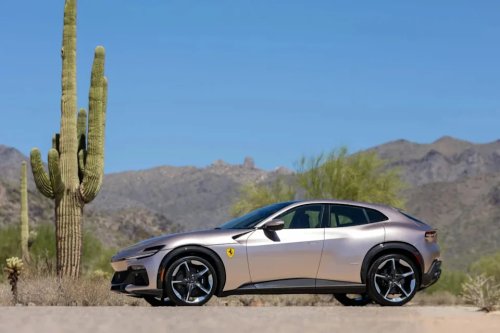
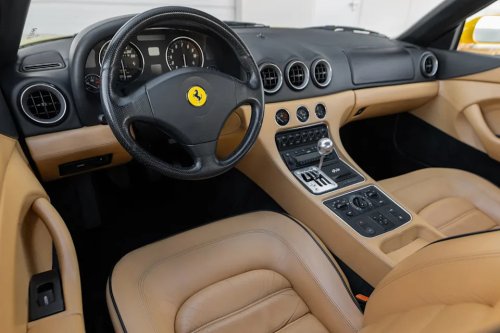
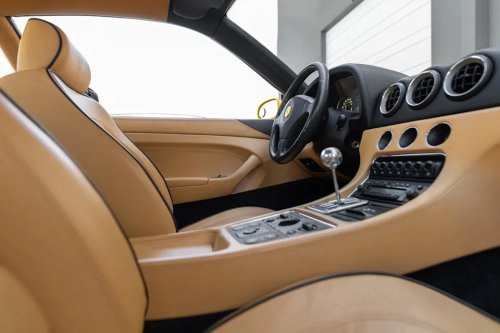
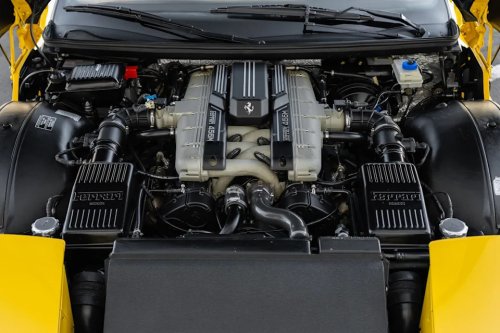
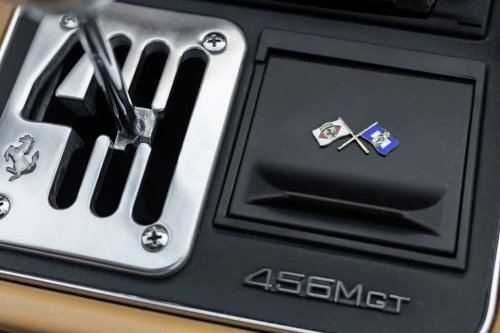
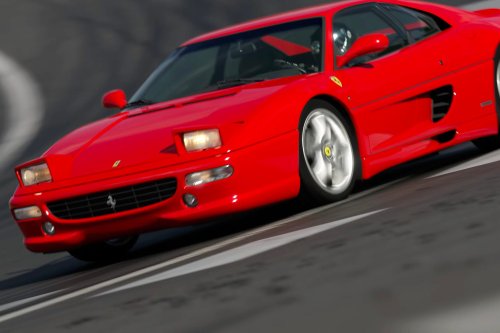
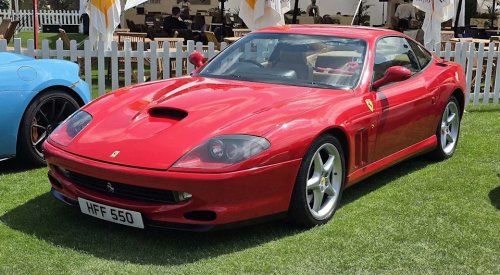
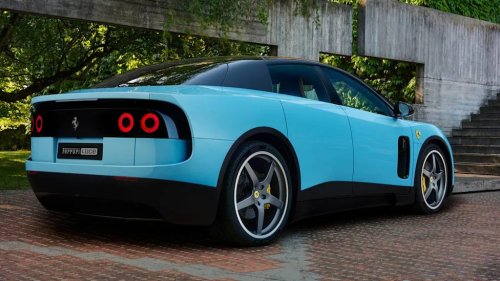
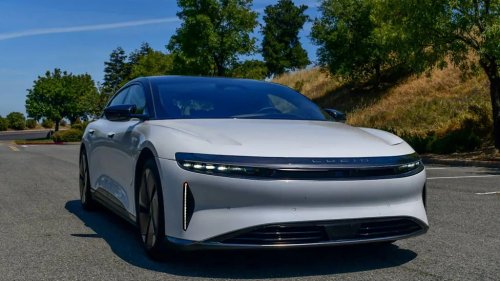
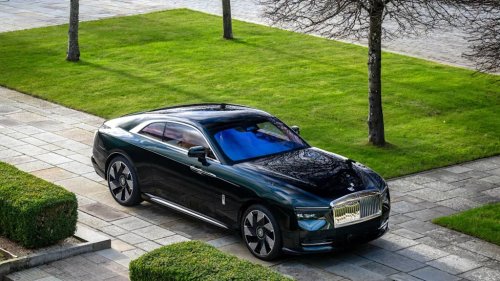
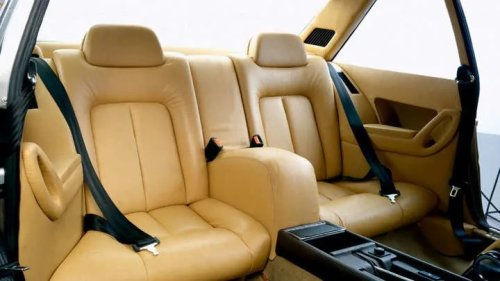
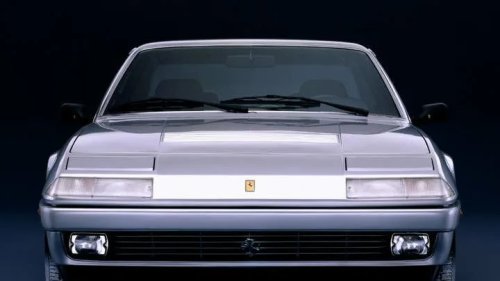
Autoblog and Yahoo may earn commission from links in this article.Three days after Ferrari pulled the covers off the Luce in Rome, the market delivered its verdict. Shares on the Milan exchange closed at 309 EUR the evening before the unveiling; by Wednesday morning they had fallen to 283 EUR, a drop of roughly eight percent that erased billions in market value. A brief recovery attempt the following day briefly pushed the stock back above 290 EUR before fading, and at around 300 EUR as of this writing, Ferrari has recovered most of the ground it lost, even if the prancing horse has yet to return to where it started.Carlo Calenda, an Italian opposition politician who once worked at Ferrari, called the car an aesthetic and technological insult to anyone who loves the brand. Former Ferrari chairman Luca Cordero di Montezemolo publicly questioned the direction, in much sharper terms. The wider mood was captured with a headline noting the internet had compared the $640,000 sedan to a Nissan. The Japanese carmaker briefly joined the conversation, claiming to be flattered by the cynical comparison, posting on Instagram that "They say imitation is the sincerest form of flattery, so thank you Ferrari," before later removing the post.AdvertisementAdvertisementRelated: Former Ferrari Boss Slams Luce EV: "Take The Prancing Horse Off"The consensus, formed almost instantly, was that Ferrari had built a car that wasn't really a Ferrari. It is worth asking what you would buy instead, and whether the people asking that question are the ones Ferrari was building it for.FerrariView the 3 images of this gallery on the original article$640,000 (approx. €550,000). 1,050 hp. A claimed range of around 329 miles, with EPA certification pending. Four doors, five seats, deliveries from October. Among series-production luxury EVs, nothing on the market costs more.The Lucid Wins On PaperThe Lucid Air Sapphire is the obvious first comparison and, on paper, it wins comfortably. It produces 1,234 hp, hits 60 mph in 1.89 seconds, and delivers a 427-mile EPA range. It costs about $250,000, less than 40 percent of the Luce.AdvertisementAdvertisementRelated: Lucid Air Sapphire Beats Corvette ZR1X With 8.99-Second Quarter-Mile RunThis is the comparison most of the internet has made, but it is also the wrong comparison, though not for the reason Ferrari's defenders usually give.The standard response is to wave away Lucid on heritage grounds: five years old, limited showrooms, service network still being built. That is true, and it matters to some buyers. But it flattens the more interesting problem, which is that the Lucid and the Luce are trying to do different things. The Sapphire is an engineering statement. It exists to demonstrate that an American startup can out-engineer Germany and Japan on the metrics that enthusiasts track. The Luce is not competing on those metrics and was never going to.Kristen BrownA buyer choosing the Luce over the Sapphire is not paying an extra $390,000 for a badge. They are paying for a particular experience of ownership, the dealer network, the residuals, the specific social meaning that attaches to Maranello, and concluding that the Lucid, for all its genuine brilliance, does not yet offer those things at any price. Whether that judgment is rational is a separate question. That it describes a real buyer is not seriously in doubt.Against The Rolls-RoyceThe Rolls-Royce Spectre is the closer comparison, and almost no one is making it. Both are electric grand tourers built for clients who measure value in something other than horsepower per dollar. The Spectre seats four, makes 585 hp, offers an EPA-estimated range of up to 329 miles, and starts at $397,750. It is, by every reasonable definition, the Luce's most direct competitor on sale today. And yet it isn't, quite.AdvertisementAdvertisementRelated: Rolls-Royce Just Gave Its First EV More Power, Better Range, and More Ways to Make It Your OwnThe Spectre sells silence as the point. The Luce sells silence as a setting that can be exchanged, instantly, for over a thousand horsepower the moment the driver asks. The Spectre's interior is conservative luxury executed at the highest level. The Luce's interior, designed over five years by Jony Ive and Marc Newson's LoveFrom, rejects the large central touchscreen on the explicit grounds that looking at a screen is the one thing a driver should not be doing.Rolls-Royce SpectreRolls-RoyceTwo cars in adjacent showrooms, then, aimed at people whose priorities barely overlap. After Lamborghini scrapped its all-electric Lanzador project in February, with CEO Stephan Winkelmann revealing that demand was "close to zero," several competitors scaled back their EV ambitions. The Luce ends up without a real competitor at all. The observation is correct. What's been missed is what it implies about who was ever going to buy one.1985In March 1985, Ferrari unveiled the 412 at the Geneva Motor Show. It was a four-seat, front-engined grand tourer with a 4.9-liter V12, the first Ferrari to come with Bosch ABS as standard, seven years after Mercedes had introduced the technology on the S-Class.AdvertisementAdvertisementIn nearly every measurable way, it was a car designed for comfort rather than the track. The reception was not kind.FerrariJeremy Clarkson, then a young motoring journalist at the BBC, described the 412 as "awful in every way." Top Gear later included the related 400 in its book of the eighteen worst cars sold in Britain, bracketed by an Austin Ambassador and a Daihatsu Applause. Critics found the car too comfortable, too heavy, and not sporting enough to be a proper Ferrari.Ferrari kept building it anyway. The wider 365 / 400 / 412 series ran for seventeen years, ending only when the 456 took over in 1992. Total production reached 2,897 cars, one of the longest-running model lineages in Ferrari's history. The 456 that replaced it, now widely remembered as a proper Ferrari, sold 3,256 units across its own life.The 412 is not remembered as a great Ferrari. It is remembered, when it is remembered at all, as a comfortable one: useful, unfashionable, and apparently what a meaningful number of buyers actually wanted. The gap between the car the enthusiasts ridiculed and the car real buyers kept purchasing turned out to be a gap in the enthusiasts' imagination, not in the market. Ferrari had built a car for a buyer the loudest fans didn't recognize. That buyer existed, turned up, and kept turning up for seventeen years.FerrariView the 3 images of this gallery on the original articleAdvertisementAdvertisementThe analogy is imperfect. The 412 cost a fraction of what the Luce costs, operated in a market with fewer alternatives, and carried none of the EV-specific skepticism Ferrari is now navigating. Longevity is not the same as vindication, and seventeen years of sales does not settle whether the car was right. But it does settle something narrower: that Ferrari has built cars its core audience rejected before, found a different audience anyway, and survived the critical consensus without much apparent damage to the brand. The question is whether it can do so at $640,000, in a segment that barely exists, with critics this loud.Related: Ferrari May Send Its $600,000 Luce EV Straight Into A WallThe Buyer Ferrari Already SeesThe Luce isn't competing for the buyer the enthusiast press has been writing for, and Ferrari knows this. It was designed, priced, and positioned for a customer the Spectre nearly serves and the Lucid cannot reach: the kind of buyer who wants a Ferrari to live with rather than one to brag about, and who sees no contradiction in a thousand horsepower delivered in silence.That buyer may be rarer than Ferrari is betting on. The segment is untested, the price is extraordinary, and the critical noise is louder than anything the 412 faced. All of that is fair. Ferrari's CEO has since said the Luce is already drawing orders from both existing and new customers, which proves nothing yet, but is the kind of detail that tends to age better than the first week's headlines.AdvertisementAdvertisementRelated: Ferrari Says Luce Buyers Are Already Sending Money Despite The BacklashBut the critics calling this a betrayal of the brand are describing their Ferrari, not the one Ferrari has always been willing to build when the numbers justified it. Ferrari has built that car before. They were criticized for it then, too.The difference is that this time, we'll find out within a single product cycle whether the buyer they're seeing actually exists.FerrariThis story was originally published by Autoblog on Jun 7, 2026, where it first appeared in the Features section. Add Autoblog as a Preferred Source by clicking here.



















 +24 others