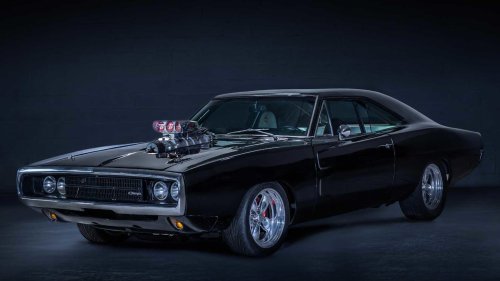
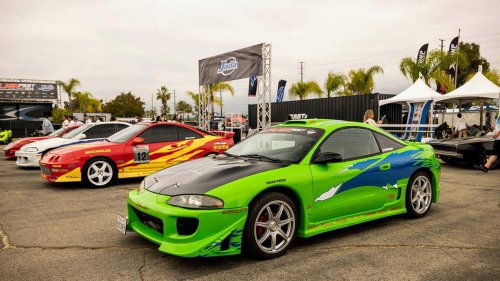
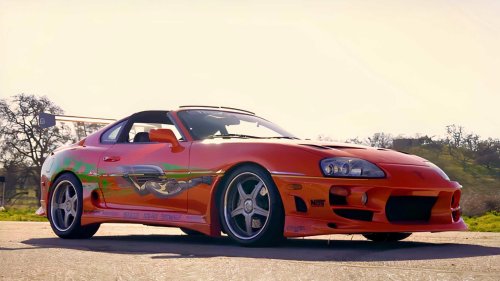
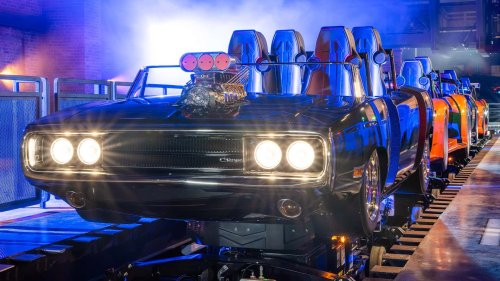
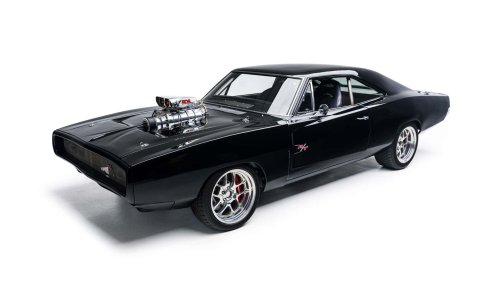
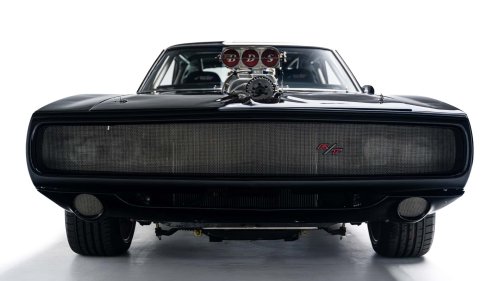
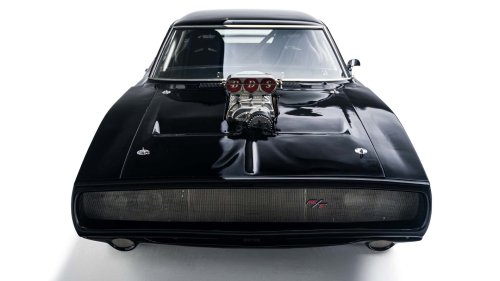
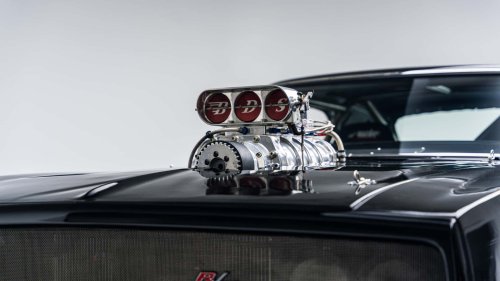
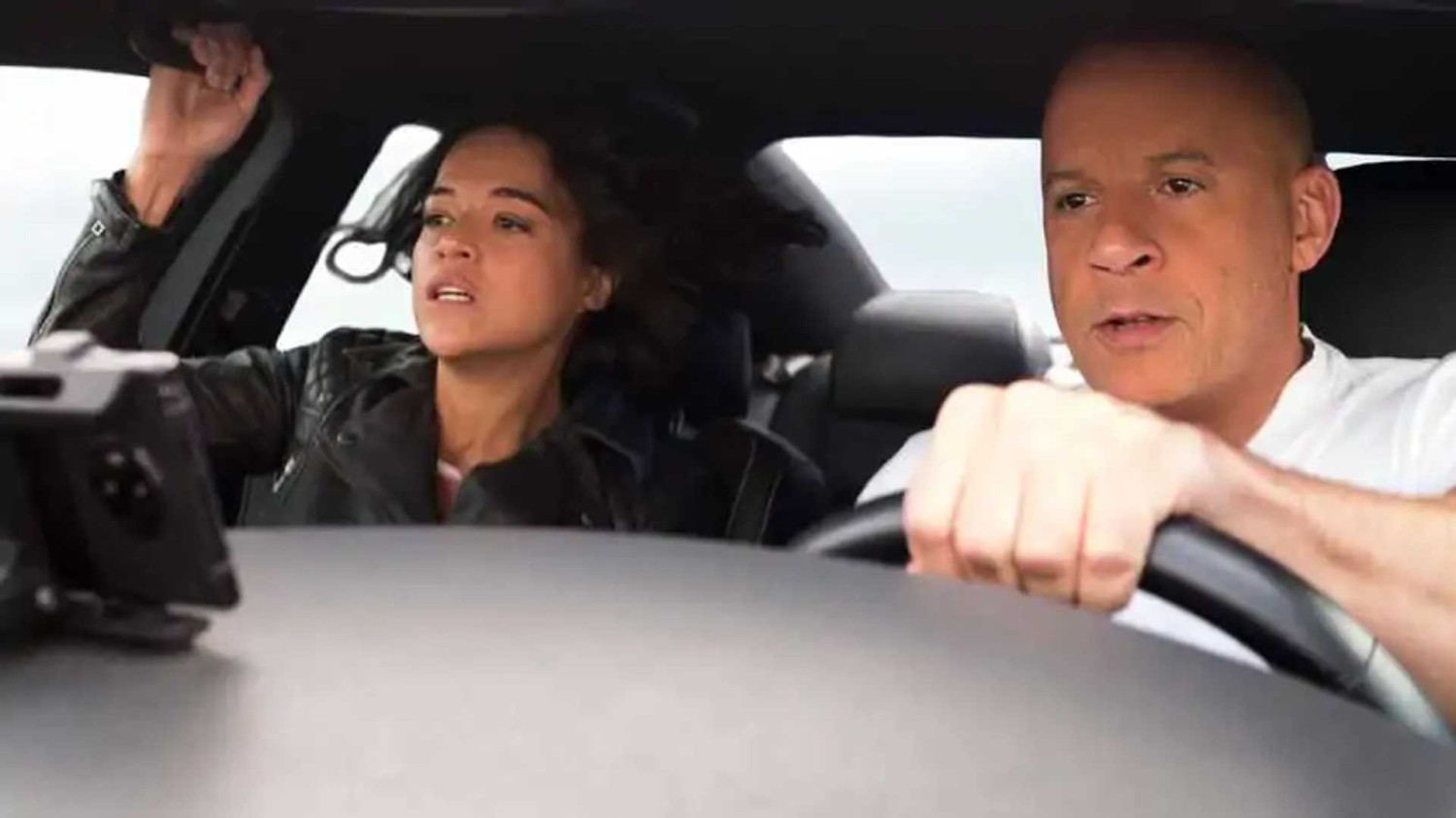
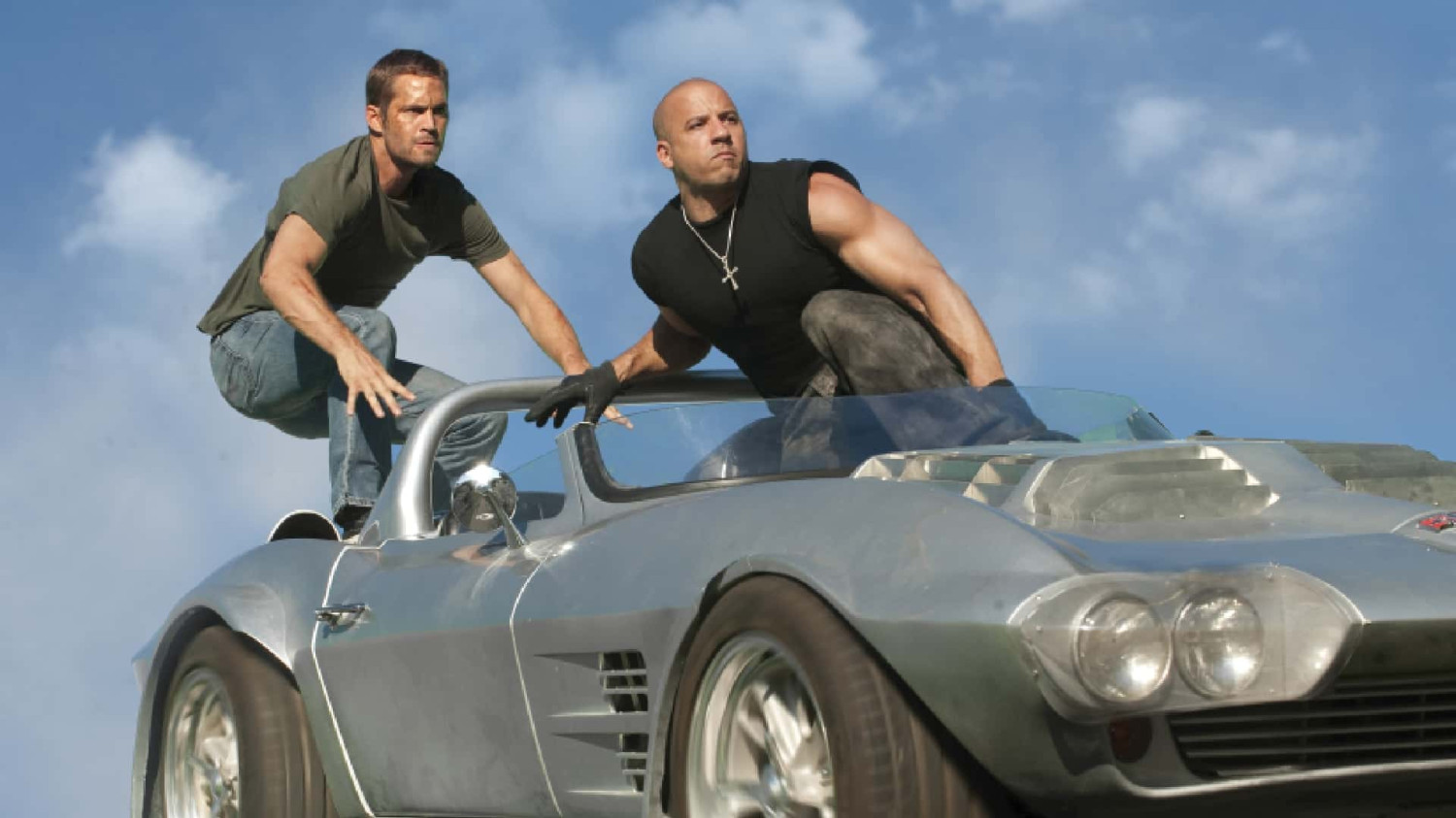
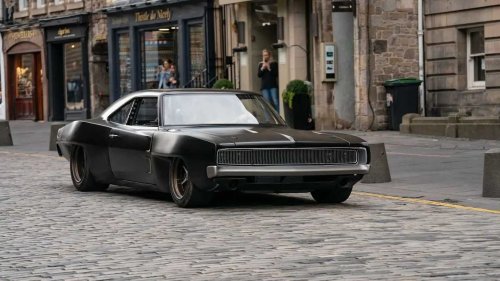
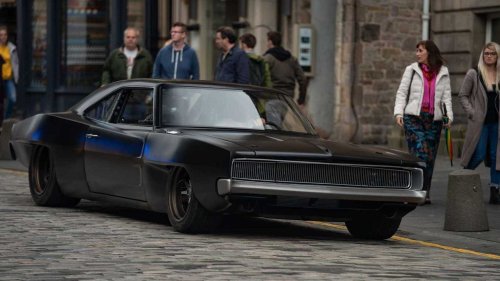
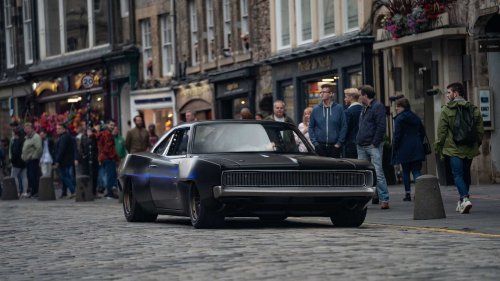
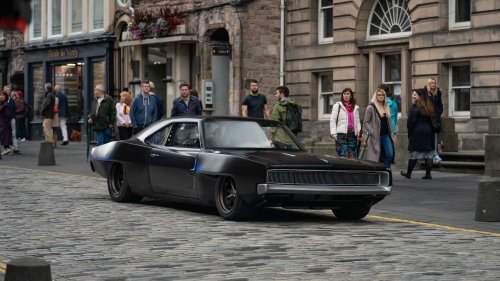
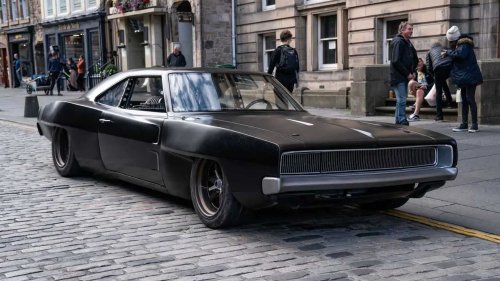
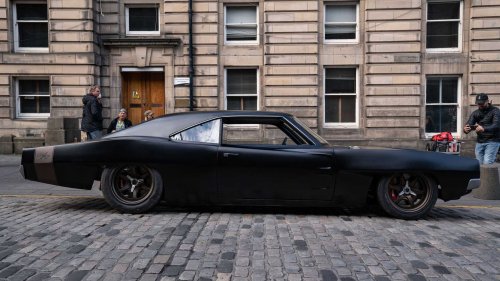
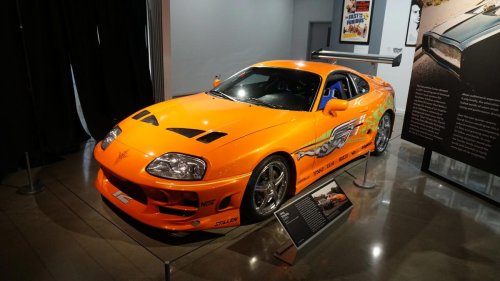
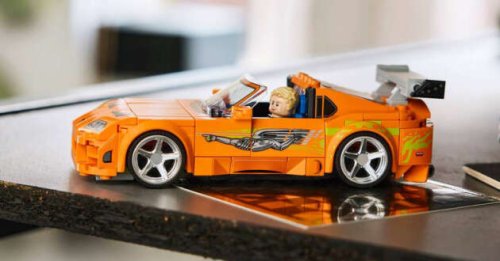
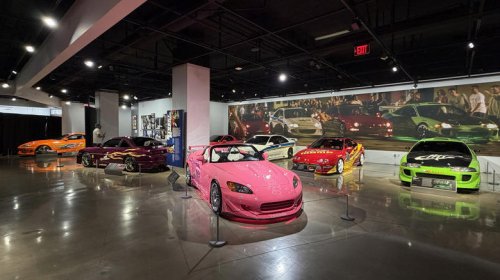
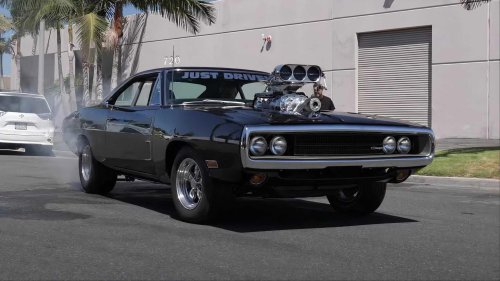
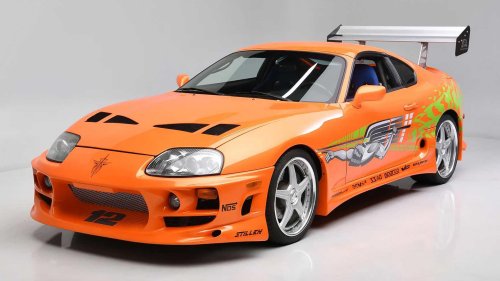
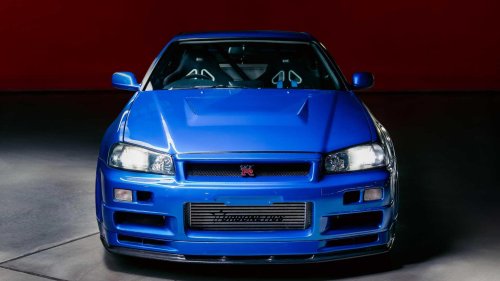
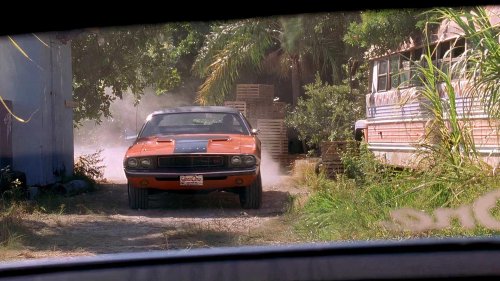
Vin Diesel confirmed this week that a Fast & Furious spin-off series is heading to Peacock, promising to bring his 'family' to streaming in what he described as multiple planned shows. The casting conversation will come later. For now, the only question that matters to franchise loyalists is a simpler one: which cars show up?The Fast and Furious franchise didn't become a cultural institution on the strength of its screenwriting. It became one because of a handful of specific machines that burned themselves into a generation of enthusiasts, cars that drove real-world demand, reshaped used-car markets, and turned casual viewers into lifelong gearheads. Any Peacock series that wants to earn credibility with that audience needs to put the right metal on screen.“For the last decade, we have realized that the fans have wanted more,” - Vin Diesel Dom's 1970 Dodge Charger Is the Franchise's North Star Just Driven (YouTube)No single car is more inseparable from Fast & Furious than the black 1970 Dodge Charger R/T that Dominic Toretto drove, crashed, rebuilt, and driven again across more than two decades of films. It debuted in the original 2001 movie as a barely-contained monster — a 900-horsepower, nitrous-fed street racer with wheelie-bar stance and a reputation for killing its drivers. That mythology stuck.The real-world effect was measurable. Restored and resto-modded 1969–1970 Chargers saw sustained collector interest through the 2000s and 2010s that tracks almost directly with the franchise's theatrical run. A credible Peacock series without that car — or at least a direct visual callback to it — would feel like a James Bond film without an Aston Martin. It's not just a prop; it's the show's visual signature. Brian's Orange Supra MK IV Launched a Thousand Tuner Builds Barret-JacksonThe 1994 Toyota Supra that Brian O'Conner assembled from a wrecked shell in the original film did something remarkable: it made a Japanese sports car the aspirational centerpiece of American street-racing culture at a time when the JDM scene was still largely underground. The twin-turbocharged 2JZ engine underneath that vented hood became the most-discussed powerplant in tuner forums for years afterward.Supra prices tell the story plainly. Clean MK IV examples that traded for under $20,000 in the late 1990s now regularly clear six figures at auction, with well-documented builds pushing higher. The franchise didn't create the Supra's engineering reputation, Toyota did that, but it absolutely created its pop-culture one. With Paul Walker's legacy still woven into the franchise's emotional fabric, the Supra carries weight beyond horsepower numbers. Any continuation that ignores it risks feeling like it's pretending a large chapter of the story didn't happen. The R34 Nissan Skyline GT-R Represents the Franchise's JDM Soul BonhamsWhen Brian O'Conner drove a Bayside Blue R34 Skyline GT-R in 2 Fast 2 Furious, the car was still technically illegal to import into the United States under federal 25-year import rules. That tension, the forbidden car you couldn't have, became part of its mystique. The R34 GT-R (powered by the RB26DETT inline-six with all-wheel drive and Nissan's ATTESA E-TS torque-split system) was already a legend on Japanese circuits and in Gran Turismo lobbies. The franchise put it in front of mainstream audiences and made it a cultural shorthand for serious performance.The timing now is notable: R34 GT-Rs have been federally importable since 2024 under the 25-year rule, and the U.S. market has responded with significant demand and prices to match. A Peacock series has the opportunity to feature the car legally and visibly at exactly the moment American enthusiasts can finally own one. That's not a coincidence worth wasting. The Wider Garage: Challenger, Ford GT, and What Comes Next Universal PicturesBeyond the three cornerstone cars, the franchise built its visual language around variety with muscle cars alongside imports, and exotics alongside builds. The Dodge Challenger has appeared in multiple films as a domestic counterweight to the JDM hardware, and with Dodge's muscle-car era now officially closed, a streaming series could serve as a fitting tribute to that lineage. Similarly, the Ford GT40-inspired GT that appeared in later entries signaled the franchise's ambition to stretch beyond street racing into something grander.The Peacock series doesn't need to recreate every car from every film. What it needs is at least one machine from each of the franchise's core identities: American muscle, Japanese tuner culture, and European performance. Get those three pillars right, and the cars will do the storytelling work they've always done.Vin Diesel's announcement is early, and production details remain sparse. But for the enthusiast audience that made this franchise what it is, the casting news can wait. The garage lineup cannot.Source: Variety



















 +18 others