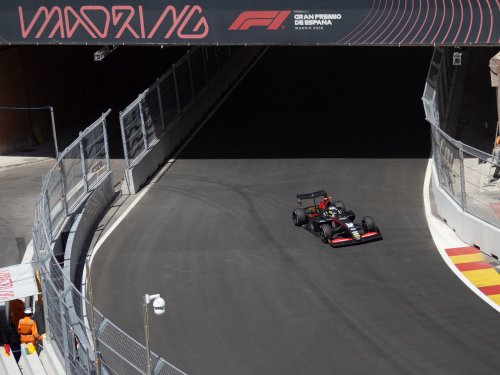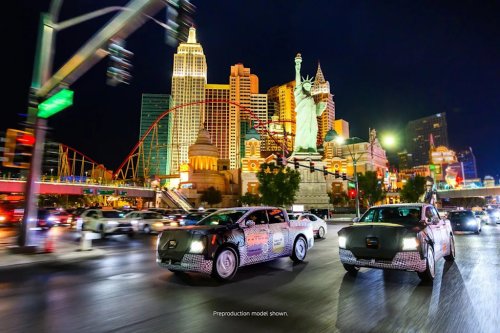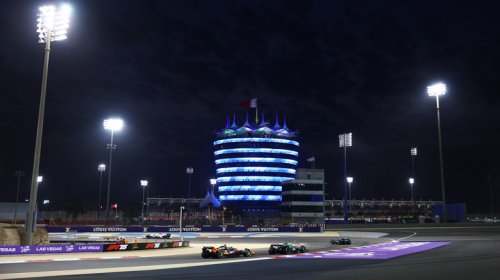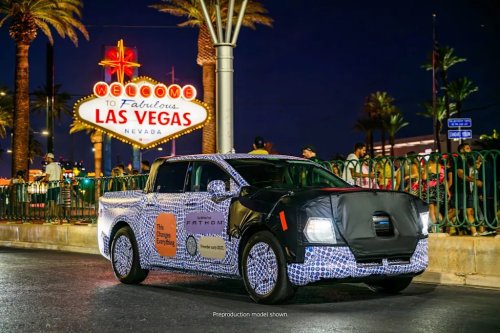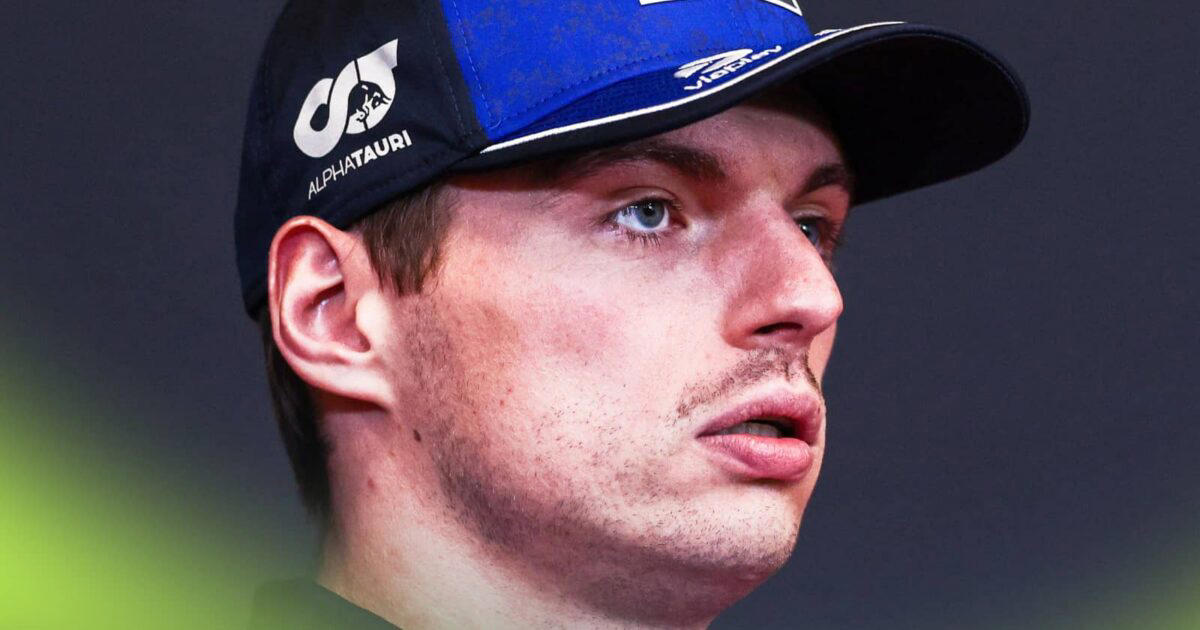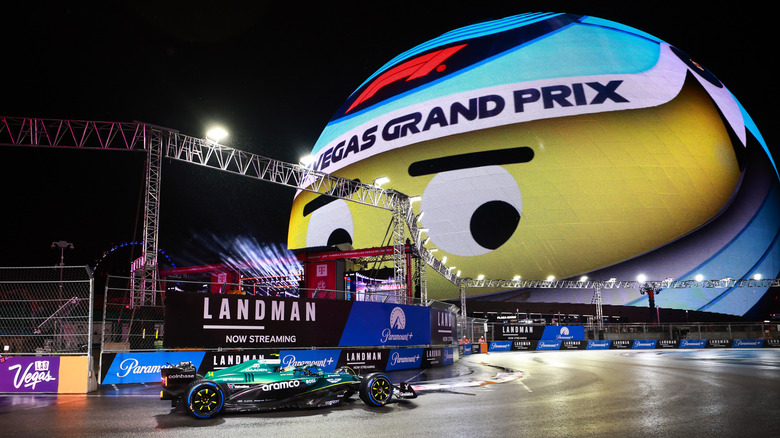
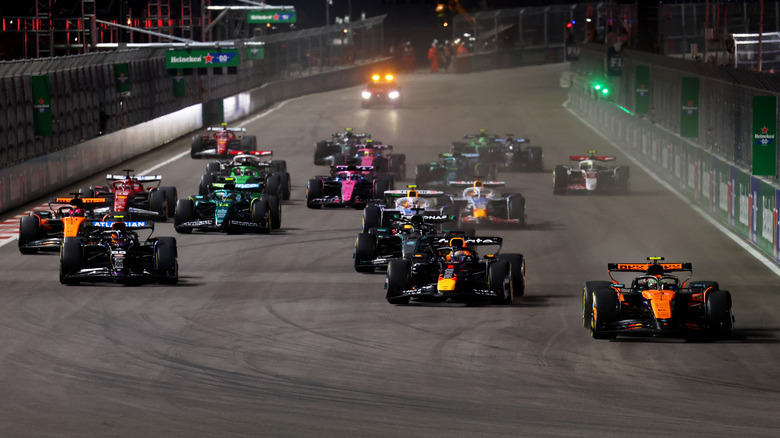

















Hector Vivas/Getty Images After a bumpy start at the first Las Vegas Grand Prix, Formula 1's dream event in the Nevada desert has quickly become one of the few marquee rounds of the modern championship calendar that doesn't produce a boring on-track product. And thankfully, the race in the casino oasis will be around for the foreseeable future. F1 announced a ten-year contract extension for the Las Vegas Grand Prix on Thursday. The F1 cars will continue to race down the Strip through 2037. It was clear from the beginning that F1 Management was all-in for a Vegas race. The championship spent $500 million on the land acquisition and construction of its pit building for the event. It is still rare for the championship itself to be heavily invested in organizing an individual event, but F1's executives envisioned how lucrative having a permanent presence just off the Strip could be. Casinos were paying millions to sponsor the Las Vegas Grand Prix, and fans forked over at least $1,000 for a grandstand seat to the inaugural race in 2023. On the extension, F1 President and CEO Stefano Domenicali said in a statement: "We are thrilled that Formula 1 will continue racing in Las Vegas for many years to come. Since its debut in 2023, the event has been extraordinary, rapidly establishing itself as a premier destination for great racing, world-class entertainment, global business leaders, A-list celebrities and influencers." Vegas is the best of a bad bunch of new F1 events Mark Thompson/Getty Images The Las Vegas Grand Prix has already produced some memorable moments in its brief history. In the first-ever practice session, a water valve cover came loose and punched a hole in the floor of Carlos Sainz's Ferrari. The incident then escalated into a full-scale debacle when the second practice session was delayed until 2:30 am local time while all the covers were welded down and inspected. The late-night session was held behind closed doors because event security was done for the day. Despite those teething pains, the race on the Strip did live up to the hype. Max Verstappen won the inaugural race, fighting his way through the field after a five-second penalty. In contrast to F1's other new street circuits in Saudi Arabia and Spain, Las Vegas' track design is pretty simplistic. It works in the race's favor as the long straights leading into tight corners create excellent passing opportunities. Unless the performance differences between the cars are massive, it's difficult to have a bad race in Vegas. Paired with the curveball that cold desert nights bring, there are several reasons to be excited every year when the Vegas race comes around on the calendar.