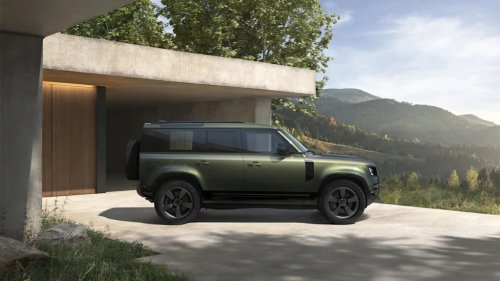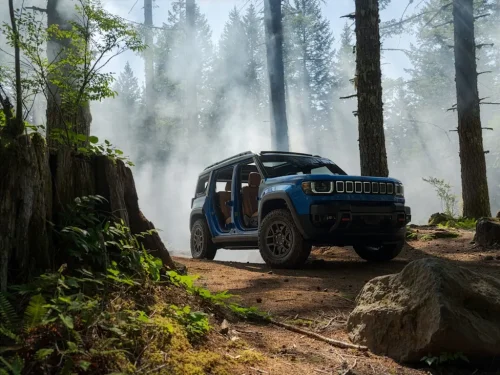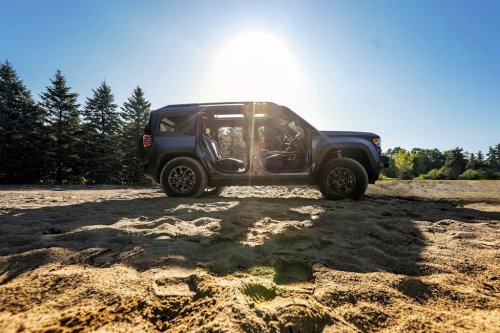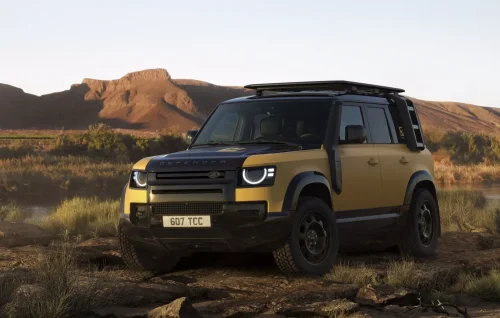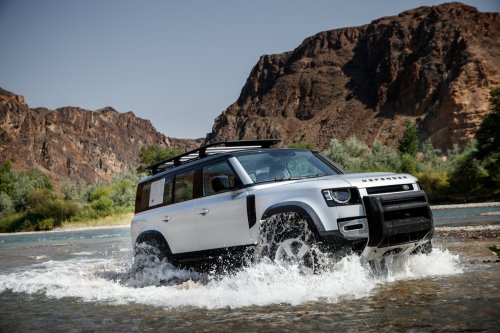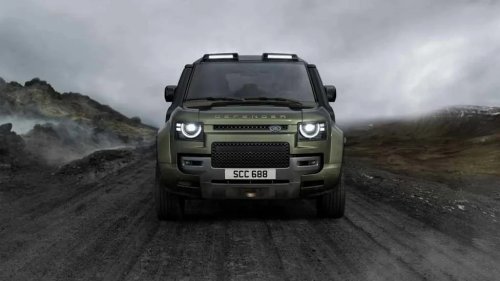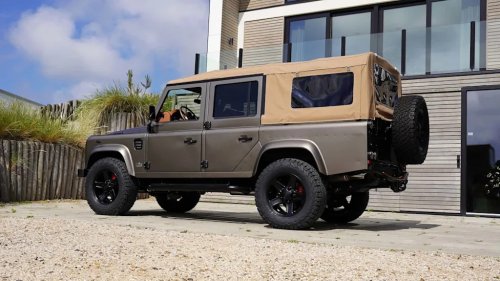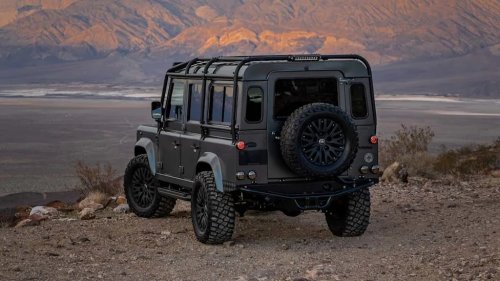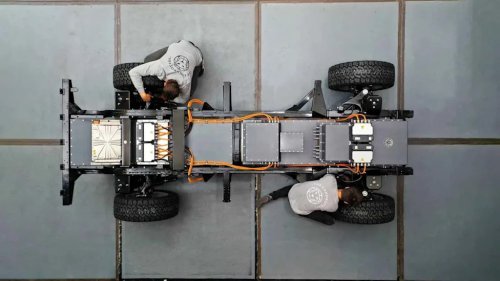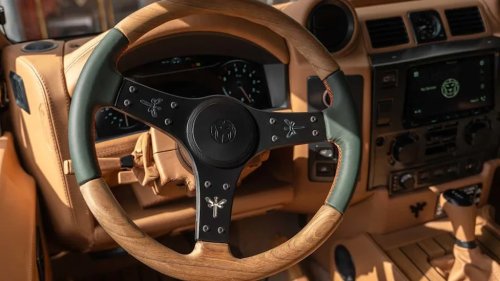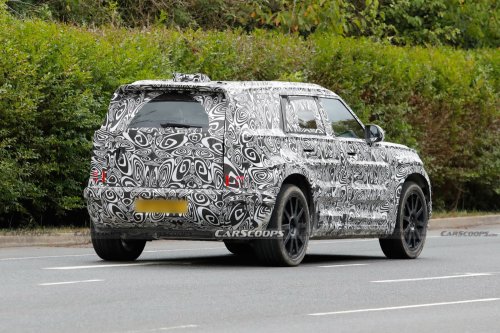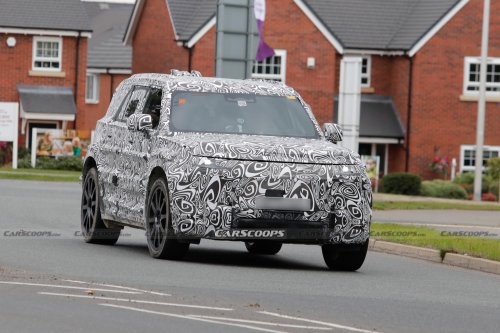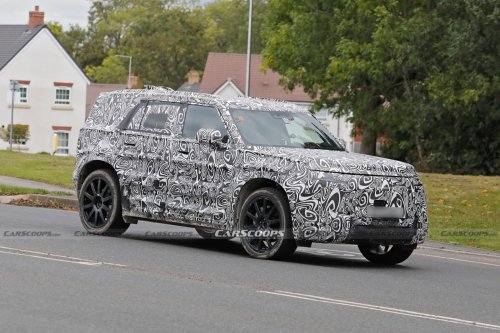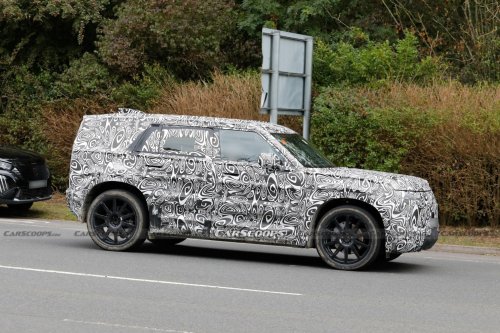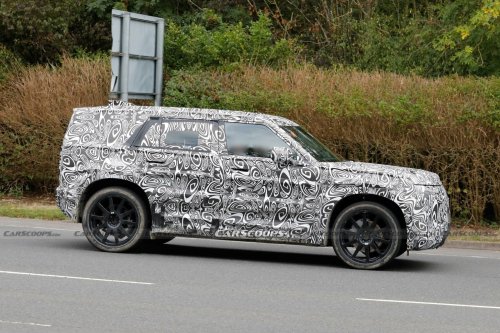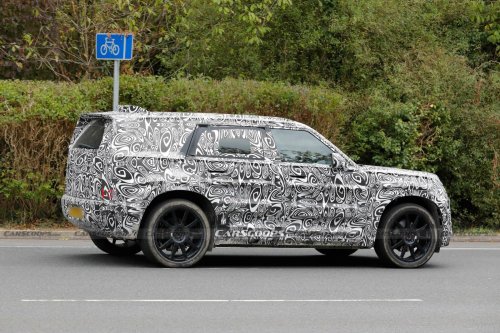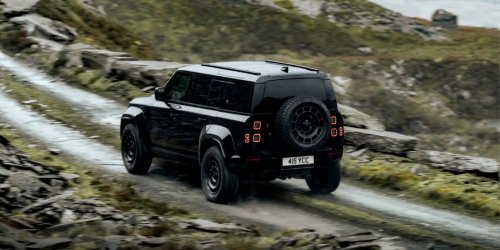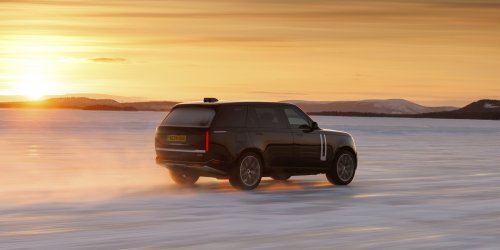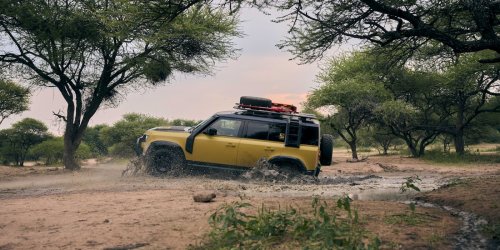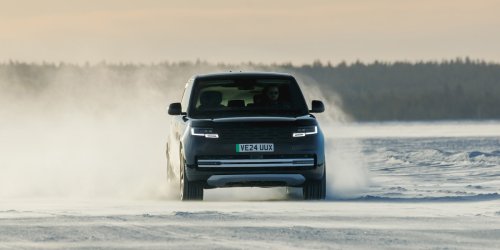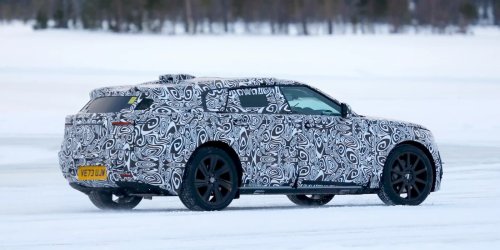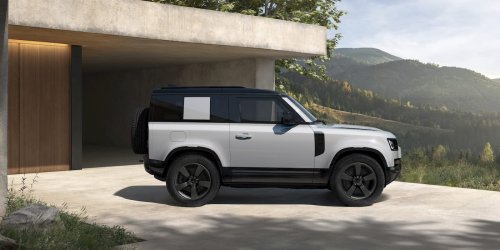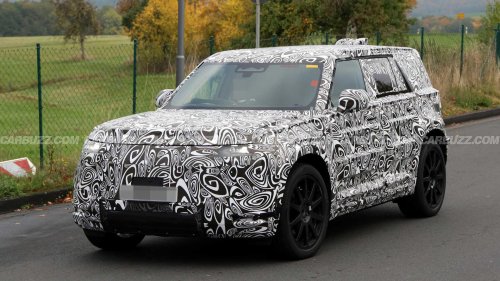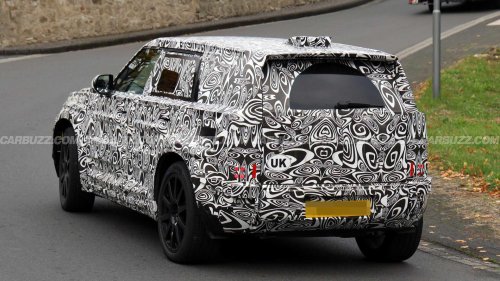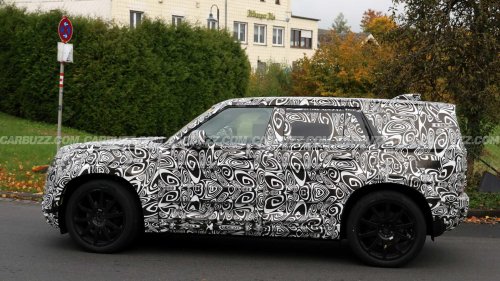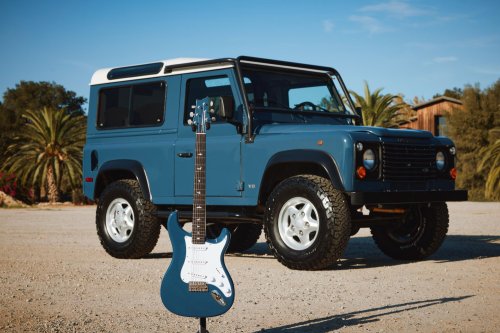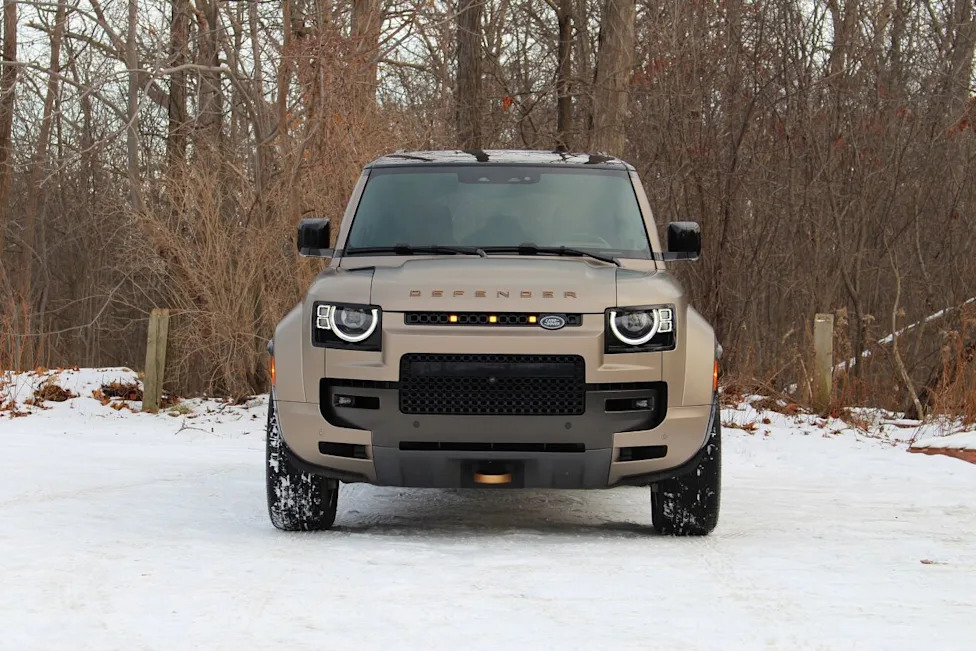
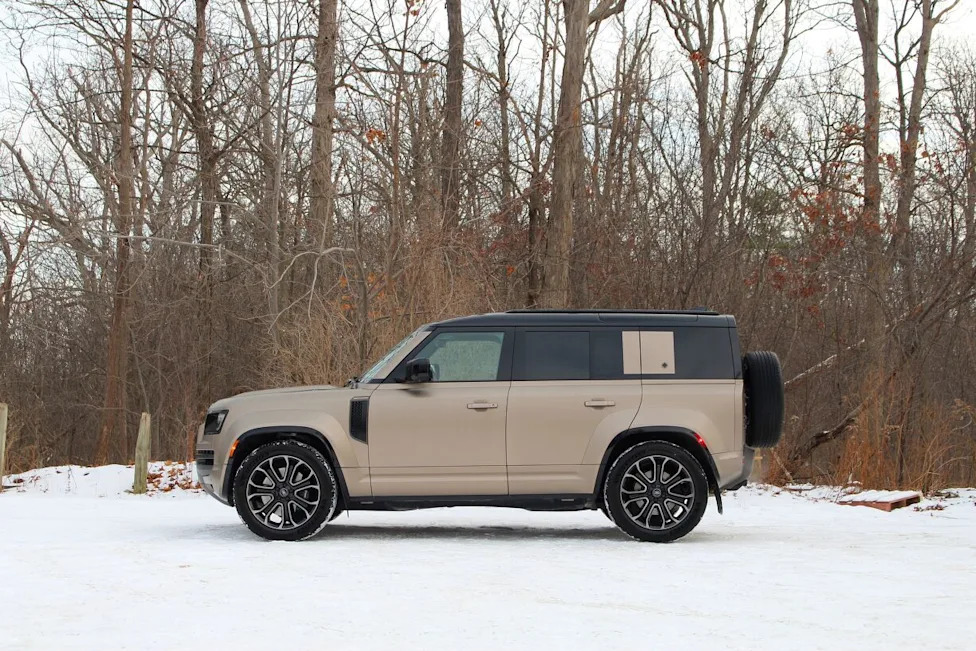
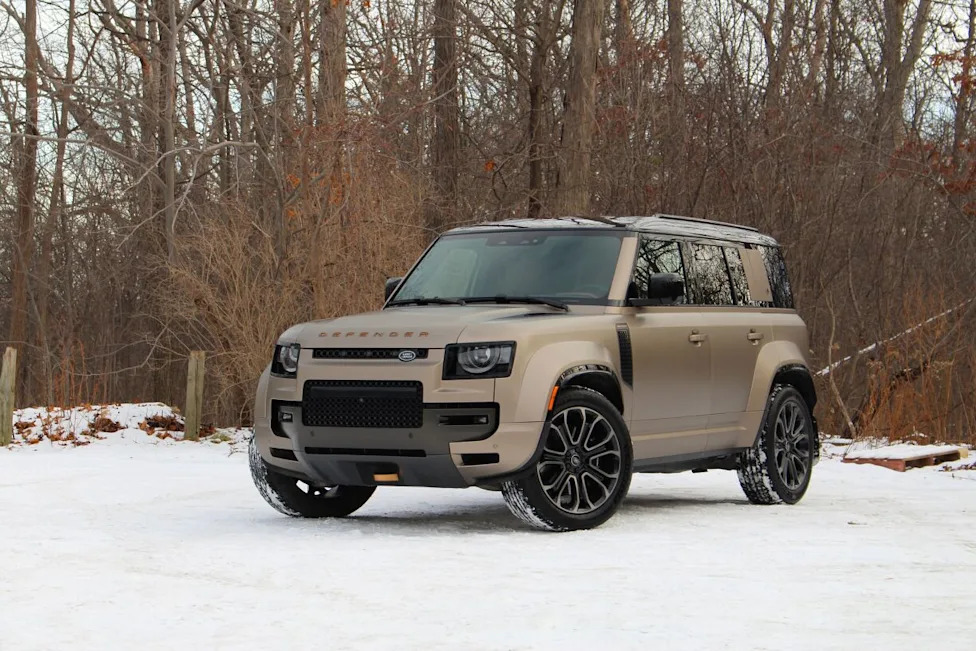



















The next-generation Land Rover Defender and its planned electric variant have been pushed back by roughly two years, according to a report from The Times.electric defender slips back to the 2030people keep buying combustionThe all-electric model is now not expected until the 2030s, and the delay leaves the smaller baby Defender untouched, keeping that vehicle on its original timeline.At the center of the decision is the current Defender's commercial strength. Roughly 110,000 examples are sold each year, accounting for about a third of Jaguar Land Rover's total volumes. Company staff have reportedly been told that the two-year delay is a consequence of the current model's success. Launched in 2019, the SUV remains relatively fresh in the lineup, and JLR appears content to let it run rather than rush a replacement to market.AdvertisementAdvertisementThe financial backdrop reinforces that call. JLR boss PB Balaji is under pressure to cut costs, an imperative sharpened by the Trump administration's tariffs. The current Defender is assembled in Slovakia and therefore subject to a 15 percent tariff when imported into the United States, a burden that complicates the economics of an already expensive next-generation program.electric defender slips back to the 2030people keep buying combustionA replacement is unavoidable if JLR wants to offer the Defender as an EV. The company has previously stated that the existing model's architecture cannot support an all-electric version, so a new platform would be required to build one. That constraint is a key reason the electric Defender is a longer-term project rather than a near-term addition. With the delay now confirmed by The Times, no specific launch date has been set beyond the 2030s window.While the flagship Defender waits, the baby Defender continues to move forward, though its powertrain strategy has shifted. Built on JLR's EMA platform, the compact SUV was initially set to be sold exclusively as an EV. It was recently revealed that the vehicle's architecture is being modified to accommodate hybrid powertrains as well. Details on the hybrid remain limited, but it will not be a plug-in hybrid, instead using a more conventional setup.electric defender slips back to the 2030people keep buying combustionThat change reflects broader movement in consumer demand. In some markets, buyers have shifted away from EVs and toward hybrids, prompting automakers to hedge their electrification bets. JLR's decision to open the baby Defender to a traditional hybrid follows that trend and gives the model a wider addressable market than an EV-only approach would have allowed.AdvertisementAdvertisementThe combined picture is one of caution at the top of the range and flexibility below it. The current Defender's volume and the tariff exposure on its Slovakian production give JLR little incentive to accelerate an all-new, EV-capable flagship while the existing model is still selling in six figures annually. The baby Defender, meanwhile, remains the nearer-term arrival, now positioned to serve both electric and hybrid buyers as it reaches showrooms on schedule.Become an AutoGuide insider. Get the latest from the automotive world first by subscribing to our newsletterhere.