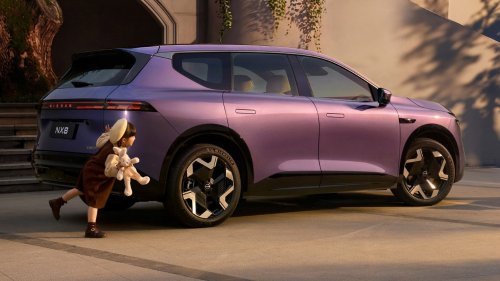
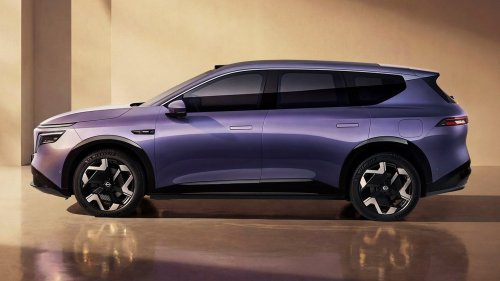
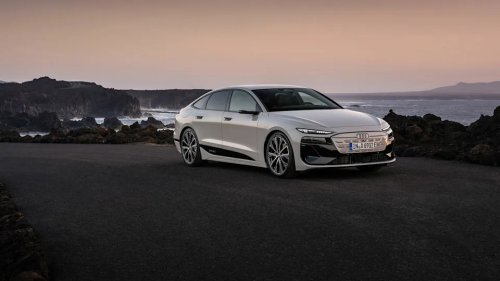
Photo Credit: YouTubeReal-world electric vehicle tests can reveal much more than a glossy spec sheet. In Norway, a highway run by content creator Bjorn Nyland (@bjornnyland) put the 646-horsepower Zeekr 7GT to the test, and the sleek performance EV turned in better efficiency than its larger sibling, the 7X.What happened?After being charged to 100%, the Zeekr 7GT was put through a real-world range and efficiency test in Norway by Nyland. In the YouTube video, the presenter noted that the car has the same 100-kilowatt-hour battery as the Zeekr 7X, weighs about 5,335 pounds (2,420 kilograms), and produces 646 horsepower.AdvertisementAdvertisementCompared with the 7X, the 7GT came out ahead on efficiency in the highway portion of the test. In 66.2-degree-Fahrenheit (19-degree-Celsius) weather at 74.6 miles per hour (120 kilometers per hour), the trip computer showed 360.5 watt-hours per mile (224 watt-hours per kilometer). Because the distance reading appeared to be off by about 1%, the tester estimated the corrected result at roughly 357.3 Wh/mile (222 Wh/km).Not every takeaway was positive. The reviewer criticized the software and the steady stream of alerts, saying that "the car in general has lots of bingo chimes and whatever going on." People in the comments voiced similar complaints about the alert system. AdvertisementAdvertisement"The amount of bing bongs and pinging was really off putting, stressful and I would even say dangerous," a user, who said they test-drove it, wrote.Why does it matter?Efficiency shapes everyday EV ownership. A more efficient vehicle can stretch each charge farther, cutting charging time on road trips while lowering electricity costs over time.That is especially important in high-performance models, where extra power often comes with an energy tradeoff. The Zeekr 7GT's test suggests drivers may be able to get sports-sedan performance without giving up as much range as they might expect.EVs can already offer savings through lower fuel costs and reduced routine maintenance, since they generally do not require oil changes and often put less wear on brakes. AdvertisementAdvertisementResults like this can help shoppers compare how a vehicle performs in everyday driving rather than relying solely on lab-tested figures. What's being done?Performance EVs continue improving their balance of speed, range, and practicality. For Zeekr, that definitely has the potential to generate some fans if they can address what one commenter called "alarm fatigue.""It's not just a European thing," they wrote. "It causes people to become desensitized and start tuning them out, ignoring, or responding more slowly, even to alerts that matter."Despite that, drivers can be heartened that EV offerings continue to improve in efficiency, even if some kinks still need to be worked out with the high-tech features.AdvertisementAdvertisementGet TCD's free newsletters for easy tips, smart advice, and a chance to earn $5,000 toward home upgrades. To see more stories like this one, change your Google preferences here.




















 +22 others