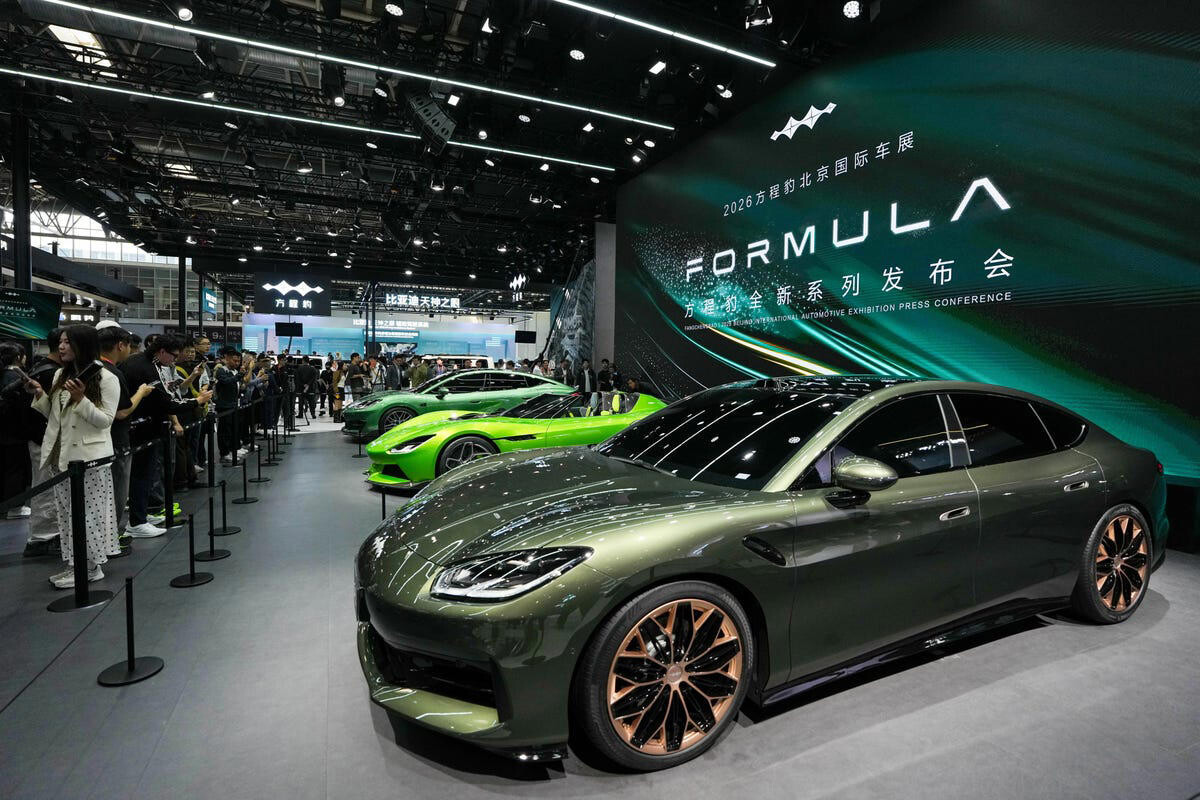
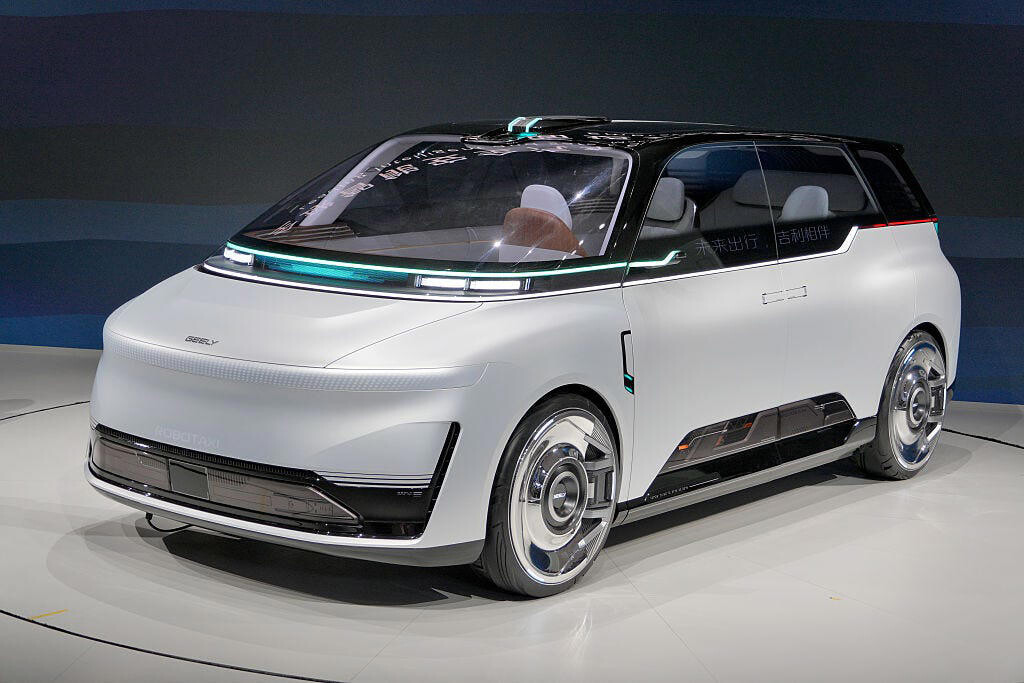
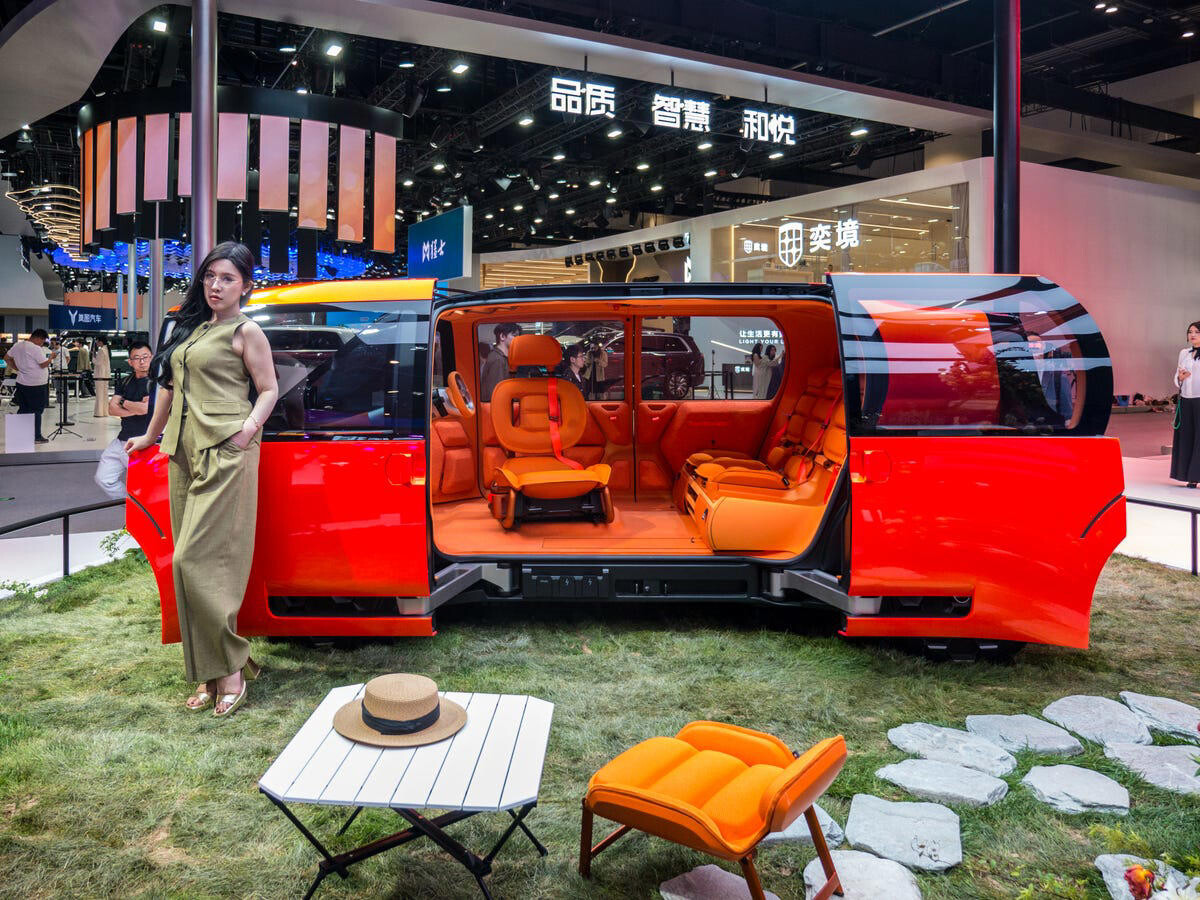
After the initial success of China’s electric vehicle (EV) makers in capturing share in the high-end market that was once dominated by BMW and Mercedes-Benz, analysts expect sales of premium models to slow down next year, owing to weak demand and dwindling troves of cash.
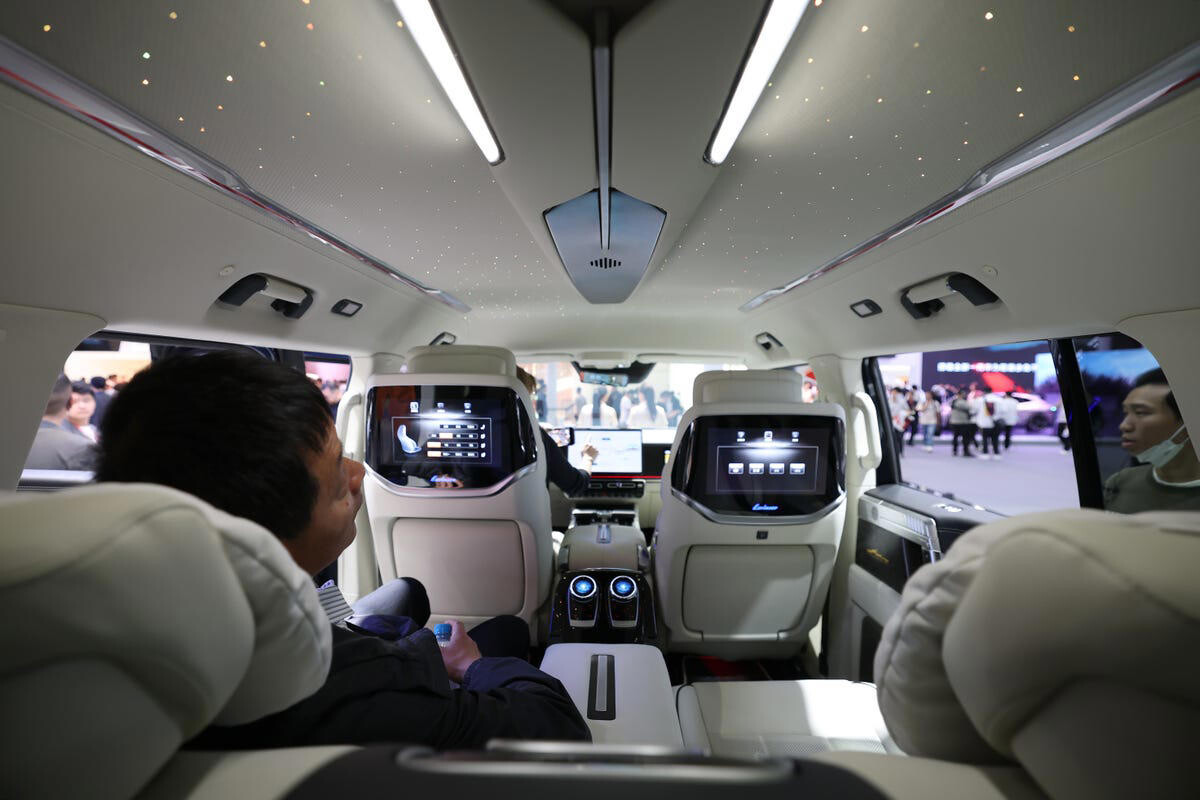
On Thursday, Shenzhen Denza New Energy Automotive, an EV venture between BYD and Mercedes-Benz, launched the 2025 version of its D9, a luxury multipurpose vehicle (MPV), in Shenzhen.
The model, equipped with BYD’s BAS 3.0+ advanced driving assistance system, is available in five plug-in hybrid variants and three battery EV variants. It is priced from 339,800 yuan (US$46,555) to 469,800 yuan. Denza says it has sold more than 300,000 D9s since the model was launched in 2022.
But data from China’s leading automotive website, Autohome, showed that monthly D9 sales declined in July, August and September from a year earlier. BYD’s third-quarter earnings report showed that Denza’s overall sales fell by 14 per cent from the quarter before.
“I think automakers will slow down their launches of new premium models in 2025 and focus on upgrading their existing models,” said Phate Zhang, founder of Shanghai-based electric-car data provider CnEVPost.
“This market segment is not easy to expand. Coupled with the overall slowdown in the EV market, sales of high-end EV models have faced considerable challenges this year.”
The premium EV segment priced over 200,000 and 300,000 yuan has been a battleground for Chinese carmakers looking to upgrade their brand images and expand their customer bases.
Beijing-based Li Auto, a Tesla rival, along with Guangzhou-based Xpeng and Shanghai-based Nio are all prime contenders in the space. Other notable players include Zeekr, a premium EV unit of Geely, and BYD, the world’s largest manufacturer of plug-in hybrids and battery-powered EVs.
Huawei Technologies partnered with state-owned Anhui Jianghuai Automobile Group this year to develop ultra-luxury car brand Maextro, with an aim to rival Rolls-Royce. The brand unveiled its first Maextro S800 sedan last month with a presale price of 1 million to 1.5 million yuan.
However, the premium vehicle segment is still small and has limited growth potential. According to data from the China Passenger Car Association (CPCA) this month, sales of premium new energy vehicles (NEVs) – including plug-in hybrids and battery EVs – accounted for only 10 per cent of the 9.59 million EVs sold in the first eleven months of this year.
Sales of NEVs priced above 300,000 yuan showed much slower growth when compared with vehicles sold below that price point, according to the CPCA.
Slower growth for EV demand in China could also affect the outlook for premium EVs. The country is expected to report annual sales of NEVs of 15.78 million units next year, according to a report from investment bank SPDB International this month. That would amount to a 28 per cent increase from the estimated sales for 2024, though growth has slowed, according to Tony Shen, an SPDB analyst.
The ongoing price war and launches of premium models have made it harder for new entrants to join the race, according to Zhang Xiang, who heads a research centre at the Jiangxi New Energy Technology Institute.
“Few of the companies have succeeded in entering the premium market, with most of the rest suffering from weak sales and huge investment losses,” Zhang said. “This has set an alarm for the carmakers.”
In November, Geely said it would integrate its Lynk & Co brand into Zeekr, after both premium brands remained unprofitable.
Human Horizons, a Shanghai-based maker of premium EVs, also told its employees earlier this year to halt production of its luxury HiPhi brand.
“It might be the end of a chapter for the EV makers in their ‘premiumisation,’” Zhang from CnEVPost said. “We’re already seeing fewer launches of premium EV models this year.”