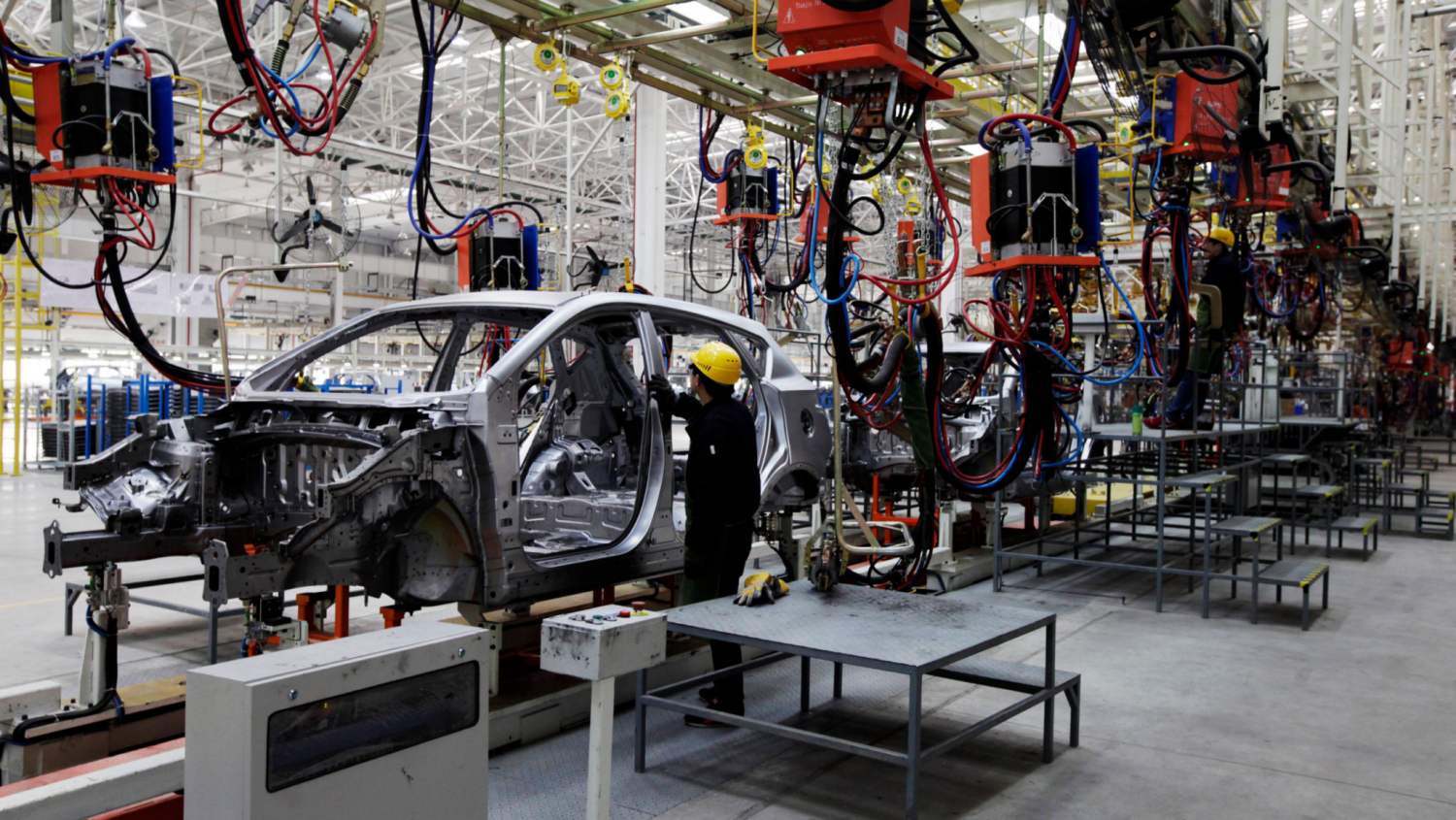
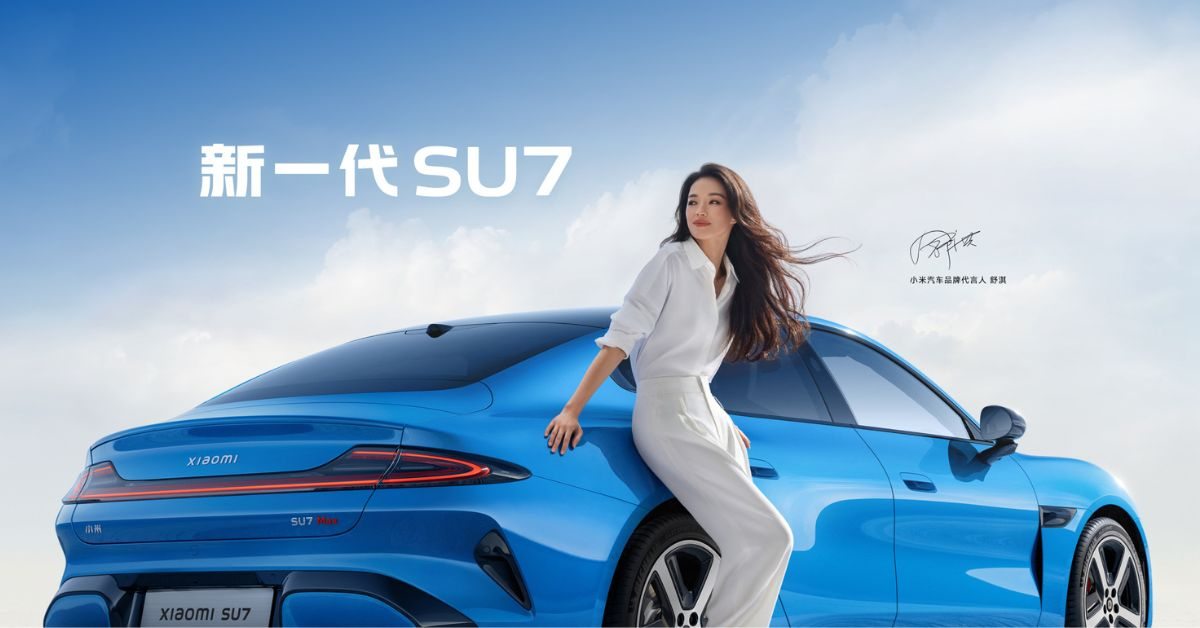
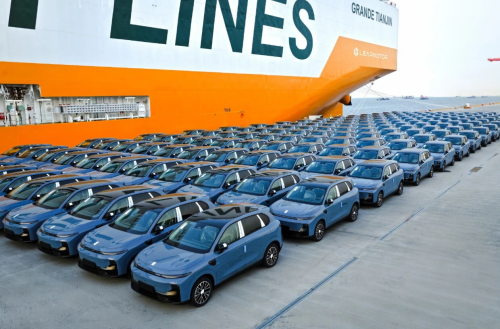
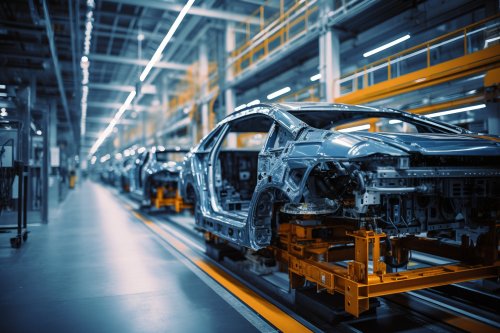
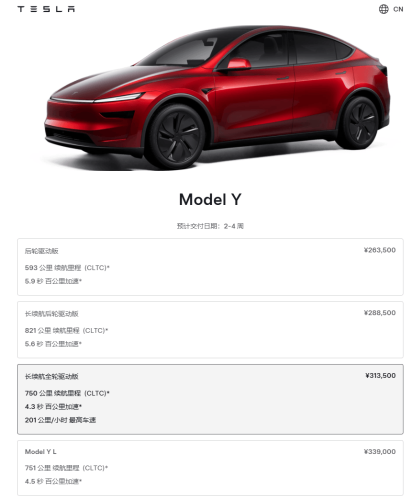
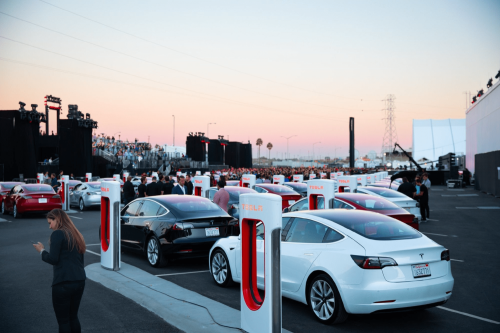
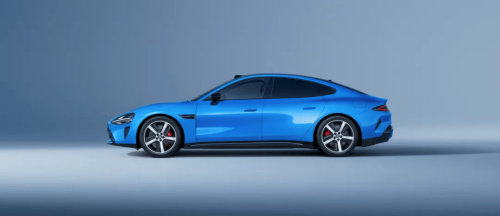
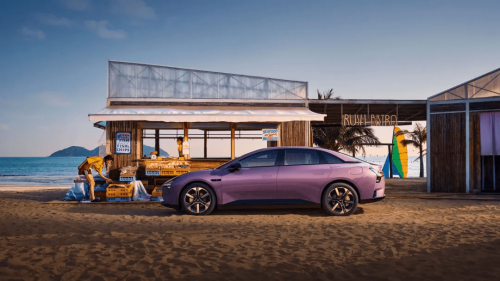
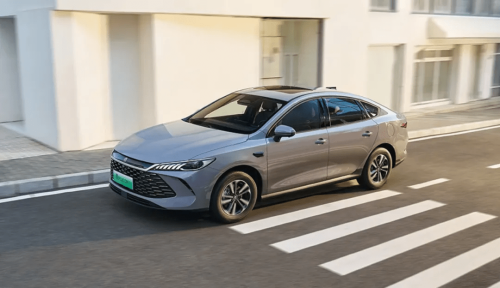
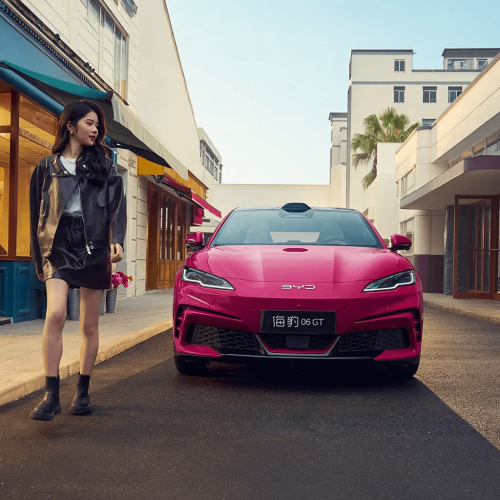
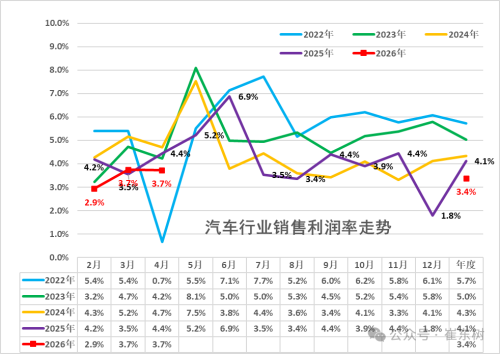
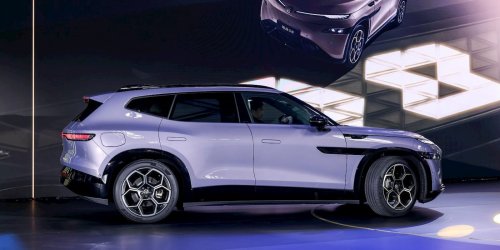
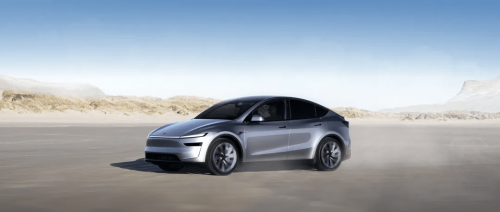
A new energy vehicle factory. Credit: Sohu Understand China EV’s Market Real-time notifications when critical EV data is released All important data in one place 2,000,000+ data points Become a member A wave of price increases is sweeping through China’s New Energy Vehicle (NEV) market. Driven by soaring costs of storage chips and raw materials like lithium carbonate, over 15 major automakers – including BYD, Xiaomi, and various joint ventures – have announced price hikes for vehicles or optional configurations, as reported by Chinese media Jiemian News. Widespread price adjustmentsOn April 28, BYD announced that the “God’s Eye B” ADAS laser edition option for its Dynasty, Ocean, and Fangchengbao series would see a price increase from 9,900 yuan (1,500 USD) to 12,000 yuan (1,800 USD), effective May 1, 2026. Following suit, Changan Nevo (Qiyuan) announced on April 30 that the official guide price for the Q07 SDA Intelligent Laser Edition produced after May 7 would rise by 3,000 yuan (400 USD). During the same period, GAC Aion raised prices for models such as the Aion Y Younger and Aion S Plus by 3,000 yuan (400 USD) to 6,000 yuan (900 USD). Xiaomi’s SU7, which launched in March, has seen a flat increase of 4,000 yuan (600 USD) across its Standard, Pro, and Max versions. Joint venture brands are also feeling the pressure: Volkswagen’s ID. series has seen hikes of 4,000 yuan (600 USD) to 7,000 yuan (1,000 USD), while the Toyota bZ4X rose by 6,000 yuan (900 USD). The new Xiaomi SU7 increased 600 USD across its variants. Tesla China denies price hike amid policy shifts While rumours suggested Tesla would raise the price of the Model Y Long Range and Performance versions by 18,000 yuan (2,600 USD) and 20,000 yuan (2,900 USD), respectively, Tesla China officially dismissed these reports as “fake news” on May 15, as reported by ITHome. However, the company has tightened its financial incentives. The previous 7-year low-interest “Special Enjoyment” plan expired on April 30. A new “Easy Loan” scheme introduced on May 13 offers 5-year terms with varying interest rates and down payments, effectively increasing the total cost of ownership for many buyers through higher interest or residual payments. Other brands like Zeekr and Avatr have similarly scaled back zero-interest financing offers. Supply chain crisis: lithium and chipsThe primary driver behind this trend is the escalating cost of the supply chain. Battery-grade lithium carbonate, which cost 75,000 yuan (11,000 USD) per ton in July 2025, has surged to nearly 200,000 yuan (29,400 USD) per ton in less than a year. As of May 15, futures were trading around 194,000 yuan (28,500 USD) per ton. Simultaneously, the explosion of generative AI has diverted chip production toward AI servers, squeezing the supply of automotive-grade storage chips. Prices for these chips have jumped approximately 180% in the last three months, with high-end DDR5 memory soaring over 300%. According to UBS estimates quoted by Jiemian, chip price increases alone have added 3,000 yuan (400 USD) to 7,000 yuan (1,000 USD) to the cost of an intelligent vehicle. Furthermore, bulk commodities like aluminium and copper have hit new highs. With aluminium exceeding 25,000 yuan (3,700 USD) per ton and copper reaching 100,000 yuan (14,700 USD) per ton, the raw material cost for a mid-sized electric vehicle has increased by roughly 1,800 yuan (300 USD). Industry profit margins at record lowsThe cumulative impact of these costs is devastating for an industry already weary from years of price wars. Data from the China Passenger Car Association (CPCA) shows that the domestic auto industry’s profit margin dropped to 3.2% in the first quarter of 2026, with the January-February period hitting a decade-low of 2.9%. Total industry profits for Q1 2026 fell 18% year-on-year to 78.4 billion yuan (11.5 billion USD). Cui Dongshu, Secretary-General of the CPCA, noted that while high-end NEV makers with margins above 20% can better absorb these shocks, mid-to-low-end manufacturers are struggling near the break-even point. Industry insiders quoted by Jiemian suggest that more brands, including Leapmotor, are currently weighing price adjustments. While a universal price hike across the entire market remains unlikely due to intense competition, the era of aggressive price cuts appears to be giving way to a period of cost-driven inflation.